
7 Wonders Duel is the best strategy board game for two players overall, with Patchwork, Onitama, Jaipur and Splendor Duel as the strongest alternatives depending on how much weight you want to carry. We ranked 15 titles by weight, play time and how well they hold two players’ attention from first turn to last.
Two things make a board game work at exactly two people. First, downtime: with four players, one person planning quietly is unremarkable, but at two it feels like being left out of something. Second, balance: most popular games are tuned for three or more competitors, so the two-player version is usually a scaled-down compromise rather than a designed experience.
That distinction is the one this whole guide is built around. Every entry below tells you whether a game was drawn for two players from the start, or whether it is a multiplayer design that merely tolerates two. Where the answer matters, we say so plainly.
Our ordering starts with the strongest all-round pick and moves down through lighter options, cooperative titles and heavier campaign games, so you can stop reading the moment you find your pair. Updated for 2026, with the current edition of each game noted in the entry.
Table of Contents
Top 3 Best Strategy Board Games for Two Players (October 2026)

7 Wonders Duel
- 30 minute card drafting duel
- Three win conditions
- Dedicated two player design

7 Wonders Duel – card drafting and resource management in a tight 30-minute head-to-head, designed for exactly two from the ground up.
Gloomhaven Jaws of the Lion – the deep cooperative option, a standalone card-combat campaign for two or more, with a five-scenario tutorial.
Patchwork – polyomino tile placement and button economy, low conflict, roughly 30 minutes, ages 8 and up.
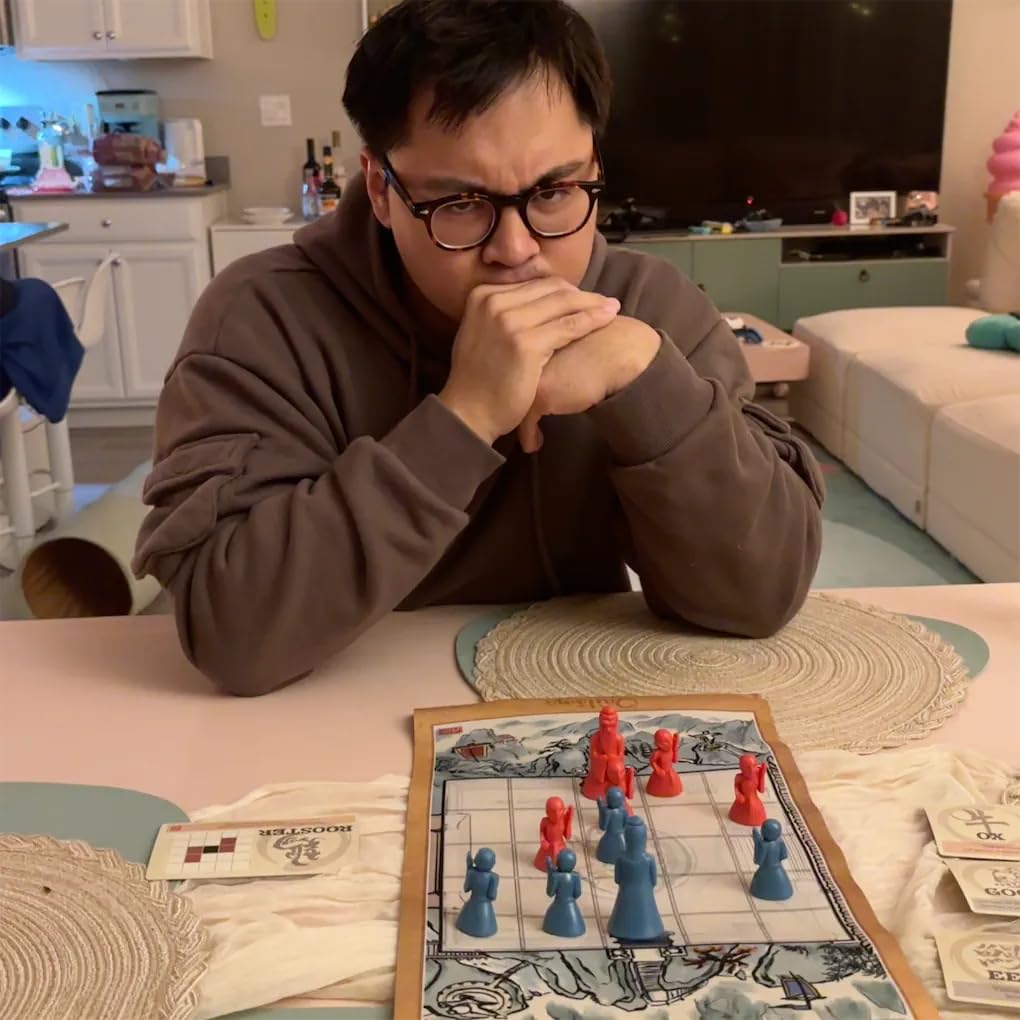
Onitama – moving-card abstract on a 5×5 grid, about 10 minutes, no luck beyond the shared card pool.
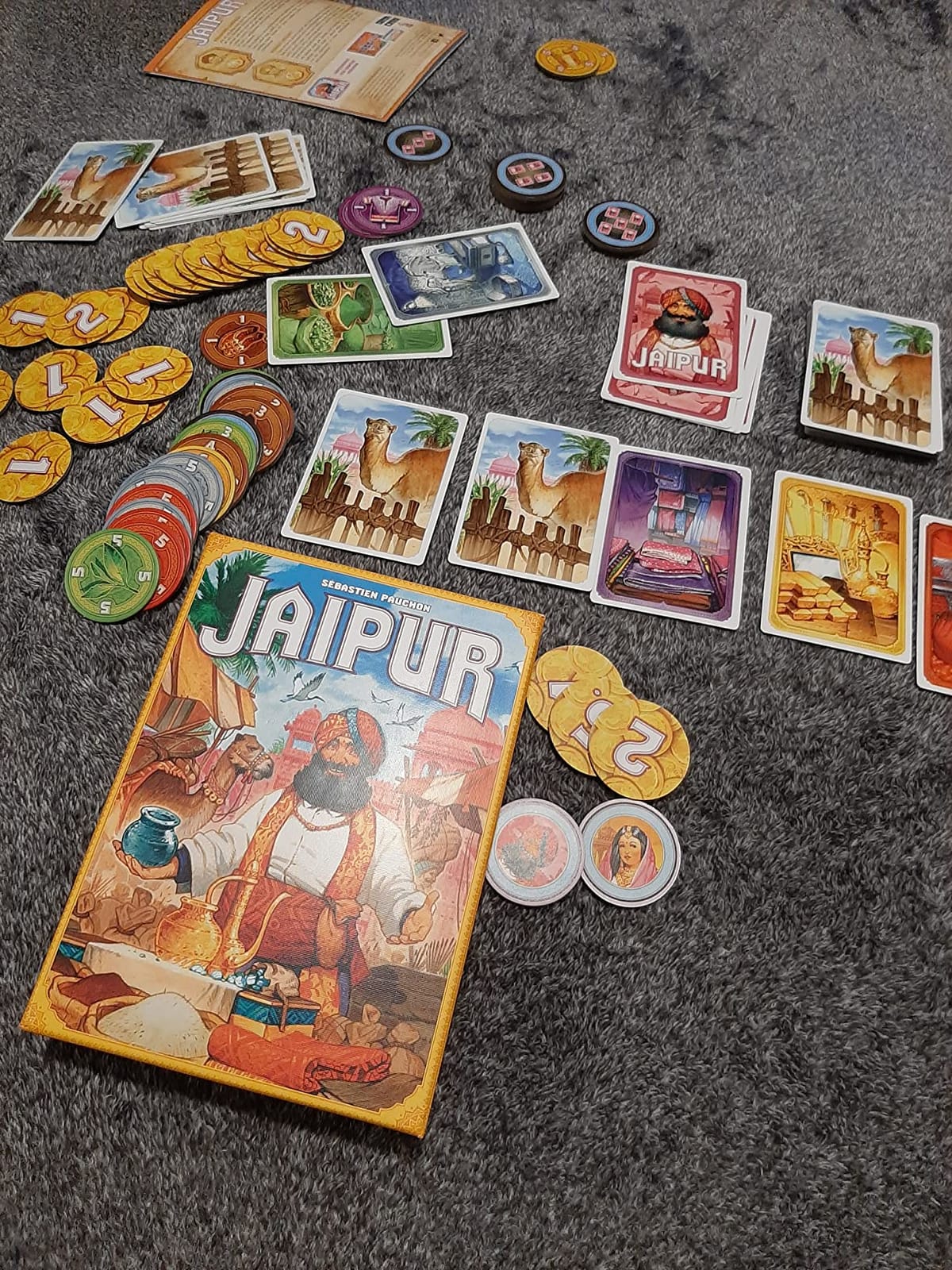
Jaipur – a 30-minute market race where hand management and set collection meet a live opponent on every row, named by reviewers as a gateway two-player game that beats heavier titles.
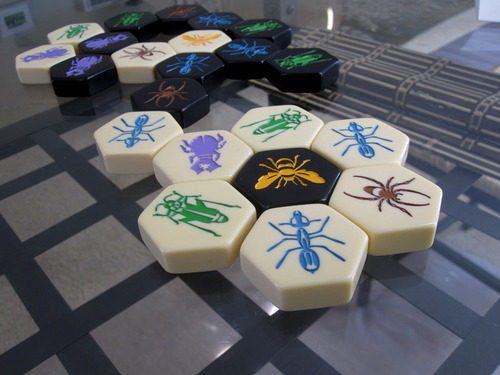
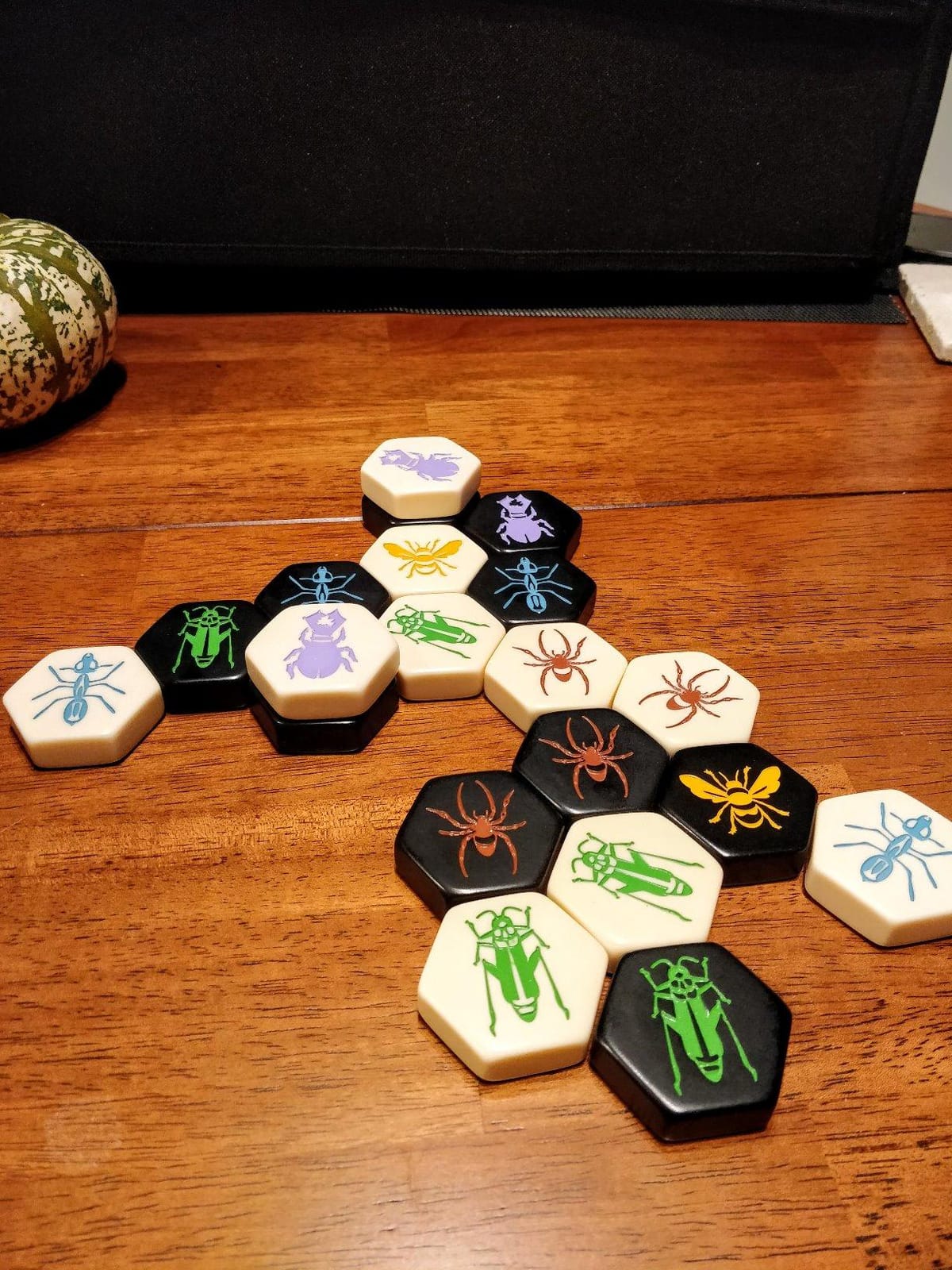
Hive – piece placement and surround-the-queen area control, portable, no board required, 15 to 20 minutes.
Lost Cities – push-your-luck card play with a deep bluffing layer, deceptively simple rules, 20 minutes.
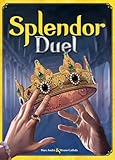
Splendor Duel – engine building with gem collection, adds attacks and steals to the base Splendor economy, 30 minutes.
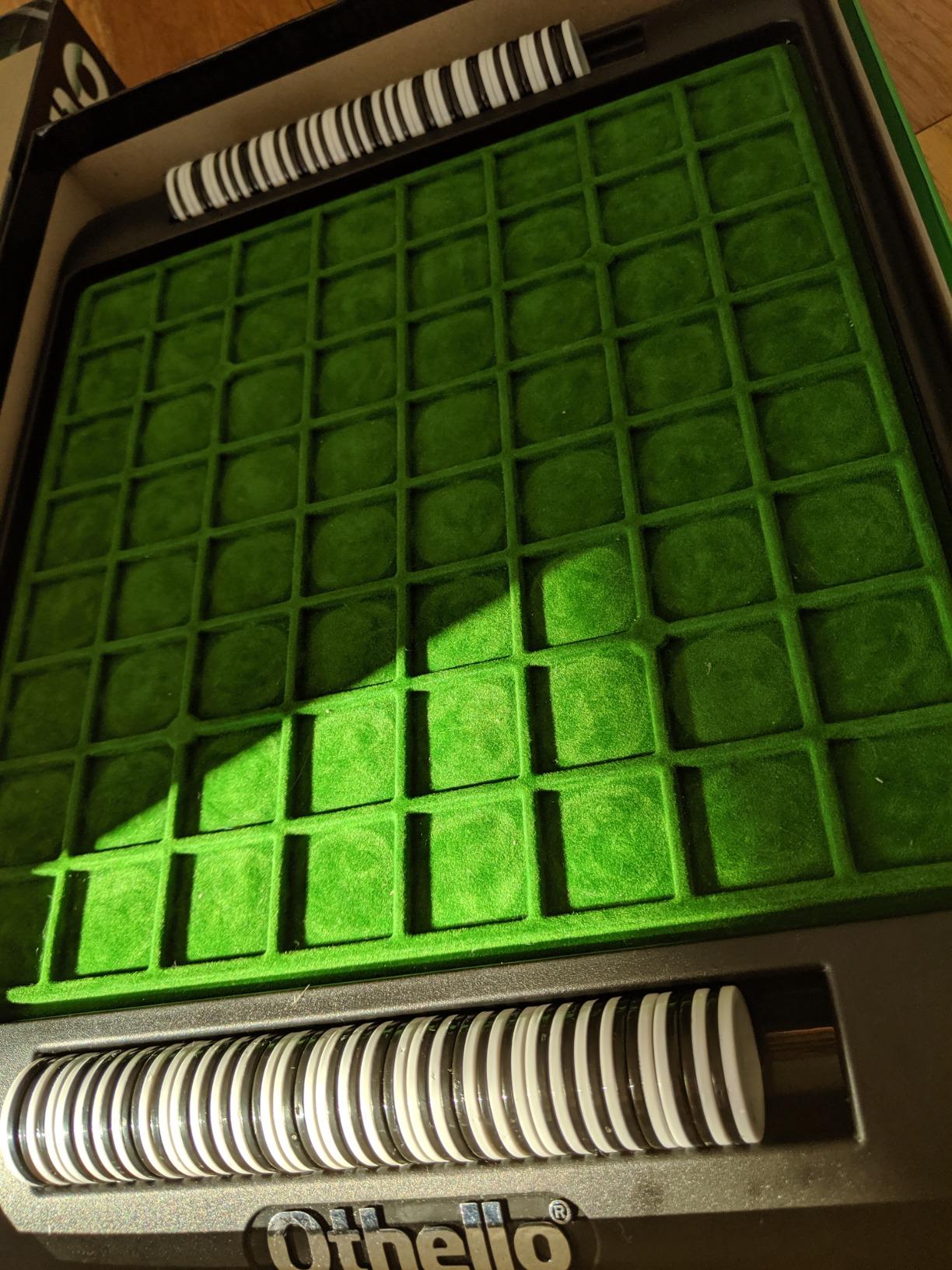
Othello – flip-the-discs abstract with one move per turn, 20 minutes, ages 8 and up, zero teaching time.
Catan Rivals – a 2-player card game version of Catan with three bundled theme sets, 45 to 60 minutes listed, often shorter in practice.
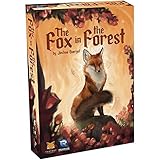
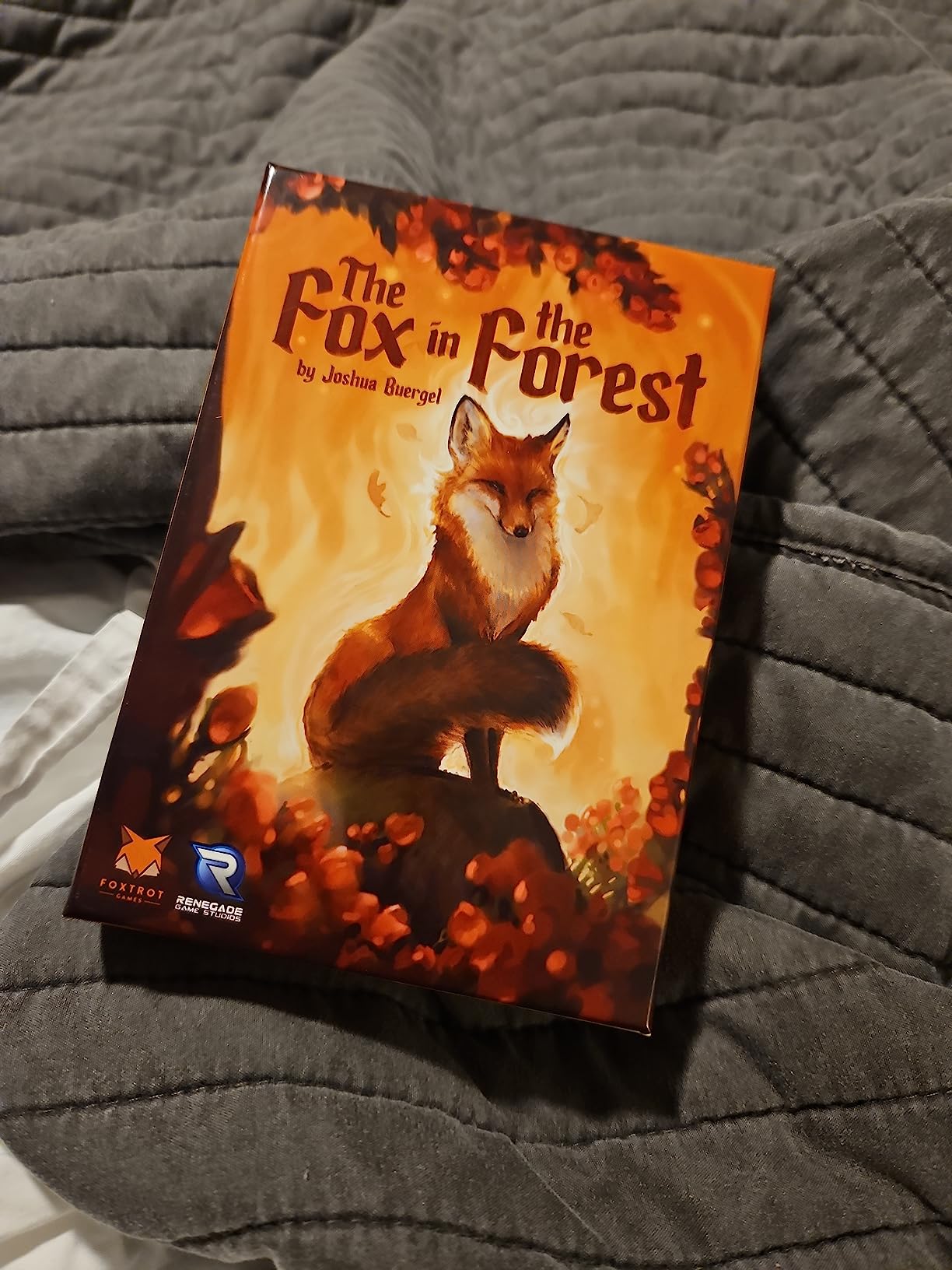
Fox in the Forest – trick taking where you are penalised for winning too many hands, 10 to 15 minutes, tiny travel box.
Targi – worker placement plus auction and negotiation, the longest real session here at around 60 minutes.
Quarto Mini – forced-placement abstract where your opponent chooses your piece, 20 minutes, ages 8 and up.
BOOP – area control with chain reactions, 20 to 30 minutes, 32 wooden cat pieces.
Mandala – card play into two shared mandalas, deep and deterministic, roughly 30 minutes, 108 cards.
All 15 Picks at a Glance in 2026
| Product | Specifications | Action |
|---|---|---|
| 7 Wonders Duel |
|
Check Latest Price |
| Gloomhaven Jaws of the Lion |
|
Check Latest Price |
 Othello Othello |
|
Check Latest Price |
 Fox in the Forest Fox in the Forest |
|
Check Latest Price |
 Jaipur Jaipur |
|
Check Latest Price |
 Onitama Onitama |
|
Check Latest Price |
 Hive Hive |
|
Check Latest Price |
 Lost Cities Lost Cities |
|
Check Latest Price |
 Catan Rivals Catan Rivals |
|
Check Latest Price |
 Quarto Mini Quarto Mini |
|
Check Latest Price |
 Targi Targi |
|
Check Latest Price |
 Splendor Duel Splendor Duel |
|
Check Latest Price |
 BOOP BOOP |
|
Check Latest Price |
 Mandala Mandala |
|
Check Latest Price |
 Patchwork Americana Patchwork Americana |
|
Check Latest Price |
1. 7 Wonders Duel – The Benchmark Two-Player Card Engine Builder
- Three win conditions keep outcomes unpredictable
- Engine building makes close losses feel earned
- Fast 30 minute sessions with quick setup
- Beautifully illustrated cards
- Pricing rules carry many exceptions
- Terse rulebook that assumes prior knowledge
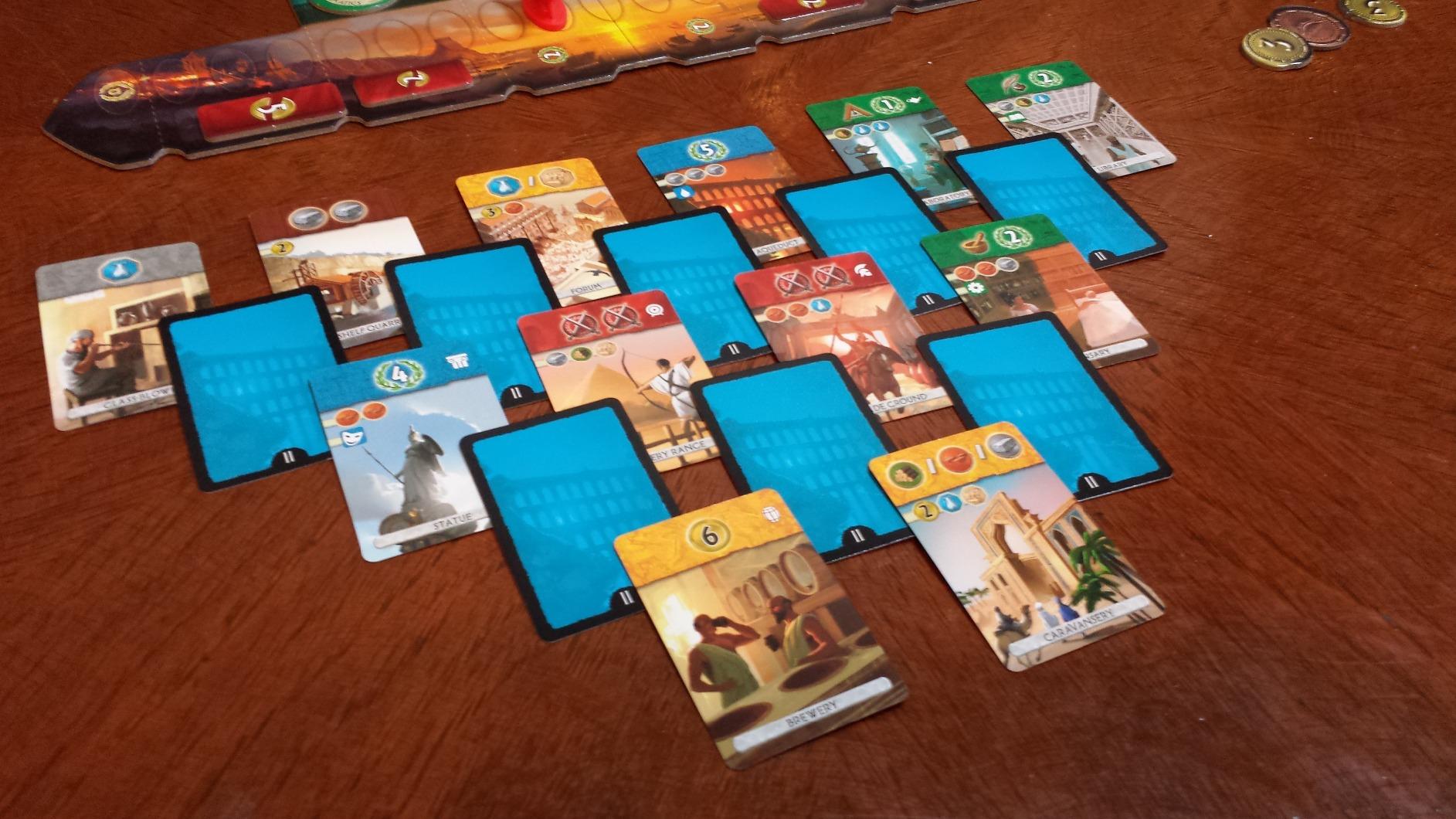
Our team played more 7 Wonders Duel games than any other title in this roundup, and it stayed the default answer. Each turn you draft a card from a pyramid, then decide whether to play it into one of three rows or bank it for a later age. Taking a card your opponent needed is the whole tension of the game.
Data line: 2 players | 30 minutes average playtime | ages 10 and up | area control, card drafting and resource management.
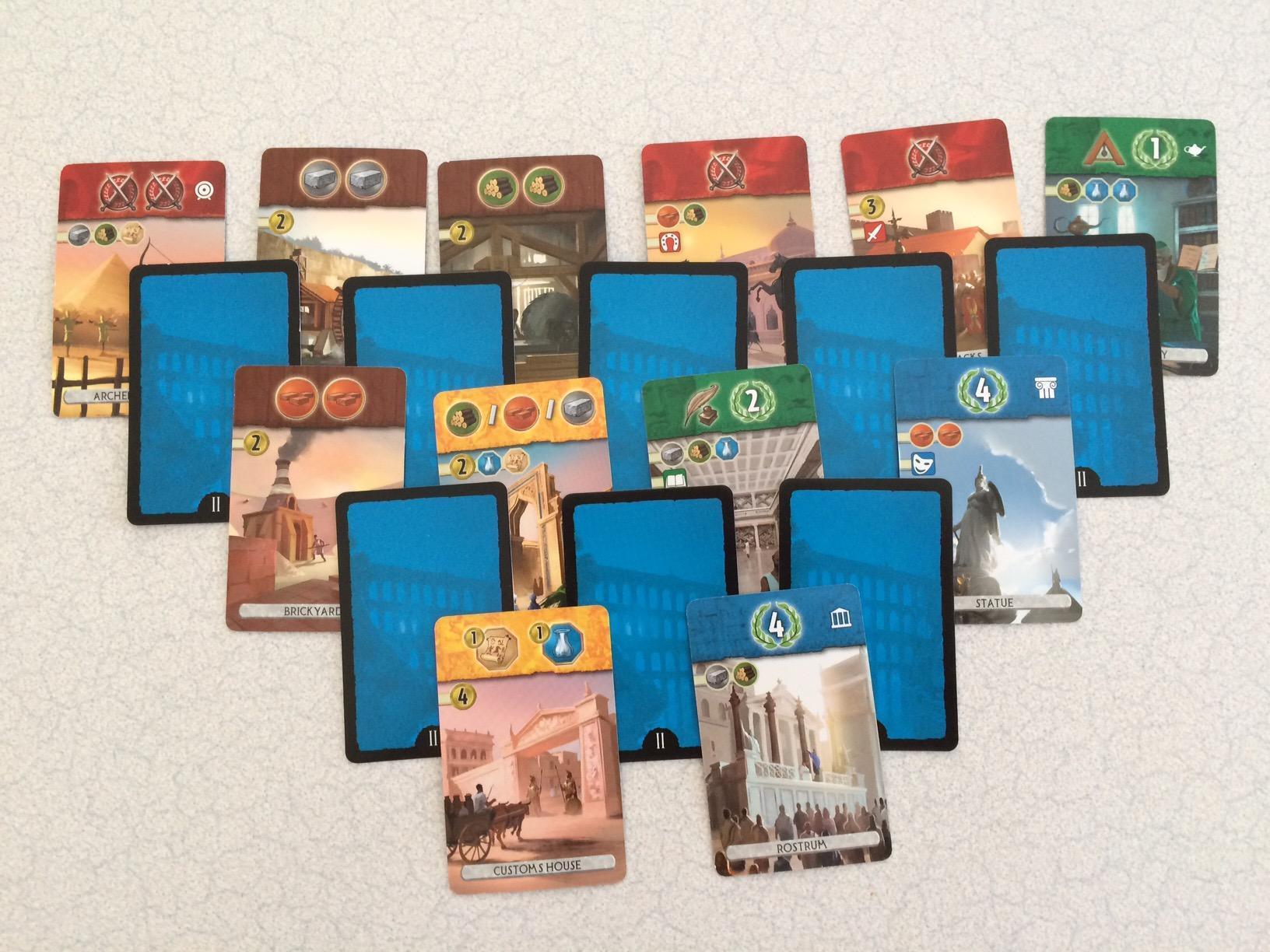
What separates it from the base 7 Wonders is that nothing was borrowed and rescaled. The two-player economy was built for two opponents, which is why the military, science and prestige paths all feel genuinely contestable rather than an afterthought. Roughly half the deck stays face-down, so no two games draft the same way.
BoardGameGeek community threads treat 7 Wonders Duel as the benchmark that other games get compared against, which is why almost every competitor entry in this guide ends up as a substitution recommendation. A BoardGameGeek poster put it plainly: their partner likes 7 Wonders Duel, Patchwork and Azul, and frequently asks for Splendor Duel again.
Who It Suits
This is the pick for a pair who both enjoy thinking and want a complete session inside half an hour. It also works well with a curious teenager, because the theme carries a person who has never read a wargame rulebook.
It is equally strong as a gift for a partner who already owns the base game set, since the two versions share a visual language. The three expansions require the base 7 Wonders game, not the Duel box, so check your shelf before planning around them.
Where It Falls Down
The monetary and resource pricing system is where first-time players get stuck. Reviewers consistently describe a steep first play, and the most common advice is to run one guided game before expecting the full system to click.
Cards are small Euro-size, which some buyers find awkward to handle across a table, and reviewers note that Wonder cards can warp over time. If tiny components or a dense first rulebook would end the evening, start with Jaipur instead.
2. Gloomhaven Jaws of the Lion – The Deepest Cooperative Two-Player Campaign
Gloomhaven Cephalofair Games: Jaws of The Lion Strategy Boxed Board Game for Ages 14 and up, 1-4 players
- Standalone campaign needing no other set
- Card combat removes dice randomness
- Five scenario tutorial teaches as you play
- Four new mercenaries
- Fully cooperative
- not a head-to-head duel
- Long sessions with a heavy rules load
Jaws of the Lion is the heavyweight option here, and the only entry that plays as a long campaign rather than a single match. It is a standalone Gloomhaven experience, so you do not need the base game, and it works with two or more players sharing decisions every turn.
Data line: 2 or more players | single scenario roughly 60 to 90 minutes | ages 14 and up | cooperative tactical card combat.
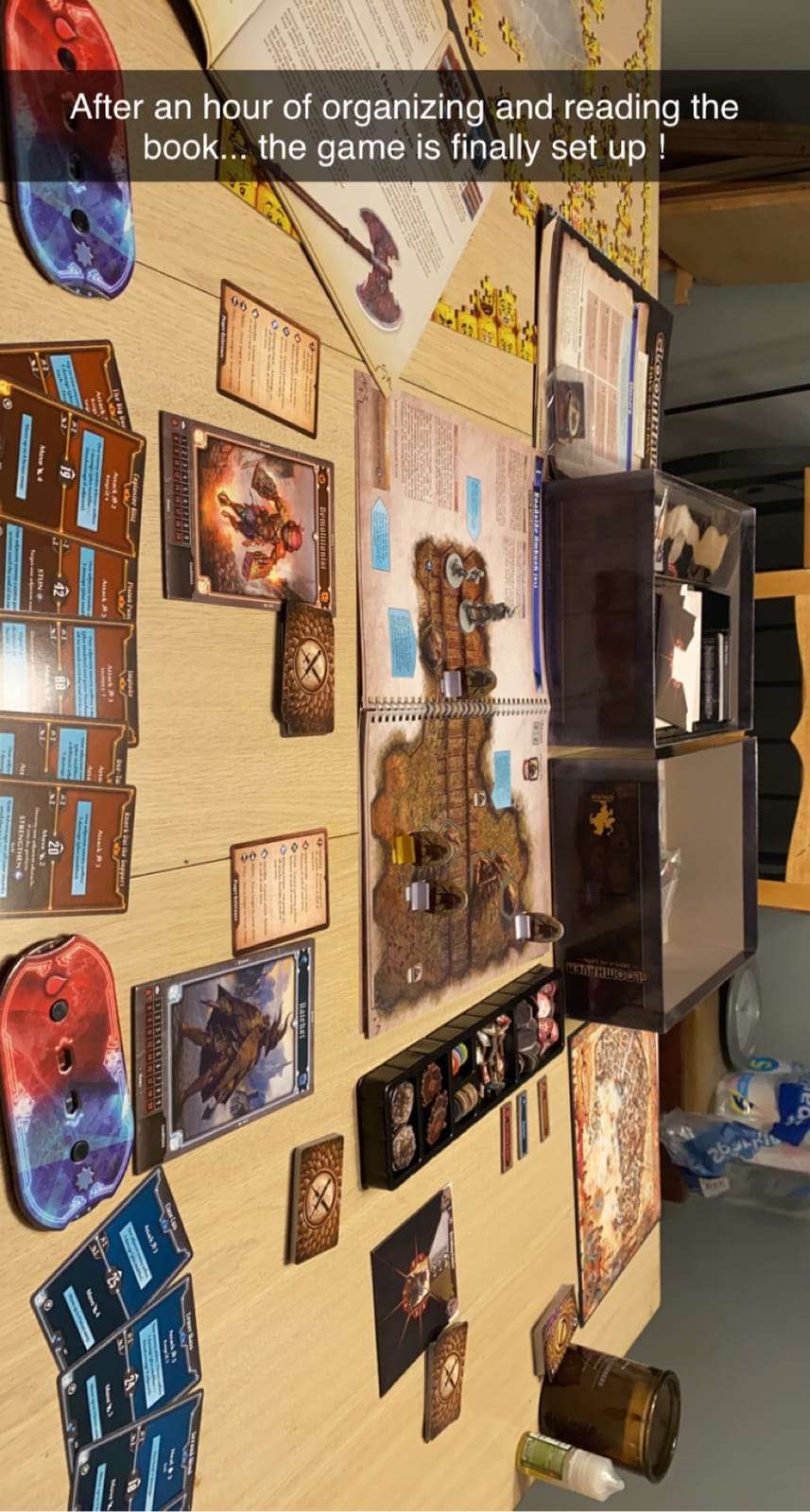
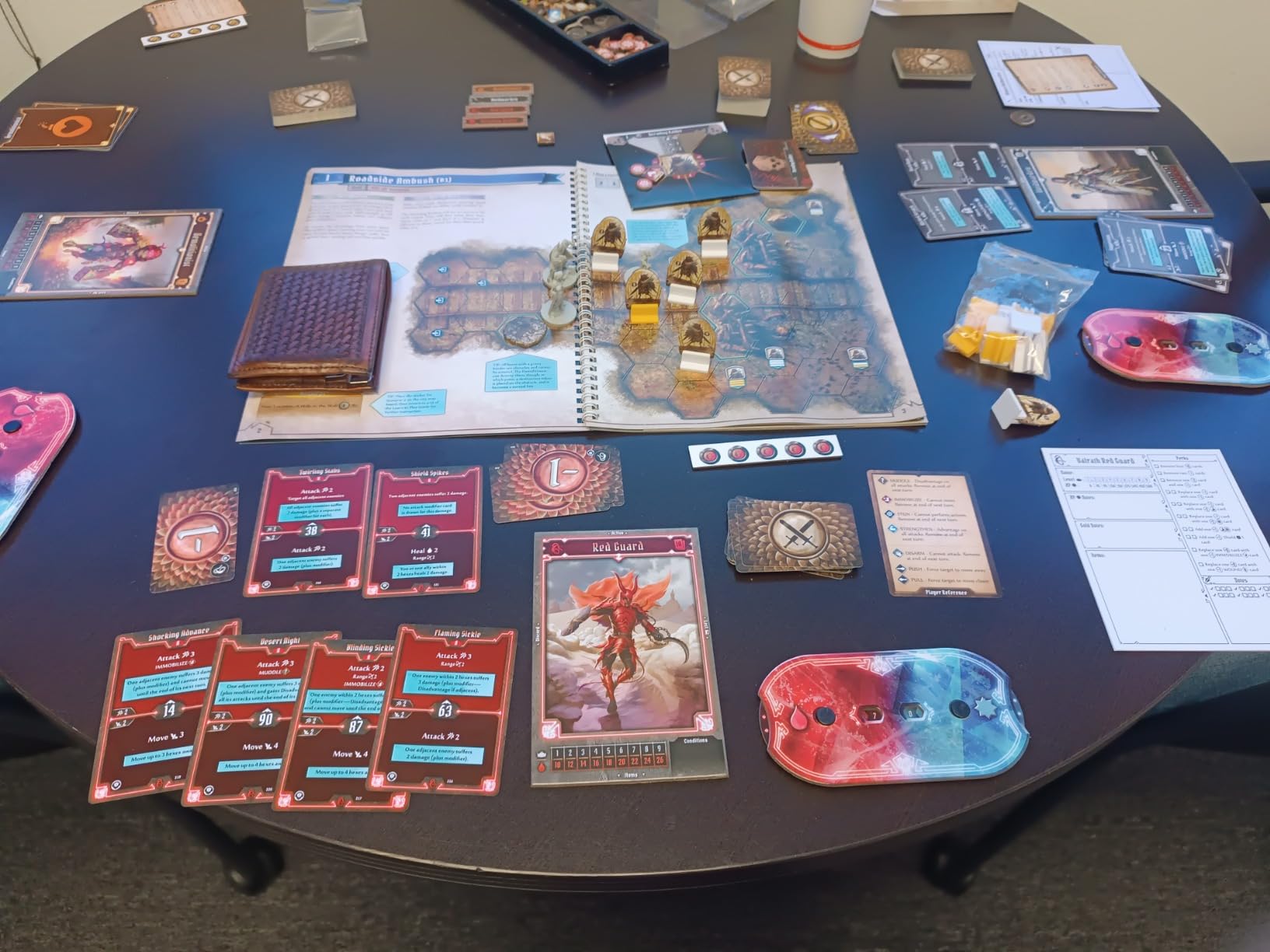
Combat resolves entirely on cards rather than dice, so a lost fight is a planning failure you can trace back to a decision three turns earlier. The built-in five-scenario tutorial walks a first-time group through the card system, character abilities and scenario objectives without a separate learning session.
Because it is cooperative, downtime works differently here. Both players study the same board, argue about which card to commit and share the same emotional swing when a scenario goes wrong, which some couples find easier than a silent 30-minute scoring phase at the end of a competitive game.
Who It Suits
This suits a pair with a long evening free, older teens, and anyone who wants a hobby project rather than a single evening. Reviewers buy it as a gateway into the wider Gloomhaven universe and stay for the deterministic combat.
It is also the natural answer for two people who find competitive games stressful. You are both reading the same problem, and success is a shared outcome rather than a scoreboard.
Where It Falls Down
It is not a competitive two-player experience at all, and it needs at least two players, so it does nothing for a solo buyer without the solo rules supplement. Scenario length and rules volume make it a poor fit for a short casual game night.
Card-driven combat removes the randomness, which is the point for planners and a genuine loss of texture for players who enjoy the unpredictability of a dice roll. If you want a duel, the engine-building entries later in this list are the better route.
3. Othello – The Two-Player Game You Can Teach in Under a Minute
Ravensburger Othello – Classic Strategy Board Game for 2 Players – Easy to Learn, Hard to Master – Fast-Paced Family Fun – Ages 8+
- Rules a child picks up immediately
- Slide-out storage drawers in each player tray
- Smooth reversible discs
- 20 minute matches
- Limited strategic variety once openings are known
- Rulebook not available in Spanish
Othello is the lowest-commitment way into two-player gaming. You place a disc of your colour, flip every enemy disc sandwiched between your new disc and another of yours, and repeat until nobody wants to move. A first game takes about two minutes to explain.
Data line: 2 players | 20 minutes | ages 8 and up | abstract flip-and-counter game.
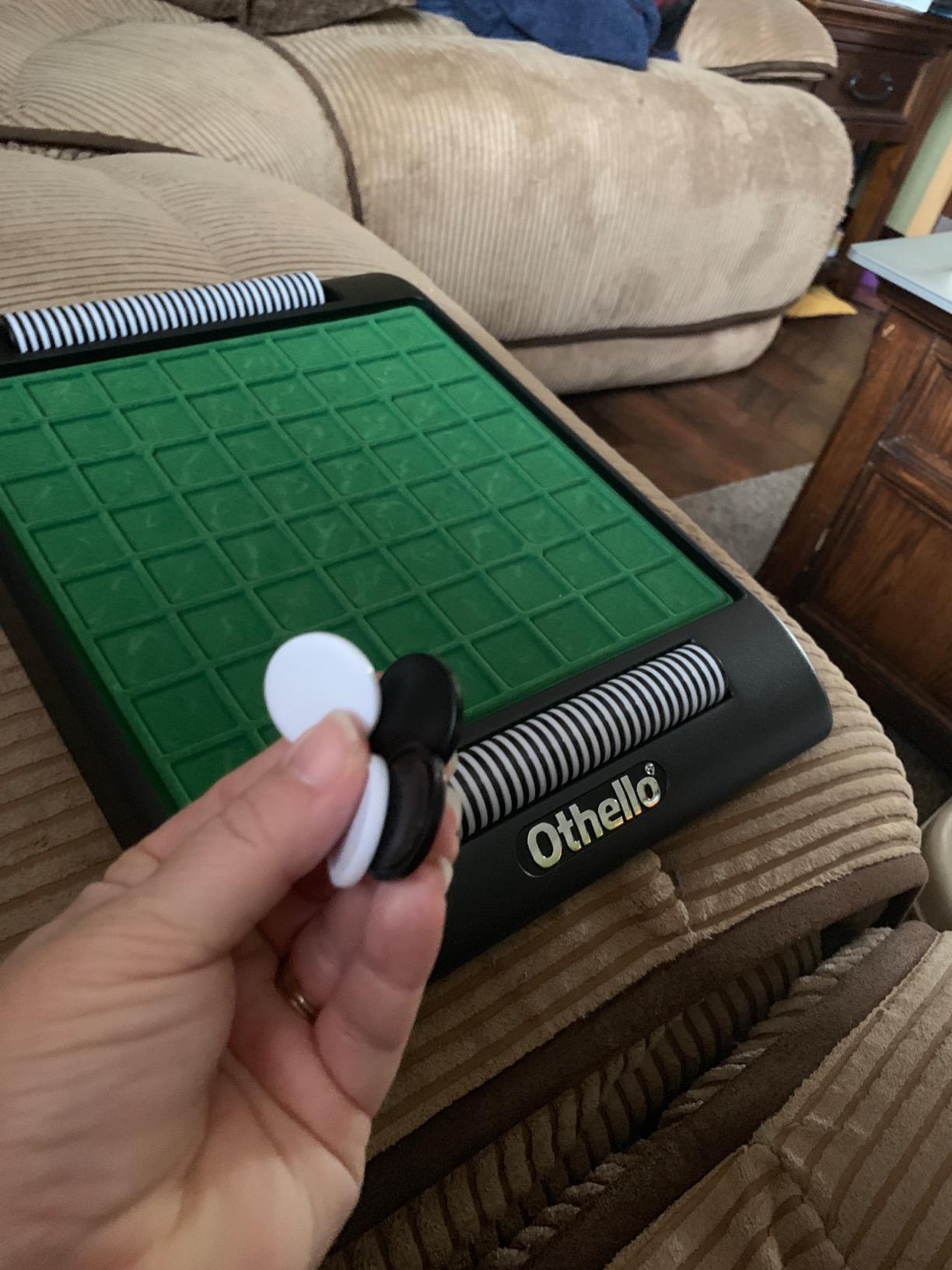
Depth hides under that simplicity. Because each placement can cascade across several lines, one move can swing the entire board, and the endgame is a positional puzzle about corners and edges. Reviewers who grew up with Othello often buy this edition to replace a lost set and rate the build quality favourably against unofficial knockoffs.
Each player’s side of the board has a slide-out storage drawer, which means setup and cleanup are close to instant. The felt playing surface keeps discs from sliding during play, and the whole unit is small enough for a rucksack or a carry-on.
Who It Suits
It is the right first game for a mixed-skill pair where one person has never touched a modern board game. It also works for a parent and a child over eight, or for two people who want a competitive session with zero teaching overhead on a short evening.
If you like the texture, Hive later in this list gives you a more modern abstract with the same no-teaching quality and considerably more depth.
Where It Falls Down
The strategic space is small, so once both players know the standard openings the game flattens. Two experienced Othello players will exhaust the interesting lines fairly quickly, and it will not satisfy a pair hunting for heavy engine building.
Language support is a real limitation: reviewers note that instructions are not included in Spanish, and other editions are thin on translations. The playfield finish is also described as modest for the price, so do not expect premium weight.
4. Fox in the Forest – Trick Taking Where Losing Is Winning
- Scoring is rarely decided by luck alone
- Losing hands on purpose is a valid strategy
- Beautiful Grimm style card art
- Genuinely travel friendly
- Thin theme
- essentially a rules layer on trick taking
- Can be approximated with a standard card deck
Fox in the Forest flips the normal instinct in a card game. Each of the four players in a hand has a character ability, and the scoring rewards restraint: taking too many hands costs you points, and there is a shoot-the-moon range for anyone who ends on the extreme low or high total.
Data line: 2 players | 10 to 15 minutes per game, listed at 30 minutes | ages 10 and up | trick-taking card game.
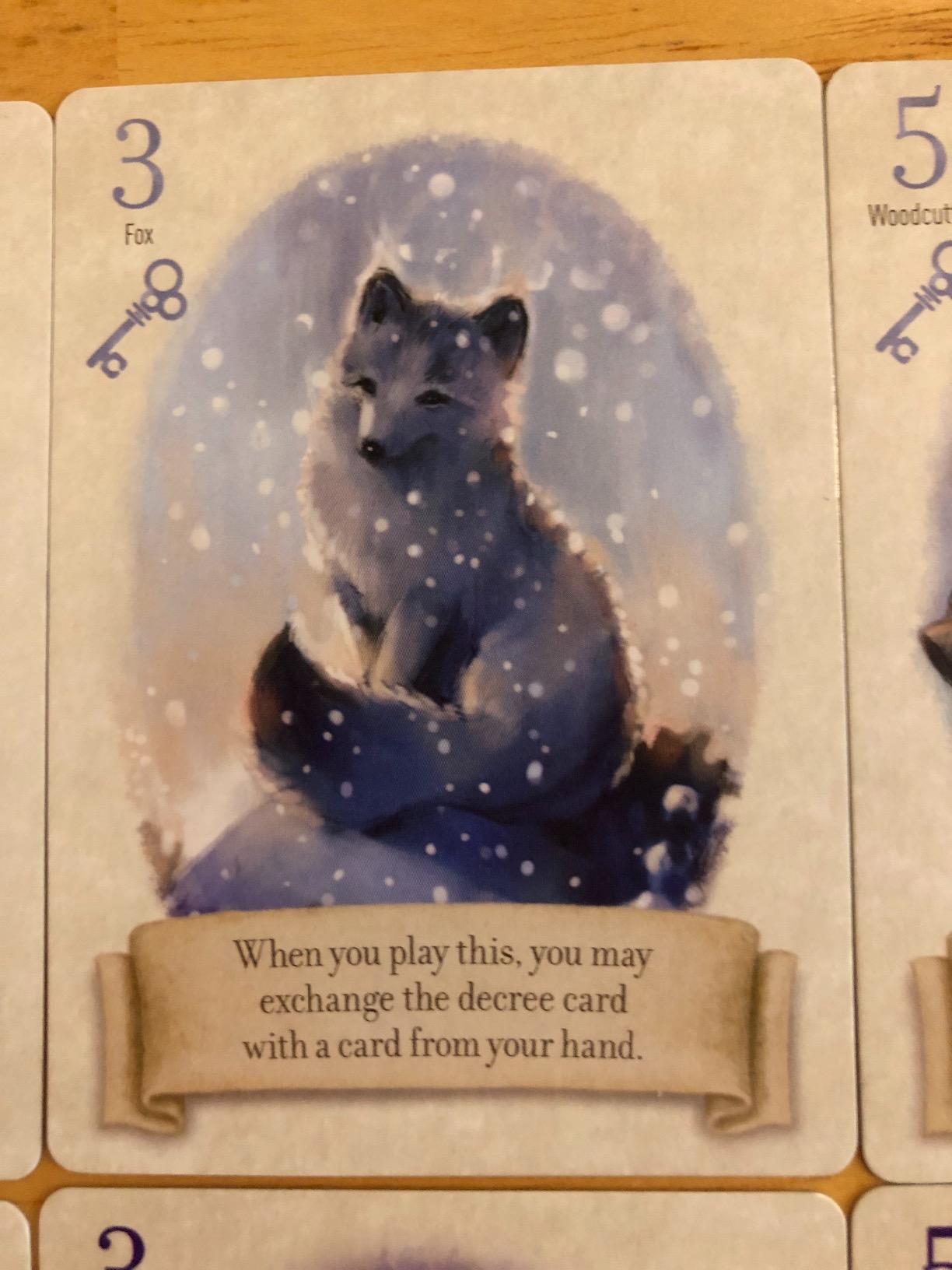
Because the two of you are playing the same character each round rather than competing over a shared trick, the tension comes from reading your opponent’s intentions across several hands. Reviewers describe the two-player scoring as well balanced and rarely settled by luck alone, which is exactly what a competitive pair wants.
The card art is the other selling point, with botanical detail and a Brothers Grimm feel that reviewers single out. Several describe it as a comfortable middle ground between traditional trick-taking fans and people who normally only play deck-builders.
Who It Suits
This is our couples pick, because it is short enough for one round after dinner and light enough that nobody is studying a rulesheet. It suits partners with very different free time, and it packs flat for travel or a hotel room.
It is also a good bridge for one player who likes card games and one who prefers board play, since the board work is effectively a shared scoring sheet.
Where It Falls Down
Reviewers note that long-term variety drops once you have mapped the strategy out, and the theme is thin. The character abilities are a rules layer on ordinary trick-taking rather than a system of their own, which is why some buyers point out you could approximate it with a standard deck.
If your partner wants a long, layered campaign, this will feel thin within a few sessions. Look at Jaipur for a similarly short game with far more build-up across a single match.
5. Jaipur – The Best Two-Player Trading Game for the Value
- Easy to learn but deepens across many plays
- Live interaction on every turn
- Compact and needs no large table
- High variability keeps rematches fresh
- Strictly two player with no three player option
- Printed rules are less clear than the game deserves
Jaipur is two rival merchants buying and selling six types of goods in a market that gradually fills up. Cards get flipped as the row fills, which raises the value of everything in it, so the timing of a sale is the entire game.
Data line: 2 players only | 30 minutes | ages 10 and up | card drafting, hand management and set collection.
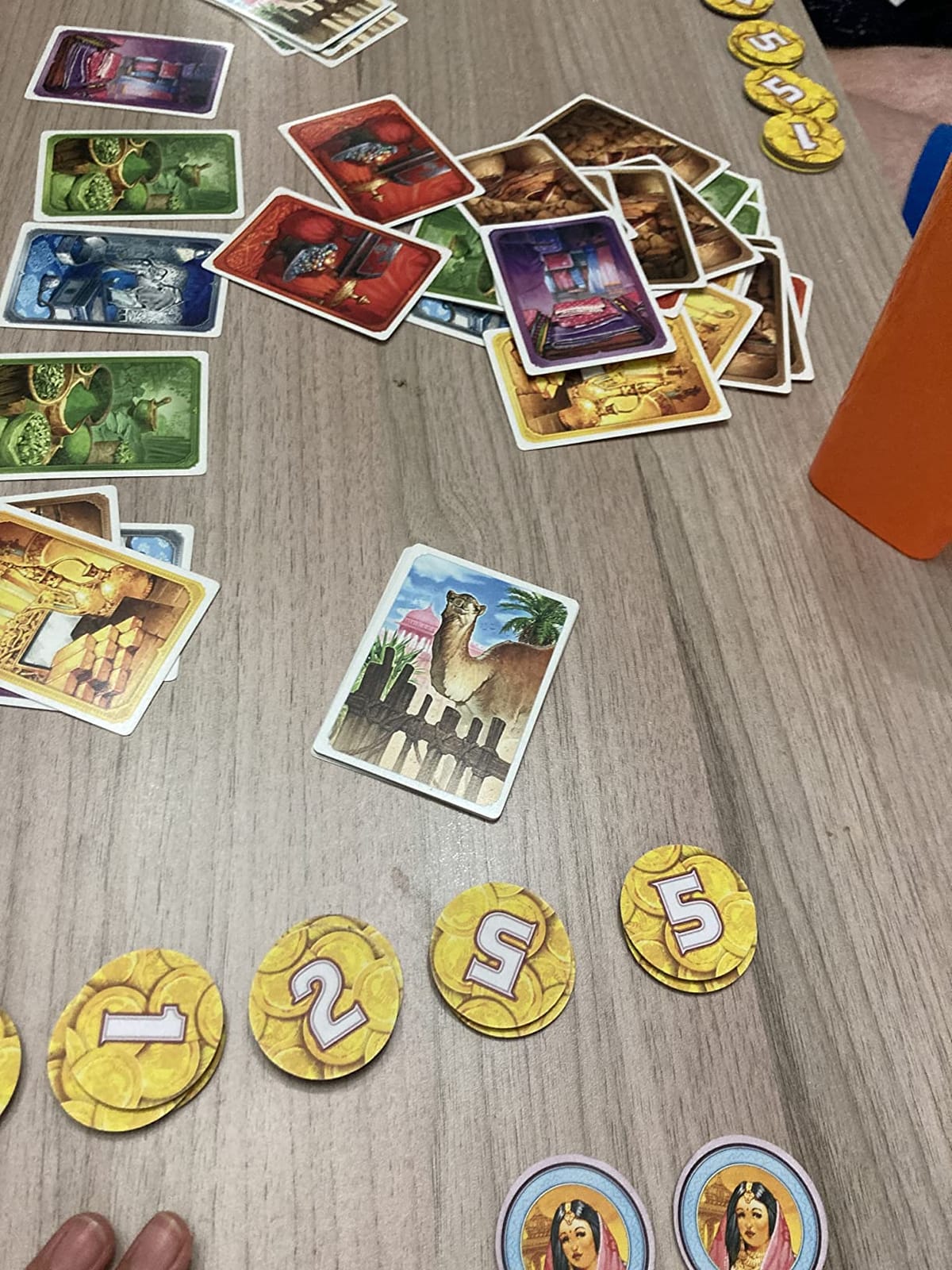
The important detail for two-player buyers is that this is emphatically not multiplayer solitaire. Every decision you make lands on a market your opponent is watching, and reviewers repeatedly praise that constant live interaction as the thing that keeps a simple-looking card game tense all the way to the final seal.
Setup takes seconds and the box needs no large table, so it works on a coffee table, a train table or a narrow desk. Many owners mention that a short video walkthrough is what made the printed rules land for them.
Who It Suits
It is the best value on this list for a pair who want real strategy without a rulebook. It works across a wide age range, from a ten-year-old to an adult couple, and it is the game we recommend most often for a mixed-skill pair.
If one of you enjoys negotiation and timing games, the camel token and sealing decisions add a bluffing layer that keeps repeat sessions interesting well past the point where other short card games flatten.
Where It Falls Down
The main limitation is structural: it is strictly a two-player design with no option to add a third player, so a group night needs a second game. Reviewers also describe the printed rules as less clear than the game deserves, which is the one place a video walkthrough genuinely helps.
It is a small box, which is a virtue for portability and a mild limitation if you like a substantial board presence. For a heavier, more thematic duel, Splendor Duel later in this list takes the same economy in a different direction.
6. Onitama – The Ten-Minute Abstract With Perfect Information
Arcane Wonders Onitama, 2-Player Abstract Duel with Modular Movement Cards
- Compact board that fits in a bag
- Intuitive rules with no rulebook overhead
- Shared card pool reshapes both players options
- Distinct master and student pawns read clearly
- Listings are inconsistent about age recommendations
- Replays hinge partly on card luck
Onitama is a distilled alternative to chess. You move a master pawn and a student pawn on a 5×5 grid, and a stack of five movement cards sitting between you governs what either pawn can do on the current turn.
Data line: 2 players | 10 minutes | manufacturer recommends ages 14 and up | grid movement abstract with perfect information.

Play one of the two face-up cards, then trade it for whichever of the five you want. That single reshuffle is the hook reviewers mention most often, because every card you play changes what your opponent can do next as well as what you can, and the whole board rewrites itself in seconds.
Because both players see everything, the game is pure planning with feints and long-range positioning rather than hidden information. Setup takes under a minute, and reviewers single out the build and piece quality as unusually good for the abstract genre.
Who It Suits
This is the pick for players who want the feeling of chess without the commitment, and for a pair with only a coffee break available. It travels better than almost anything else here, since the whole game is a small board and five cards.
It also suits a competitive pair who dislike luck in strategy games. Reddit abstract-gaming users prize complete-information games like this one, Hive and Santorini as a distinct preference cluster separate from the economic crowd.
Where It Falls Down
The card pool introduces variance into an otherwise deterministic game, and players who want pure skill resolution may find that bothersome over many sessions. Age guidance is also inconsistent across listings, with some pages showing 8+ and the manufacturer recommending 14.
Two pawns on a small grid is a narrower battlefield than chess, so depth per game is lower even though the rules are much simpler. If you want longevity rather than speed, Hive offers more positional complexity for a similar footprint.
7. Hive – The Portable Area-Control Abstract With No Board
Smart Zone Games Hive- A Game Crawling With Possibilities, (5525890)
- Five insect types with distinct movement rules
- No board needed so it is fully portable
- Games end decisively rather than dragging
- Sturdy domino sized hex tiles
- Base game runs out of variety after a few months
- First player advantage is noticeable
- Colour matched expansions are hard to find
Hive has no board at all. The 22 hexagonal tiles form the play area themselves, and each of the five insect types moves differently: ants walk one space at a time in all directions, grasshoppers leap across the hive, and the queen bee moves exactly one space but has to be surrounded to lose.
Data line: 2 players | 15 to 20 minutes | ages 8 and up | piece placement and surround-based area control.
Reviewers consistently call it the best-designed abstract game after chess, and the reason is the pairing of a roughly ten-minute teach with genuine tactical depth once the movement rules are internalised. The outcome is fully determined by play, which some buyers specifically value in a couples game where they do not want a lucky finish.
Everything fits in the included bag, so it is the most travel-friendly heavy game in this guide. That matters more than it sounds, because the same people who want a serious abstract at home often want one on a camping trip.
Who It Suits
It suits a pair who want chess-like thinking with almost no teaching, and parents playing with children over eight. It is equally good for two players who strongly prefer that nothing is decided by chance.
Buyers who take it seriously often add expansions to keep it fresh. The mosquito and pillbug tiles are the ones most worth adding, and they change how defensive positioning works.
Where It Falls Down
The dominant criticism is that the base set alone runs out of strategic variety within a few months, which makes expansions effectively necessary for long-term play. First player advantage is also noticeable, and two queen bees can end up mutually surrounded for a draw that satisfies nobody.
Colour-matched expansions are hard to source, and the mosquito and pillbug tiles do not always match the base set colours, which spoils the clean look on the table. If you want long-term variety out of one box, Mandala later in this list replays better.
8. Lost Cities – Push-Your-Luck Bluffing With Almost No Rules
Lost Cities Card Game – with 6th Expedition | Two-Sided Board for Classic or New Edition | By Reiner Knizia | A Kosmos Game
- Deceptively simple rules over a deep bluffing layer
- Two sided board supports both editions
- Bonus 6th Expedition cards add replay value
- Compact and quick to teach
- Opening phase is tough for less experienced players
- Full game reviews are thin relative to the rating
Lost Cities is six cards, three face up on the table and three in your hand, and one decision: lay a card for its face-up value, or keep it hidden and try to build a set of three. Every card you expose tells your opponent something about the hand behind it.
Data line: 2 players | 20 minutes | ages 10 and up | push-your-luck card play with bluffing.
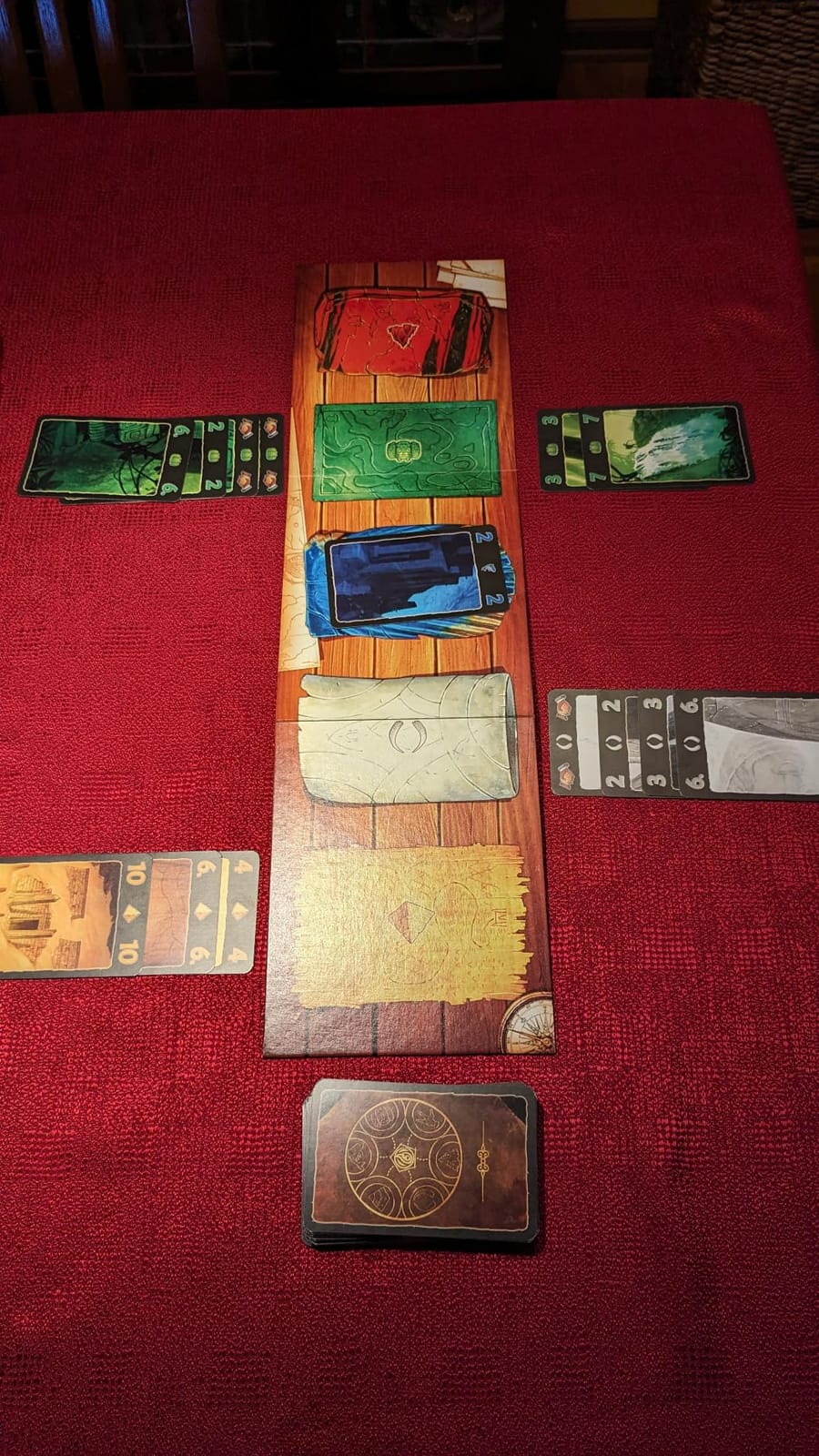
That single choice creates the whole tension. Laying a low card early keeps options open and reveals your suit; burying a card keeps your plan private but hands your opponent free points. The bundled 6th Expedition card set is treated as a meaningful upgrade to the base edition rather than a gimmick.
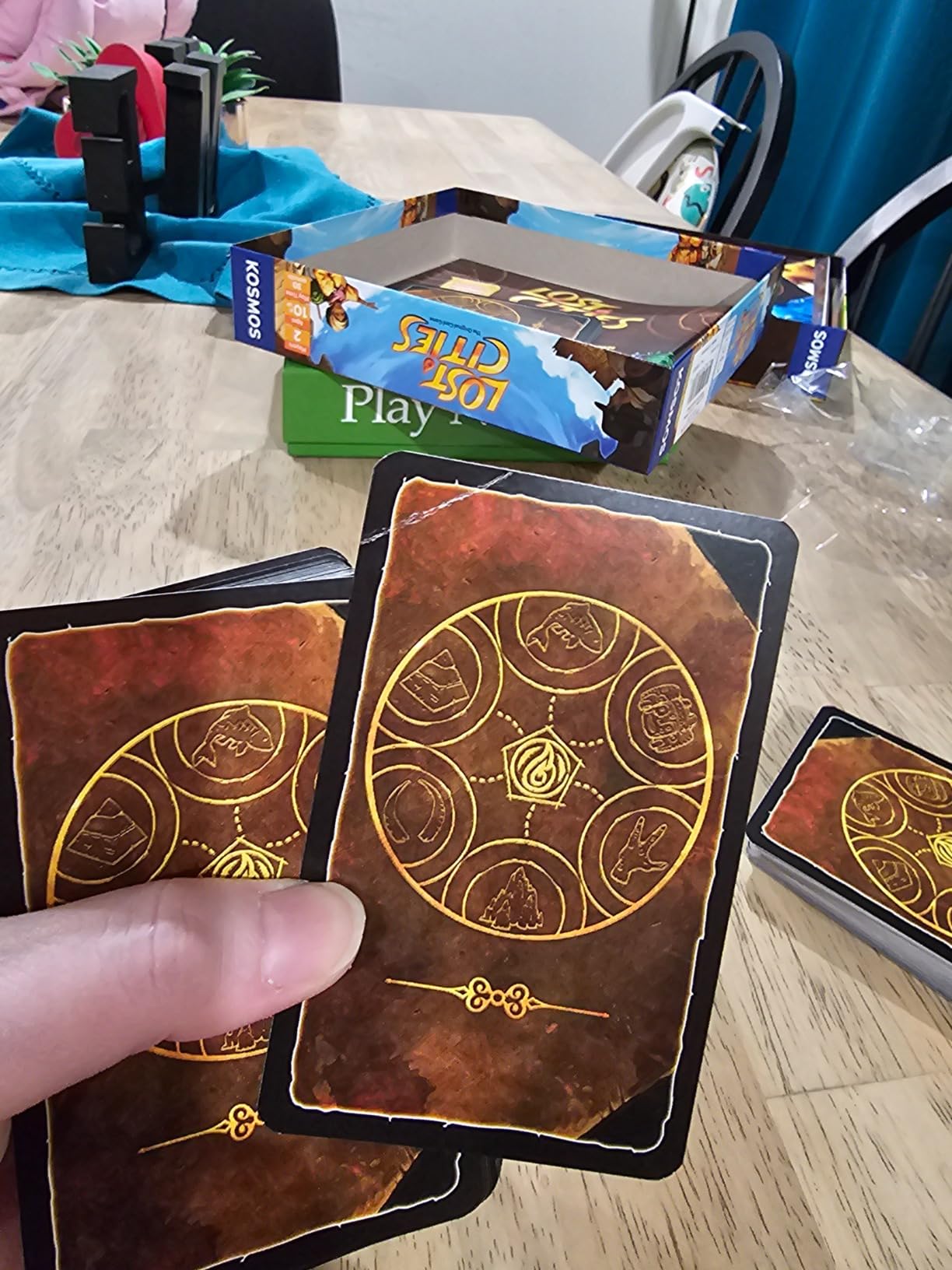
The box includes a two-sided board, so the same purchase supports both the classic layout and the newer edition. At 72 cards total, the deck is compact, the teach time is close to zero, and the whole thing is a reliable default for a spare half hour.
Who It Suits
It suits a pair who enjoy reading each other and want a game with real tension but no rulebook. It is a strong default for a mixed-skill pair because the bluffing is more about personality than rules recall.
It is also a good fit if you want a portable game that plays well in short bursts, since hands are quick and the deck never needs sorting out between rounds.
Where It Falls Down
The competitive opening phase frustrates less experienced players, who tend to commit their good cards too early and never recover. That makes it a slightly awkward first game for a genuinely new player, even though the rules themselves are simple.
Full game reviews are comparatively thin relative to the rating, so expect fewer community conventions to lean on when you get stuck. If you want a card game where the back-and-forth is louder, Jaipur gives you more live negotiation per minute.
9. Catan Rivals – The Two-Player Version of a Classic, With Real Caveats
- Delivers the Catan feel as a head-to-head card game
- Three theme sets each demand a different strategy
- Much less luck than the board game
- Highly portable with no board to set up
- Very difficult for newcomers without Catan experience
- Trading layer largely removed
- Rulebook out of order with mismatched icons
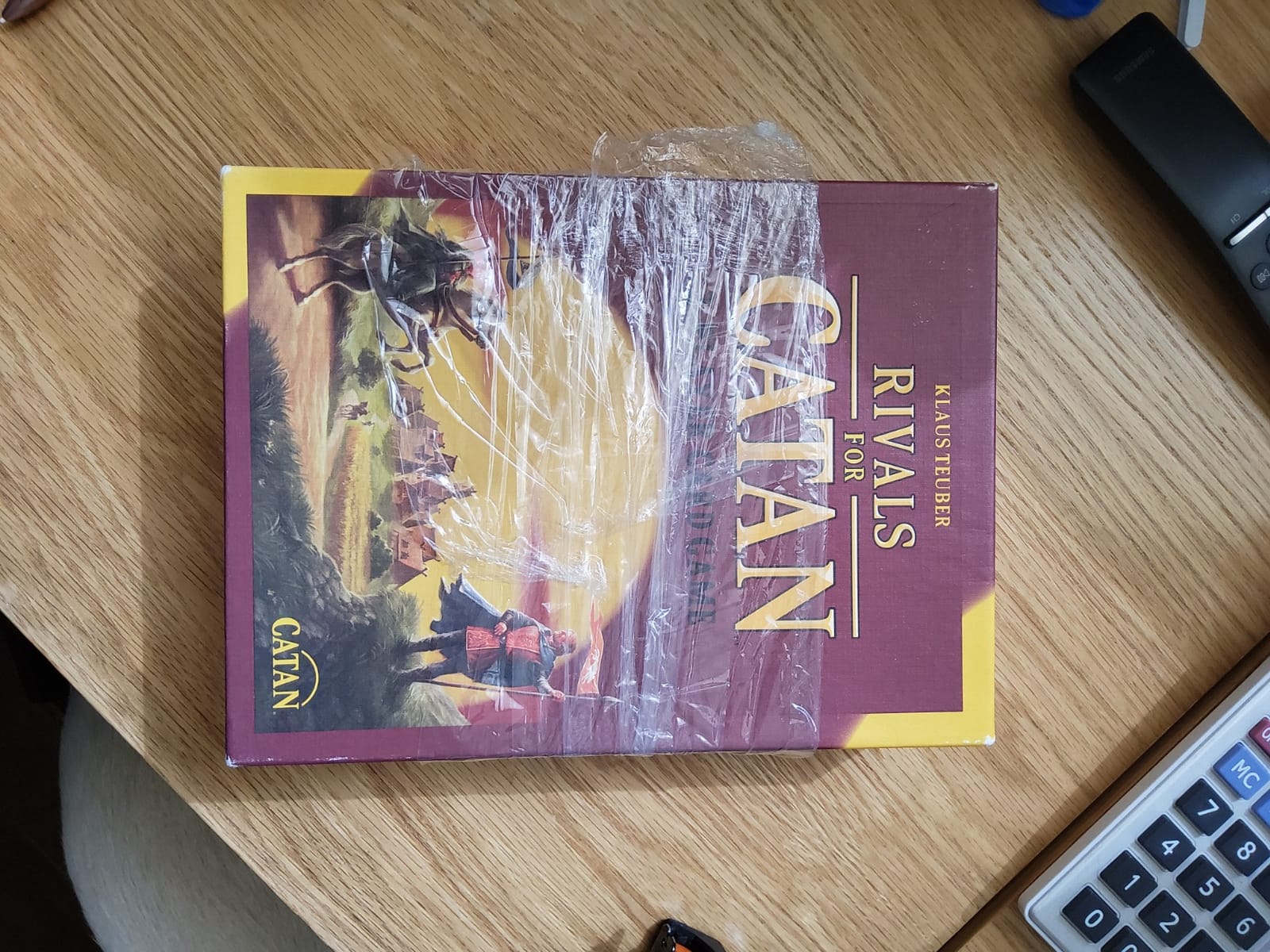
Catan Rivals takes the settlement-building, resource and dice tension of the original and rebuilds it as a head-to-head card game for two. You draw resource cards, play development and progress cards, and race to seven victory points against a single opponent.
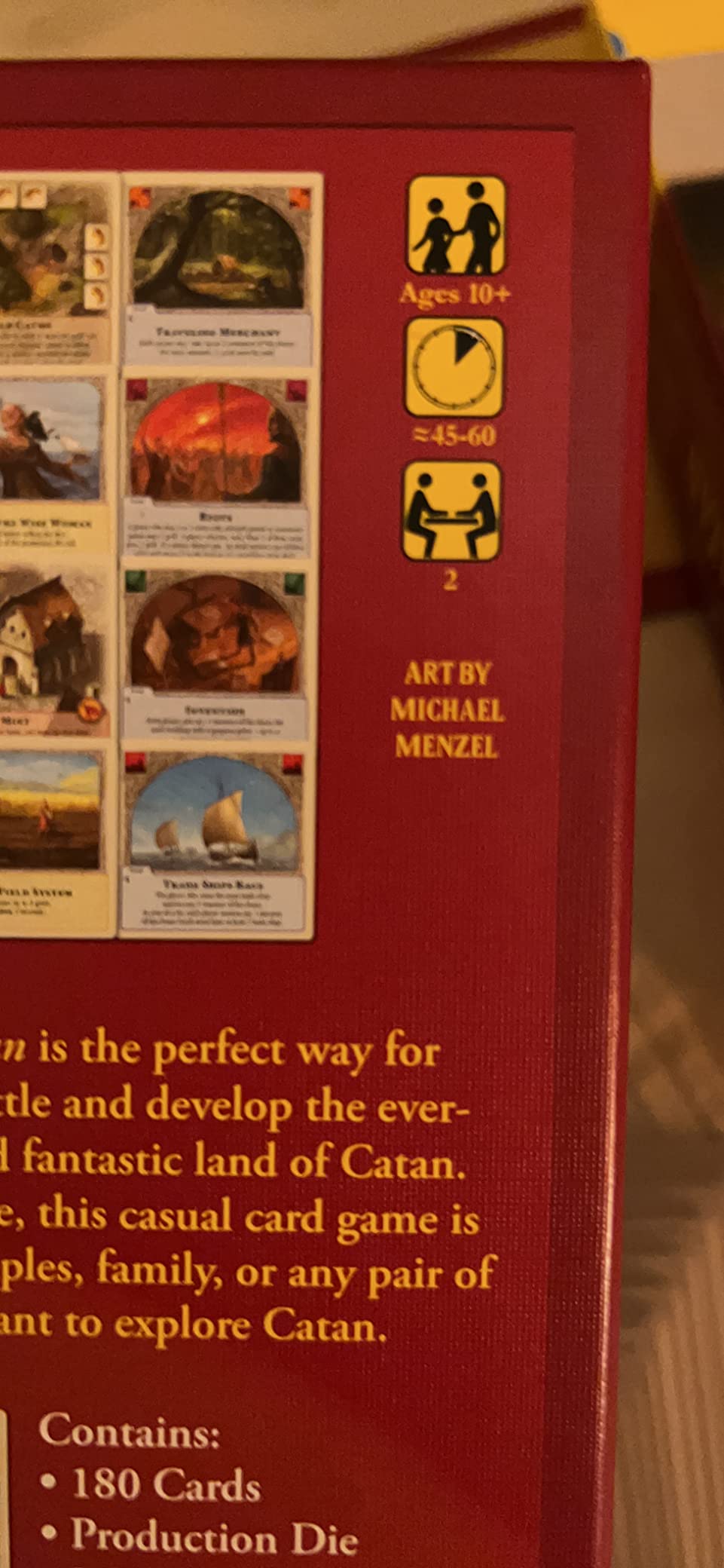
Data line: 2 players | listed at 45 to 60 minutes, often nearer 30 in practice | ages 10 and up | resource management card game.
Experienced Catan players rate it as roughly equal in depth to the original board game and often prefer it for two-person play, since there is no board to set up and no one to leave out. The luck component drops sharply, so smart planning outlasts dice rolls in a way the original never allows.
Three theme sets ship in the box, and each one shifts the optimal approach. Reviewers treat that variety as the standout feature, and it is the main reason the game still feels fresh after a dozen plays.
Who It Suits
This suits a household where one or both players already know Catan and want that specific texture. It is also a good pick for a pair who wants a longer session than the 30-minute engine-builders without the commitment of a campaign game.
Because the rules lean on knowledge rather than explanation, it works well with two older children or teens who have played the original. It also travels well, since there is no board to lose in a suitcase.
Where It Falls Down
Non-Catan players get warned off by the rulebook, which is described as out of order and referencing icons that differ from the current print run. Trading was largely removed, and Catan players notice the missing negotiation layer immediately.
Square cards are awkward to shuffle, and the box has no way to secure them, so expect pieces in your lap mid-game. Setup also needs more table space than a card game should, which matters if you play somewhere small.
10. Quarto Mini – A Forced-Placement Abstract That Fits in a Bag
- Very simple rules a beginner grasps immediately
- Opponent chooses the piece you must place
- Travel edition at about 70 percent of the original board
- Solid wooden pieces worth leaving on display
- Mini board feels tight in play
- Still benefits from a quick demonstration
Quarto looks like tic-tac-toe and plays like a logic puzzle. You need four in a row sharing one characteristic, and the twist that makes it work at two players is that your opponent chooses which piece you are forced to place.
Data line: 2 players | 20 minutes | ages 8 and up | forced-placement abstract on wood pieces.

That single reversal removes the luck of a normal placement game entirely. You are not deciding where to go, you are deciding how to survive a position someone else designed for you, and reviewers consistently name it as the element that turns a simple game into a genuine brain burner.
This Mini edition runs at roughly 70 percent of the original board, so it is built for travel rather than for competitive tournament play. The wooden pieces are good enough that owners leave the set out on a coffee table, and it is a Mensa Select winner for educational value.

Who It Suits
It suits a parent and child, a mixed-skill pair, and anyone who wants a thinking game that fits in a handbag. The rules are graspable in a sentence, which makes it a safe choice for a first game with a cautious player.
Because there is no chance element at all, it also works well with a partner who dislikes losing to luck. And since it finishes in about 20 minutes, several rounds fit into one evening.
Where It Falls Down
The Mini board is small enough that the play space feels tight, and some reviewers find it limits the tactical space compared with the full-size edition. It is a travel product, so if you have table to spare the larger board is the better game.
A rulebook is included but the game genuinely benefits from a two-minute demonstration, particularly for the characteristic-matching idea. If your partner wants a more tense adversarial experience, Mandala is the harder version of the same genre.
11. Targi – A Full Hour of Worker Placement and Negotiation for Two
- Gives a meaty 60 minute two-player session
- Tribe cards create clear goals and a scoring arc
- Includes a solo variant
- Intermediate skill level with real negotiation
- Aimed at ages 12 and up so less approachable for younger children
- Full review detail on the listing is limited
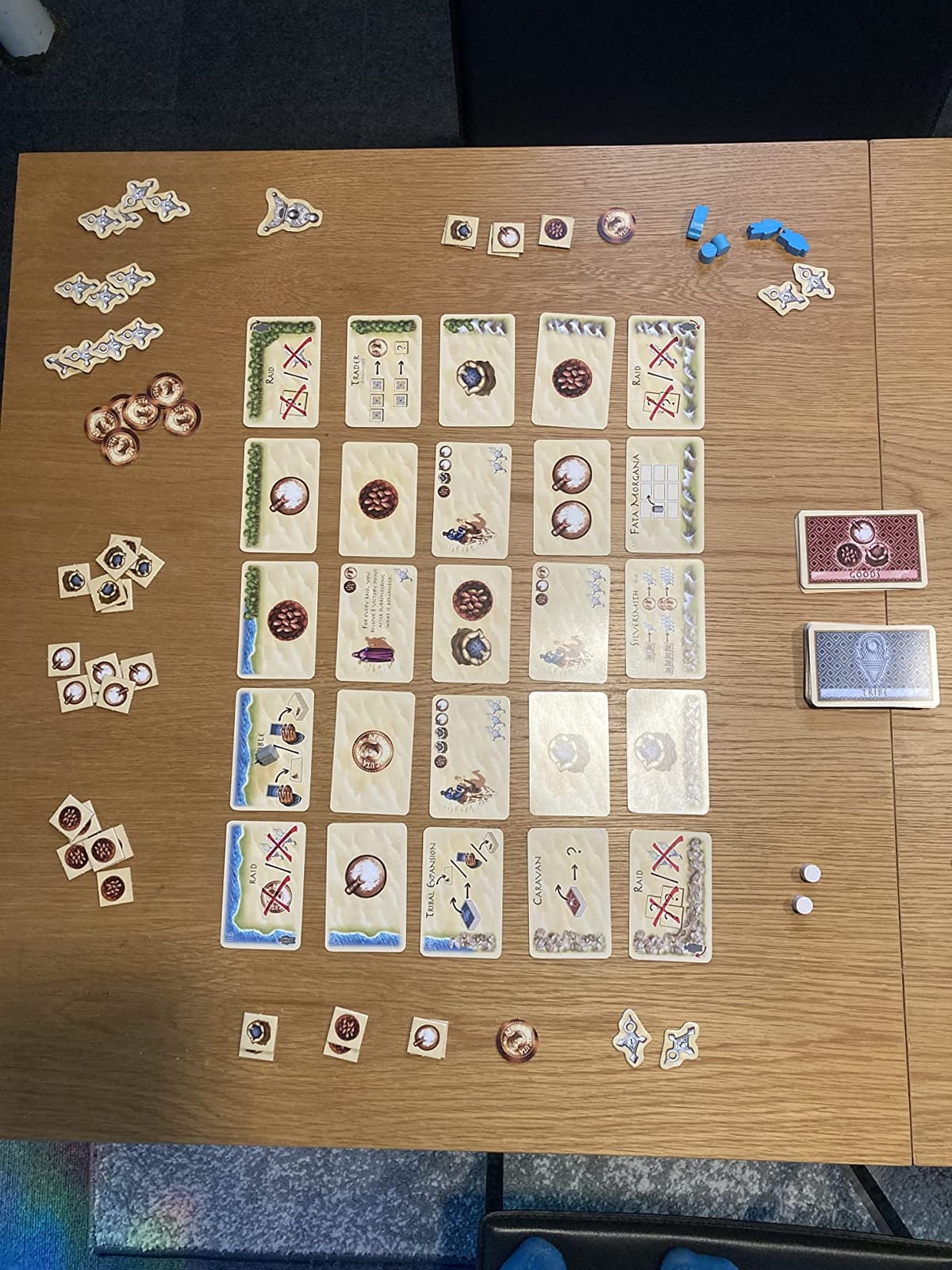
Targi is the longest real session in this guide, built around worker placement on a desert map plus an auction and negotiation layer. You place a tribe of your people, gather goods, and bid those goods against your opponent for the tribe cards that define your end-game goals.
Data line: 2 players | 60 minutes | ages 12 and up | worker placement with auction and negotiation.
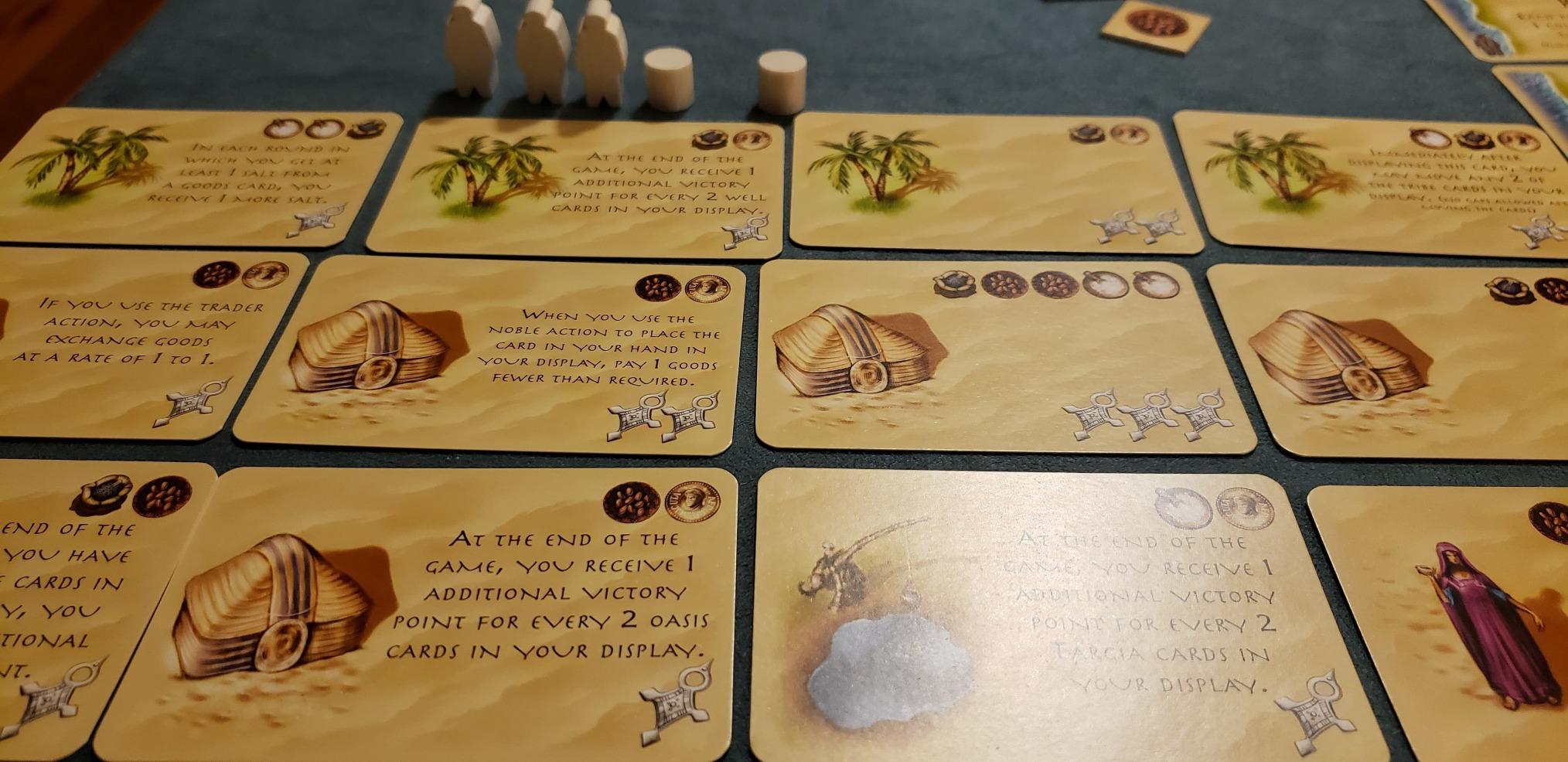
The negotiation layer is what separates it from other two-player worker placement games. Because you are directly bidding against one opponent rather than competing indirectly through a market, every turn has a face-to-face moment, which keeps downtime low even in a 60-minute game.
Tribe cards give both players a visible target arc rather than a vague points total, so a losing player can usually see exactly where the game turned. The box also includes a solo variant, which is unusual for a strictly two-player design and widens who can buy it.
Who It Suits
It suits a pair who find 30 minutes too short and want a proper sitting-down session. It works for two hobbyists, and for an older teenager who can handle an auction layer without needing it explained twice.
If your partner enjoys negotiation games, this is the strongest entry here. The direct bidding gives you something to talk about between turns rather than two people studying separate boards in silence.
Where It Falls Down
The age guidance of 12 and up makes it a poor fit for younger children or a partner who is new to modern strategy games, since the auction and combination scoring need a real teach. It is also the longest game here, which rules it out of a quick evening.
Full review detail on this listing is comparatively limited against the rating, so there is less community shorthand to lean on. Buyers who want certainty about long-term depth may prefer an engine-builder with a much larger body of player commentary.
12. Splendor Duel – Engine Building With Attacks and Steals
- Adds attacks
- steals and extra turns to the Splendor economy
- Three distinct win conditions
- Very easy to learn with a clean ruleset
- High quality cards
- board and gem tokens
- Cards are small and hard to read across a table
- Only two pearl gems included and considered a little strong
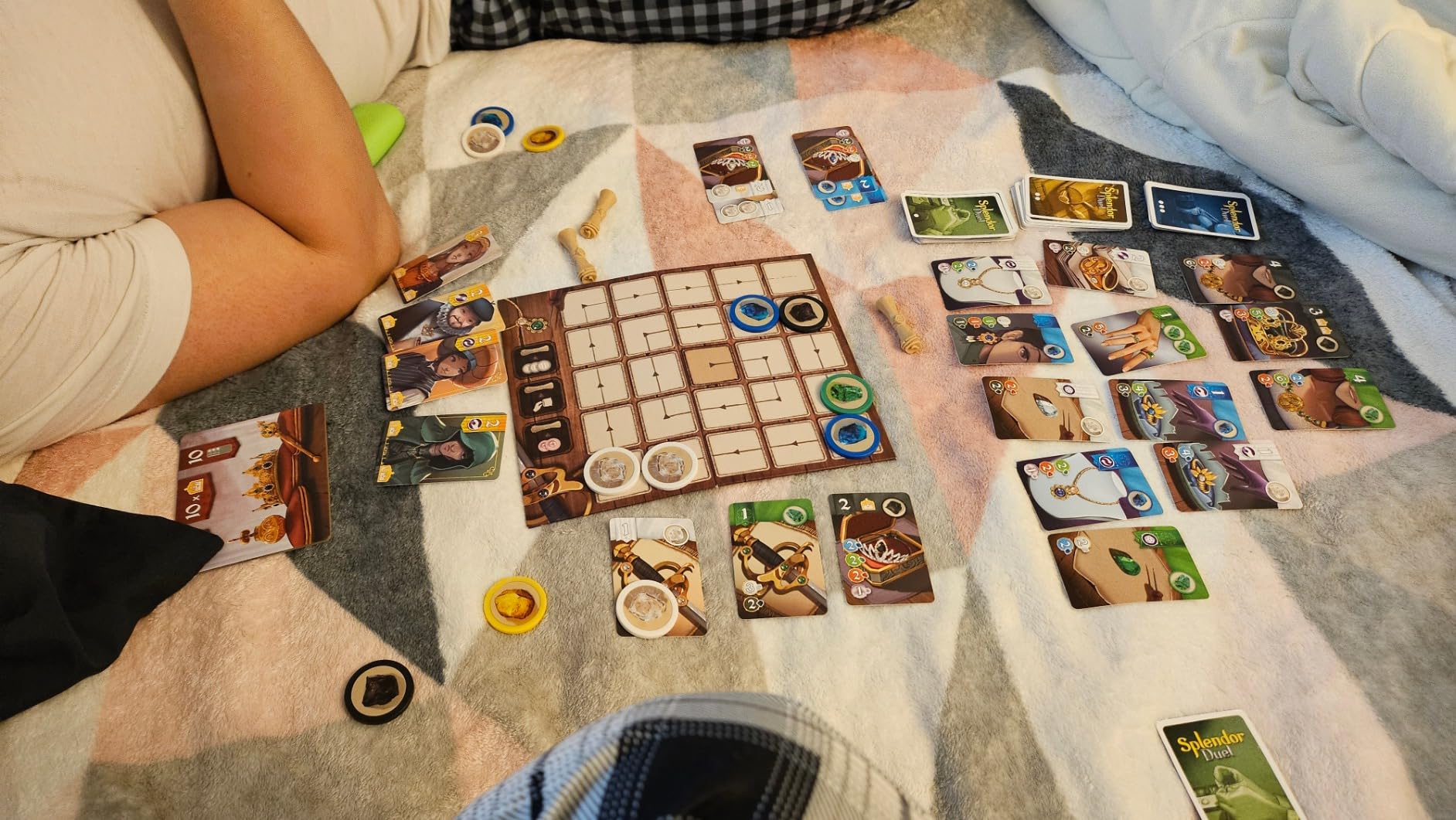
Splendor Duel keeps the gem collection and development-card engine of the original and adds the two-player features that were missing: the privilege scrolls that let you steal or take a gem outright, and a pearl that changes opening priorities. It turns a peaceful engine-builder into a scrappy contest.
Data line: 2 players | 30 minutes | ages 10 and up | set collection and engine building with direct attacks.
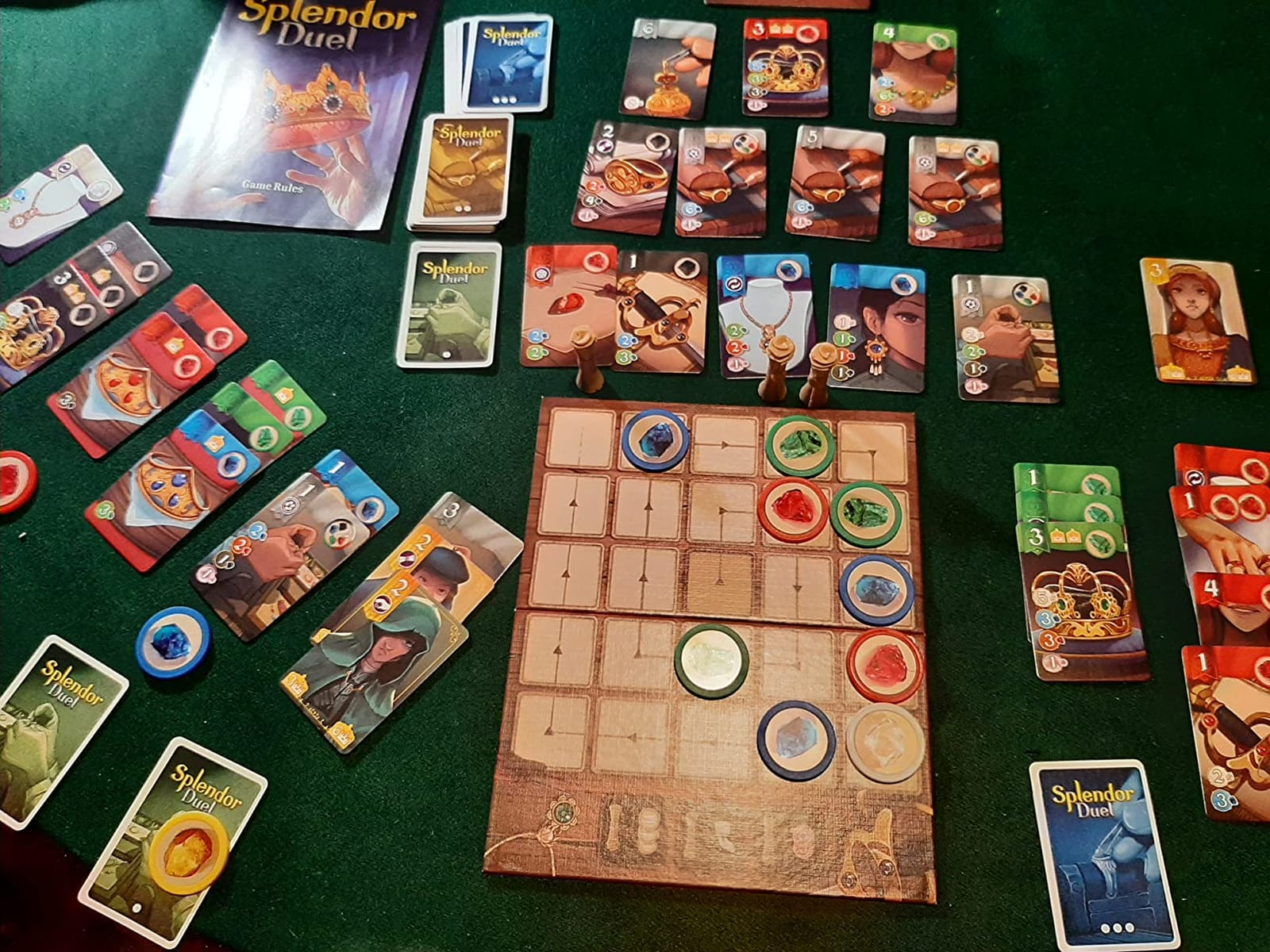
Owners of the base Splendor report that Duel is the version that finally works at the table for two, which is why it appears so often as a substitution recommendation. A BoardGameGeek poster described the difference directly: the base game is good with two players, but the duel offers a different experience that feels a little more like 7 Wonders Duel.
There are three win conditions, 20 points, ten in a single colour, or a Ten Crowns combination, so no single approach survives a whole campaign of rematches. The box includes 67 jewel cards, 25 plastic gem tokens, privilege scrolls and noble tiles in a compact footprint smaller than the original.
Who It Suits
It suits couples who both enjoy building something over a session and want friendly tension rather than open conflict. It is also a strong first engine-builder, because the rules are unusually clean for the genre and appeals to children as young as six.
Community repeat-play evidence is strong here, with the BGG thread showing Splendor Duel as the most frequently requested game in a household that already owned the four other consensus picks. That tells you it survives many plays.
Where It Falls Down
The near-universal complaint is card size. The cards are small and difficult to read across a table, and several buyers wish a full-size version existed. The included pearl gems are also only two, and reviewers consider them a little overpowered in the opening rounds.
Because it is an engine builder, the tension ramps slowly and the first ten minutes are quiet. If your partner wants immediate conflict, Fox in the Forest earlier in this list delivers that in a fraction of the time.
13. BOOP – Chain Reactions on a Quilted Bed Board
- Boop chain reactions turn every placement into a puzzle
- Quick to learn and rewards board control
- Adorable 32 piece wooden cat set
- Several rounds fit into one evening
- Age guidance is inconsistent across listings
- Smaller lineup with less long-term variety
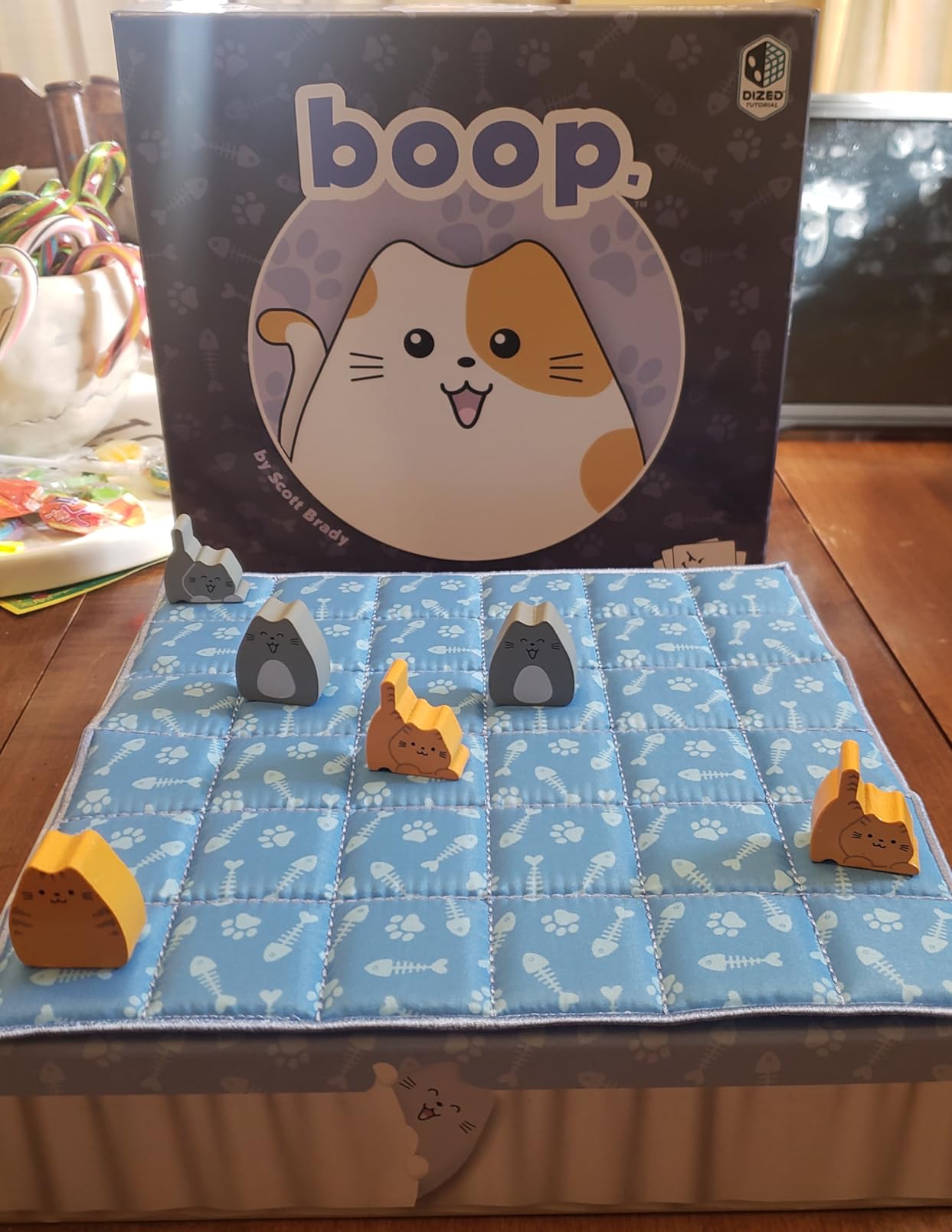
BOOP is area control with a chain reaction. You place a kitten on one of the coloured squares of the quilted board, then every cat adjacent to it gets booped one space along the row or column, which can push your own pieces off the board entirely.
Data line: 2 players | 20 to 30 minutes | manufacturer recommends ages 14 and up | area control with chain reactions.
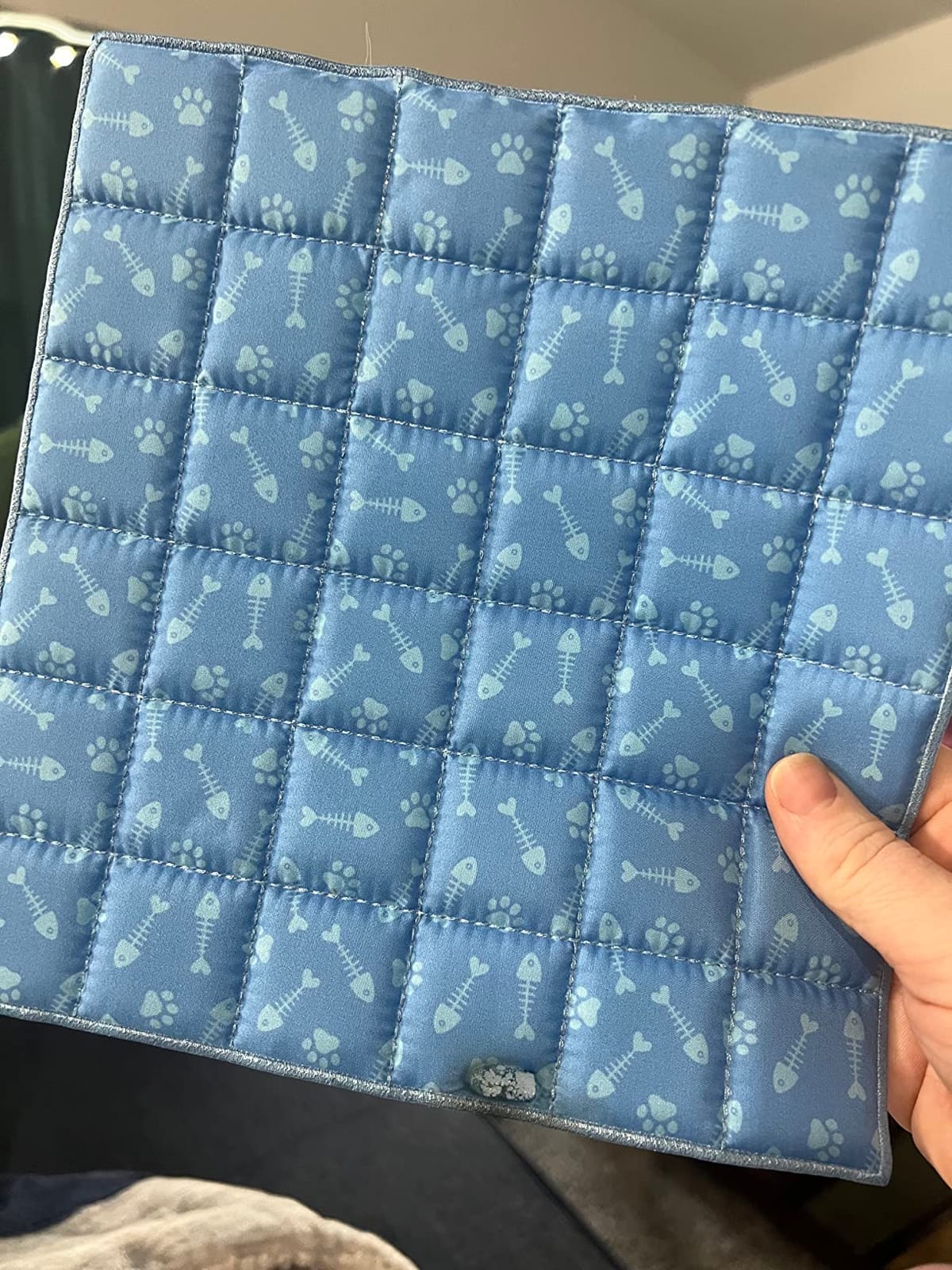
That knock-on effect is what reviewers point to most. A placement you thought was safe becomes a three-step chain that reshapes the board, and each turn is a small puzzle rather than a mechanical scoring step. Predicting the chain is the skill, and it reads well for players who enjoy looking one move ahead.
Component quality is repeatedly singled out as well above what the price would suggest, particularly the 32 wooden pieces and the quilted bed board. It is a light, family-friendly abstract that still gives both players genuine decisions.
Who It Suits
It suits a family playing with children over ten, and a couple who wants a game with a warm visual centrepiece rather than grey abstract components. It also works as a party game because it explains in a minute.
Because the board is small and pieces are chunky, it is easier to teach through demonstration than most games here. Reviewers note it is a comfortable fit for casual play and short attention spans.
Where It Falls Down
Age guidance is inconsistent across listings, showing 10 on the product and 14 from the manufacturer, which matters if you are buying for a specific child. The two-player lineup is also smaller than the big-box engine builders, so long-term variety runs out sooner.
It is lighter and less punishing than the competitive entries here, so a pair hunting for a real duel will find it gentle. Mandala offers a similar footprint with considerably more tension.
14. Mandala – A Deep, Deterministic Duel That Is Not Kind
- Cloth playmat and colourful cards give a premium feel
- Rules learned in under five minutes
- Two mandalas scored at once create constant tension
- Each suit grows more valuable over time
- Not a friendly game and can feel mean when losing
- Large square deck shuffles badly
- Strictly two player with no expansion
Mandala is two players building and destroying sand mandalas at the same time. You play coloured cards into your own field and into shared central mountains, and when a mandala fills with all six colours you choose colours to bank into your river and cup.
Data line: 2 players | 30 minutes | ages 10 and up | card play into two scoring areas, fully deterministic.
Who It Suits
It suits a competitive pair who want depth rather than theme, and reviewers regularly compare it favourably to Hanamikoji for its minimal system and unusually tense play. There is no luck at all, so every loss is a decision you can explain afterwards.
It is also a good fit for players who like denying their opponent options. The value of each colour shifts for each player as cards are scored, which makes bluffing and denial tactics central to every round.
Where It Falls Down
This is not a feel-good game, and several buyers specifically warn partners before buying it. The review summary is blunt: it is not a friendly or casual option and can feel mean and ruthless when you are on the losing end.
The 108 square cards do not shuffle well and need to be thoroughly mixed between games. It is also strictly two player with no path to three, so it is a narrower commitment than a multiplayer title that tolerates a pair.
15. Patchwork Americana – The Gentle, Low-Conflict Quilting Default
- Relaxed low-conflict play that suits mixed ages
- Americana art gives the familiar formula a fresh look
- Constant small decisions across patches buttons and time
- Satisfying chase on a visible shared time track
- Less competitive and less replayable than heavier titles
- Best experienced before the base Patchwork rules
Patchwork Americana is the Uwe Rosenberg quilting game in a new edition, with Americana art and components. You draft polyomino patches onto a 9×9 quilt board, place buttons for scoring, and share a single time track that both players pull from.
Data line: 2 players | 30 minutes | ages 8 and up | polyomino tile placement and time management.
Who It Suits
It suits couples and families who want a shared default game that does not create friction. Reviewers value it less for cutthroat tension and more for accessibility, noting that families and couples use it as a gentle default that still gives both players real decisions.
It works particularly well with a partner who is not a hobbyist, because the interface is pieces on a board rather than a rulebook. Ages 8 and up makes it one of the more family-friendly entries in the two-player category.
Where It Falls Down
It is less competitive and less replayable than the heavier strategy titles in this set, so a pair who wants a real duel will finish it faster. Reviewers recommend experiencing the base Patchwork rules before buying this edition, since the strategic core is identical.
The new art and components are cosmetic upgrades rather than a new system, so buyers who already own the original should spend their money elsewhere. Its 4.6 average also makes it one of the more universally approachable picks here rather than the sharpest.
What Makes a Board Game Actually Work at Two Players
Downtime is the big one. In a four-player game, one person quietly planning is invisible because three other people are doing the same. At two, it is a visible dead minute, and it is the most common reason couples quietly stop playing a game.
Catch-up mechanics cut the other way. A game that gives the trailing player extra resources is sensible at four and often unbalancing at two, because there is nobody for the leader to catch up to. The two-player versions of major drafting games were rebuilt for exactly this reason, not simply trimmed down.
Information asymmetry keeps both players planning during the same window. Games where one player studies a hand while the other idles force downtime, whereas hidden-information games like Lost Cities keep both people thinking in parallel even when only one is acting.
Turn economy is the fourth factor, and it is the one nobody measures. A 30-minute game with fifteen turns per player gives each player about a minute of agency, while a 60-minute game with eight turns each gives seven. Longer turns mean less silence, but they also mean a single bad decision costs more.
Finally, teachability. The single biggest adoption barrier in this category is the rules stage, not the strategy stage, which is why almost every game on this list can be running within ten minutes. A game nobody understands is a game that gets returned to the shelf.
How to Play a 3-6 Player Game With Only Two People
Most popular strategy games were not designed for a pair, and forcing one often produces a broken experience. Reddit users have asked directly whether rules should be adjusted for two-player Le Havre, and the honest answer is usually yes, with specific changes.
Start with the board area. Several board games specify a board sized for four or more players. Cutting the unused sections is usually harmless and sometimes essential, since extra open space can create neutral ground nobody wants.
Trim the deck next. Remove neutral filler cards and effects that only matter in a group. A trimmed deck reduces the dead turns that make a long game feel longer at two.
Remove catch-up and turn-order compensation. Take out any rule that hands the trailing player extra resources, and take out anything that gives the first player compensation for going first.
Scale the economy, not just the player count. Most broken two-player games are broken because there is simply more to do per turn, so halve starting resources and development tracks alongside the player count.
Check the tile draft. If players take turns choosing from a shared pool, a four-player draft often leaves nothing meaningful for the second player. Switch to alternating turns or deal from a reduced set.
Use the concrete worked examples the community shares. A Reddit r/boardgames user recommended simply playing Kingdomino on a 7×7 board instead of the standard 5×5 for two players, which fills the empty space without changing a single rule.
The Kingdomino example is the ideal template, because it fixes the problem at the board level instead of rewriting the system. When in doubt, adjust components and board size before you touch the rules, since rule edits are where balance usually breaks.
Best Two-Player Strategy Games for Couples and Non-Hobbyists
Two-player shopping splits into two genuinely different problems, and conflating them is why most roundups miss. A pair who both game wants depth, asymmetry and replayability. A pair with one non-hobbyist wants a game that is interesting rather than impressive.
For two hobbyists, 7 Wonders Duel is the anchor because its economy is built for exactly two opponents, and Hive or Mandala work if the preference is for pure tactical games with no luck. The depth ceiling for competitive two-player play sits with the heavier campaign titles rather than with a single duel.
For a mixed-skill pair, the priority flips to teach time. Jaipur, Onitama and Fox in the Forest all run inside a 30-minute session and need under ten minutes of explanation, which matches what the community says matters most. Mumsnet users, a distinctly non-hobbyist audience, gravitate to lighter and luck-forward titles such as Chromino, Carcassonne and Rummikub, which is a useful signal about how far from the hobby centre casual buyers sit.
If you are playing with children or teens rather than a partner, the same teachability logic applies with an age filter. Quarto Mini, Patchwork Americana and BOOP are rated for ages eight and up, while Onitama carries a manufacturer recommendation of 14. Our guides to the best board games for kids and to strategy board games for families cover that end in more detail.
For a shared family night rather than a head-to-head, our picks for family night board games and family board games cover the group formats. The short version for a pair: pick by teach time first, play time second, and depth last.
How to Choose: Weight, Play Time and Luck
Fix the play time before anything else. This is a hard filter, not a nice-to-have. A Facebook group thread specifically asked for two-player games that finish inside 30 minutes, and that single constraint removes half the category.
Then check game weight. BoardGameGeek rates complexity on a 1.00 to 5.00 scale. Under 2.0 teaches in minutes, 2.0 to 3.2 needs one guided game, and above 3.2 expects you to read a rulebook. The community consensus is that ease of teaching dominates almost every other consideration for casual pairs.
Decide how much luck you will tolerate. Zero-luck options such as Hive, Onitama and Mandala reward pure planning, while Jaipur, Lost Cities and Fox in the Forest add card variance. This is the decisive filter for a lot of buyers and nobody in the category talks about it clearly.
Choose a conflict style. Patchwork Americana and Quarto Mini are low-conflict and good for a relaxed evening. 7 Wonders Duel, Targi and Mandala create real tension, and reviewers warn specifically that Mandala can feel ruthless when you are losing.
Check whether expansions are expected. Hive needs its expansion sets for long-term variety, and colour-matched tiles can be hard to source. Splendor Duel and 7 Wonders Duel both work standalone.
Verify it is designed for two. Jaipur, Hive, Onitama and Mandala are strictly two player. Games built for three or more that merely tolerate two are the main source of disappointment in this category.
Frequently Asked Questions
What are some good 2 player strategy games?
7 Wonders Duel is the strongest all-round pick, with Patchwork Americana, Onitama, Jaipur and Splendor Duel close behind. Light picks include Jaipur, Onitama, Fox in the Forest and Quarto Mini, which all finish inside 30 minutes. Heavier options include Targi, Catan Rivals and Gloomhaven Jaws of the Lion.
Which game is best for 2 players?
7 Wonders Duel is the best overall two-player strategy board game, because its card drafting and resource economy were built for exactly two opponents rather than scaled down from a multiplayer design. It runs about 30 minutes, is rated 4.8 across more than 9700 reviews and needs one guided game before the pricing rules click.
What is the best co-op board game for two people?
Gloomhaven Jaws of the Lion is the best cooperative two-player option, with a standalone campaign, card-driven combat that removes dice randomness and a five-scenario tutorial that teaches the system as you play. It suits a pair with a long free evening rather than a quick session.
What are the best 2 player co-op games?
Gloomhaven Jaws of the Lion is the deepest cooperative option, with card-driven combat and a standalone campaign. It works with two or more players sharing decisions, so downtime is lower than in a competitive game. Expect long sessions and a heavy rules load rather than a quick evening.
What are some good 2-person board games for couples?
For couples who both enjoy thinking, 7 Wonders Duel and Splendor Duel give a complete 30-minute session. For a pair with one non-hobbyist, Jaipur, Onitama, Patchwork Americana and Fox in the Forest all teach in minutes and finish fast. A BoardGameGeek thread shows Splendor Duel as the most frequently requested repeat game in one such household.
Which 7 Wonders game is the best?
7 Wonders Duel is the best choice for two players. The base 7 Wonders is designed for three to five, so at two it leaves gaps on the board and long quiet turns. Its Cities, Leaders and Armada expansions require the base game rather than the Duel box, so check what you already own before planning around them.
Final Recommendation
Start with 7 Wonders Duel if both of you think for fun. It is the only title in this roundup whose economy was built for two opponents, and it delivers a full session in 30 minutes. If one of you is new to modern board games, open with Jaipur instead, and save 7 Wonders Duel for once the rules no longer intimidate. For a pair who wants an evening rather than a match, look at Gloomhaven Jaws of the Lion.
Whatever you pick, decide the play time first and the complexity second, then check whether it was drawn for two or merely tolerates two. That single check prevents almost every disappointment in this category.