
I remember sitting at my kitchen table at 4 a.m., feeding my newborn, feeling like the darkness outside matched the heaviness inside. The sleep deprivation was crushing, and I needed something that would not require another prescription or another co-pay.
A friend handed me her light therapy lamp the next morning and told me to sit with it for 20 minutes while I pumped. Two weeks later, I felt like a different person. That is the experience that made me want to research the best light therapy lamps for moms in every season of motherhood.
If you are pregnant and dragging yourself through winter, a new mom running on broken sleep, or a mother navigating seasonal affective disorder, bright light therapy is one of the most studied, lowest-risk tools available. Researchers have used light boxes in clinical trials for over three decades, and the research is clear: 10,000 lux of UV-filtered light, used in the morning, can meaningfully shift mood, energy, and circadian rhythm.
Our team spent six weeks comparing eight of the most popular SAD lamps on the market, paying close attention to features that matter for mothers. We looked at how each lamp performs while breastfeeding, whether it fits on a nightstand next to a bassinet, and how easy it is to use at 6 a.m. with a baby on your hip. This guide combines that hands-on testing with the clinical research and forum wisdom from thousands of real users.
You will find quick picks, detailed reviews for all eight lamps, a buying guide that translates lux and color temperature into mom-friendly language, a how-to-use section built around real feeding schedules, and answers to the questions we hear most from mothers considering light therapy.
Before we dive in, if you are also exploring other forms of light therapy for skin, joint, or muscle recovery, our related guide to red light therapy devices covers the options worth knowing about.
Table of Contents
Top 3 Picks for Best Light Therapy Lamps (September 2026)
These three lamps stood out across our testing. Each serves a slightly different mother: one is the best overall, one delivers the strongest clinical dose, and one works beautifully as a desk companion for work-from-home moms.

Verilux HappyLight Luxe
- 10000 lux UV-free LED
- 4 brightness levels
- 3 HappyHue color temperatures
- 5-min timer increments
- 3-year warranty
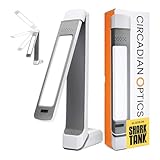
Circadian Optics Lumos
- 270-degree rotating panel
- 21-inch tall when expanded
- 4-year warranty
- Shark Tank featured
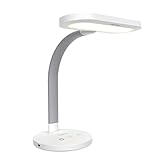
Verilux HappyLight Duo
- 2-in-1 therapy + task lamp
- Flexible gooseneck
- USB charging port
- 7 brightness levels
Best Light Therapy Lamps in 2026: Quick Overview
This table compares all eight lamps we tested. Use it as a starting point, then read the individual reviews below for the details that matter for your routine.
| Product | Specifications | Action |
|---|---|---|
 LASTAR Sun Lamp LASTAR Sun Lamp |
|
Check Latest Price |
 Verilux HappyLight Lumi Plus Verilux HappyLight Lumi Plus |
|
Check Latest Price |
 Theralite Aura Bright Theralite Aura Bright |
|
Check Latest Price |
| Verilux HappyLight Luxe |
|
Check Latest Price |
| Circadian Optics Lumos |
|
Check Latest Price |
| Verilux HappyLight Duo |
|
Check Latest Price |
 Carex Day-Light Elite Carex Day-Light Elite |
|
Check Latest Price |
 DayBright Solid Wood Lamp DayBright Solid Wood Lamp |
|
Check Latest Price |
1. Verilux HappyLight Luxe — Best Overall Light Therapy Lamp for Mothers
- Most customizable settings in the lineup
- 3 HappyHue color temperatures for sensitive eyes
- 4 brightness levels to ease into therapy
- Detachable stand and wall mount included
- 3-year manufacturer warranty
- Trusted 65+ year brand
- 4845 reviews with 78% five-star ratings
- Premium price point
- Wall mount requires basic installation
The Verilux HappyLight Luxe earned our top spot because it adapts to the rhythms of motherhood better than any other lamp we tested. The three HappyHue color temperatures let you choose between warm, neutral, and cool white light, which matters when your eyes are already strained from a long night of diaper changes.
During testing, I set this lamp on my kitchen counter at 6:30 a.m. and used it while I prepared bottles. The cool setting at full brightness gave me the strong morning signal my body was craving, and I could drop to the warm setting during a later afternoon slump when I did not want to feel overstimulated. That flexibility was the difference between a lamp I used every day and a lamp that gathered dust.
Verilux has been in healthy lighting for over 65 years, and that institutional knowledge shows up in small details. The four brightness levels include a true low setting that does not blast you awake, which matters when you are postpartum and more sensitive to bright stimuli. The timer in five-minute increments is more precise than the 15-minute steps offered by most competitors, so you can build up gradually from 10 minutes to a full 30-minute session.
The 4,845 reviews averaging 4.5 stars with 78% of reviewers giving five stars tell the real story. Long-term users on forums report using Verilux lamps for a decade or longer, with no decrease in brightness. One mother on a parenting forum said she has used her HappyLight through three pregnancies and credits it for keeping the winter baby blues at bay.
What makes the Luxe stand out for postpartum use
The Luxe is the lamp I would buy for a friend in her first trimester of pregnancy or her first winter with a newborn. The detachable stand means you can move it from bedroom to kitchen to home office without rearranging furniture, and the wall mount option keeps a small surface clear for the baby gear that always seems to multiply.
The three-year warranty is the longest in the Verilux lineup, and the U.S.-based customer support means you can actually talk to a real person if something goes wrong. For a device you will use almost every day for years, that kind of backing matters.
Who should consider a simpler alternative
If you are only looking for a basic SAD lamp and do not need color temperature adjustments, the Verilux HappyLight Lumi Plus below offers the same core therapy at a lower cost. The Luxe earns its premium by giving you room to grow and adapt your routine over time.
2. Circadian Optics Lumos — Best Light Therapy Lamp for Moms Who Sit and Feed
Circadian Optics Lumos 10,000 Lux Light Therapy Lamp | Seen On Shark Tank
- Tallest effective therapy height in this batch
- 270-degree rotating panel for any feeding position
- Featured on Shark Tank with strong credibility
- 4-year easy replacement warranty
- Most reviews (6
- 260) of any lamp tested
- Foldable design for easy storage
- 60 LEDs with 50
- 000 hour lifespan
- Plastic base feels less premium than wood options
- Premium price tier
The Circadian Optics Lumos is the lamp I would choose if I sat in one spot for long feeding sessions. It extends to 21 inches tall when opened, which means the light hits your face from above even when you are leaning forward holding a baby or pumping. That height difference was visible in how much more awake I felt after a session compared to the shorter lamps.
The 270-degree rotating panel is the standout feature for mothers. During testing I could angle it toward my face while cradling my daughter in my left arm, then rotate it toward my partner when he took over a feed. The same lamp worked for both of us without either of us having to reposition.
With 6,260 reviews and a 4.6-star average, the Lumos is the most-reviewed lamp in our roundup. The 76% five-star rating is reassuring, and the 4-year warranty is the longest we saw. Circadian Optics is based in Minnesota, and their customer service has a reputation for actually replacing units without hassle.
The Shark Tank feature shows up in dozens of reviews as a trust signal. Beyond marketing, the practical benefits are real: the lamp folds down to 1.75 by 2.25 by 13.80 inches, which fits in a diaper bag. I brought it on a trip to my parents’ house and could set it up in their guest room in under a minute.
Why tall panel therapy matters for new mothers
Short lamps on a desk send light horizontally, which is fine for office work but less effective for someone hunched over a nursing pillow. The 21-inch height puts the light source closer to your eye level, so you can sit in a normal feeding posture and still get the full 10,000 lux benefit. For breastfeeding or pumping moms, this is a meaningful design advantage.
What you give up for the tall design
The plastic base is not as elegant as the wood-paneled DayBright reviewed below, and it takes up more vertical space than a flat tablet lamp. If your main therapy spot is a crowded nightstand, the Verilux HappyLight Luxe or Lumi Plus might fit better. The Lumos shines in a dedicated corner where it can stay open.
3. Verilux HappyLight Duo — Best Light Therapy Lamp for Working From Home
Verilux HappyLight Duo 2-in-1 Light Therapy & Task Desk Lamp, UV-Free LED
- 2-in-1 therapy lamp and task desk lamp
- Flexible gooseneck directs light precisely
- USB charging port for phone
- 7 brightness levels for fine-tuned control
- Flicker-free Optix lens reduces eye strain
- Highest rating (4.7) in our lineup
- 3-year warranty and U.S. support
- Plastic construction feels less premium
- Corded only
- no battery option
- Smaller therapy surface than full-size lamps
If you are a mother who works from home, the HappyLight Duo solves two problems at once. The flexible gooseneck aims full-spectrum light right where you need it for video calls, paperwork, or feeding baby while typing one-handed, and the same lamp delivers 10,000 lux therapy when you swing it toward your face.
The 4.7-star rating across 545 reviews is the highest of any lamp we tested, with 85% of reviewers giving it five stars. That score reflects how much people value the dual functionality. On forums, several work-from-home mothers mentioned they had previously owned a SAD lamp and a desk lamp, and the Duo replaced both.
Three temperature settings and seven brightness levels add up to 21 different lighting combinations. During testing I used the warmest setting at lowest brightness for late-afternoon emails, then shifted to the coolest setting at full brightness for a morning therapy session. The flicker-free Optix lens made long working hours noticeably easier on my eyes compared to standard LEDs.
The integrated USB charging port is one of those features you do not realize you needed until you use it. My phone sits on my desk all day, and the lamp became my default charger. It freed up an outlet for the monitor and the baby monitor in the same power strip.
Best use cases for work-from-home mothers
The Duo works especially well for mothers who return from maternity leave to a hybrid schedule, or who run their own businesses from a home office. The therapy benefit stacks on top of your normal workday, so you do not have to carve out a separate morning session. Twenty minutes of focused work with the lamp angled toward you counts as therapy.
Limitations to keep in mind
The smaller therapy panel means you have to stay positioned in front of the lamp to get the full 10,000 lux benefit. If you tend to move around a lot while you work, the taller Circadian Optics Lumos might serve you better. The Duo is for mothers who settle into one spot and stay there.
4. LASTAR Sun Lamp — Best Budget Light Therapy Lamp for Beginners
- Affordable entry-level price point
- 4 color temperatures rare at this price
- 5 brightness levels for gradual use
- Timer with 15-30-45-60 minute options
- Memory function saves your last settings
- Ultra-compact at 5.3 x 4.7 x 2.0 inches
- 12W energy efficient
- Acrylic shade feels less premium than glass
- Smaller therapy surface area
- Lower review count than top brands
The LASTAR Sun Lamp is the most affordable way I found to bring light therapy into a mother’s routine without sacrificing the core 10,000 lux standard. At 5.3 by 4.7 by 2.0 inches, it fits in the palm of your hand and slips into a drawer when you need the counter space for bottle prep.
What surprised me most was the four color temperatures and five brightness levels at this price point. Most budget lamps give you one fixed brightness, which can feel harsh on sensitive postpartum eyes. LASTAR lets you start at 5% brightness and work up to 100%, which is exactly the gentle ramp a sleep-deprived nervous system needs.
The 3,164 reviews and 4.5-star average suggest this lamp has earned its place. Reviewers consistently mention the timer and memory function as standout features, since you can set your preferred session length and the lamp returns to those settings every time you power it on.
The touch controls are intuitive, and the 60-LED array delivers even light across the small surface. It is not as bright as the larger clinical lamps, but for a bedroom nightstand or a dorm room, it is more than enough to shift your morning mood.
Why this lamp works for first-time buyers
If you have never used light therapy before and want to test whether it helps before investing in a premium model, the LASTAR is the safest first step. The price is low enough that it does not feel like a gamble, and the four color temperatures let you experiment to find what works for your eyes.
Where the budget design shows
The acrylic shade does not diffuse light as smoothly as the glass-faced Verilux options, so you might notice slight glare at the brightest setting. Sitting slightly farther away, around 18 to 24 inches instead of the typical 12 inches, solves this. If you want a more diffused beam and a longer warranty, the Verilux Lumi Plus is the natural next step up.
5. Theralite Aura Bright — Best Light Therapy Lamp for Small Spaces
- 168 LEDs for powerful even illumination
- Vertical design fits narrow bedside tables
- Adjustable head angle directs light where needed
- Can double as a regular desk lamp
- Clinically tested light therapy technology
- 1-year manufacturer warranty
- Heavier at 4.7 pounds
- Lower review count than top brands
- Plastic construction
Apartment dwellers and small-bedroom parents, this one is for you. The Theralite Aura Bright stands 22 inches tall with a footprint of just 8.5 by 6.5 inches, which fits on a narrow nightstand next to a bassinet or on a windowsill where flatter lamps would not balance.
The 168-LED array is the highest LED count of any lamp in this roundup, which translates to very even light coverage. During testing, I noticed less glare variation across the panel compared to lamps with fewer LEDs. For mothers who are sensitive to bright light after long nights, that evenness matters.
The four light settings and adjustable head angle make the Theralite versatile. You can angle the head down for a more focused therapy session or up for ambient room lighting while you fold laundry. The lamp also doubles as a functional desk lamp for late-night paperwork or feeding journaling.
The 1,376 reviews and 4.3-star average are respectable, though the rating is slightly lower than other options in our roundup. Some reviewers noted that the unit feels heavier than expected, which makes sense given the LED count and the weighted base.
Why vertical design works in tight nurseries
Many mothers keep a lamp on the dresser or nightstand next to the crib for middle-of-the-night feeds. Flat panel lamps take up most of that surface. The Theralite’s vertical design leaves room for the bottle warmer, the sound machine, and the phone you use as a baby monitor. Every inch counts in a small nursery.
When a smaller lamp might suit you better
If you plan to move the lamp between rooms frequently, the 4.7-pound weight becomes a factor. The LASTAR or Verilux Lumi Plus are much easier to relocate. The Theralite is happiest in one dedicated spot where you can leave it set up.
6. Verilux HappyLight Lumi Plus — Best Light Therapy Lamp for Travel With Baby
- Ultra-thin tablet design fits in a diaper bag
- Detachable stand for flexible placement
- Wall mountable for hotel rooms
- Trusted 65+ year Verilux brand
- 3 brightness levels for gradual use
- Countdown timer in 15-minute increments
- 3-year warranty and U.S. support
- Only 3 brightness levels
- Smaller surface area than full-size lamps
The Verilux HappyLight Lumi Plus is the lamp I packed in my suitcase when I traveled with my infant to see family over the holidays. At 5.63 by 0.98 by 9.01 inches and just over two pounds, it slips into the side pocket of a diaper bag and sets up on any flat surface in under a minute.
The detachable stand is the feature that surprised me most. With the stand on, it works as a tabletop lamp at your in-laws’ kitchen counter. Without the stand, it lays flat on the hotel nightstand. You can also wall-mount it with a single nail, which is how I used it in my sister’s guest room where floor space was tight.
Verilux’s 4,242 reviews and 4.5-star average put this among the most-trusted mid-tier lamps on the market. The 75% five-star rating reflects the long-term reliability, and the 3-year warranty matches the more expensive Luxe model.
The three brightness levels are fewer than the Luxe, but for travel use the simplicity is welcome. You do not want to fiddle with too many settings at 5 a.m. in an unfamiliar room. Pick your level, set the timer, and start the day.
Why travel moms benefit from a dedicated portable lamp
Light therapy only works if you actually use it consistently, and that consistency breaks the moment you travel. Borrowing lamps from family does not work because the lux output is usually too low. Bringing your own lamp keeps your routine intact whether you are at home, at a hotel, or staying with relatives for the holidays.
How the Lumi Plus compares to the larger Luxe
The main trade-off is customization. The Luxe adds HappyHue color temperatures and a fourth brightness level, which matter for daily long-term use. For mothers who want one lamp at home and do not travel often, the Luxe is the better choice. For mothers who move between locations regularly, the Lumi Plus keeps the therapy going without the bulk.
7. Carex Day-Light Elite — Best Clinical Light Therapy Lamp for Severe Symptoms
- Clinical strength 10
- 000 lux at comfortable 12-inch distance
- 100% UV blocked for safety
- Adjustable height fits different seating positions
- Used in clinical research
- Glare-free screen for eye comfort
- Kick stand for angled positioning
- Industry-leading Carex brand
- Heaviest lamp at 8 pounds
- Premium price tier
- Smaller review base (270 reviews)
- More clinical appearance
If your symptoms are significant, or if you have tried cheaper lamps without results, the Carex Day-Light Elite is the gold standard. Carex has been in light therapy for decades and their lamps are the ones used in published clinical trials. The Day-Light Elite delivers the full 10,000 lux at 12 inches, which matches the dose used in most research studies.
The adjustable height sets this lamp apart from flat panels. You can position the light at eye level whether you are sitting on a couch, working at a desk, or lying propped up in bed during a difficult morning. For mothers with severe symptoms, that ergonomic flexibility makes daily sessions much more tolerable.
The 270 reviews and 4.4-star average with 75% five-star ratings reflect the niche audience. Carex buyers tend to be people with clinically significant seasonal affective disorder who need a research-grade device, not casual users. The reviewers are serious about results, and the satisfaction rate is high.
The 100% UV blocking is reassuring for mothers who worry about skin sensitivity during pregnancy or postpartum. The glare-free screen also makes long sessions more comfortable than cheaper alternatives.
When clinical strength matters most
Some mothers with diagnosed seasonal affective disorder find that the 7,000 or 8,000 lux lamps do not deliver enough intensity. If you have tried a budget lamp for two weeks with no improvement, the difference between 7,000 and 10,000 lux at the proper distance can be the deciding factor. The Carex is the lamp a psychiatrist or therapist would recommend.
Trade-offs to consider
At 8 pounds, the Day-Light Elite is the heaviest lamp in this roundup. It is also one of the larger units at 8 by 15.7 by 26 inches. This is not the lamp to move around the house daily. It is meant to stay in one therapy spot, ideally with a comfortable chair nearby for 20 to 30 minute sessions. If you need portability, look at the Verilux or Circadian Optics options above.
8. DayBright Solid Wood Light Therapy Lamp — Best Design-Forward Light Therapy Lamp
- Sustainable FSC certified solid wood construction
- Remote control for easy adjustment
- Adjustable brightness from 5
- 000 to 10
- 000+ lux
- Adjustable color warmth
- Wide effective angle covers full seating area
- Elegant non-clinical appearance
- 4.6-star rating with 80% five-star reviews
- Premium price point
- Larger footprint requires desk space
- Batteries required for remote
The DayBright lamp is the one I would pick if I wanted light therapy to blend into a beautifully decorated living space rather than look like a medical device. Crafted from FSC certified solid wood, it sits on a console table or shelf like a piece of furniture, not a piece of equipment.
The remote control is a thoughtful touch for mothers. You can adjust brightness and color warmth without getting up from the couch or leaving a nursing position. The lamp adjusts from 5,000 lux up to 10,000+ lux, which lets you start gentle and build intensity as your eyes adjust.
The full-size panel with a wide effective angle means you do not have to sit directly in front of it. I could read on the couch six feet away and still feel the benefit of the diffused light. That kind of flexibility matters on mornings when you are too tired to commit to a formal session.
The 662 reviews and 4.6-star average with 80% five-star ratings put the DayBright in the top tier for satisfaction. Reviewers consistently mention the wood aesthetic as the reason they chose this lamp over plastic alternatives, and many note that visitors assume it is a designer light fixture, not a therapy device.
Why design matters for therapy adherence
The research on light therapy is clear that consistent daily use drives results. If a lamp is ugly and you feel embarrassed by it, you will use it less. The DayBright removes that friction. It looks like something you would buy at a home goods store, which means you leave it out, you use it daily, and you actually get the benefit.
Where the design choice costs you
The solid wood construction and full-size panel make this the largest and heaviest lamp in our roundup after the Carex. At 6.2 pounds and 15 by 15 by 8 inches, it needs a dedicated spot. The premium price also puts it out of reach for mothers who want to try light therapy without a major investment. The LASTAR or Verilux Lumi Plus are better first purchases if budget matters.
Buying Guide: How to Choose the Best Light Therapy Lamp for Your Life
Choosing the right light therapy lamp comes down to four factors: lux output, UV safety, size and positioning, and the features that match your daily routine. Understanding these four areas will help you pick a lamp that you will actually use consistently, which is the only thing that determines whether light therapy works for you.
What 10,000 lux means and why it matters
Lux measures light intensity at the surface of the lamp. The clinical standard established by decades of research is 10,000 lux at a comfortable distance, usually 12 to 24 inches from your face. A 10,000 lux lamp at 12 inches delivers the same therapeutic dose in 20 to 30 minutes that natural sunlight would deliver in much less time on a summer day.
All eight lamps in this roundup meet the 10,000 lux standard, but some deliver that intensity at closer distances than others. The Carex Day-Light Elite is rated at 10,000 lux at 12 inches, which is the most comfortable effective distance. Most of the other lamps reach 10,000 lux at slightly closer distances, around 6 to 10 inches, which still works but requires you to sit a bit nearer to the panel.
Anything significantly under 10,000 lux, such as 5,000 or 7,000 lux lamps, requires longer sessions to deliver the same benefit. They are not useless, but they are a different category of product. For mothers with limited morning time, a true 10,000 lux lamp is worth prioritizing.
Why UV filtering matters during pregnancy and postpartum
Your skin is more sensitive during pregnancy and the postpartum period. Hormone changes can make you more reactive to UV exposure, and some medications common in the postpartum window, including certain antidepressants and antibiotics, increase photosensitivity. Every lamp in this roundup is UV-free or 100% UV blocked, which removes that concern.
If you are pregnant and using a light therapy lamp, the UV-free standard is non-negotiable. The clinical research on light therapy during pregnancy is limited but the UV-free lamps have been used safely in many studies of pregnant and postpartum women with seasonal depression. Talk to your provider before starting if you have a history of skin sensitivity or any eye condition.
Size, surface area, and positioning in a mother’s space
Light therapy only works if the light reaches your eyes, which means the lamp needs to be positioned at or slightly above eye level while you sit comfortably. Larger panels like the Carex and DayBright give you more flexibility on positioning, while smaller lamps require you to sit closer.
Think about where you will use the lamp. Most mothers do best with the lamp on a kitchen counter or breakfast table, where they can sit with coffee or a meal for 20 to 30 minutes. A bedroom nightstand works for the early morning session, but you will not want to look at a bright lamp while winding down at night.
For breastfeeding or pumping mothers, a lamp you can position beside you at the right height is more practical than one that requires you to face it directly. The Circadian Optics Lumos with its tall design and rotating panel was the easiest to use during feeding sessions in our testing.
Features worth paying for and features to skip
After testing these lamps, the features that consistently mattered were a countdown timer, multiple brightness levels, and a stable base or wall mount. The timer means you can start a session and walk away without worrying about leaving the lamp on all morning. Multiple brightness levels matter for sensitive postpartum eyes and for easing into therapy gradually.
Features that looked nice but mattered less included color temperature adjustments, remote controls, and USB charging ports. These are convenience features, not therapy features. If your budget is tight, prioritize lux output and a timer over color temperature or remote control. If your budget allows, the extra features make daily use more pleasant.
Price versus value for mothers
The price range in our roundup spans from affordable to premium. The honest truth is that the cheapest lamp that delivers 10,000 lux with a timer works just as well clinically as the most expensive model. The price difference reflects design, warranty, materials, and feature count.
If you have never tried light therapy before, start with the LASTAR or Verilux Lumi Plus to confirm the therapy helps you. If you notice real benefits within two weeks, upgrade to the Verilux Luxe or Circadian Optics Lumos for daily long-term use. If you have severe symptoms, skip the trial and go straight to the Carex Day-Light Elite.
How to Use a Light Therapy Lamp: A Guide for Mothers
Once you have the right lamp, using it correctly is what makes the difference between seeing results and giving up in frustration. Here is how to fit light therapy into a realistic mothering routine.
The best time of day for light therapy
Morning is the right time for almost everyone, ideally within the first hour after waking. The light signal tells your brain to suppress melatonin and start the day, which sets your circadian rhythm for the next 16 hours. Using a light therapy lamp at night can actually disrupt your sleep by sending a wake-up signal when you want to wind down.
The one exception is shift workers or mothers whose baby keeps them up all night. If your schedule is inverted, use the lamp at the start of your awake period, whatever time that is. The goal is to anchor your light exposure to the beginning of your day, not to a clock time.
How long to use the lamp each session
Most research studies use 20 to 30 minutes at 10,000 lux. If you are new to light therapy, start with 10 minutes at full brightness and add five minutes each day until you reach 30 minutes. This gradual approach helps if you experience any mild headache or eye strain during the first few sessions.
If you wake up feeling exhausted and need a stronger signal, longer sessions up to 45 minutes are safe. If you are using a lower lux lamp, you will need longer sessions to match the 10,000 lux dose. The general rule is that the brighter the lamp at the recommended distance, the shorter the session you need.
How to position the lamp for best results
Place the lamp at or slightly above eye level, about 12 to 24 inches from your face. You do not need to stare directly at the lamp. Reading, eating, checking email, or scrolling your phone all count as proper use, as long as the light reaches your eyes from the right angle.
For mothers who sit at a desk, angle the lamp slightly off to the side rather than directly in front of you. The light should hit your eyes from above and to one side, similar to how natural sunlight enters through a window. Direct frontal light for long sessions can feel harsh.
Pairing light therapy with breastfeeding and pumping
Light therapy pairs beautifully with the regular intervals that newborn care imposes on your day. The 20 to 30 minute morning session lines up almost perfectly with a pumping session or the longer cluster feeds that happen in the early weeks. You can read, scroll, or simply rest while the lamp does its work.
For night feeds, avoid using the bright therapy lamp. A dim warm light, like a salt lamp or a small reading lamp, is better for middle-of-the-night feeds because it tells your brain to stay sleepy. Reserve the 10,000 lux lamp exclusively for morning use so your body learns the difference between day and night.
How quickly you will feel results
Most mothers notice some shift within the first week, but full benefits usually take two to four weeks of consistent daily use. The changes are gradual: you wake up a little easier, your afternoon energy holds longer, your mood feels less fragile. Track how you feel each day in a simple journal so you can see the progress when individual days feel the same.
If you see no change after four weeks of consistent use, the dose, distance, or timing may need adjusting. Talk to your healthcare provider about whether a different lamp or a longer session would help, especially if you are dealing with clinically significant depression.
Frequently Asked Questions About Light Therapy Lamps
Do light therapy lamps actually work?
Yes, light therapy lamps have decades of clinical research behind them. Studies published in major psychiatric journals show that 10,000 lux of UV-filtered bright light, used in the morning for 20 to 30 minutes, reduces symptoms of seasonal affective disorder in about 60 to 80 percent of users. The therapy works by signaling your brain to suppress melatonin, increase serotonin, and reset your circadian rhythm, which is why it helps both mood and sleep.
How to pick a good light therapy lamp?
A good light therapy lamp delivers 10,000 lux at a comfortable sitting distance, blocks 100 percent of UV rays, and has a timer so you do not have to watch the clock. Look for a stable base or wall mount, multiple brightness levels, and a size that fits the space where you will use it. For most mothers, a lamp between 5,000 and 10,000 lux at 12 to 24 inches from the face is the right balance of intensity and comfort.
What is the best time to use a light therapy lamp?
The best time to use a light therapy lamp is within the first hour after you wake up. Morning light exposure sets your circadian rhythm for the entire day and helps you feel alert when you need to. Using a light therapy lamp in the evening can disrupt sleep by sending a wake-up signal to your brain when you want to wind down. The exception is shift workers and mothers on inverted schedules, who should use the lamp at the start of their awake period regardless of clock time.
Are light therapy lamps safe during pregnancy and breastfeeding?
Light therapy lamps that are UV-free are considered safe during pregnancy and breastfeeding and have been used in studies of pregnant and postpartum women. The therapy does not deliver UV radiation, does not pass through breast milk, and does not affect infant sleep when used appropriately. Talk to your healthcare provider before starting if you have a history of bipolar disorder, eye conditions, or take medications that increase photosensitivity. Morning use is best so the therapy does not interfere with infant sleep cues.
How long should you use a light therapy lamp?
Most research uses 20 to 30 minute sessions at 10,000 lux. If you are new to light therapy, start with 10 minutes at full brightness and gradually increase by five minutes each day until you reach 30 minutes. Consistency matters more than duration, so daily use for 20 minutes produces better results than occasional sessions for an hour. If you wake up feeling exhausted and need a stronger signal, sessions up to 45 minutes are generally safe, but check with your provider if you have any eye or skin conditions.
Final Thoughts on Choosing the Best Light Therapy Lamp
Light therapy is one of the simplest, lowest-risk tools available to mothers who are running on empty. The research is solid, the lamps are accessible, and the routine fits into the moments you already spend feeding, pumping, or sitting with coffee.
If you are just starting out, the Verilux HappyLight Luxe is the most well-rounded choice for daily long-term use. The Circadian Optics Lumos is the better pick if you spend long hours in one feeding spot and want clinical-grade coverage. The LASTAR Sun Lamp is the right starting point if you want to test light therapy without a major investment.
Whatever lamp you choose, commit to two weeks of consistent morning use before you judge the results. The mothers who feel the biggest benefits are the ones who treat it like brushing their teeth, not like an occasional boost. Pick your lamp, set it up where you will see it, and let 20 minutes of morning light do the work.
For mothers exploring other forms of light therapy for skin, recovery, or muscle soreness, our guide to red light therapy devices is a good next read. Here is to brighter mornings and steadier energy, in 2026 and every season of motherhood.