
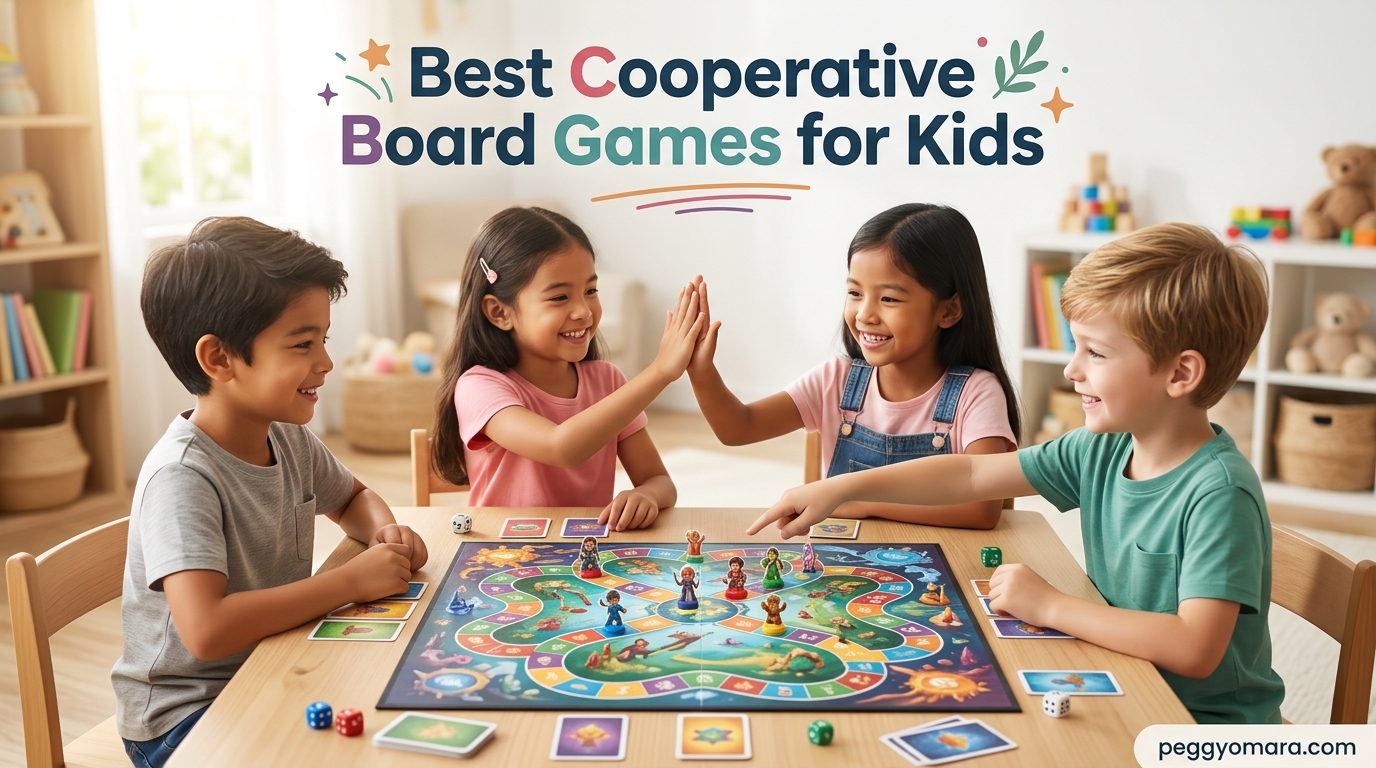
Finding games that do not end in tears can feel impossible when you have young children. I have watched my own kids melt down after losing at Candy Land one too many times. That is when I discovered cooperative board games for kids and everything changed.
These games flip the traditional board game formula. Instead of competing against each other, everyone works together toward a shared goal. You win as a team or lose as a team. This simple shift eliminates the sore loser problem while teaching valuable skills like communication, strategic thinking, and teamwork.
After testing dozens of options with my own family and researching what makes a great co-op game, I have narrowed down the absolute best cooperative board games for kids. Each recommendation below has earned its spot through real play testing, durability, and genuine kid appeal.
Table of Contents
Top 3 Picks for Best Cooperative Board Games for Kids (August 2026)
Here are my top three recommendations if you want to skip the full list and start playing tonight.

Best Cooperative Board Games for Kids in 2026
This comparison table shows all eight games at a glance. I have included age recommendations, player count, and play time to help you find the perfect fit for your family.
| Product | Specifications | Action |
|---|---|---|
 Hoot Owl Hoot Hoot Owl Hoot |
|
Check Latest Price |
 Count Your Chickens Count Your Chickens |
|
Check Latest Price |
| First Orchard |
|
Check Latest Price |
 Dinosaur Escape Dinosaur Escape |
|
Check Latest Price |
 OUTFOXED OUTFOXED |
|
Check Latest Price |
 Zombie Kidz Evolution Zombie Kidz Evolution |
|
Check Latest Price |
 Mermaid Island Mermaid Island |
|
Check Latest Price |
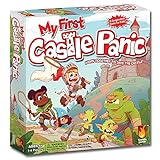 My First Castle Panic My First Castle Panic |
|
Check Latest Price |
1. HABA First Orchard – Best Wooden Cooperative Game for Toddlers
- Sustainable PEFC certified wood
- Perfect toddler-sized pieces
- Teaches color recognition
- Cooperative gameplay
- Over 3 million sold
- Too simple for kids over 4
- Raven theme may scare some toddlers
I consider First Orchard the perfect introduction to board games for toddlers. My two-year-old was able to grasp the concept immediately because the game uses chunky wooden pieces that fit perfectly in small hands. You roll the die and collect fruit from the orchard before the raven reaches the tree.
The cooperative nature means my toddler does not get frustrated when the raven advances. We cheer together when we harvest the apples and pears, and we groan together when the raven hops closer. There is no losing alone.
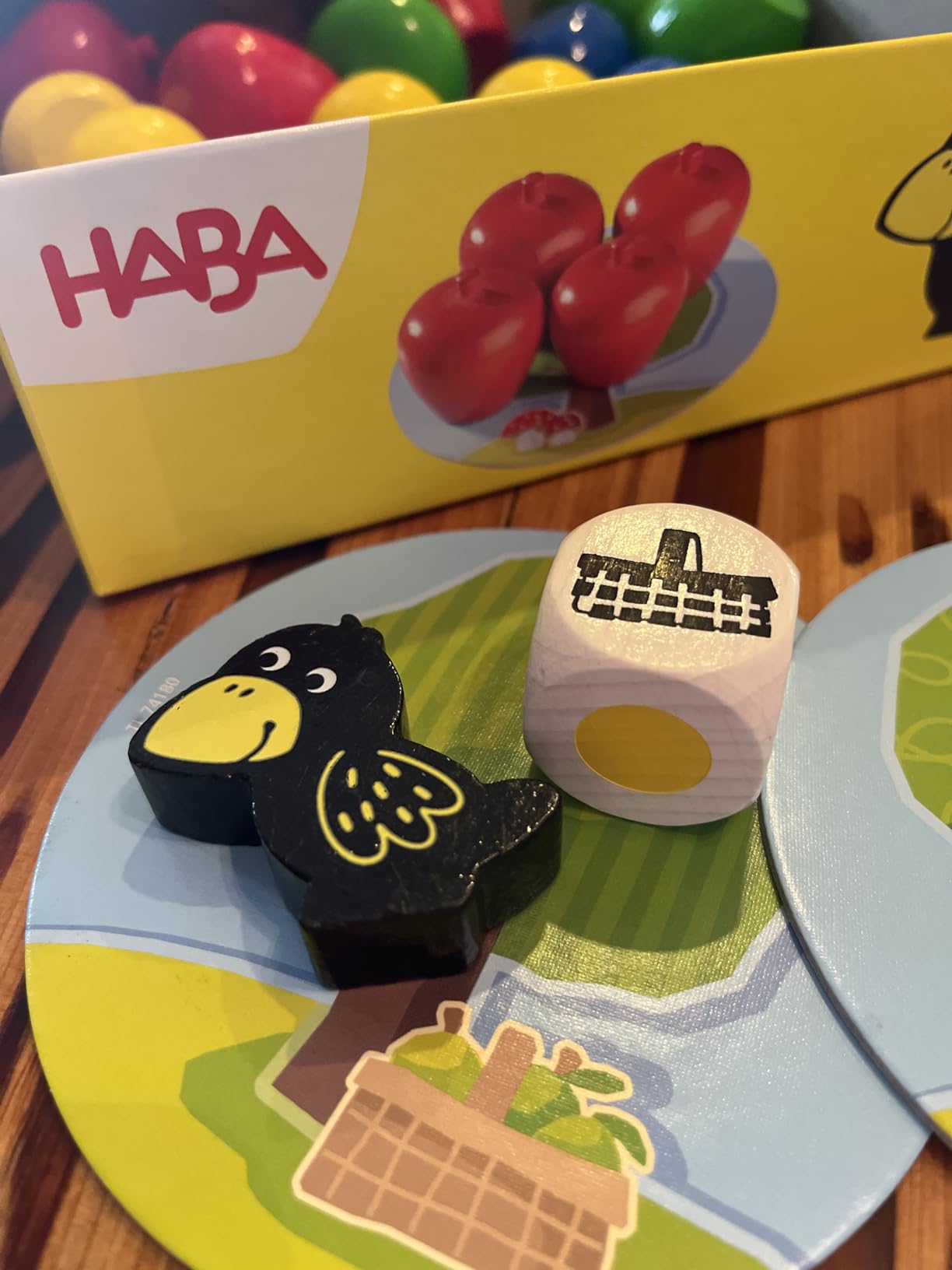
HABA manufactures this game in Germany using PEFC-certified wood. The quality shows in every piece. After two years of rough toddler play, our game still looks brand new. The colors on the fruit remain vibrant and the die has held its shape perfectly.
The game teaches color matching and counting without feeling educational. Children learn to identify colors by matching the die to the fruit trees. They practice counting as they collect fruit into their baskets. These skills develop naturally through play.
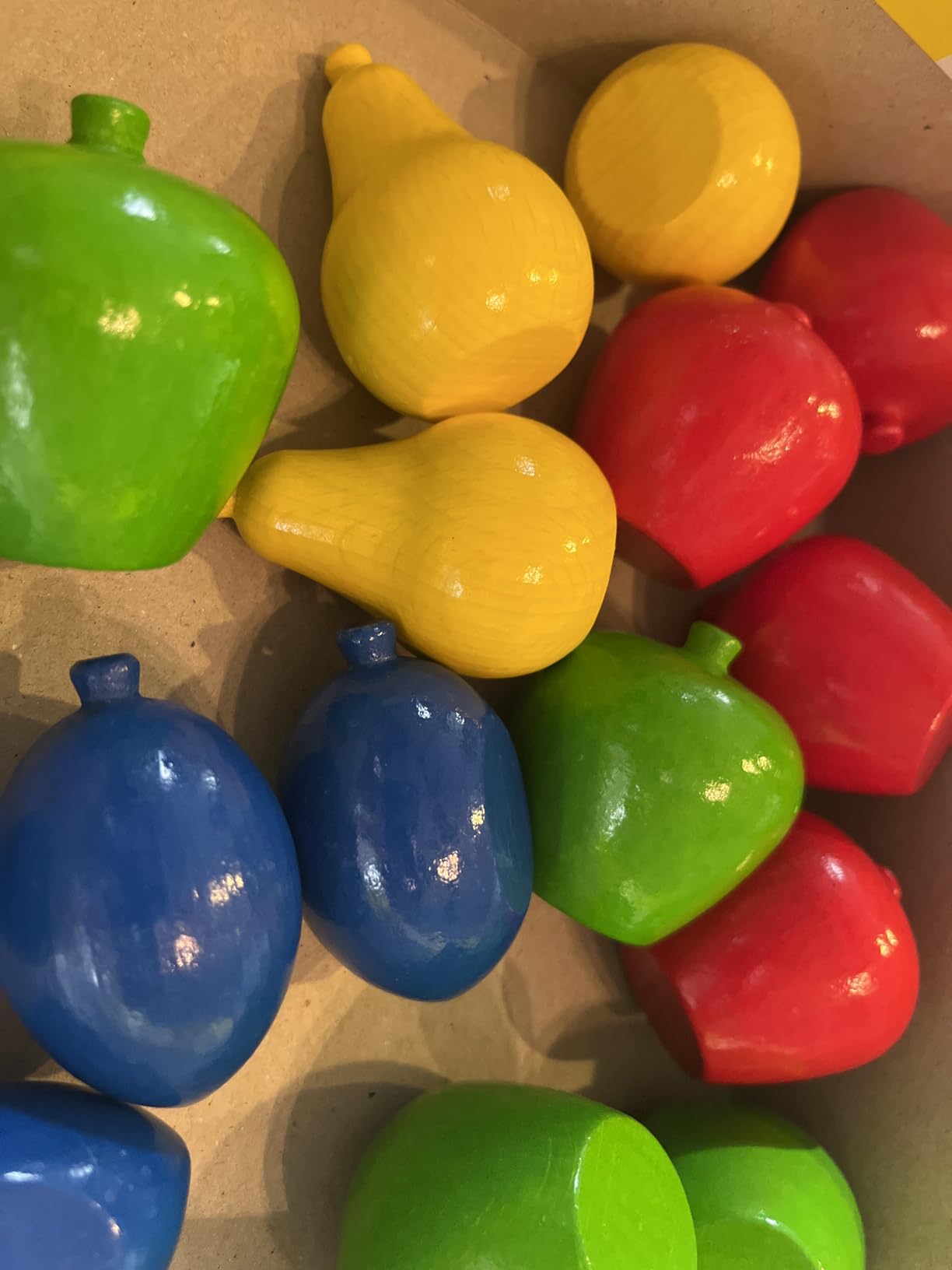
Why Parents Love the Quality
Most toddler games use flimsy cardboard that bends and tears within weeks. First Orchard uses solid wood pieces that survive drops, throws, and the occasional teething session. I have passed our copy down to my youngest after my oldest outgrew it.
The game also stores compactly in its box. The wooden pieces stack neatly, making cleanup easy even for little ones. Teaching my children to put away their games became part of our post-game ritual.
When to Move On
By age four, most children will find First Orchard too easy. The simple roll-and-move mechanics become predictable. This is actually a feature, not a flaw. The game serves as a stepping stone to more complex cooperative games like Hoot Owl Hoot.
2. OUTFOXED – Best Cooperative Detective Game
- Evidence scanner adds excitement
- Teaches deductive reasoning
- Different game every time
- High quality components
- Fun for whole family
- Cards may bend easily
- Requires good lighting for scanner
- Luck element with dice
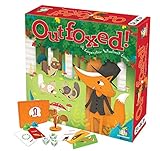
OUTFOXED turns your family into a team of detectives solving a classic whodunit. Someone stole Mrs. Plumpert’s prized pot pie, and it is up to the players to figure out which fox committed the crime before the culprit escapes.
What makes this game special is the evidence scanner. Players collect clues from around the board and use the plastic scanner to reveal hidden information. This tactile element keeps kids engaged in a way that pure card games cannot match.
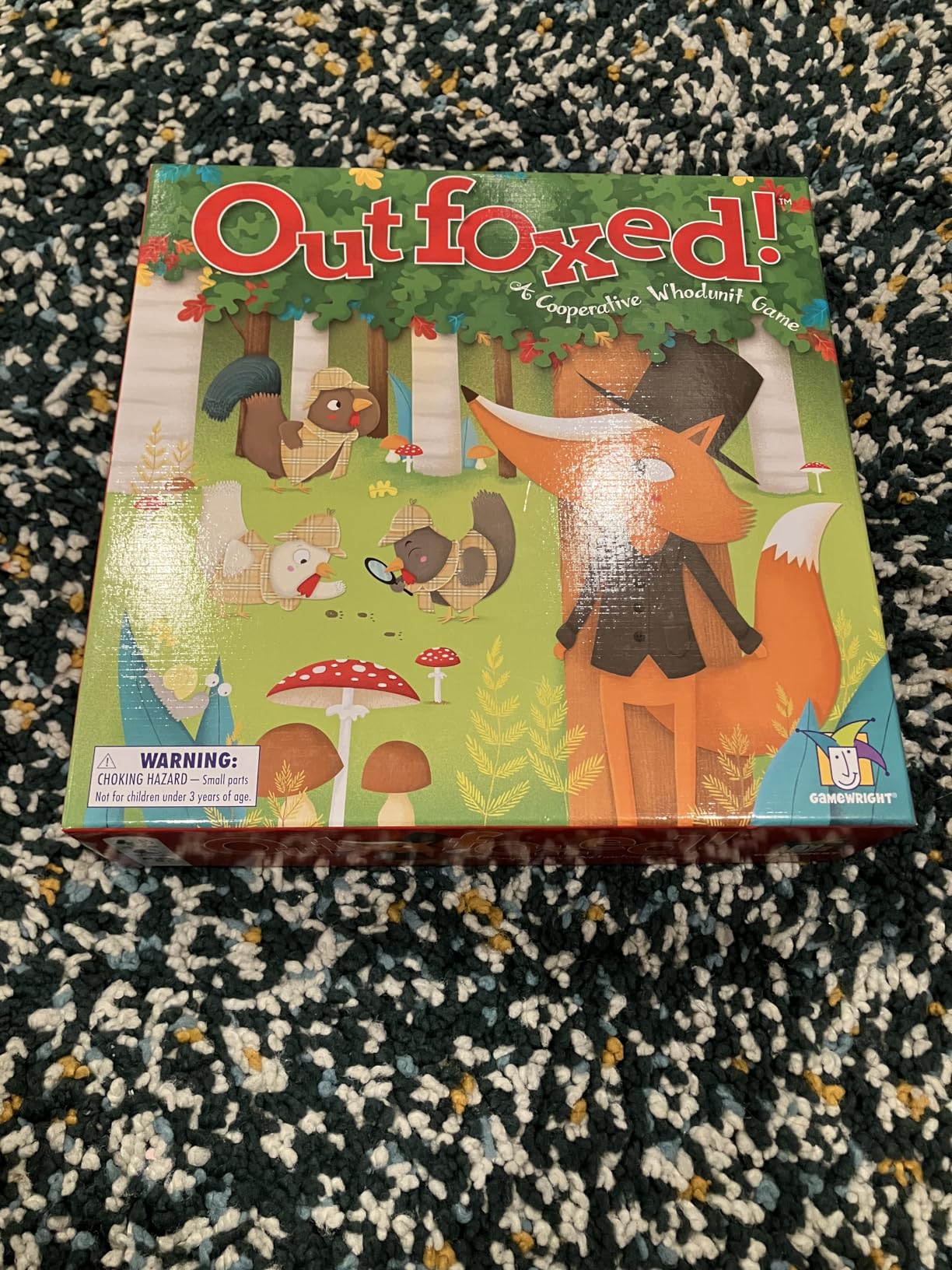
I have played OUTFOXED with children as young as four, though the box recommends age five. Younger kids can participate by rolling the dice and moving the pieces while older siblings handle the deduction. This makes it ideal for families with mixed ages.
The random selection of the guilty fox means every game plays differently. My children love discussing which clues matter most and debating which fox to investigate next. The discussions naturally develop critical thinking skills.
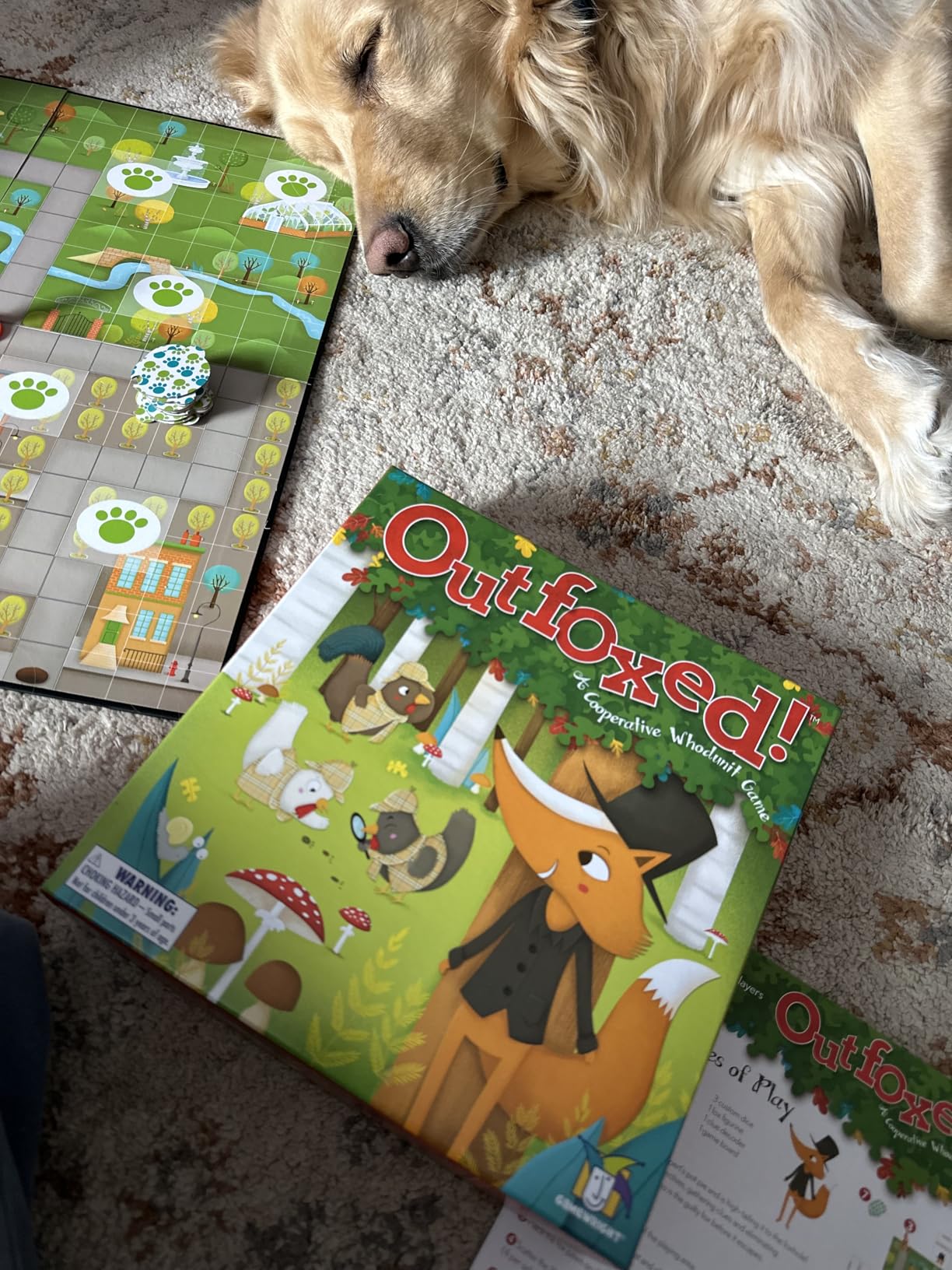
The Evidence Scanner Thrill
The scanner mechanism deserves special mention. You slide a clue card into the device and it reveals whether that clue matches the guilty fox. The anticipation builds every time someone uses it. My kids literally jump up and down waiting to see the result.
This gadget elevates OUTFOXED above other cooperative games. It creates memorable moments that children talk about long after the game ends. The scanner also helps younger children participate without needing to read cards.
Replayability Factor
With multiple fox suspects and random clue combinations, OUTFOXED offers significant replay value. We have played over fifty times and still enjoy the deduction process. The twenty-minute playtime means we can fit in multiple rounds during one game night.
The game also scales well with player count. It works equally well with two players or four. When playing with just my daughter, we team up against the game. With the whole family, we divide the deduction responsibilities.
3. Peaceable Kingdom Hoot Owl Hoot – Best Cooperative Matching Game
- Teaches strategic thinking
- Adorable owl theme
- Short playtime keeps engagement
- Color and sun card matching
- Great for pre-readers
- Manufactured in China
- Too simple for older children
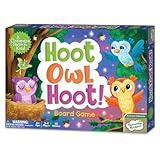
Hoot Owl Hoot ranks among my favorite best cooperative board games for kids because it genuinely teaches strategic thinking while remaining accessible to preschoolers. Players help baby owls fly back to their nest before sunrise.
The gameplay involves playing color cards to move owls along a rainbow path. Here is the strategic twist: you can play a sun card to move the sun toward sunrise, or you can sacrifice your color card to help another owl. Teaching children when to be selfish versus cooperative creates wonderful learning moments.
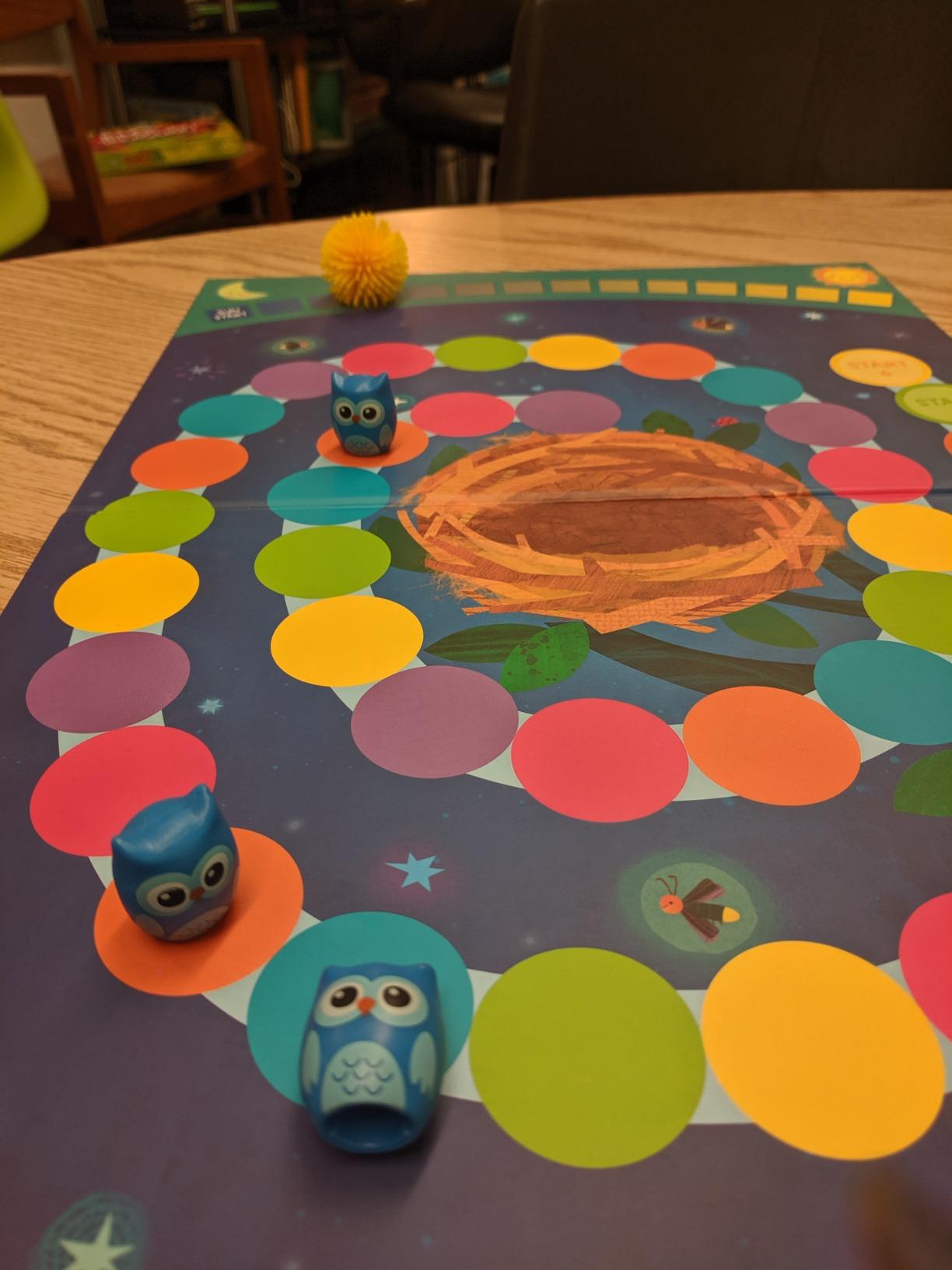
The owl theme resonates strongly with children. My daughter pretends to hoot every time we move an owl. The colorful board and adorable illustrations keep visual interest high. Peaceable Kingdom clearly designed this with young children in mind.
At fifteen minutes per game, Hoot Owl Hoot respects young attention spans. We often play two or three rounds back-to-back because the time commitment feels manageable. The short duration also means we can play on weeknights before bedtime.
Teaching Strategic Thinking
Most preschool games rely purely on luck. Hoot Owl Hoot introduces genuine strategy decisions. Do you move your own owl forward or help a friend? Should you play a sun card now or save it? These choices matter and affect the outcome.
I have watched my children evolve from random card playing to thoughtful strategy over time. They now discuss which owls need help most and plan several moves ahead. This development happens naturally through repeated play.
Adorable Theme Kids Love
The production quality on Hoot Owl Hoot impresses me. The board features beautiful artwork of a nighttime forest. The owl tokens are thick cardboard that withstand regular use. Even the box artwork draws children in.
The game also works as a gentle introduction to winning and losing together. When the sun rises before the owls reach home, everyone shares the disappointment. When they succeed, everyone celebrates. This emotional experience builds resilience.
4. Peaceable Kingdom Count Your Chickens – Best Counting Game
- Cooperative counting gameplay
- Pre-cut pieces ready to play
- Reinforces one-to-one correspondence
- Colorful design for young children
- Quick and easy setup
- Too simple for children over 5
- Spinner adds luck factor
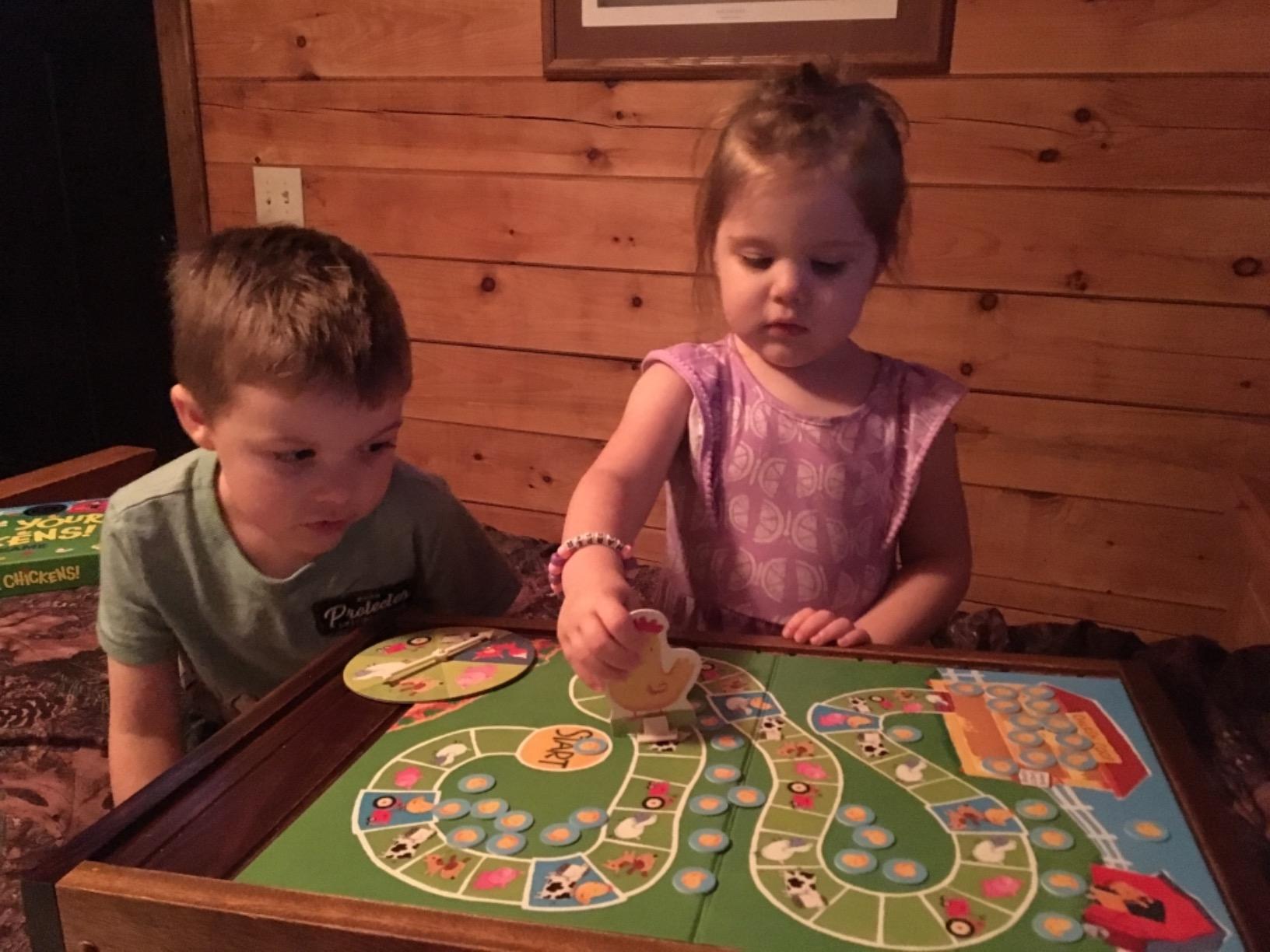
Count Your Chickens helped my son develop solid counting skills before preschool. The game has players spinning to move Mother Hen around the board, collecting baby chicks and counting them into the coop. Everyone wins if all forty chicks make it home.
The cooperative structure eliminates counting anxiety. In competitive counting games, children feel pressure to count faster or better than opponents. Here, accuracy matters more than speed. Kids help each other count correctly.
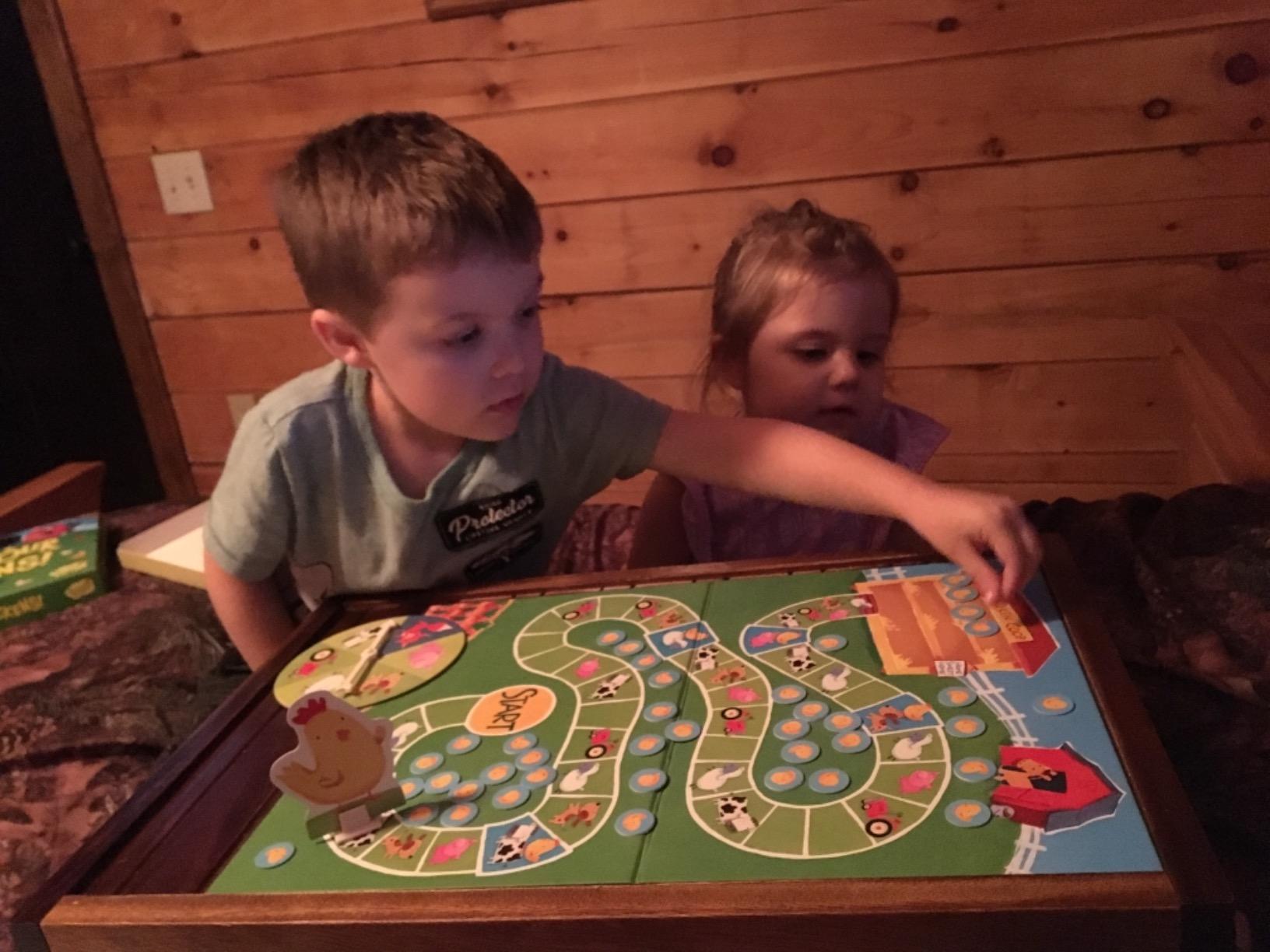
The game pieces come pre-cut and ready to play. I appreciate not having to punch out cardboard tokens while impatient children wait. The spinner moves smoothly and the chick tokens stack satisfyingly in the coop.
Winning five awards including the Oppenheim Toy Portfolio Platinum Award validates what parents already know. This game succeeds at its educational mission while remaining genuinely fun. My children request it regularly.
Math Skills Development
Count Your Chickens teaches one-to-one correspondence, the understanding that each number corresponds to one object. Children physically place chicks into the coop while counting aloud. This concrete manipulation builds number sense.
The game also introduces basic probability concepts. Children notice that some spinner spaces appear more often than others. They learn to hope for certain outcomes without becoming frustrated by bad luck. The cooperative framework helps here too.
Quick Gameplay for Short Attention Spans
At fifteen minutes, Count Your Chickens fits perfectly into the preschool attention window. We have played it while waiting for dinner to cook or before leaving for school. The quick setup means spontaneous game sessions.
The game also travels well. We bring it to restaurants and doctors appointments. The enclosed box keeps pieces from getting lost in bags. Having a cooperative option for waiting rooms has saved us from many boredom meltdowns.
5. Peaceable Kingdom Dinosaur Escape – Best Memory Game
- Memory game with excitement
- Cooperative dinosaur rescue
- Quick 10-minute playtime
- High quality game pieces
- Helps competitive kids enjoy gaming
- Volcano cardboard may fray over time
- Too simple for older children
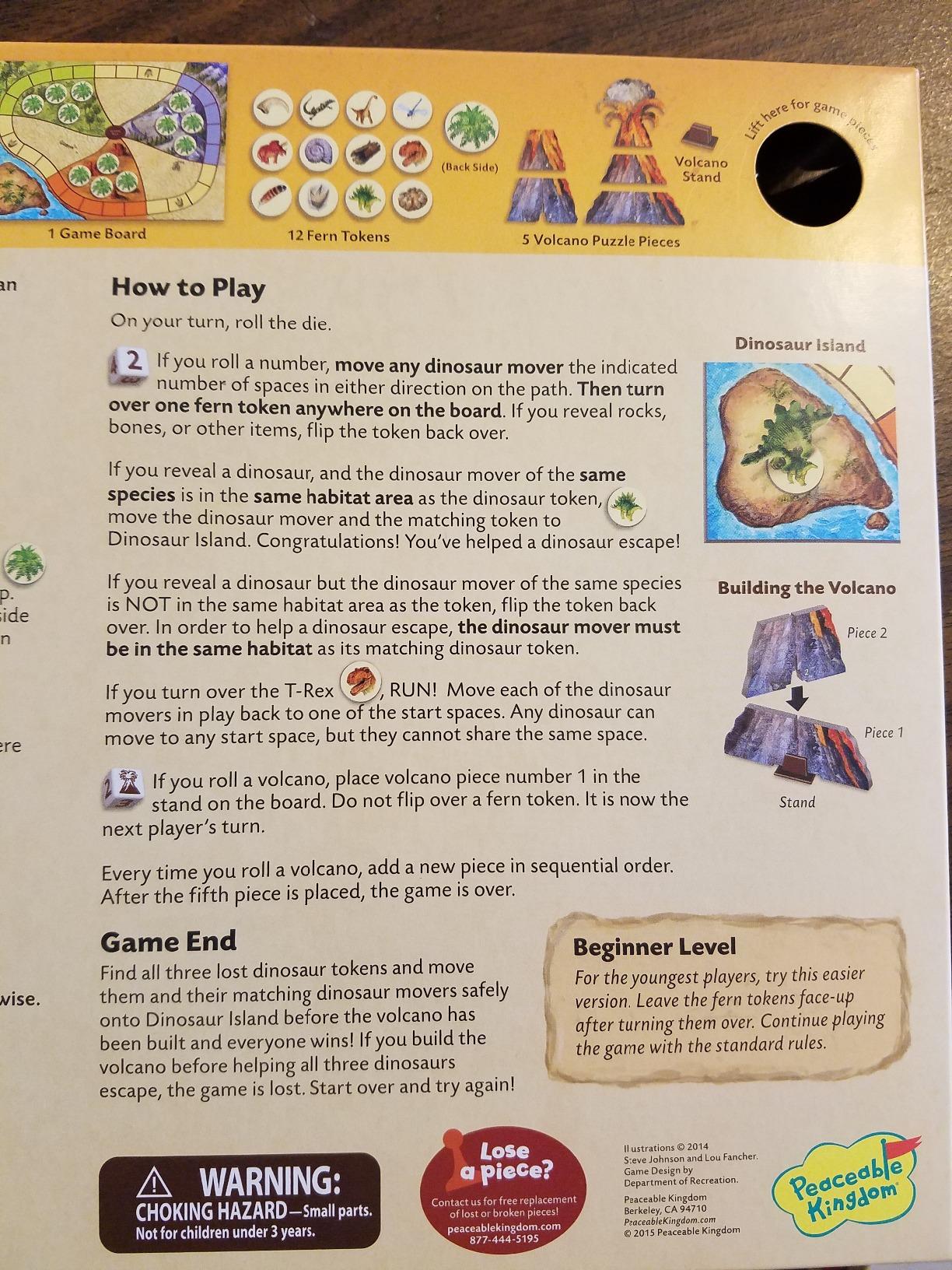
Dinosaur Escape combines memory matching with genuine tension. Players flip fern tokens to find matching dinosaurs while racing to get them off the island before the volcano erupts. The ten-minute playtime makes it one of the quickest cooperative kids games we own.
The volcano mechanic creates urgency without being scary. Children see the five volcano pieces stack up turn by turn. They feel the pressure building but never panic. The physical stacking makes the threat concrete and manageable.
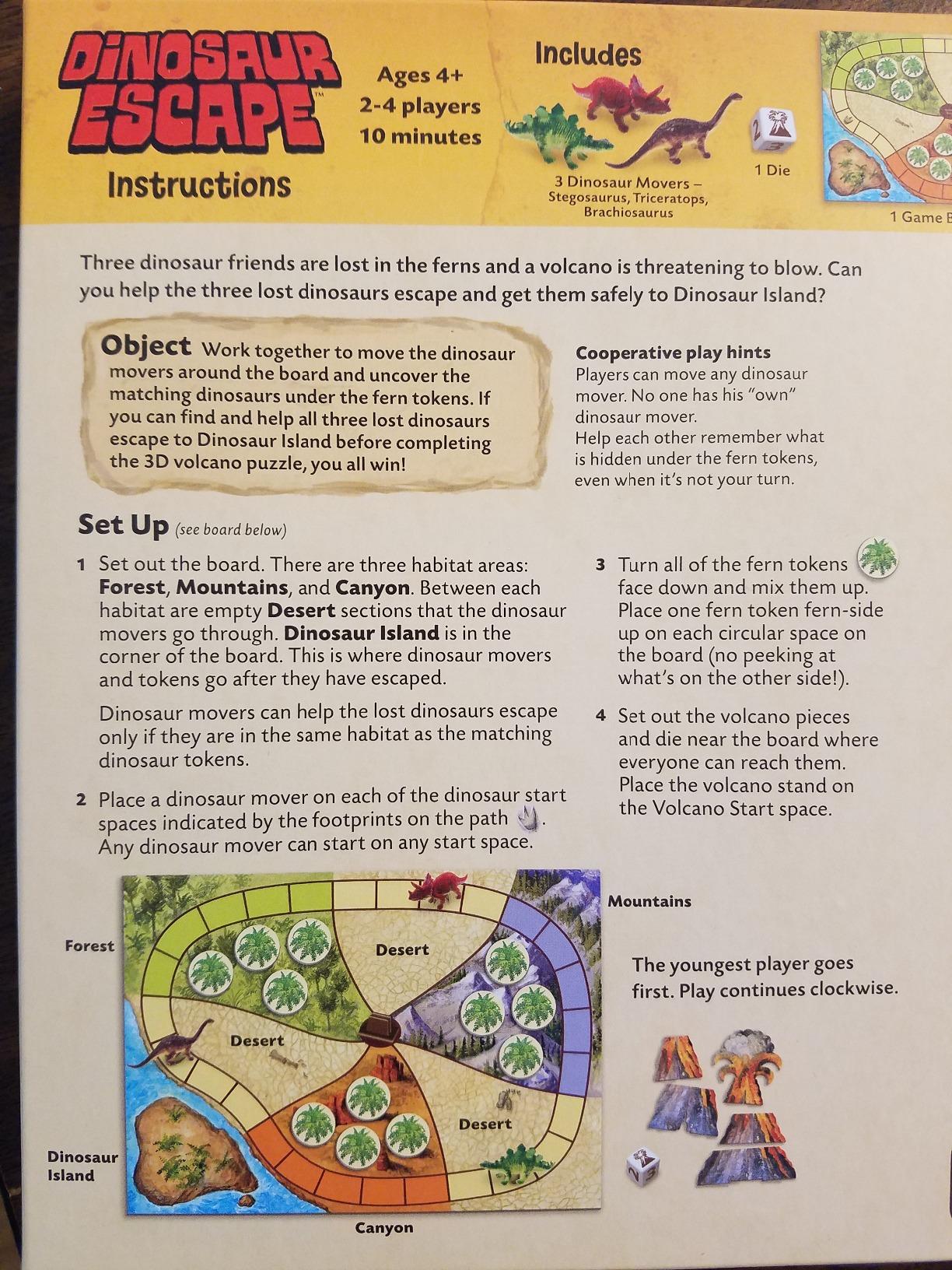
The three dinosaur movers delight children. They are substantial plastic figures that kids want to play with even outside the game context. My children have incorporated them into countless imaginative play scenarios.
The memory element provides genuine challenge. Adults will not automatically win, which keeps the game interesting for mixed-age play. I still lose occasionally when the tokens do not cooperate.
Memory and Strategy Combined
Dinosaur Escape adds strategic depth to traditional memory games. Players can choose which token to flip based on what they remember and what the team needs. This creates discussion about probability and memory.
The game also rewards teamwork through information sharing. Players are encouraged to tell others what they saw on previous turns. This communication requirement builds social skills alongside memory.
Volcano Excitement Factor
The volcano eruption provides a dramatic climax. When the fifth volcano piece gets placed, everyone gasps together. Either the dinosaurs escaped or they did not. This shared moment creates strong emotional memories.
I appreciate that the volcano pieces are thick cardboard rather than cheap plastic. They stack securely and feel satisfying to handle. The component quality shows Peaceable Kingdom understands how children actually play.
6. Zombie Kidz Evolution – Best Evolving Cooperative Game
- Evolving gameplay with unlockables
- 13 envelopes add new content
- Simple rules kids can run independently
- Sticker progression system
- Quick games for weeknights
- Too simple for teenagers
- Temptation to open envelopes early
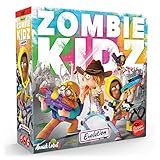
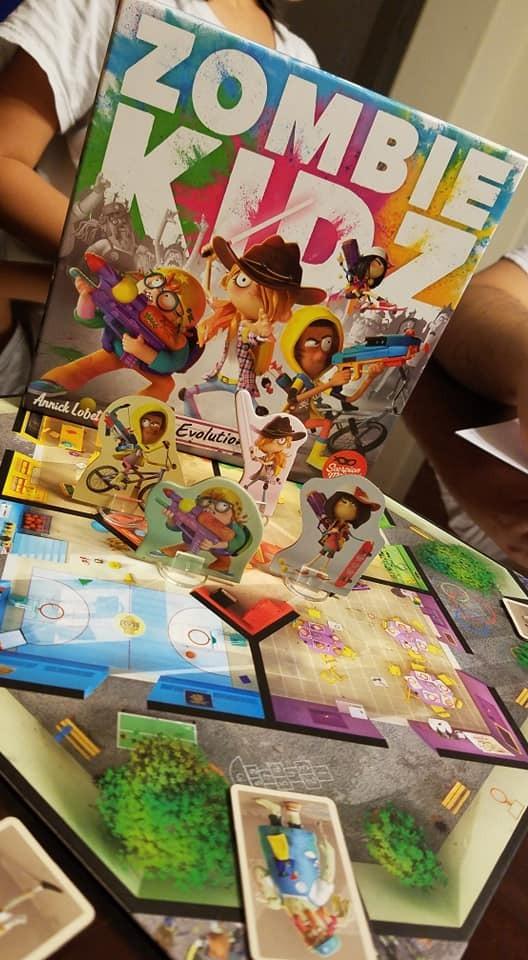
Zombie Kidz Evolution revolutionized how we think about family co-op games. As a legacy game, it changes permanently as you play. You open sealed envelopes that add new rules, components, and challenges. The game literally grows with your family.
The base game has players defending a school from zombies by locking doors and eliminating zombies. Simple enough for children to understand immediately. The genius lies in the thirteen evolution envelopes that unlock over multiple play sessions.
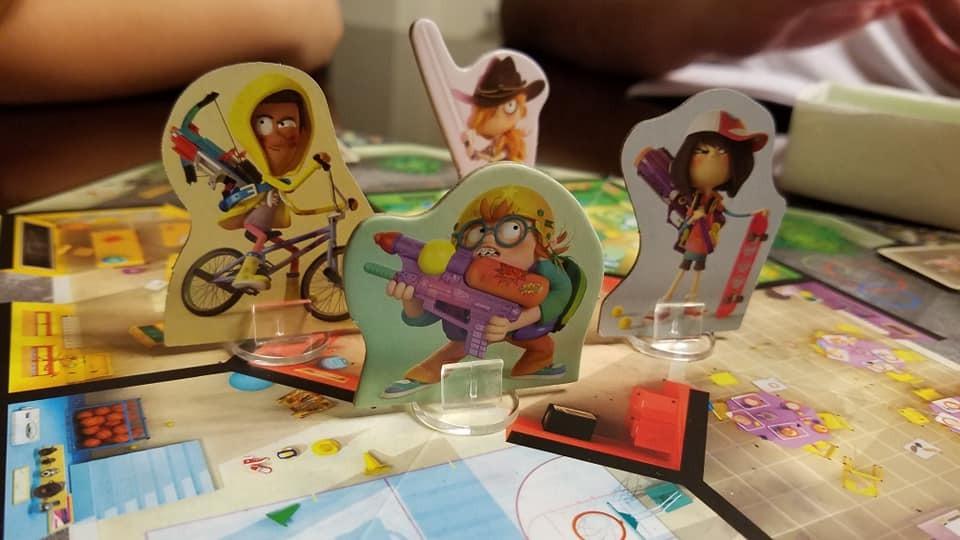
Each envelope reveals new characters, abilities, or objectives. My children treat envelope opening like Christmas morning. The anticipation keeps them motivated to play again and again. We have logged over thirty games and still have envelopes remaining.
The sticker progression system tracks achievements across sessions. Children earn stickers for completing specific challenges, which they place on their character cards. This visible progression creates investment in continued play.
The Legacy Game Element
Legacy games traditionally target adults with complex campaigns. Zombie Kidz Evolution adapts this concept for children without dumbing it down. The evolving rules introduce genuine complexity appropriate for ages seven and up.
The game also encourages independence. Once children learn the base rules, they can run games without adult help. My nine-year-old now teaches his friends how to play. This confidence boost represents one of the game’s hidden benefits.
Why BoardGameGeek Loves It
BoardGameGeek ranks Zombie Kidz Evolution as the number one kids game for good reason. The design balances accessibility with depth in ways few children’s games achieve. Even adults find the cooperative strategy engaging.
The fifteen-minute playtime also deserves praise. Families can complete a game during busy weeknights. The quick duration encourages multiple rounds, which helps children improve through repetition.
7. Peaceable Kingdom Mermaid Island – Best for Larger Groups
- Up to 6 players
- Good Housekeeping Best Toy Award
- No reading required
- Bright colorful components
- Teaches shared decision-making
- May be too easy for 7+
- Can be easy to win once understood
Mermaid Island solves the problem of having too many children for standard four-player games. Supporting up to six players, it accommodates larger families and playdates better than most cooperative options.
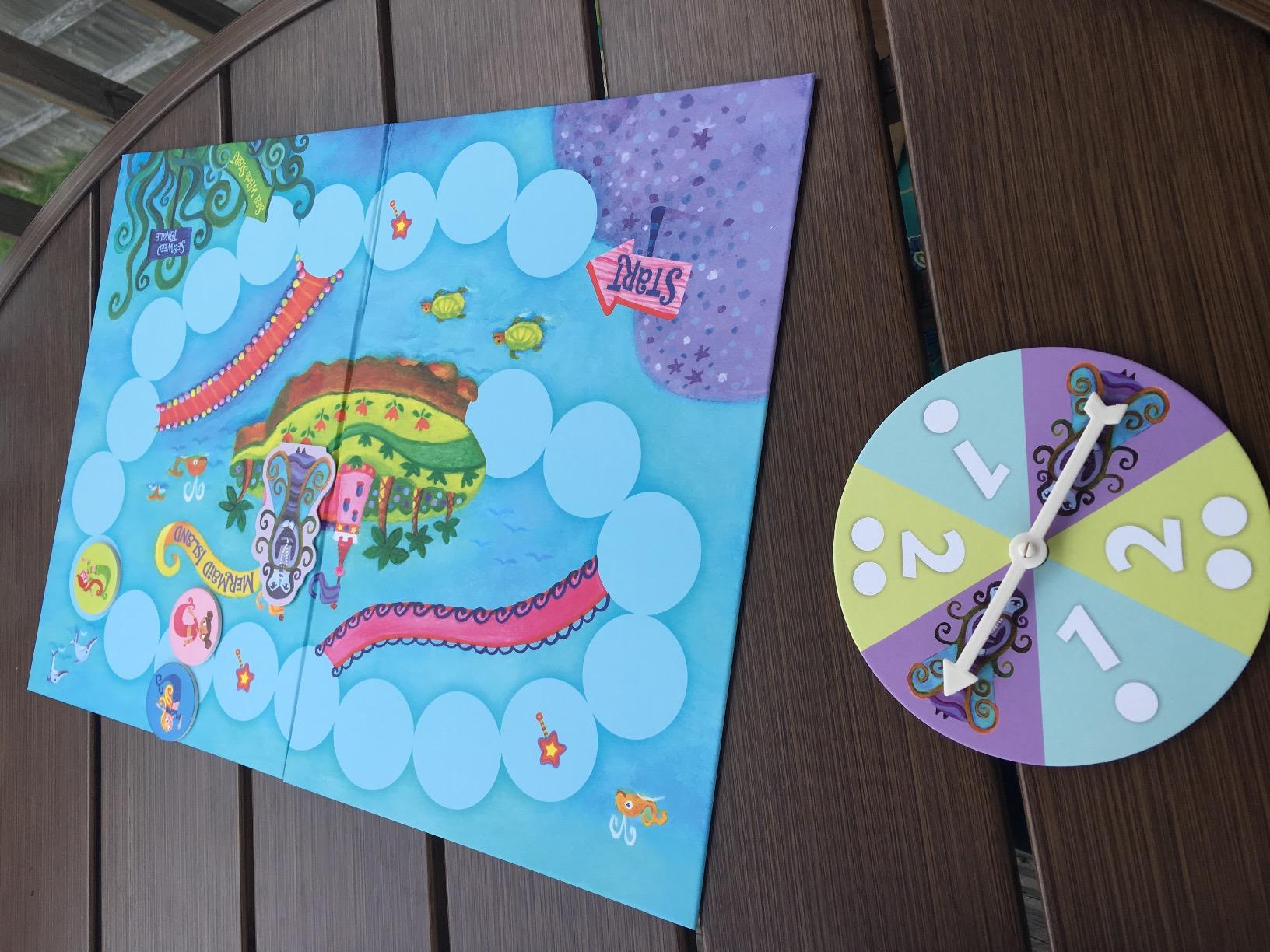
Players control three mermaids racing to reach Mermaid Island before the Sea Witch arrives. The spinner determines movement while wand tokens provide special abilities. The shared goal creates genuine collaboration even with six participants.
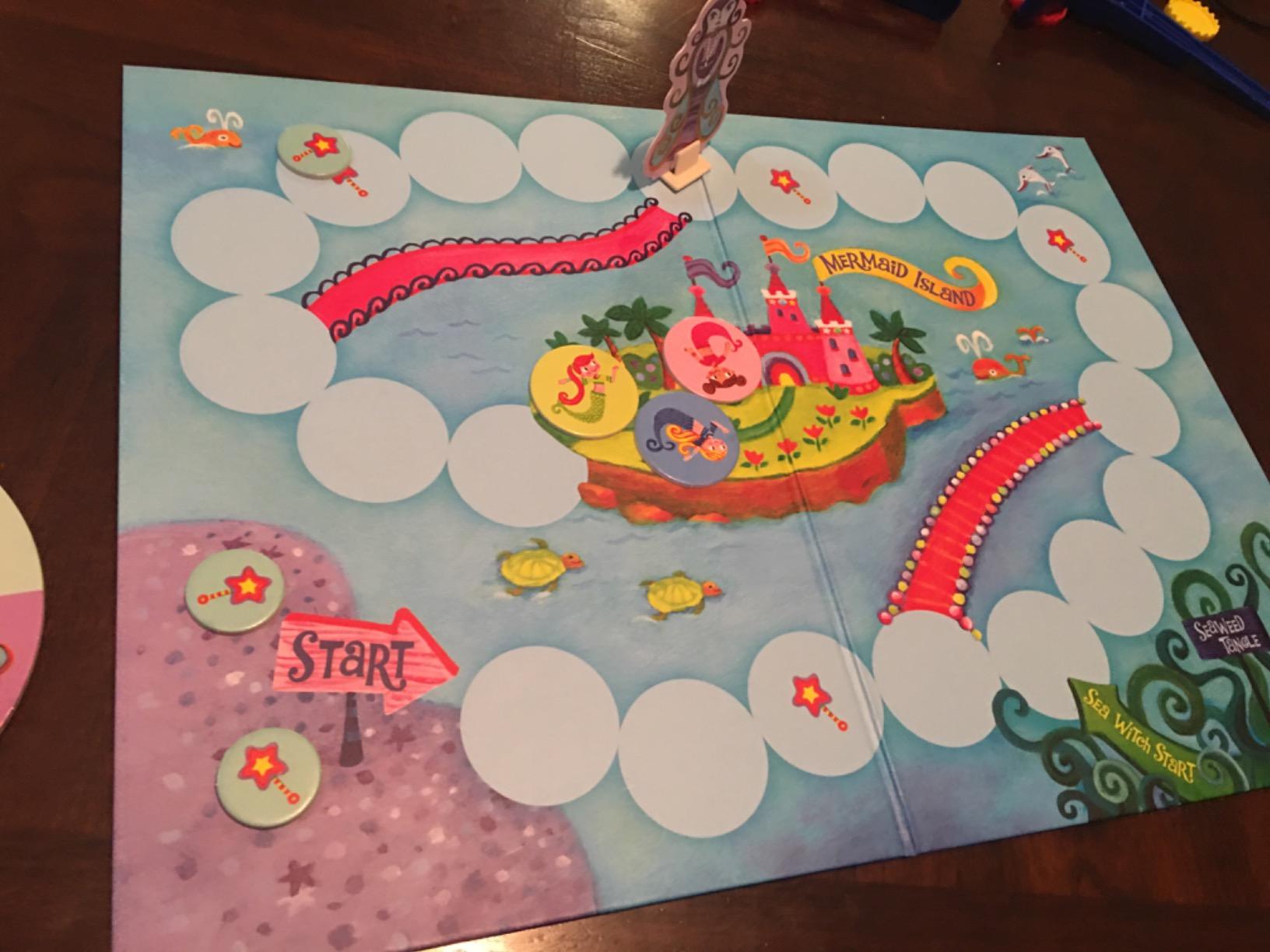
Winning the Good Housekeeping Best Toy Award validates Mermaid Island’s quality. The recognition matters less than the actual experience, which consistently entertains my children and their friends. We have brought it to countless playdates.
The mermaid theme appeals strongly to the target age group. The bright colors and whimsical illustrations draw children in immediately. Even reluctant board game players want to try this one.
Up to 6 Players
Finding quality games for five or six players proves challenging. Most children’s games cap at four. Mermaid Island’s expanded player count makes it invaluable for larger families. Everyone participates together.
The game also works well with fewer players. We have enjoyed it with just two mermaids controlled by two players. The cooperative nature means everyone contributes regardless of player count.
Award-Winning Design
Beyond the Good Housekeeping award, Mermaid Island has earned recognition from parenting publications and educators. The game succeeds at teaching shared decision-making without feeling preachy.
The components match the quality of other Peaceable Kingdom games. Thick cardboard tokens withstand regular use. The spinner moves smoothly and produces fair randomization.
8. My First Castle Panic – Best Strategy Introduction
- Cooperative tower defense gameplay
- No reading required
- Teaches matching colors and shapes
- Quick 20-minute rounds
- High replayability
- Too simple for children approaching 7
- Limited replay challenge for some
My First Castle Panic introduces young children to tower defense strategy games. Players defend their castle from approaching monsters by playing cards that match the monster’s color or shape. The cooperative element means everyone defends together.
The game brilliantly scales difficulty. The board has three castle walls of increasing strength. You can remove walls for easier games or keep them all for greater challenge. This flexibility keeps the game relevant as children grow.
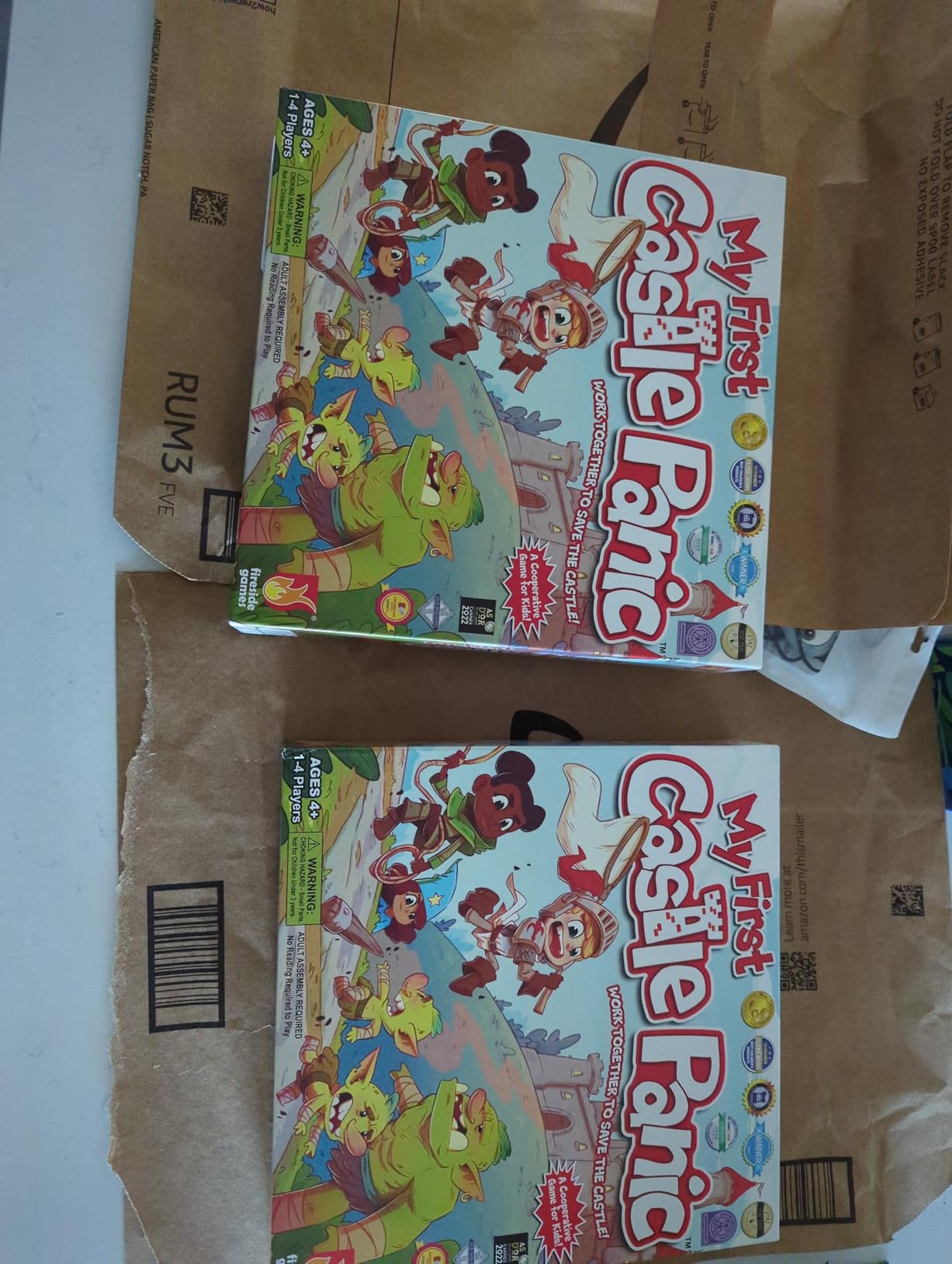
The no-reading requirement makes this accessible to pre-readers. Card symbols clearly indicate which monsters they affect. My four-year-old plays independently after just one teaching session.
The twenty-minute playtime strikes a balance between depth and attention span. Games feel substantial without dragging on. We often play multiple rounds and track our win streak across sessions.
Tower Defense for Kids
Tower defense games traditionally target older audiences with complex resource management. My First Castle Panic distills the genre to its essence. Children learn about threat prioritization and resource allocation through simple card matching.
The approaching monsters create natural tension. Children see threats moving closer each turn. They learn to address immediate dangers while planning for future attacks. These strategic concepts transfer to more complex games later.
No Reading Required
The symbol-based cards enable true independence for young players. Children do not need to ask adults what cards mean. They can analyze their options and make decisions autonomously.
The castle theme also resonates with children who enjoy fantasy play. The colorful monster designs are scary enough to be exciting without being terrifying. My children name their favorite monsters and celebrate defeating them.
How to Choose the Right Cooperative Game for Your Family in 2026?
Selecting from these best cooperative board games for kids requires considering several factors beyond just age recommendations.
Attention span matters more than age. A five-year-old with excellent focus might enjoy Zombie Kidz Evolution, while another child the same age might prefer the quick rounds of Dinosaur Escape. Consider your specific child’s temperament.
Player count affects enjoyment. Games designed for two to four players will feel different with the maximum number of participants. Mermaid Island handles six players better than most, making it ideal for larger families.
Play time should match your routine. If you only have fifteen minutes before bedtime, choose games like Hoot Owl Hoot or Dinosaur Escape. Save longer games like OUTFOXED for weekend afternoons.
Component durability matters for rough players. HABA First Orchard uses wood that survives rough handling. Cardboard-heavy games require gentler treatment. Consider your children’s play style when choosing.
Skill development goals can guide selection. Choose Count Your Chickens for math practice, Dinosaur Escape for memory training, or Zombie Kidz Evolution for strategic thinking. Each game emphasizes different skills.
Frequently Asked Questions
What are good cooperative games for kids?
Good cooperative games for kids include Hoot Owl Hoot for ages 4+, First Orchard for ages 2+, OUTFOXED for ages 5+, and Zombie Kidz Evolution for ages 7+. These games have players work together toward shared goals rather than competing against each other, teaching teamwork while eliminating the stress of losing alone.
What board games are suitable for a 4 year old?
Four-year-olds can enjoy Hoot Owl Hoot, Dinosaur Escape, My First Castle Panic, and Mermaid Island. These cooperative games require no reading and use simple mechanics like color matching and memory. The games typically last 10-20 minutes, which matches a four-year-old’s attention span.
What is cooperative play for 4 year olds?
Cooperative play for 4 year olds involves children working together toward a common goal rather than competing. In cooperative board games, players share resources, discuss strategies, and win or lose as a team. This type of play helps preschoolers develop social skills, communication, and emotional regulation without the frustration of individual competition.
What age group are children involved in cooperative play?
Children typically begin engaging in cooperative play around age 2-3, though the complexity increases with age. Toddlers can enjoy simple cooperative games like First Orchard. Preschoolers ages 4-5 handle games like Hoot Owl Hoot and Count Your Chickens. Children ages 6+ can tackle more strategic cooperative games like Zombie Kidz Evolution.
Conclusion: Building Cooperation Through Play
The best cooperative board games for kids do more than entertain. They build essential life skills while preserving family harmony. After two years of weekly game nights, I have watched my children transform from competitive rivals into genuine teammates.
Start with HABA First Orchard for toddlers or Hoot Owl Hoot for preschoolers. Progress to OUTFOXED or My First Castle Panic as skills develop. Save Zombie Kidz Evolution for when children crave ongoing challenges.
Whatever game you choose, remember that the goal is connection, not victory. These games create space for conversation, laughter, and shared experience. In 2026, that might be the best gift you can give your family.