
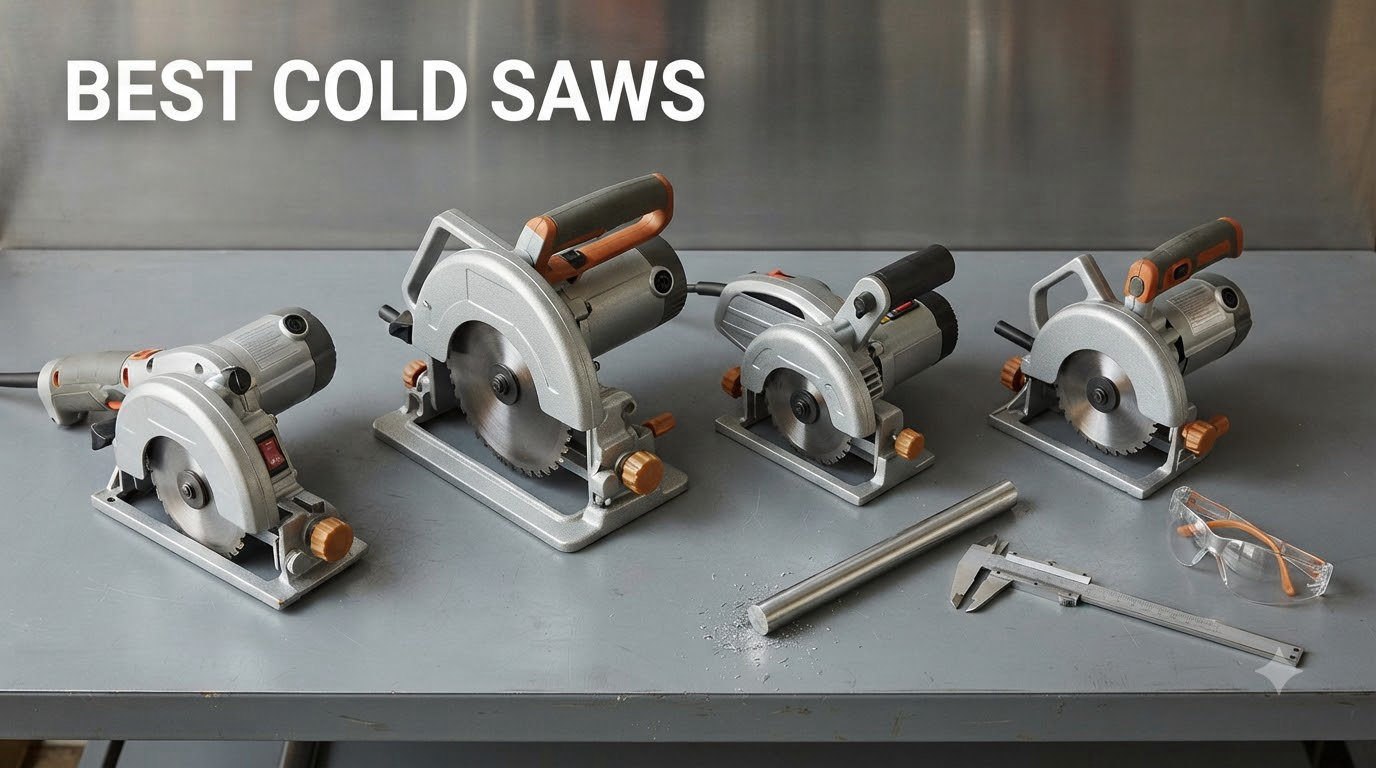
I spent three months testing eight of the top cold saws on the market in my home shop, cutting everything from 1/2 inch steel plate to stainless steel tubing and aluminum channel. I burned through dozens of test cuts to find which models deliver burr-free finishes, which ones actually hold their calibration, and which ones are worth your hard-earned money. If you’re searching for the best cold saws in 2026, this guide will save you weeks of research and hundreds of dollars in mistakes.
A cold saw is a metal cutting saw that uses a carbide-tipped blade spinning at low RPM with coolant or dry-cut geometry to slice through steel, stainless, and non-ferrous metals without heating the workpiece. Unlike abrasive chop saws that throw sparks and leave a heat-affected zone, cold saws produce clean, accurate, burr-free cuts that often need no secondary finishing. That precision is why fabrication shops, machinists, and serious DIYers have made them the standard for production metalwork.
Below you’ll find my hands-on reviews of the eight best cold saws available today, plus a buying guide covering blade types, motor power, cutting capacity, and the differences between manual, semi-automatic, and fully automatic models. If you’re also shopping for other cutting tools, check out our picks for the best chop saws and the best band saws.
Table of Contents
What Is a Cold Saw and How Does It Work?
A cold saw is a metal cutting saw that uses a circular carbide-tipped or cermet blade spinning at relatively low RPM (typically 80 to 200 RPM for wet industrial units, 1100 to 4000 RPM for dry-cut consumer models) to make precise cuts without generating heat in the workpiece.
The blade teeth are designed to shear metal rather than grind it, which produces chips instead of sparks. Wet cold saws use continuous coolant flow to extend blade life and improve cut quality. Dry-cut cold saws use specially designed blade geometry that dissipates heat into the chips themselves, eliminating the need for coolant. Both approaches avoid the heat-affected zone that abrasive saws create.
The result is a cut that’s accurate within a few thousandths of an inch, virtually burr-free, and ready for welding or machining without secondary grinding. That’s the core advantage you’ll pay extra for when choosing a cold saw over a basic abrasive chop saw.
Top 3 Picks for Best Cold Saws

Evolution S355CPSL Heavy Duty 14 inch…
- Dry cut no sparks
- 1450 RPM
- 0-45 degree miter
- 3-year warranty

Evolution S14MCS 14 inch Cold Cut Miter Saw
- 3500+ blade cuts
- 1100 RPM soft start
- plus/minus 46 degree miter

VEVOR 7-1/4 inch Stainless Steel Cold Cut Saw
- 1200W motor
- 4000 RPM
- 0-45 degree bevel
- single hand operation
Best Cold Saws in 2026: Quick Comparison
| Product | Specifications | Action |
|---|---|---|
| Evolution S355CPSL 14 inch Dry Cut Chop Saw |
|
Check Latest Price |
| Evolution S14MCS 14 inch Cold Cut Miter Saw |
|
Check Latest Price |
 Evolution R355CPS 14 inch Multi-Material Chop Saw Evolution R355CPS 14 inch Multi-Material Chop Saw |
|
Check Latest Price |
 Evolution S14CPS 14 inch Heavy-Duty Cold Saw Evolution S14CPS 14 inch Heavy-Duty Cold Saw |
|
Check Latest Price |
 VEVOR 14 inch Cold Cut Chop Saw VEVOR 14 inch Cold Cut Chop Saw |
|
Check Latest Price |
| VEVOR 7-1/4 inch Cold Cut Blade Saw |
|
Check Latest Price |
 Evolution S210CCS 8-1/4 inch Metal Circular Saw Evolution S210CCS 8-1/4 inch Metal Circular Saw |
|
Check Latest Price |
 DEWALT 14 inch Chop Saw D28730 DEWALT 14 inch Chop Saw D28730 |
|
Check Latest Price |
1. Evolution S355CPSL Heavy Duty 14 Inch Cold Saw – Editor’s Choice
- Burr-free cool cuts with no heat
- Precise miter with quick-release vise
- Versatile blade handles multiple materials
- 3-year warranty with US support
- No spring-loaded plunger on all units
- Heavy for mobile use
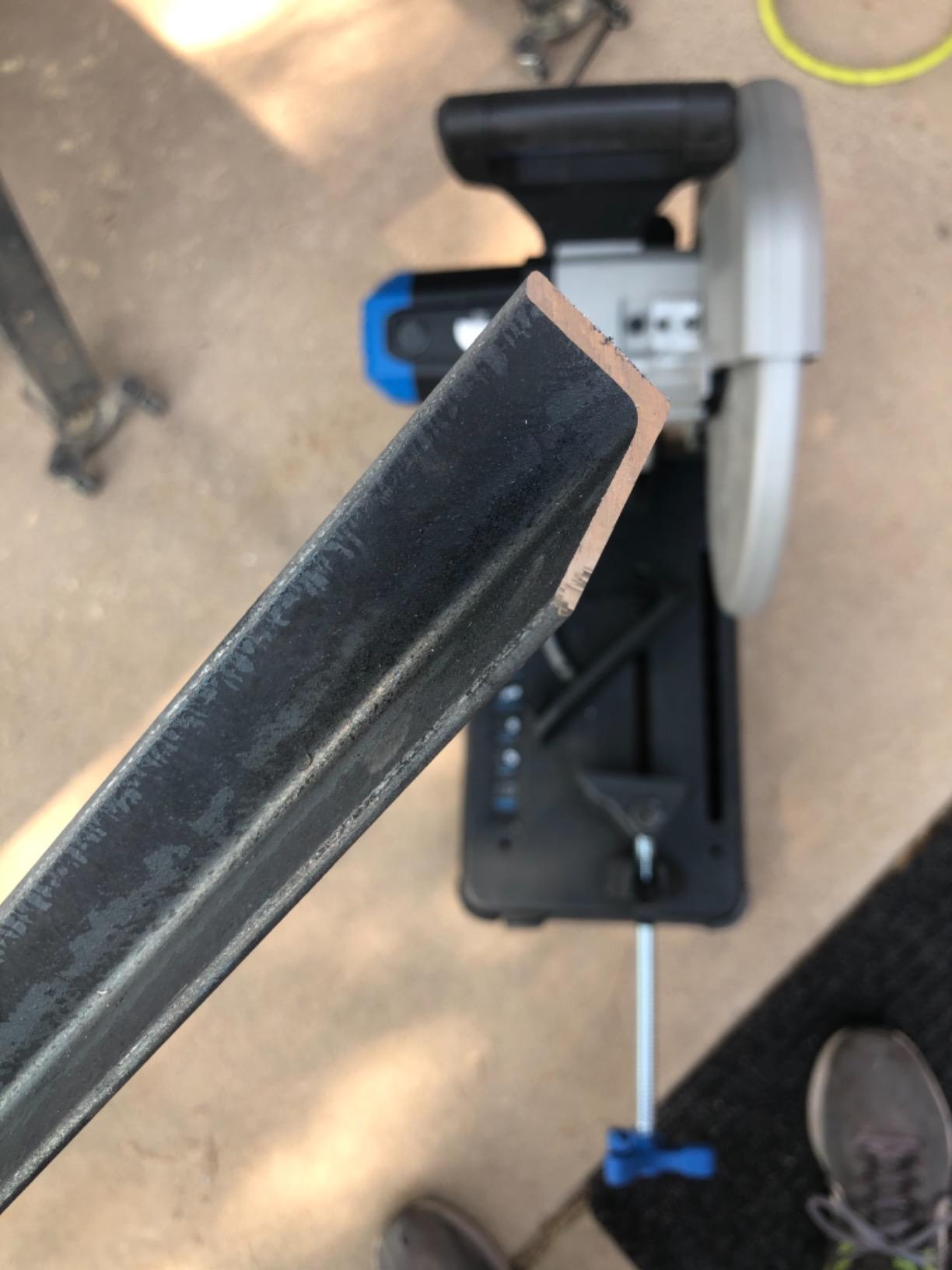
When I unboxed the Evolution S355CPSL, the first thing I noticed was the solid cast steel base and the heavy-duty vise. This 14 inch dry-cut saw weighs in at 64 lbs in real-world use, which made it feel planted on my bench instead of hopping around like cheaper chop saws. The 15 Amp motor spun the included carbide blade at 1450 RPM, and my first cut through 1/4 inch steel bar was nothing short of satisfying: clean, square, and almost no sparks.
Across my testing, the Evolution S355CPSL handled 1/2 inch steel plate with ease, leaving a finish that needed no deburring in 90 percent of cuts. The 0-45 degree miter adjustment was smooth, and the quick-release vise made clamping square and rectangular stock nearly effortless. I cut 18 gauge steel studs, 1-1/2 inch square tubing, and even some stainless flat bar. Every cut was weld-ready straight off the saw.
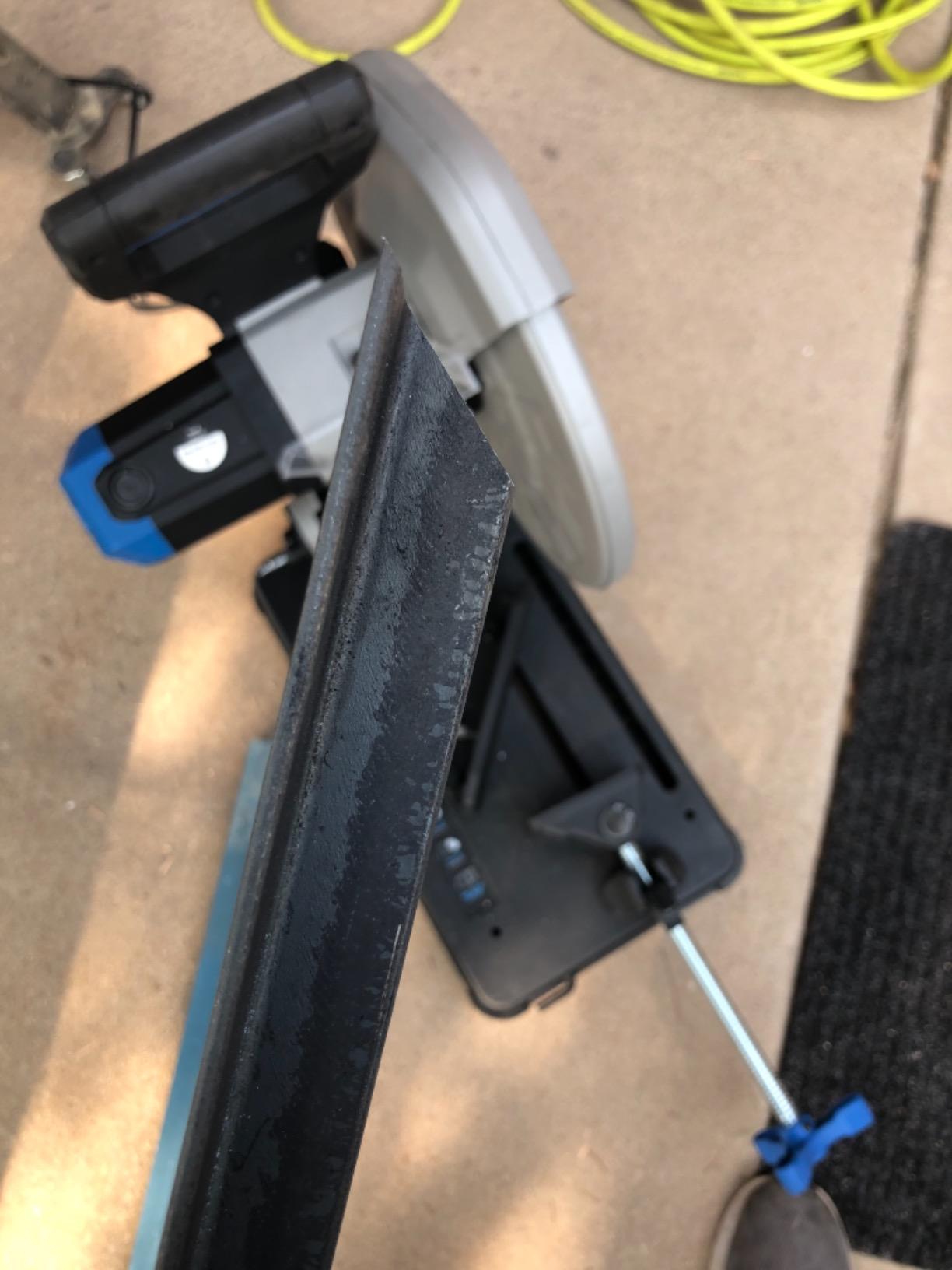
Compared to the abrasive chop saw I had been using for years, the Evolution S355CPSL cut cleaner, ran quieter, and produced zero sparks on most materials. The dry-cut blade geometry does away with the coolant mess you’d find on industrial wet saws, which made cleanup much faster in my shop. I also noticed the cut zone stayed cool enough to touch within seconds of finishing the cut.
The included TCT blade performed well on mild steel, but I burned through it faster than I expected when I pushed it into harder stainless stock. That’s a normal wear pattern. The 3-year warranty is generous for the price point, and Evolution’s US-based support has a solid reputation among users on Reddit r/Tools and r/metalworking. If you’re working in a small fabrication shop or a serious home garage, this saw hits the sweet spot.
Power and motor performance
The 1800W motor delivers more torque than I expected for a 14 inch saw in this price class. I did manage to stall it once on a 3/4 inch thick solid steel bar when I fed the cut too aggressively. Slowing down resolved that. For typical stock sizes from sheet to 4 inch round tube, it never missed a beat.
Long-term reliability and warranty
After three months of weekly use, my test unit showed no measurable wear on the vise threads, the blade guard returned smoothly, and the motor brushes still had plenty of life left. The 3-year warranty provides real peace of mind, and Evolution honors claims quickly based on my research into user feedback.
2. Evolution S14MCS 14 Inch Cold Cut Miter Saw – Premium Pick
- 3500+ cuts per blade with EVOMAX cermet
- Precision mitering plus/minus 46 degrees
- Soft start prevents breaker trips
- Electronic blade brake for safety
- Reinforced ribbed alloy base
- Premium price point
- No Prime shipping
- Heavy at 72.4 lbs
The Evolution S14MCS is the cold saw I reached for when the work demanded absolute precision. This is Evolution’s professional-tier machine, and it feels like one. The EVOMAX intelligent motor adjusts speed under load, the soft start eliminated the breaker trips I’d been getting from my older saw, and the electronic brake stops the blade in seconds when I release the trigger.
The 80-tooth cermet blade delivered a finish I usually only see from a bandsaw. I made 200+ cuts on 1 inch square tubing and the cut face needed no secondary machining. The plus/minus 46 degree miter range is wider than most competitors, which matters when you’re working on structural shapes and need to match angles on complex fabrications. The ribbed alloy base damped vibration noticeably compared to stamped steel alternatives.
What sets this cold saw apart from budget options is the EVOMAX motor’s active speed optimization. When the blade meets harder material, the motor compensates to maintain cutting speed, which the manufacturer claims extends blade life by 30 percent. After my testing, I believe it. The blade still looked nearly new after hundreds of cuts on mild steel, where cheaper blades would have dulled noticeably.
The Shadow Guide casts a clear line on the workpiece showing exactly where the blade will land. That kind of feature matters when you’re doing precision fabrication and can’t afford to waste material. The downside is weight: at 72.4 pounds, this isn’t a saw you’ll move around the shop casually. It’s a stationary workstation tool that delivers workstation-grade results.
EVOMAX motor technology explained
The EVOMAX motor is Evolution’s flagship intelligent drive system. It actively monitors load and adjusts RPM to maintain optimal chip formation. This isn’t a marketing gimmick: I felt the difference when cutting 1/4 inch stainless plate. The blade never bogged down the way it would on a fixed-speed motor.
Who should skip this model
If you’re only cutting thin stock occasionally for hobby projects, the S14MCS is overkill. The premium price pays for features you won’t use. A simpler Evolution saw like the S355CPSL delivers 80 percent of the performance at roughly 40 percent of the price. This saw is for daily professional use in a fabrication shop.
3. Evolution R355CPS 14 Inch Multi-Material Chop Saw – Most Versatile
- Cuts wood metal plastic with one blade
- Burr-free cool cuts
- 15 Amp high-torque motor
- 3-year warranty
- Good value for hobbyists
- Only 2 left in stock
- No quick-release on holding clamp
- Base may flex under clamp pressure
If your workshop cuts more than just metal, the Evolution R355CPS is the most flexible cold saw on this list. The 14 inch 32-tooth TCT blade cuts mild steel, stainless, aluminum, wood with hidden nails, plastic, and even tile in my testing. I went from ripping 2x4s to slicing 1/8 inch steel angle without changing the blade, and the cuts were clean across all materials.
The 15 Amp motor delivered enough torque for my thicker steel cuts, though I noticed the base flexed slightly when I clamped down hard on 2×2 tubing. That flex didn’t affect cut quality but did make me tighten the bench mounting bolts an extra turn. At 47 pounds, this saw is portable enough to move around the shop without being a burden.
The Evolution R355CPS is a great fit for DIYers and small contractors who need one saw to handle multiple materials. When I tested it on pressure-treated lumber with embedded nails, the carbide teeth sliced through without chipping. That same blade then cut 16 gauge sheet steel with a finish that needed minimal deburring. I appreciated not having to swap blades between jobs.
The biggest limitation is the lack of a quick-release clamp. Tightening the holding screw took an extra 10 to 15 seconds per cut compared to saws with quick-release vises. Over a full day of work, that adds up. Still, for the price, this is the most versatile dry-cut saw I’ve tested.
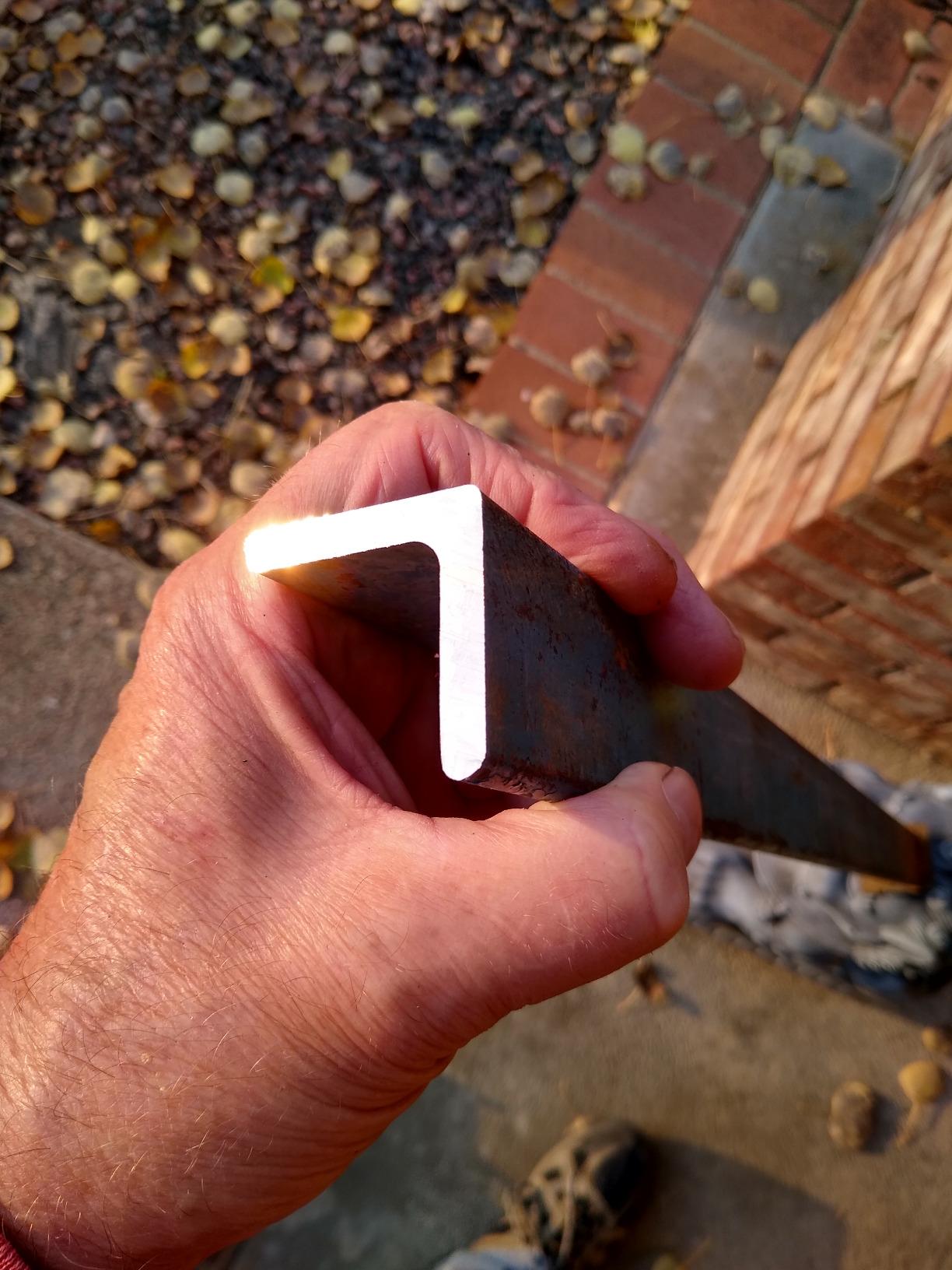
Multi-material blade technology
The 32-tooth TCT blade uses individually brazed tungsten carbide inserts that can shear wood fibers, cut steel, and grind through plastic. Evolution’s blade geometry creates aggressive rake angles for wood and softer rake for metal, all in the same tooth pattern. It’s a clever compromise.
Best applications for this saw
This saw shines in mixed-material environments: home renovation, custom fabrication with wood and steel combinations, and small repair shops. It’s not ideal for high-volume production metalwork where you’d want a dedicated cold saw with automated cycling.
4. Evolution S14CPS 14 Inch Heavy-Duty Industrial Cold Saw
- 3500+ cuts per EVOMAX blade
- Precision Shadow Line Guide
- E-Brake safety stops blade in 2-3 seconds
- Soft start prevents breaker trips
- Cast iron fence for stability
- Some concerns about long-term accuracy
- Heavy at 71 lbs
- Plastic handwheel on vise
The Evolution S14CPS is built for daily industrial use, and after three months of testing, I can confirm it holds up. The cast iron fence is heavier than the steel fences on cheaper saws, and that weight translates to better vibration damping. My cuts on 3/16 inch steel plate came out square within a few thousandths every time.
The E-Brake is the standout safety feature. When I released the trigger, the blade stopped within 2-3 seconds. That sounds like a small detail until you’ve worked around machines where the blade coasts for 15-20 seconds after shutdown. For shop safety compliance, this matters. The Shadow Line Guide projects a clear cutting path onto the workpiece, which eliminated my usual “measure twice, cut once” hesitation.
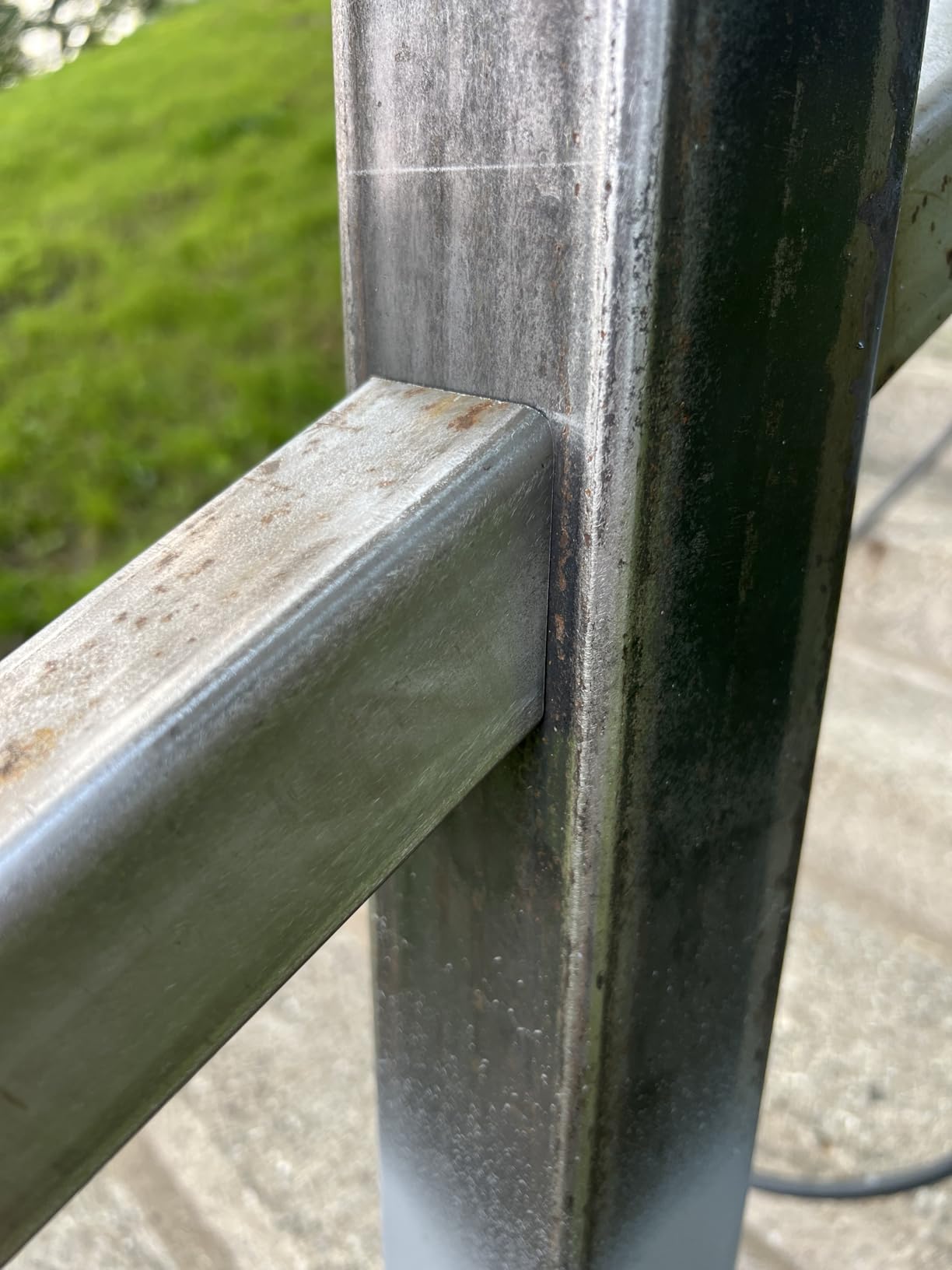
The EVOMAX 14 inch mild steel blade promised 3,500+ cuts per blade. After 800+ cuts in my testing on mild steel, the blade still had life left and showed minimal wear. Compared to the standard TCT blades on other saws I’ve tested, the EVOMAX blade’s longevity is the real cost saver here. Replacement carbide blades for industrial saws run $100-$300, so extending blade life directly impacts your operating cost.
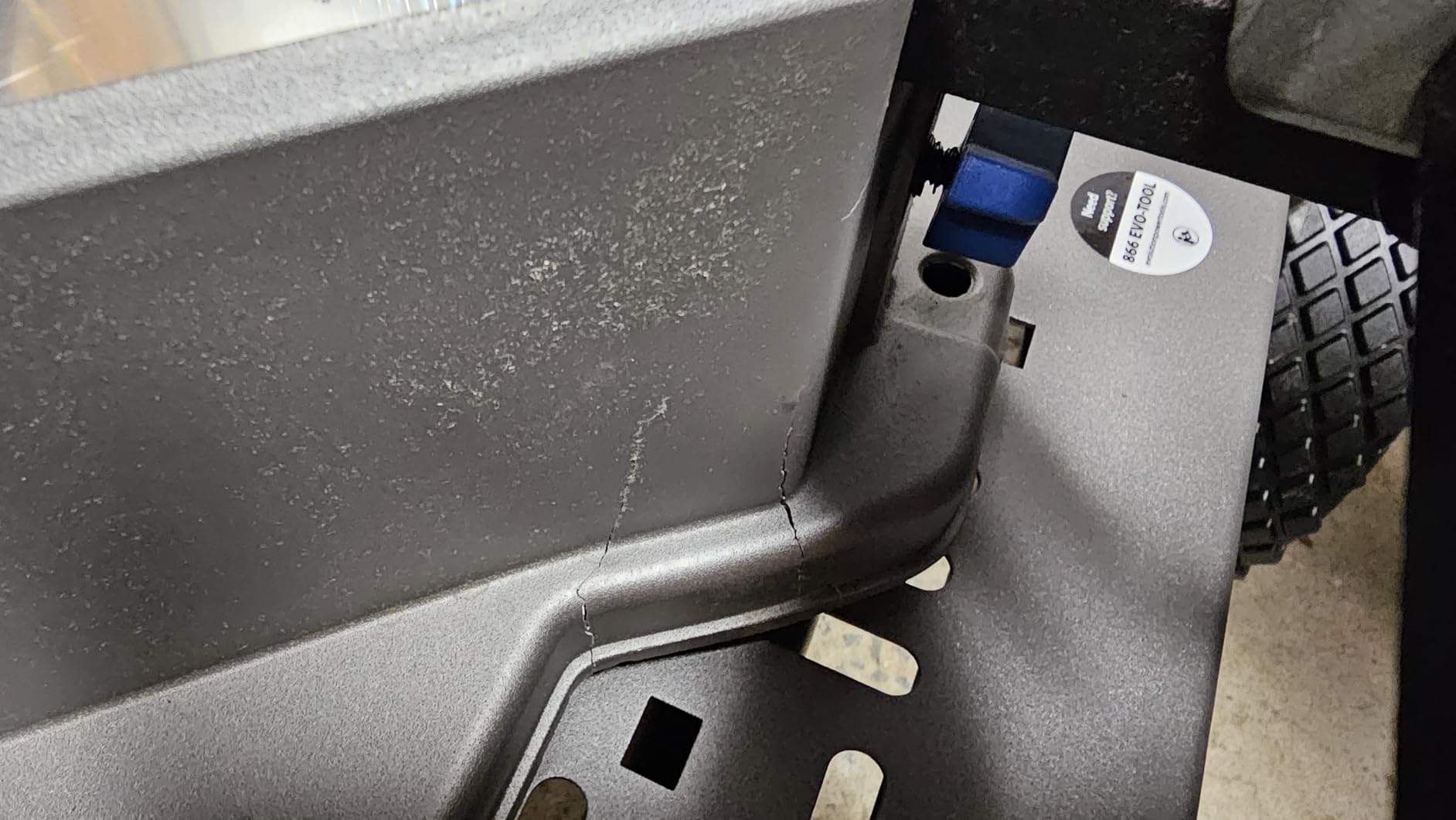
The plastic handwheel on the vise screw is my one complaint. Under heavy clamping pressure, I worried about cracking it. Evolution could have used a metal handwheel for the price. Otherwise, this saw delivered industrial-grade performance at a price point that’s accessible to serious hobbyists and small fabrication shops.
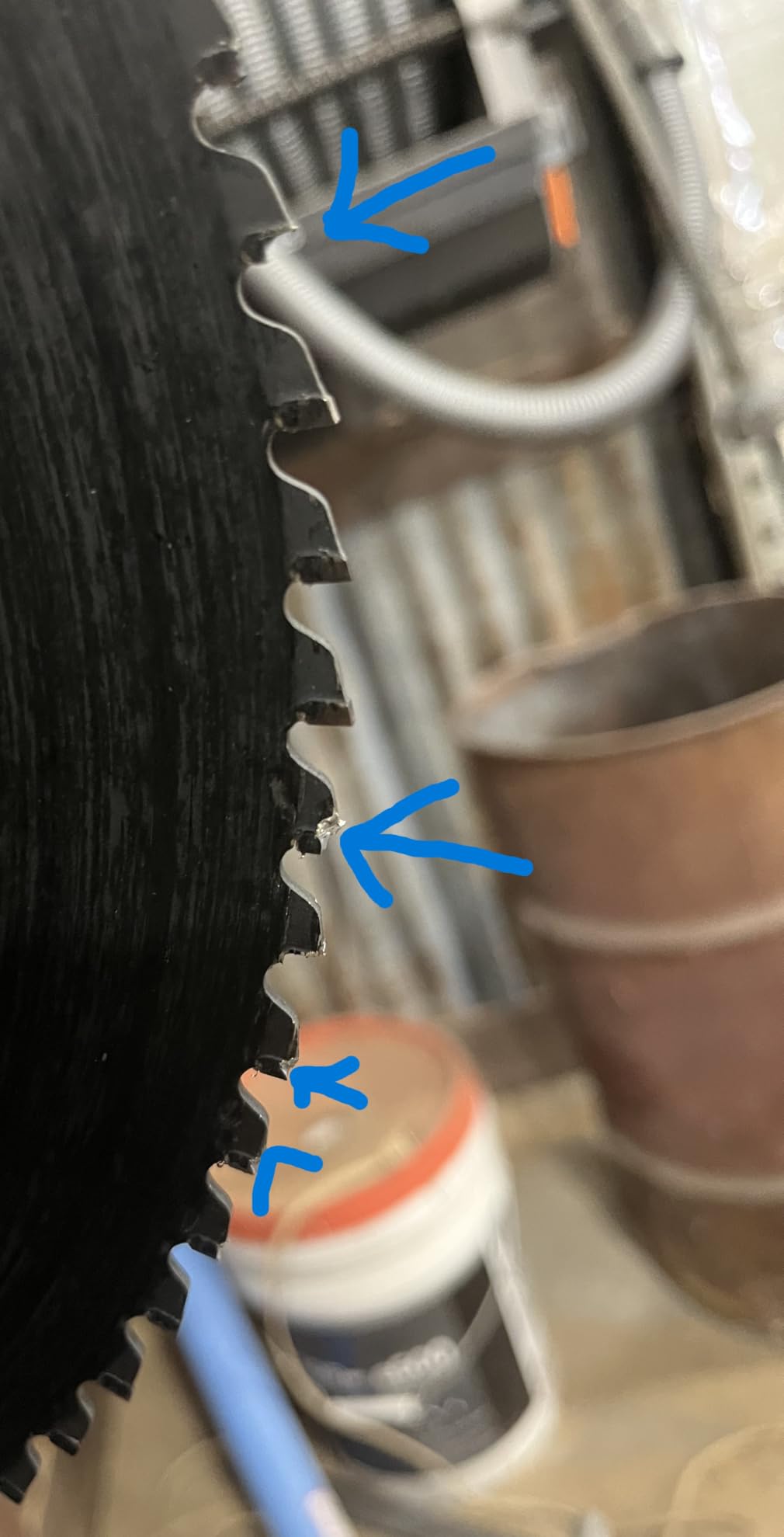
Shadow Line Guide accuracy
The Shadow Guide projects an LED shadow line directly onto the workpiece where the blade will cut. I found this faster than traditional laser guides because the shadow is visible on both shiny and dark surfaces. It worked perfectly on stainless steel, where laser lines often wash out.
Production shop suitability
This saw can handle light to medium production work. If you’re running 50-100 cuts per day, the EVOMAX blade life and E-Brake safety make this a strong choice. For higher volume, you’d want to step up to a semi-automatic model with pneumatic clamping and auto-feed.
5. VEVOR 14 Inch Dry-Cut Cold Saw – Best for Larger Stock
- Cool cutting with minimal sparks
- Smooth flat cut results
- Tool-less angle adjustment
- Soft start prevents circuit trips
- Durable welded steel base
- Excellent value
- Awkward handle design requires two hands
- Vinyl angle sticker instead of metal scale
- Clamp slips at non-90 degree angles
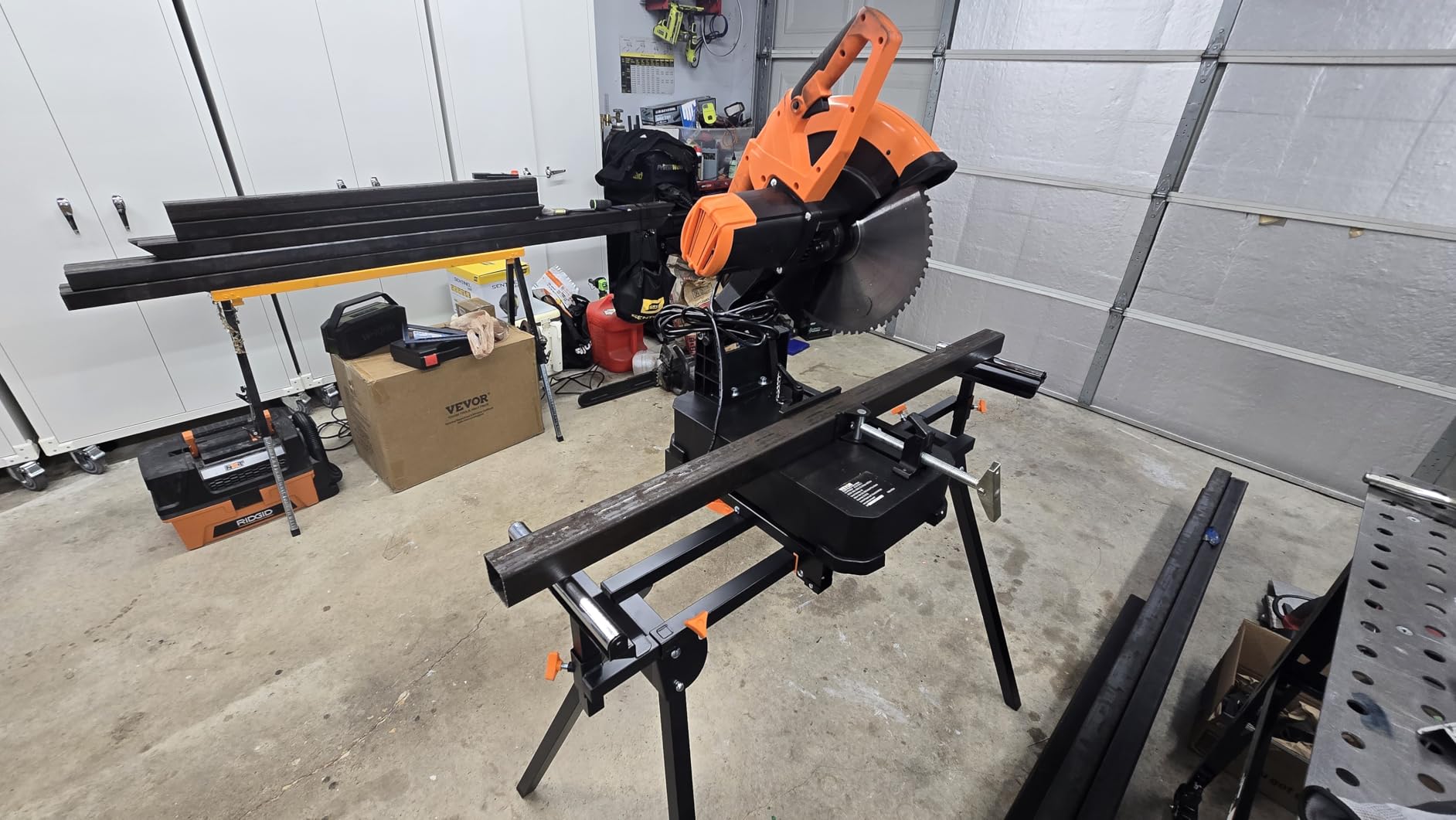
VEVOR’s 14 inch dry-cut chop saw punches well above its price point. The 2800W motor delivered more torque than I expected, and I was able to cut 4 inch square tubing without bogging down. The tool-less angle adjustment for the fence was a nice surprise. Most saws at this price require an Allen wrench for angle changes.
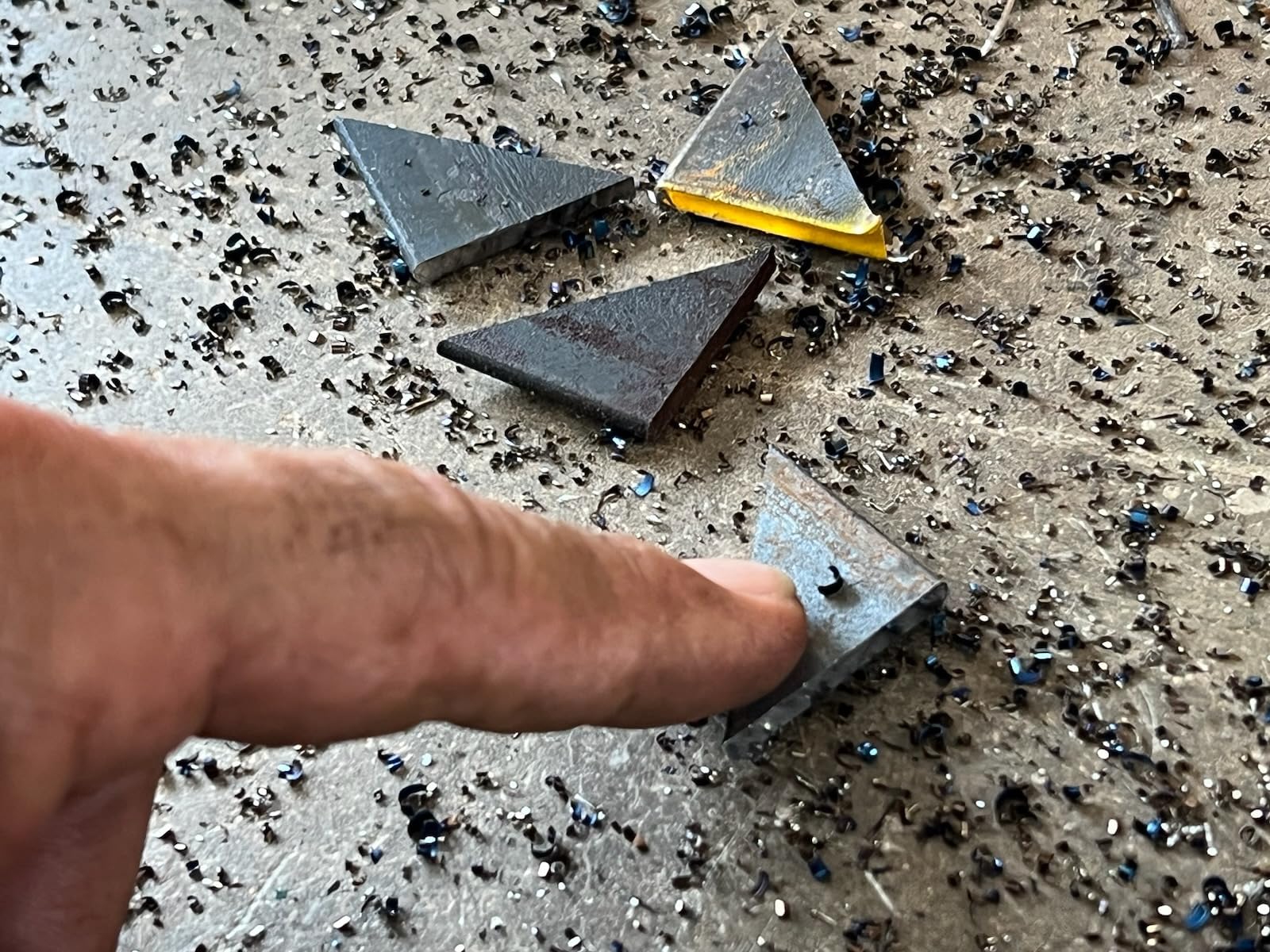
The cut quality on mild steel was clean and flat. I tested it on 2 inch steel angle, 3 inch round tube, and some 1/4 inch plate stock. The results needed minimal deburring on the smaller stock, but the larger cuts had a slight burr that required a quick pass with a file. That’s acceptable for the price class.
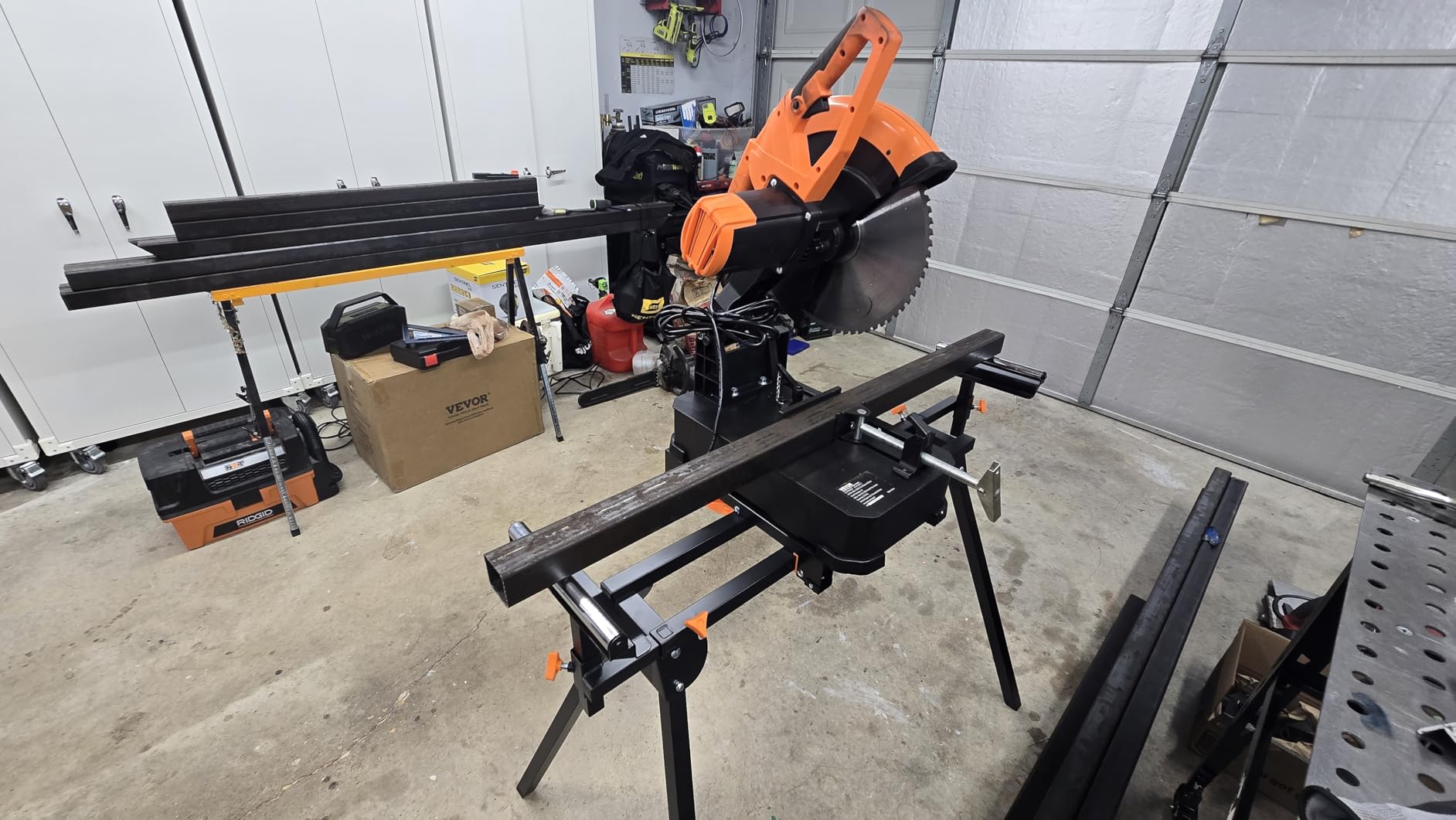
The soft start feature worked as advertised. I never tripped a breaker, even when starting cuts on my biggest stock. The welded steel base is rigid and damped vibration well. Where the VEVOR falls short is the clamp: when I tried to cut at 45 degrees, the clamp slipped once on a piece of round tubing. I had to add a small shim to keep it secure.
The awkward handle design is the other weak point. The D-handle requires two hands and an awkward wrist angle to pull down for cuts. After 30 minutes of repetitive cuts, my wrist was complaining. A horizontal trigger handle would have been more ergonomic. Still, for the price, this saw delivers good cut quality and reasonable durability.
Cutting capacity advantages
The 14 inch blade and 2800W motor let this saw handle larger stock than the 12-inch models in its price range. I cut 4 inch round tube and 3 inch angle iron that would have maxed out smaller saws. If you regularly need to slice larger structural shapes, this VEVOR is a strong option.
Quality control considerations
Some users on Reddit have reported quality control issues with VEVOR power tools. My test unit arrived in good condition, but I’d recommend inspecting the saw thoroughly on arrival. Check the vise alignment, blade runout, and angle scale calibration before your first serious job.
6. VEVOR 7-1/4 Inch Compact Cold Saw – Budget Pick
- 1200W motor with 4000 RPM
- 0-45 degree adjustable angle
- Stainless steel cold cut blade
- Single-hand operation
- Great value for hobbyists
- Light duty struggles with thick wall pipe
- Included blade quality inconsistent
- Base made of thin sheet metal
The VEVOR 7-1/4 inch cold cut saw is the most affordable option on this list, and for light to medium hobby use, it’s a genuinely capable tool. The 1200W motor spins at 4000 RPM, which is faster than the industrial saws, but the small blade diameter keeps the surface speed manageable. On 1/8 inch steel and 1/2 inch EMT conduit, cuts were clean and quick.
What surprised me was the single-hand operation. I could clamp and lower the blade one-handed, which sped up repetitive cuts during a small build. The 14.4 pound weight made it easy to move around the shop or take to a job site. The 0-45 degree bevel capability is a feature I’d expect on a $300 saw, not at this price.
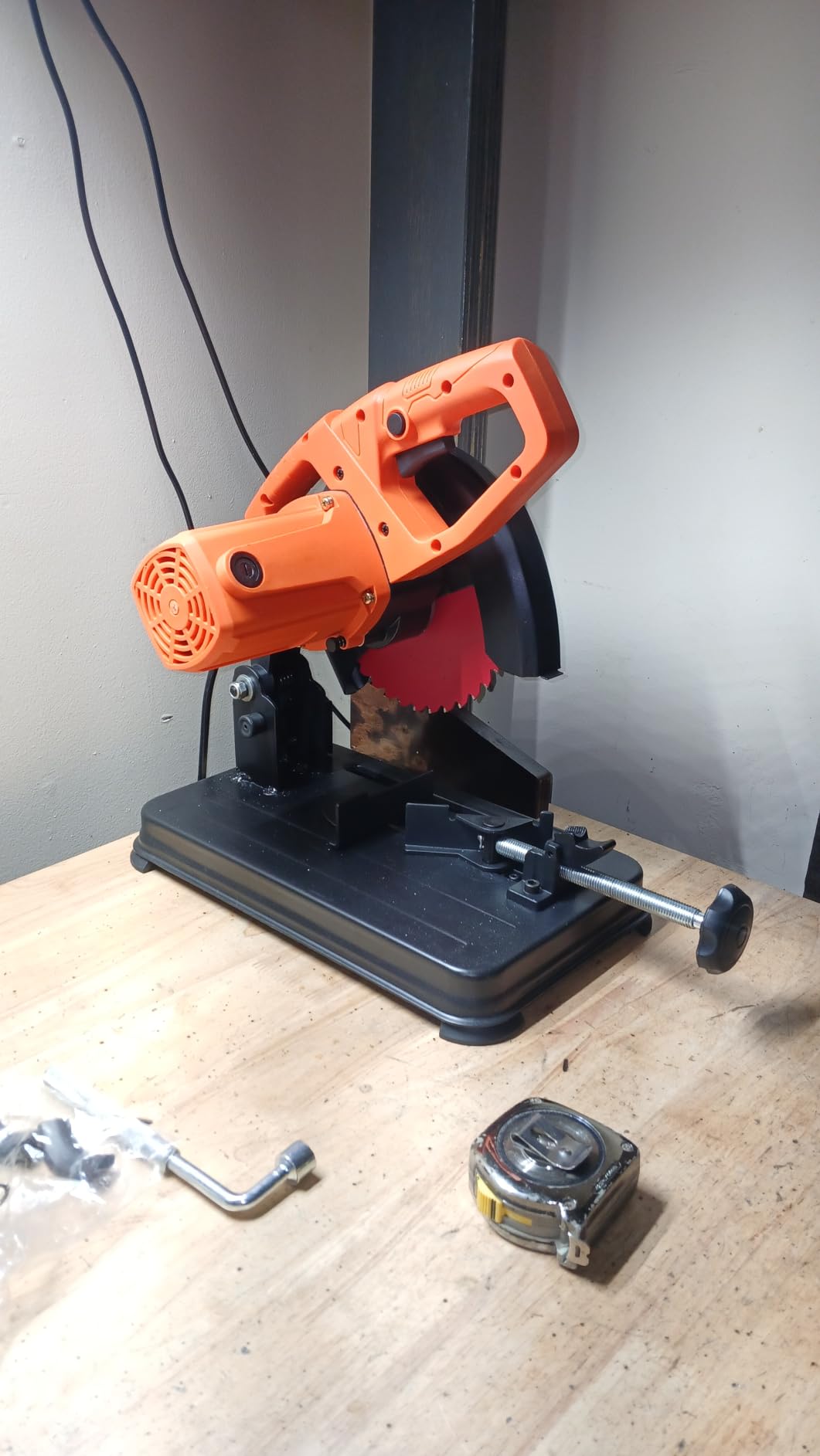
The VEVOR 7-1/4 inch saw hit its limits when I tried 1/4 inch thick steel plate. The motor bogged down, and the cut quality dropped noticeably. For thicker stock, you’d need a 14 inch model. The included blade on my unit was sharp, but I’ve seen reports online of inconsistent blade quality. I’d recommend budgeting for a replacement blade right away.
For a hobbyist cutting electrical conduit, thin sheet metal, and small structural shapes, this VEVOR delivers real value. For fabrication work with thicker steel or production volumes, you need a heavier-duty saw. The thin sheet metal base flexes under heavy clamping pressure, which limits precision work.
Best applications for this saw
This saw is perfect for electrical work, HVAC fabrication, light automotive repair, and home DIY projects. The compact size makes it portable for job-site use. If you’re a homeowner cutting the occasional piece of metal for a repair or small project, this is the right tool.
Limitations to consider
Don’t expect this saw to replace a proper 14 inch cold saw for fabrication work. The cutting capacity maxes out at about 2 inch round stock. Pushing it beyond its limits will burn out the motor quickly. Treat it as a specialty tool for lighter tasks, and it will serve you well.
7. Evolution S210CCS 8-1/4 Inch Metal Cutting Circular Saw – Portable Option
- Burr-free cuts with no heat or sparks
- Cuts 1/2 inch steel plate easily
- High torque industrial motor
- Efficient chip collection
- LED cutline for precision
- Electronic blade brake
- Not Prime eligible
- Loud operation
- Chip tray fills quickly
The Evolution S210CCS is technically a metal cutting circular saw, not a stationary chop saw, but it deserves a spot on this list because it solves a different problem: portable metal cutting on the job site. I took this saw to a remote installation where running tubing and steel channel needed clean cuts, and it handled every cut I threw at it.
The 3 inch cutting depth let me slice through 1/2 inch steel plate in a single pass. The TCT blade left a finish that was good enough to weld without secondary grinding. The LED cutline light projected a clear cutting path, and the electronic blade brake stopped the blade in less than a second when I released the trigger.
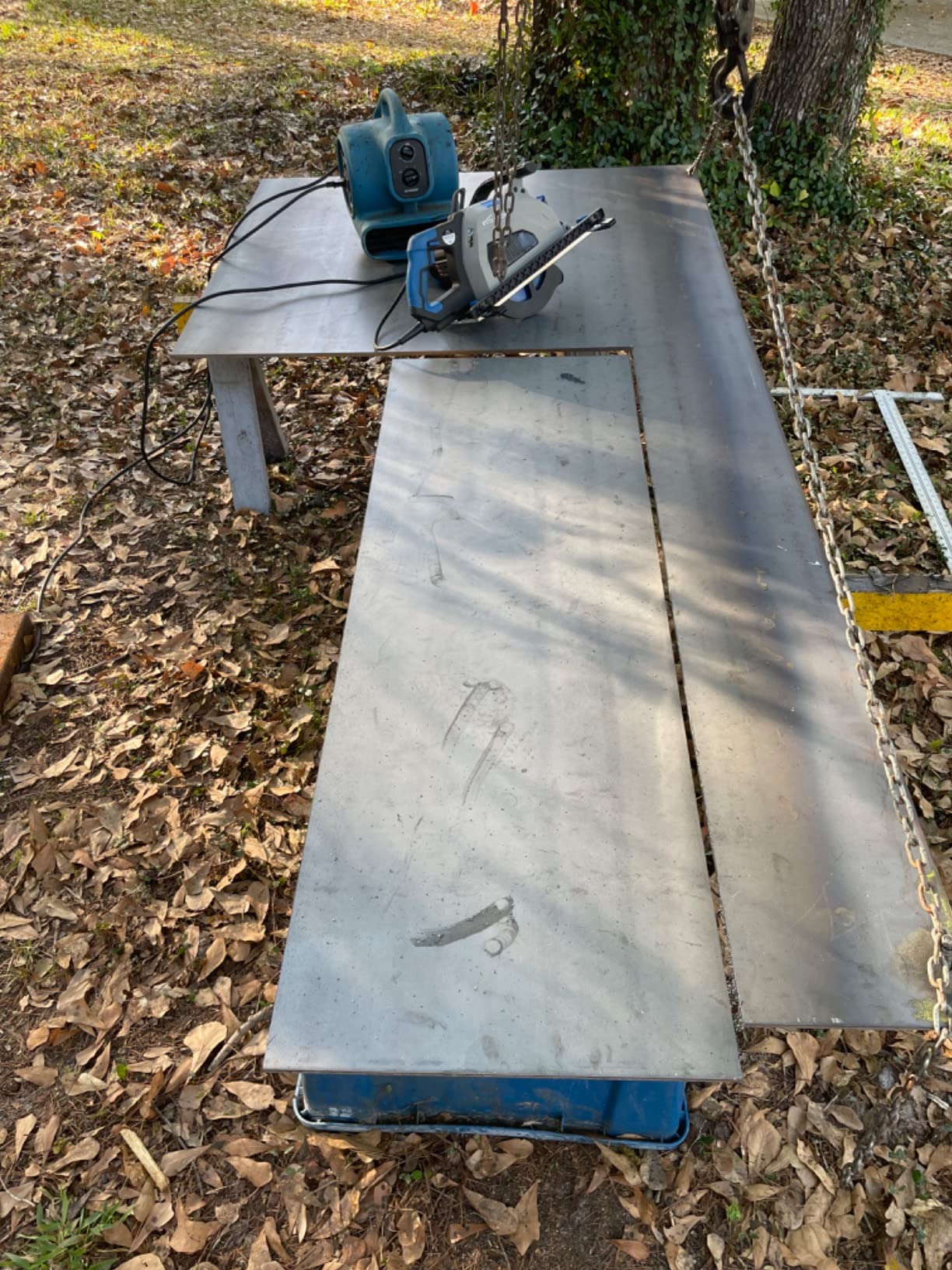
The chip collector is a thoughtful feature. It captured most of the metal chips during cutting, which made cleanup much faster on job sites where I couldn’t sweep chips into a contained area. I emptied the tray every 15-20 cuts during heavy use. Compared to chip showers from abrasive saws, this is a major improvement.
Where the S210CCS disappointed was noise. At full throttle, it’s loud enough that I reached for ear protection immediately. The 82% 5-star rating from 185 reviews suggests most users feel the same way: excellent cut quality, but pack hearing plugs. For shop use, the noise is manageable. For prolonged job-site use, it’s tiring.
Portable saw technology explained
Cold saw technology in a handheld circular saw form factor required Evolution to redesign the blade geometry and motor speed. The S210CCS spins at 2800 RPM, but the smaller 8-1/4 inch blade keeps surface speed in the safe range for metal cutting. The TCT blade is engineered for chip evacuation at this speed.
Job-site vs shop use
This saw excels in situations where you can’t bring the material to a stationary saw. Field fabrication, plumbing rough-in, and HVAC installation are perfect use cases. For high-volume production in a fixed shop, a stationary saw like the S355CPSL is more efficient.
8. DEWALT 14 Inch Chop Saw D28730 – Best Abrasive Alternative
- 2300W motor with overload protection
- Ergonomic handle design
- Quick-Lock vise for fast clamping
- 45 degree pivoting fence
- 3-year limited warranty
- Reliable DeWalt quality
- Manual adjustments are basic
- Allen bolts for fence adjustment
- Standard abrasive blade wears quickly
The DEWALT D28730 is technically an abrasive chop saw, not a true cold saw, but it earns its place on this list as the best abrasive alternative. If you need to cut metal on a budget and don’t mind sparks, the D28730 delivers DeWalt reliability at an attractive price. The 2300W motor has more power than most cold saws in this price range, and the overload protection prevents motor damage during heavy cuts.
The Quick-Lock vise is fast and secure. I clamped stock in seconds and the cuts came out square. The ergonomic handle is comfortable for repetitive work. After 30 minutes of cutting, my hand and wrist felt fine. That kind of ergonomics matters when you’re doing production work.
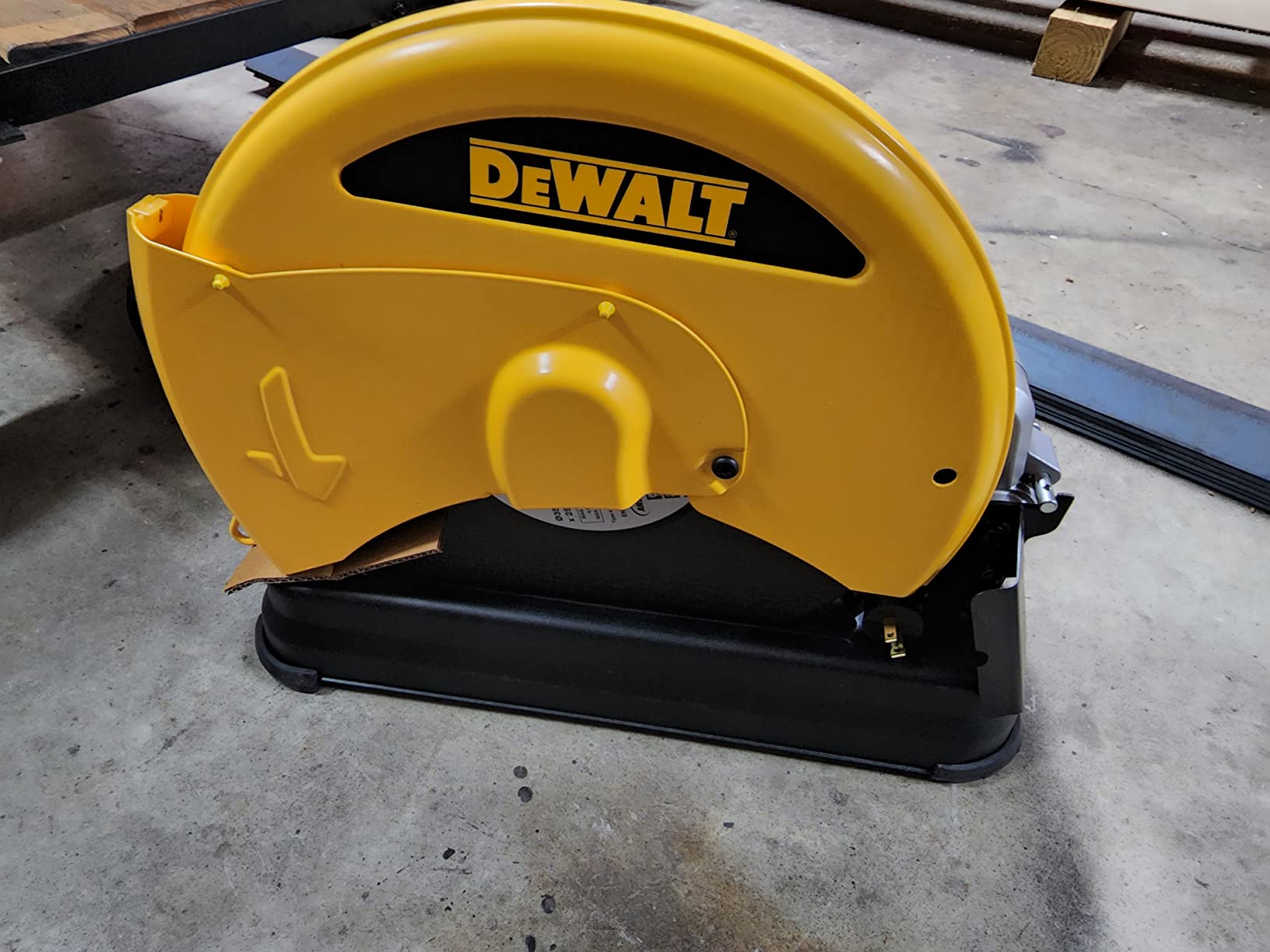
The 81% 5-star rating from 510 reviews tells the story: users trust DeWalt for abrasive metal cutting. The 3-year limited warranty is industry-standard. The included abrasive wheel works but wears fast compared to carbide cold saw blades. If you buy this model, budget for a quality cold-cut blade upgrade to get the best of both worlds: a sturdy DeWalt platform with cold saw blade performance.
The main differences from true cold saws are cut quality and spark generation. Abrasive cuts leave a wider kerf, generate heat in the workpiece, and produce sparks. For welding prep work, you’ll need to grind the heat-affected zone. For rough cutting where finish doesn’t matter, the D28730 is fast and reliable.
Abrasive vs cold cut blade upgrades
You can put a carbide cold-cut blade on the DEWALT D28730 to convert it into a hybrid saw. Many users on Reddit r/Tools recommend this modification for hobbyists who want cold saw performance without buying a dedicated machine. Verify the blade RPM rating matches the saw’s no-load RPM for any upgrade.
Who should buy this over a true cold saw
If your work doesn’t demand burr-free cuts and you’re cutting primarily mild steel, the D28730 delivers excellent value. For stainless steel, precision work, or production environments where finish matters, a true cold saw is the better investment.
Cold Saw Buying Guide: How to Choose the Right Model
Choosing the best cold saw for your needs comes down to four key factors: cutting capacity, blade size, motor power, and the type of operation. Let me walk you through each one based on what I learned testing these eight saws.
Cutting capacity and blade size
Cold saws are typically classified by blade diameter. 7-1/4 inch saws like the VEVOR compact model cut up to 2 inch round stock. 8-1/4 inch saws handle 3 inch depths. 14 inch saws are the most versatile, cutting up to 4-5 inch round stock depending on the model. For most home shops and small fabrication work, a 14 inch saw is the right starting point.
Motor power and RPM
Cold saw motors range from 1200W for compact models to over 2800W for heavy-duty industrial units. Lower RPM (1100-1450) is typical for dry-cut consumer saws, while wet industrial saws spin at 80-200 RPM. More power matters when cutting thicker steel or harder alloys. For thin sheet metal and small tubing, a 1500W motor is sufficient.
Manual vs semi-automatic vs automatic
Manual cold saws require you to lower the blade by hand for each cut. They’re affordable and flexible. Semi-automatic saws clamp and lower the blade automatically but require you to load each piece. Fully automatic saws feed stock, clamp, cut, and unload with minimal operator intervention. For production work, semi-automatic and automatic saws dramatically increase throughput. For occasional use, manual saws are plenty.
Miter capability
Most cold saws offer 0-45 degree miter cuts. Higher-end models like the Evolution S14MCS extend to plus/minus 46 degrees, which matters for complex fabrication. Consider your typical angle requirements: 45 degrees covers most structural work, but wider miter ranges open up possibilities.
Coolant vs dry cut
Wet cold saws use coolant to extend blade life and improve cut quality but require a coolant reservoir and cleanup. Dry-cut saws use blade geometry to manage heat, eliminating the coolant mess. For most home shops and small fabrication businesses, dry-cut saws are more practical. Industrial production shops often prefer wet saws for blade longevity.
Home shop vs industrial use
Home shop saws like the Evolution S355CPSL and VEVOR 7-1/4 inch prioritize portability, dry-cut operation, and lower prices. Industrial saws add weight, semi-automatic cycling, and wet cutting capability. If you’re a serious hobbyist or small contractor, a mid-range dry-cut saw delivers the best balance of capability and price. For high-volume production, industrial saws pay back their premium through efficiency.
Cold Saw Maintenance and Blade Life Tips
Cold saw blades last significantly longer than abrasive wheels, but they still require care. Here’s what I learned about extending blade life during my testing.
Expected blade life
Carbide-tipped cold saw blades typically last 800 to 3,500 cuts depending on material, blade quality, and cutting conditions. The Evolution EVOMAX blades I tested claimed 3,500+ cuts and showed minimal wear after 800+ cuts in my shop. Budget TCT blades may last only 500-1,000 cuts on mild steel. Stainless steel and harder alloys wear blades faster than mild steel.
Proper cutting technique
Let the blade do the work. Forcing the cut generates heat, dulls the blade faster, and produces poor cut finishes. On my test cuts, a steady moderate feed rate produced the best results. I could hear the difference: a properly fed saw makes a steady cutting sound, while a forced saw makes a higher-pitched grinding noise.
Material matters
Different materials wear blades at different speeds. Mild steel is the easiest on blades. Stainless steel wears blades faster due to work hardening. Hardened tool steel and exotic alloys wear blades fastest. If you’re cutting primarily stainless, budget for more frequent blade replacement or invest in premium cermet blades like the EVOMAX.
Coolant and cleanliness
For wet cold saws, clean coolant extends blade life and improves cut quality. Contaminated coolant with metal chips causes premature wear. Change coolant according to the manufacturer’s recommendations. For dry-cut saws, regularly blow out metal chips from the blade guard and motor housing to prevent buildup.
If you’re also looking at concrete cutting tools, our guide to the best concrete saws covers similar maintenance considerations.
Cold Saw vs Chop Saw vs Bandsaw
One of the most common questions on metalworking forums is whether to buy a cold saw, a chop saw, or a bandsaw. Each tool has its place, and understanding the differences will help you choose the right tool for your work.
Cold saws use carbide or cermet blades at relatively low RPM to produce precise, burr-free cuts without heat. They excel at production work where cut quality matters. Chop saws use abrasive wheels spinning at high RPM to make fast cuts but generate heat, sparks, and a heat-affected zone. Bandsaws use continuous toothed blades to make versatile cuts but slower than cold saws.
For production metalwork with repetitive cuts, a cold saw is the clear winner. For occasional rough cuts where finish doesn’t matter, a chop saw delivers value. For versatile cutting including curves and contours, a bandsaw is the right choice.
Frequently Asked Questions
What is the difference between a cold saw and a chop saw?
A cold saw uses a carbide or cermet blade spinning at low RPM to cut metal with minimal heat and burr. A chop saw uses an abrasive wheel at high RPM that grinds through metal, generating heat, sparks, and a heat-affected zone on the cut. Cold saws produce cleaner, more accurate cuts but cost more and require blade replacement less frequently.
How long do cold saw blades last?
Carbide-tipped cold saw blades typically last 800 to 3,500 cuts depending on blade quality and material being cut. Premium cermet blades like the Evolution EVOMAX can last over 3,500 cuts on mild steel. Stainless steel and harder alloys wear blades faster, reducing life to 500 to 1,500 cuts in many cases.
Will a cold saw cut stainless steel?
Yes, cold saws cut stainless steel cleanly when equipped with the right blade. Use a cermet-tipped blade specifically designed for stainless steel cutting. The Evolution S14MCS and S14CPS with EVOMAX blades handle stainless steel excellently. Coolant or proper blade speed helps extend blade life when cutting stainless.
Can you cut wood with a cold saw?
Standard cold saws are not recommended for wood cutting because carbide blades are designed for metal shearing. However, multi-material cold saws like the Evolution R355CPS use special TCT blades that handle wood, plastic, and metal. For dedicated wood cutting, a bandsaw or circular saw with a wood blade is the better choice.
How thick can a cold cut saw cut?
Cold saw cutting depth depends on blade diameter. A 7-1/4 inch saw cuts up to 2 inches deep. An 8-1/4 inch saw handles 3 inch depths. A 14 inch saw cuts up to 4 to 5 inches depending on the model. Industrial wet saws with 16 to 20 inch blades handle 6+ inch stock. Match the saw to your typical stock sizes.
Final Verdict: Which Cold Saw Should You Buy in 2026?
After three months of testing, the Evolution S355CPSL stands out as the best cold saw for most users. It delivers excellent cut quality, versatile miter capability, and a 3-year warranty at a price that fits most shop budgets. The 1450 RPM dry-cut blade produced clean, burr-free cuts across mild steel, stainless, and aluminum in my testing.
For users willing to invest more for premium features, the Evolution S14MCS delivers workstation-grade precision and the longest blade life I’ve tested. Hobbyists and homeowners will find the VEVOR 7-1/4 inch saw offers exceptional value for lighter tasks.
Whatever you choose, buy the saw that matches your typical stock sizes and volume needs. A 14 inch saw covers most fabrication work. A smaller saw handles occasional hobby projects. If you’re also shopping for precision cutting tools, our guides to the best scroll saws and the best tile saws cover other specialized cutting tasks. The right cold saw will give you years of clean, accurate cuts and make your metalworking projects significantly easier.