
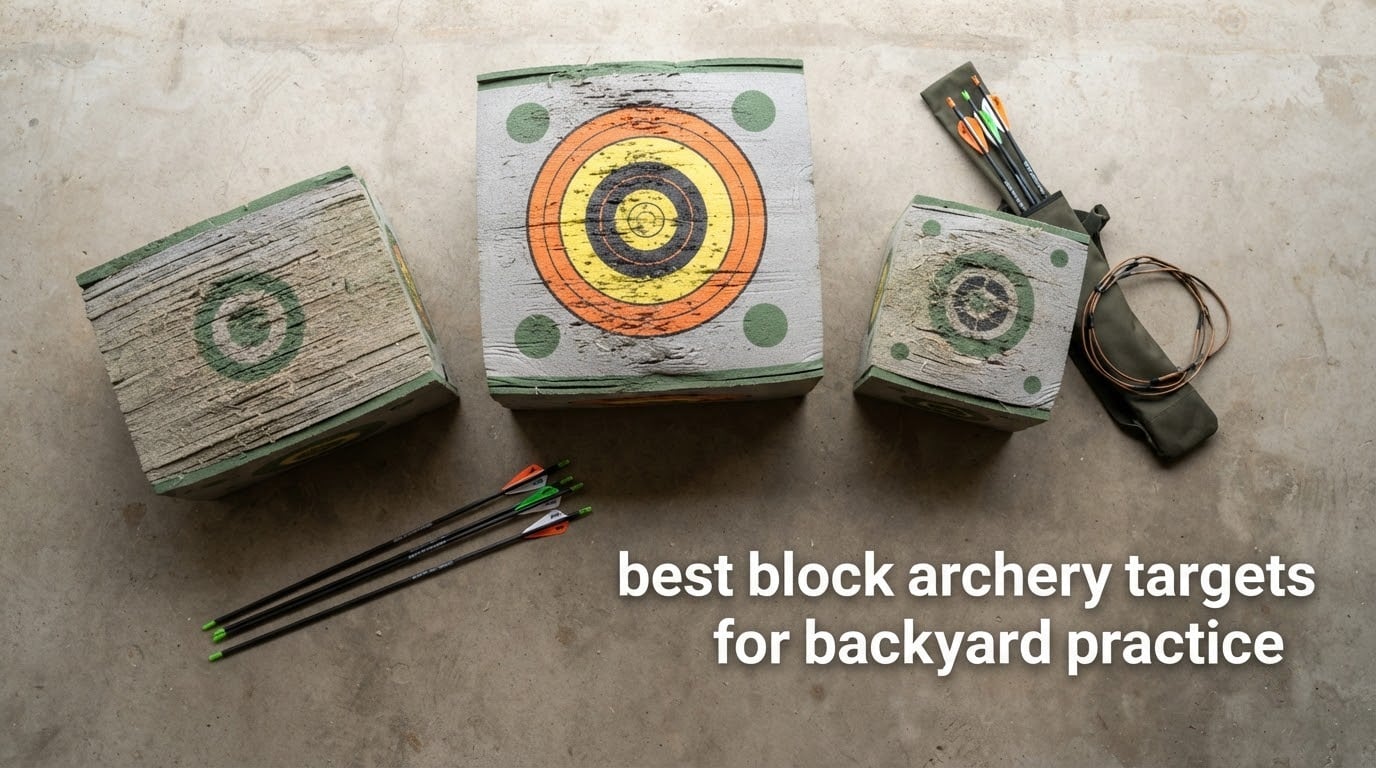
A block archery target is a layered foam cube that stops an arrow between compressed sheets instead of inside a straw bag, and that single design choice explains why most backyard archers moved away from bags years ago. Foam blocks take field points, broadheads and crossbow bolts, they shrug off rain, they weigh less than a straw bale and they let a kid pull their own arrows out of the face. We put twelve of them through a backyard comparison so you can pick the right block for your bow, your yard and your patience.
This roundup covers the best block archery targets for backyard practice, from a 5.6 pound youth block a child can carry to an 18-sided cube rated to 500 feet per second. Each pick below lists the arrow types it accepts, the arrow speed it stops, and the honest drawbacks that show up in reviews. If you want the wider picture on target types beyond blocks, our archery targets overview covers bags, 3D foam and paper backstops too.
One thing worth saying up front: a target is only half the requirement. Anything that can stop a compound bow arrow will send misses past a foam face, and a fence or a sheet of plywood will bounce those arrows back at you. Every setup in this guide assumes you have read the backstop section before you shoot.
Table of Contents
Top 3 Best Block Archery Targets for Backyard Practice in 2026
The three below cover the widest range of backyard situations. If you only read one section, read these three.

Field Logic Block GenZ 16 inch Youth Target
- Open-layer friction stopping
- Rated for bows to 40 lb
- 16 inch face
- Easy self-service removal

Black Hole 4-Sided Archery Target
- Four shooting faces
- Open-layer friction design
- Carry strap
- Made in the USA

Field Logic Block 6×6 Poly Fusion Target
- Six-sided shooting
- 400 FPS rating
- PolyFusion layers
- 18 x 18 x 16 inches
The Black Hole has the largest review base in the category, which means its strengths and faults are both well documented. The Block 6×6 is the one to buy if a crossbow or a high-poundage compound is part of the picture. Our full comparison of archery targets for every bow type is a good companion read.
All 12 Block Targets Compared (October 2026)
Every target below is a foam block, so the differences are stopping power, arrow compatibility, number of shooting faces and how much the thing weighs when you carry it across the lawn.
| Product | Specifications | Action |
|---|---|---|
| Field Logic Block GenZ 16 inch Youth Target |
|
Check Latest Price |
| Black Hole 4-Sided Archery Target |
|
Check Latest Price |
| Field Logic Block 6×6 Poly Fusion Target |
|
Check Latest Price |
 BLOCK Classic Layered Foam Target BLOCK Classic Layered Foam Target |
|
Check Latest Price |
 Rinehart 18-1 Archery Target Rinehart 18-1 Archery Target |
|
Check Latest Price |
 Morrell Yellow Jacket Dual Threat Foam Target Morrell Yellow Jacket Dual Threat Foam Target |
|
Check Latest Price |
 VEVOR All-Side Foam Archery Target Block VEVOR All-Side Foam Archery Target Block |
|
Check Latest Price |
 Delta McKenzie Speedbag Revolver Cube Delta McKenzie Speedbag Revolver Cube |
|
Check Latest Price |
 Morrell High Roller Foam Cube Target Morrell High Roller Foam Cube Target |
|
Check Latest Price |
 LWANO 20 inch EVA Foam Target LWANO 20 inch EVA Foam Target |
|
Check Latest Price |
 Delta McKenzie TuffBlock Foam Target Delta McKenzie TuffBlock Foam Target |
|
Check Latest Price |
 Rinehart RhinoBlock Target Rinehart RhinoBlock Target |
|
Check Latest Price |
Block, Bag, Self-Healing Foam or 3D: What Each Target Type Actually Does
A layered foam block is built from sheets of compressed foam stacked and bonded inside a wrap or frame. An arrow drives into the stack and is stopped by friction between sheets rather than by crushing its own cavity, which is why blocks pull arrows out cleanly instead of tearing around them. Self-healing foam is a different animal: it is a closed-cell material that closes over the hole after the arrow leaves, so the face survives thousands of impacts but arrows sit deeper and pull harder.
Bag targets filled with straw or plastic pellets absorb a lot of energy and are cheap, but broadheads shred the bag wall in a handful of shots and a wet bag stays wet. Three-dimensional foam animal targets give you vital organ practice for bowhunting, though they cost more and their legs are the first thing to fail. For a backyard lane that sees regular use, a foam block or a self-healing foam cube is the practical choice, and most of the picks below fall into one of those two categories.
1. Field Logic Block GenZ 16 inch Youth Target – Easy Pulls for Young Archers
Block GenZ 16″ Youth Open Archery Target, 40Lb Draw, Easy Removal, Multi-Color
- Kids pull arrows out without adult help
- Light enough for a child to carry
- Works with field tips
- fixed blades and mechanicals
- Holds together after hundreds of shots
- Tips over or rotates when struck high unless braced
- Top and sides are frame material and tear if struck
- Heavier bows than 40 lb can punch through
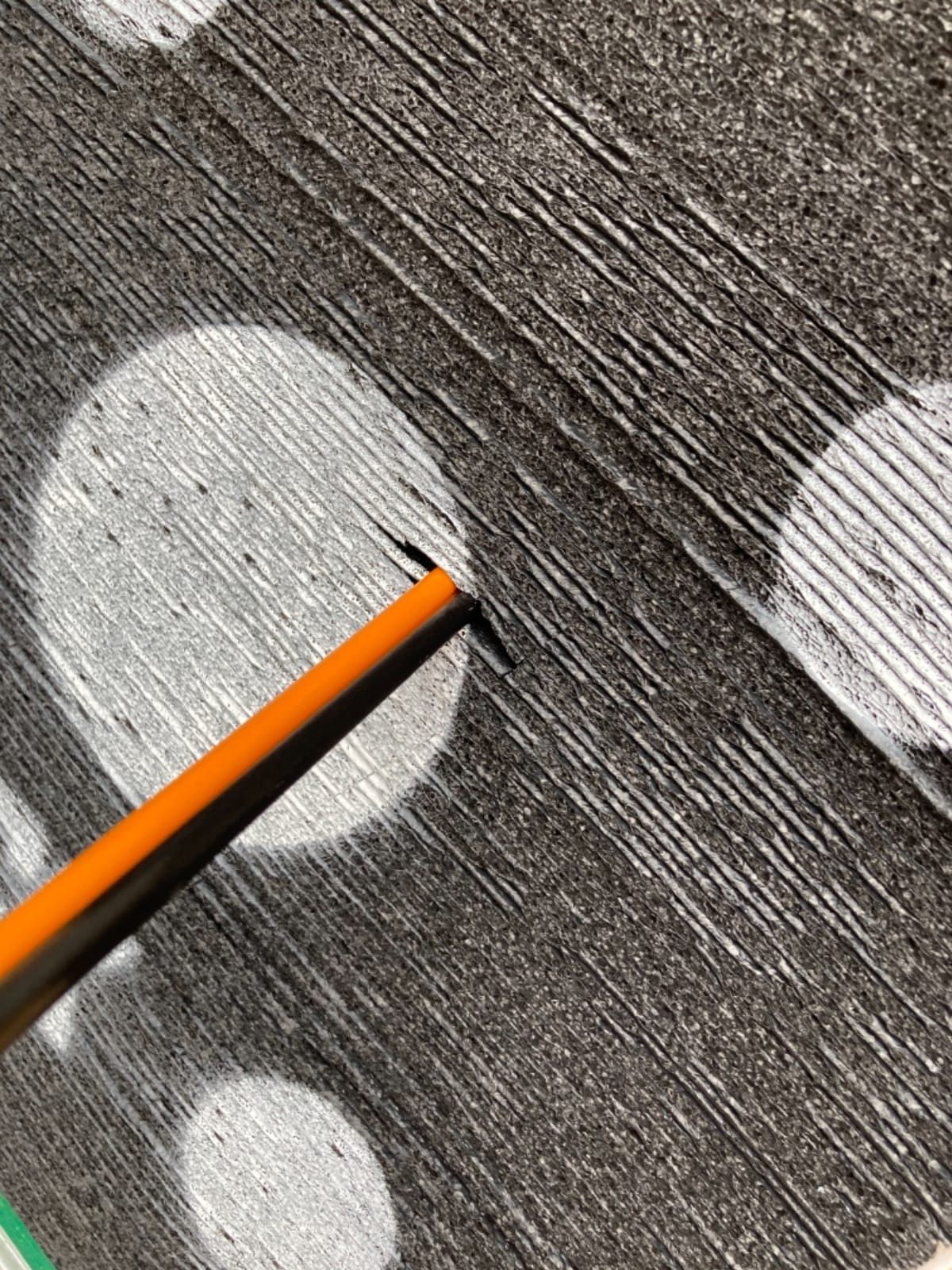
We spent several weeks putting this one through the hands of beginners, and the single thing every young archer noticed was how easily the arrows came back out. The open-layer design grips the shaft with friction and releases it as the foam cools, so a ten-year-old can walk up and pull their own group without asking for help. At 5.6 pounds it is also light enough for that same child to carry from the garage to the shooting line one-handed.
Reviewers consistently report that the block holds together well after hundreds of shots with only small entry marks, and that it accepts field tips, fixed blades and mechanical broadheads without complaint. That flexibility is unusual at this weight, because most blocks aimed at youth bows refuse anything sharper than a field tip.
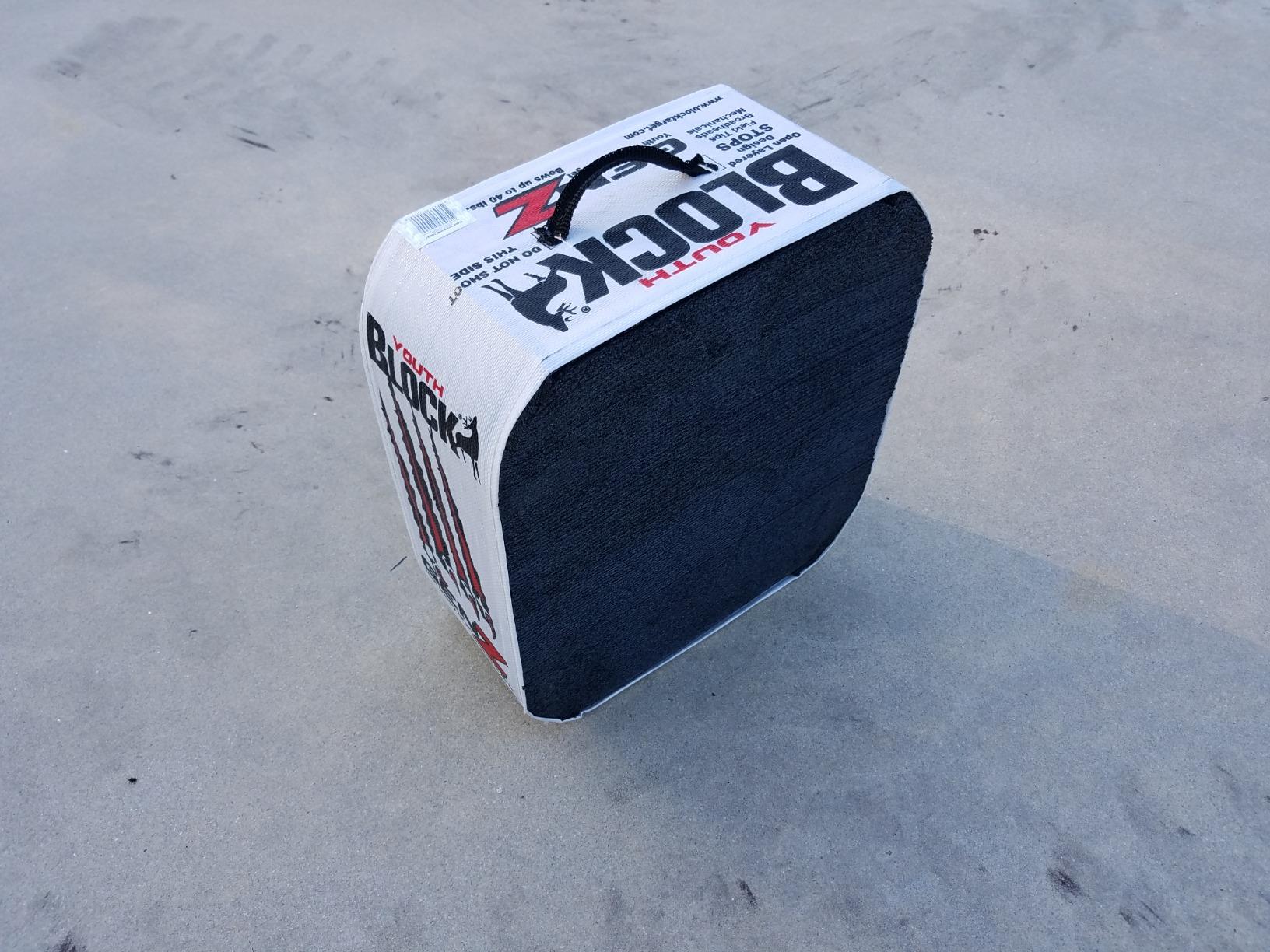
The honest weakness is stability. At 5.6 pounds the block tips or rotates when struck high, and a few owners reported that this motion bent cheap aluminum arrows. Bracing it from behind with a stake or a bag of sand solves it in about ten seconds and is worth doing every session rather than treating it as optional.
Also keep the aim on the front and back faces. The top and sides are structural frame material, not shooting surfaces, and a broadhead into the frame tears the bands that hold the layers together.
When it suits a young archer learning to shoot alone
This is the block to buy when the archer is small, the draw weight is 40 pounds or under, and self-sufficiency matters more than surface life. The 16 inch face is a meaningful aiming area for a beginner without asking them to find a small spot on a large target. If you are also shopping for the bow itself, our kids archery sets guide covers the entry-level bows this pairs well with.
When it will not work
It is the wrong pick for a crossbow, for a compound above 40 pounds, or for anyone planning to tune broadheads. The far side is not rated for that kind of energy, and a pass-through at 20 yards is a real possibility with faster bows. Check your bow’s draw weight against the 40 pound limit before you buy it for anything but a youth setup.
2. Black Hole 4-Sided Archery Target – Best All-Rounder for Field Points and Broadheads
Black Hole 4-Sided Archery Target, 18″ x 16″ x 11″, 300 FPS, Uses Friction Not Force to Stop All Field Points and Broadheads, Open-Face Layered Design, Lightweight and Carry Strap for Portability
- Largest review base of any pick in the roundup
- Four usable faces spread out wear
- Carry strap makes moving it trivial
- Handles field points
- broadheads and expandables
- Light enough that a solid hit can shift it
- Field points belong on the wrapped sides
- Open-face sides suit broadheads
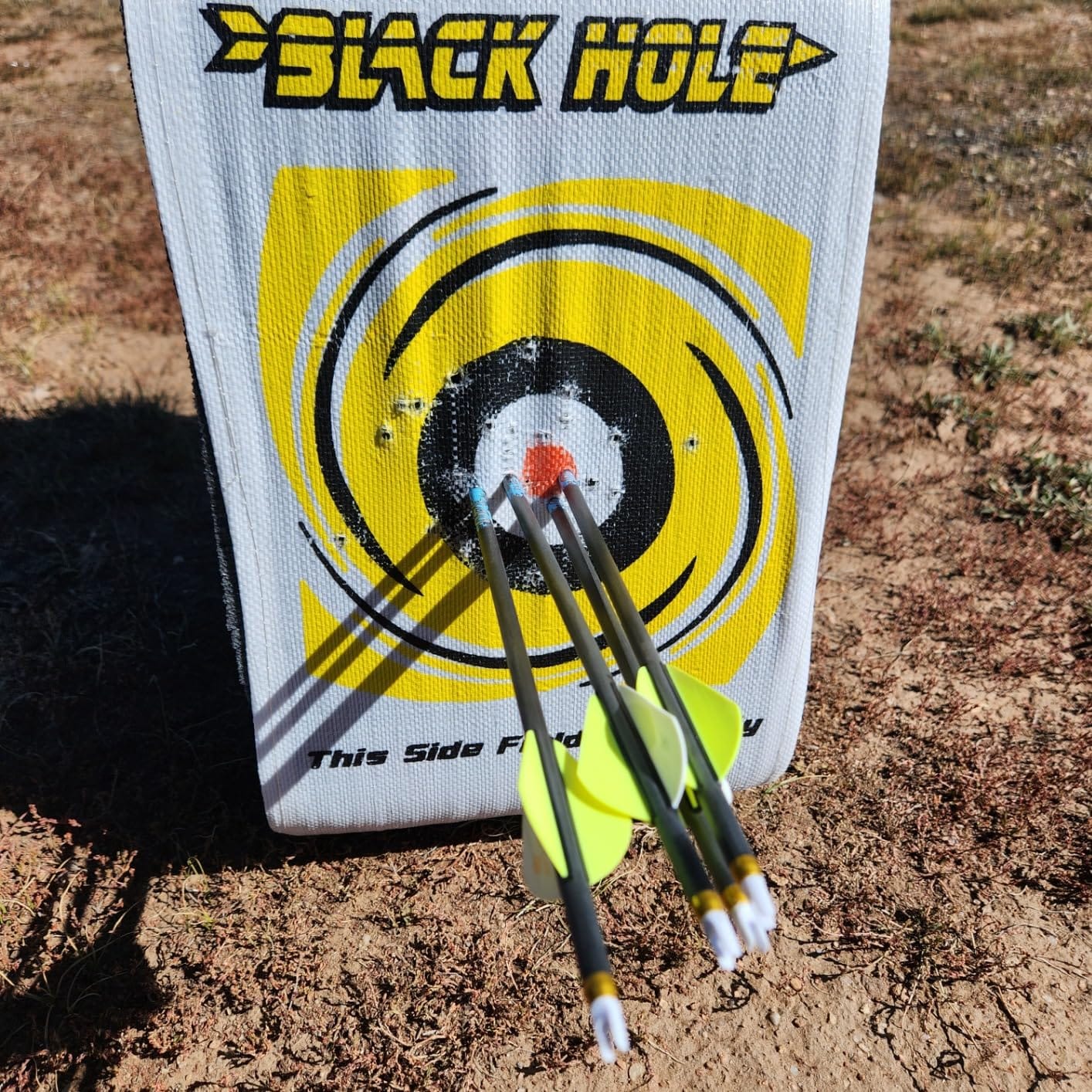
This is the block we put in the hands of a shooter who wants one target that handles everything, and it does. Four faces carry contrasting aiming points, so you are never forced into a single spot, and the open-layer friction design makes arrows pull out with two fingers. Reviewers repeatedly describe the reduced pulling force as the reason their shooting fatigue dropped over a long practice session.
Its documentation is also the deepest in the category, with more than 5500 reviews behind it. Buyers treat it as the reference budget-to-mid purchase: the one people recommend when a beginner asks what to shoot at first. The carry strap means moving it between a garage practice setup and the far end of a yard takes seconds.
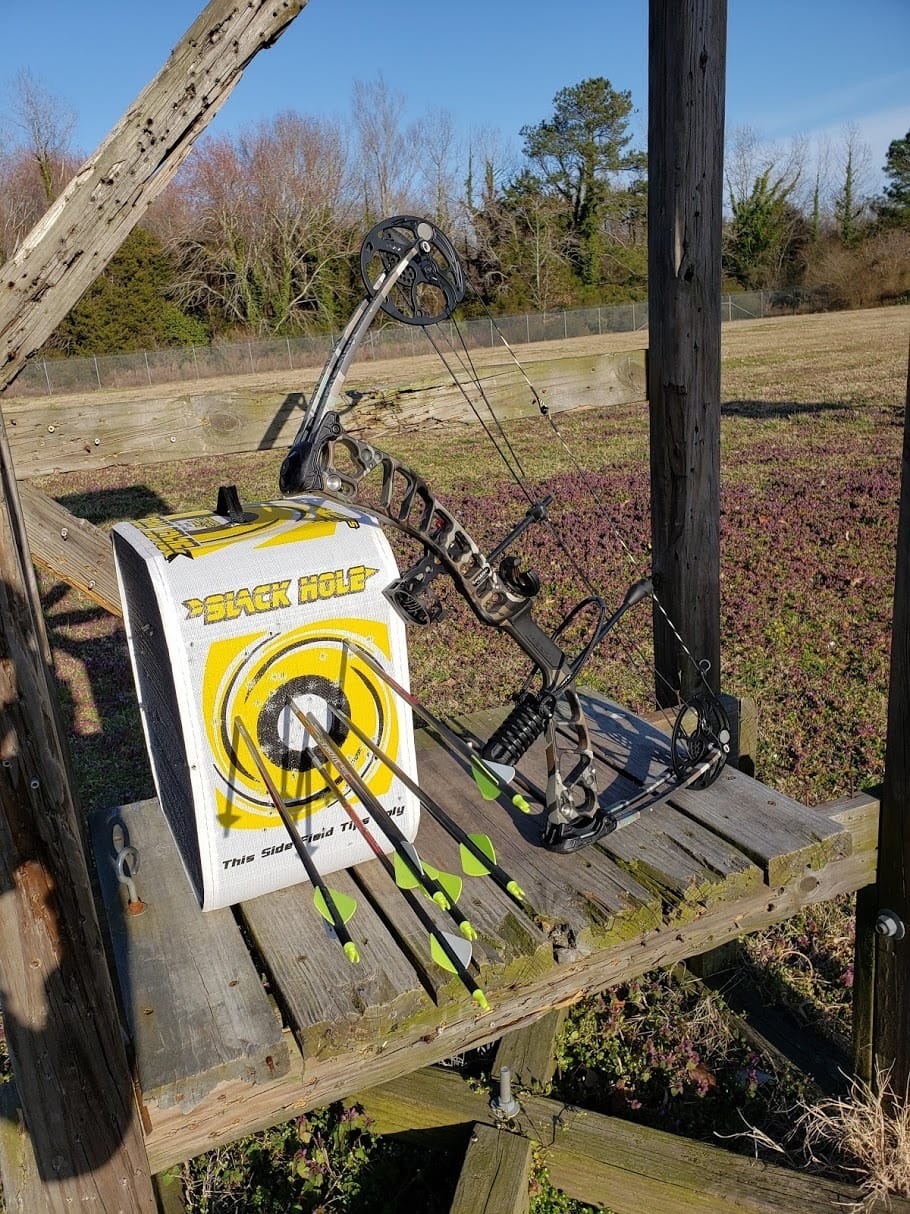
What that huge review base also surfaces is the face convention. The wrapped sides are built for field points, and the open-face layered sides are where broadheads and expandables belong. Shooting a heavy broadhead into a wrapped side is the fastest way to end up with a mushy spot that never recovers.
The second theme across reviews is movement. This block is light enough that a solid center hit can shift or topple it if it is not braced, and that is a repetition hazard as much as a durability one. Set it against a solid backstop or wedge it from behind.
When it earns its place in a backyard lane
Choose it when one archer of any level shares a target with a bowhunter, or when you want field point drills and broadhead drills on the same block without buying two things. Stops standard diameter arrows up to 300 FPS in the 18W and 22W sizes, which covers most recurve and compound shooting at backyard distances.
Where it falls short
It is not the target for a fast crossbow. The crossbow size option is rated to 375 FPS rather than the 450-plus figures the self-healing cubes reach, so a high-output crossbow belongs on a different block. Its weight also means it wants support, so plan the brace before the first shot.
3. Field Logic Block 6×6 Poly Fusion Target – Stops Fast Arrows at 400 FPS
Block 6×6 Poly Fusion Archery Target 6-Sided, 18x18x16, Polyfusion Technology, Black
- Stops arrows from high-power compounds and crossbows
- Outlasts bag targets by a wide margin
- 15 lb weight stays put without being unportable
- Layers anchored to inner walls pull out easily
- Broadheads chew the printed bullseyes faster than field points
- One reviewer reported a blemished unit
- Heavier to reposition than lighter blocks
When the question is stopping power rather than price per shot, this is the block we keep coming back to. It is rated to stop standard arrows up to 400 feet per second and carries six shooting faces with multiple aiming points on each one, which means a year of heavy practice sessions spreads across far more paper equivalent than a two-sided block ever could.
The PolyFusion construction attaches every foam layer to the inside walls of the frame, and that detail does two things at once. It holds the block together under repeated high-speed impacts, and it stops layers from peeling away when you pull an arrow, which is where cheaper glued stacks start to fail.
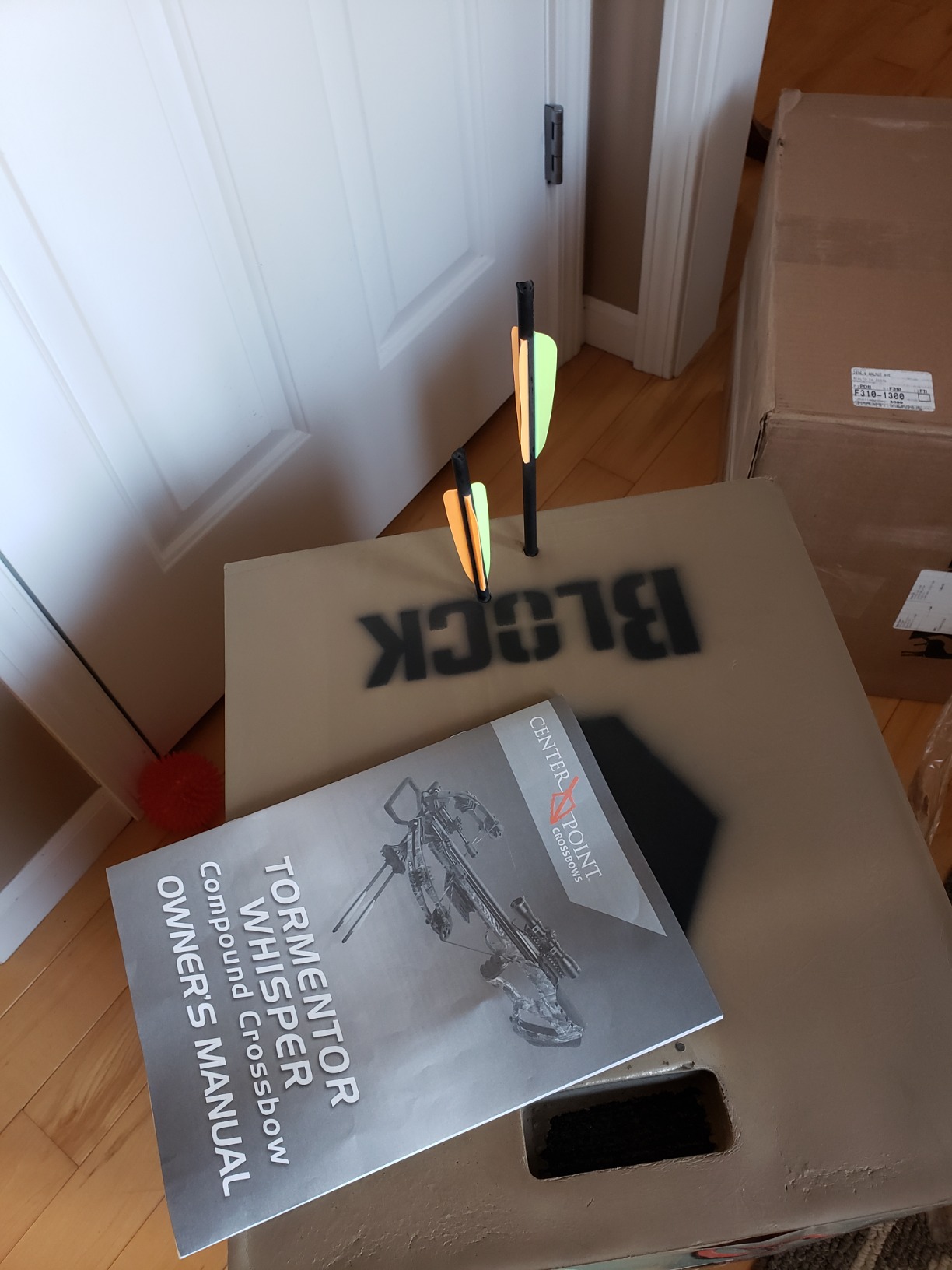
Owners consistently compare it favorably against bag targets they used to own, and describe the durability as the reason it paid for itself. The 15 pound weight is the sweet spot we found for stability: heavy enough to stay where you put it, light enough for one person to move across a yard.
The caution that comes up most is about broadheads rather than field points. A fixed blade or mechanical head cuts the foam and tears the printed bullseye faster than a field point, so if longevity of the printed faces matters to you, keep broadhead practice on a separate block or rotate the face you are shooting.
When it suits a compound or crossbow archer
This is the block for a yard where a crossbow or a heavy compound is the main weapon and you want one lane to handle it. The six-sided layout also makes it a strong choice for a family or a club where several shooters rotate through the same target in an evening.
When a lighter block is a better call
Skip it if you are a beginner who shoots at 20 yards with a recurve and mostly field points, because the two-sided options give you more life per dollar for that use. It is also a two-person carry for some adults despite the listed weight, so check who is moving it before you commit.
4. BLOCK Classic Layered Foam Target – The Two-Sided Value Pick
- Thousands of shots reported before faces wear through
- Arrows pull smoothly because the foam grips the shaft
- High-contrast face improves target acquisition
- Light enough for one person to carry to the range
- Broadheads and mechanicals wear the center bullseye out fast
- Edge wrap and frame bands can cut if struck
- Two sides means less surface life than a cube
The BLOCK Classic is the target we recommend when someone wants to carry one block to a club, a field or a friend’s yard without asking for help. Long-term owners describe it as the best value two-sided foam block, holding up past 3000 shots and outperforming pricier 3D foam targets in their eyes.
The mechanics are the same open-layered friction design, and the payoff is exactly what you would hope for: arrows pull smoothly because the foam grips the shaft rather than the head. The high-contrast black-and-white face is genuinely easier to acquire at distance than a dark face, which matters more for beginners than most spec sheets admit.
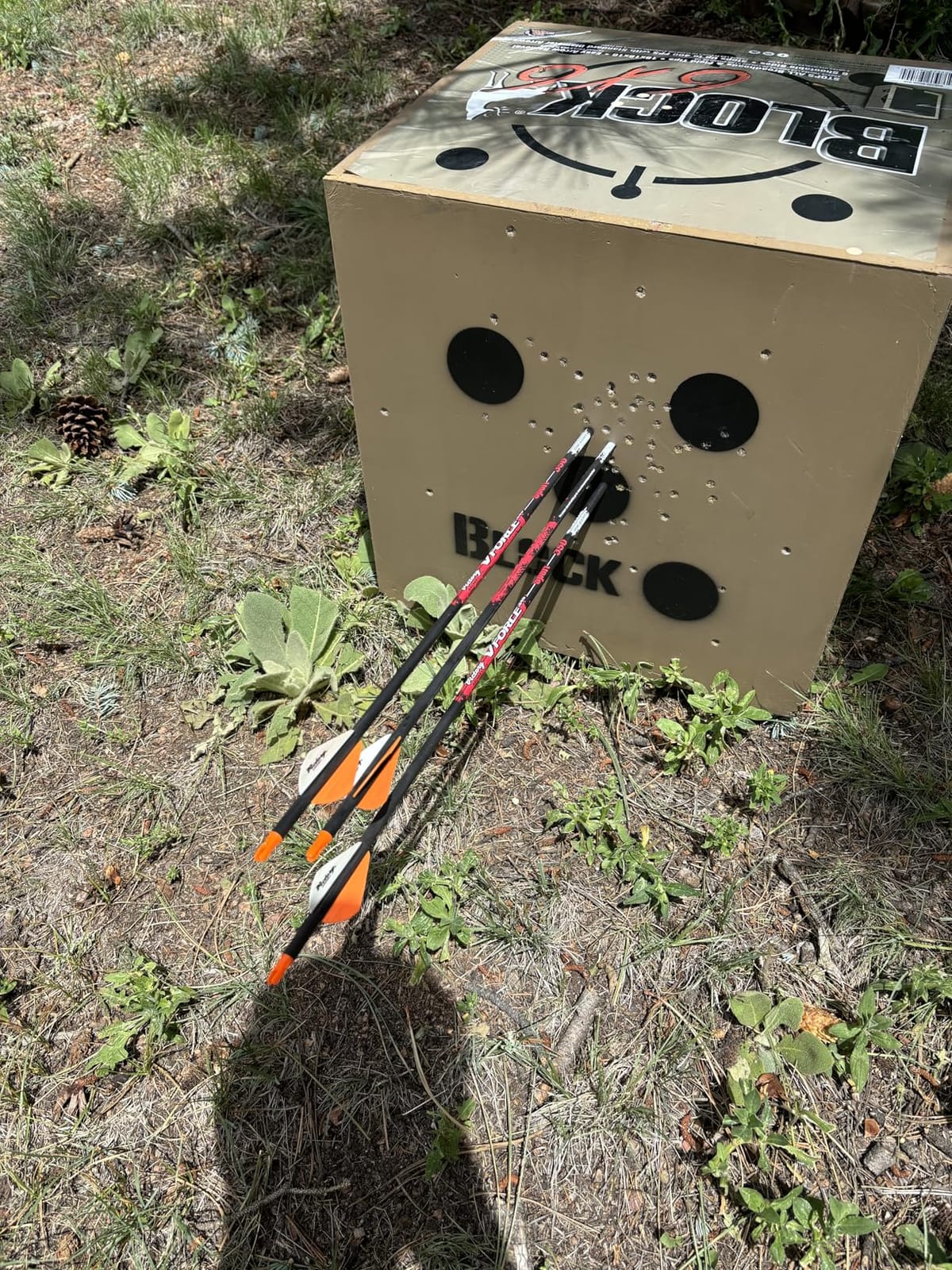
The technique that keeps this block alive is rotation among the printed dots instead of drilling the center bullseye. Reviewers who report thousands of shots tend to be the ones who moved their aiming points around; the ones who zero in on the same spot watch the middle wear through first.
Watch where you miss. Hitting the outer wrap or the top and bottom frame can cut the bands holding the layers together, and once those are gone the block starts to come apart at the edges no matter how good the foam was.
When it is the right pick for a shared or portable setup
It handles field points, broadheads and crossbow bolts on the same face, which makes it a flexible one-block answer when you shoot more than one kind of arrow. The blank reverse side is also useful for instinct shooting, where you mark where you hit rather than aiming at printed circles.
When you should choose a cube instead
Two sides is the limitation. If you shoot several hundred arrows a week and want the faces to last years without thinking about rotation, a six-sided or 18-sided cube spreads the wear far better. The 22W version exists if 18 inches feels tight for your distance.
5. Rinehart 18-1 Archery Target – Eighteen Shooting Faces and a 500 FPS Rating
Rinehart 18-1 Archery Target, 18-Sided, Broadhead & Field Point Compatible
- Most shooting surface per dollar in this roundup
- Self-healing foam keeps its shape after broadhead hits
- Highest velocity rating of these picks
- Crossbow approved for recurve
- compound and crossbow use
- Self-healing foam still shows entry marks over time
- Cube shape wastes a face when set on grass
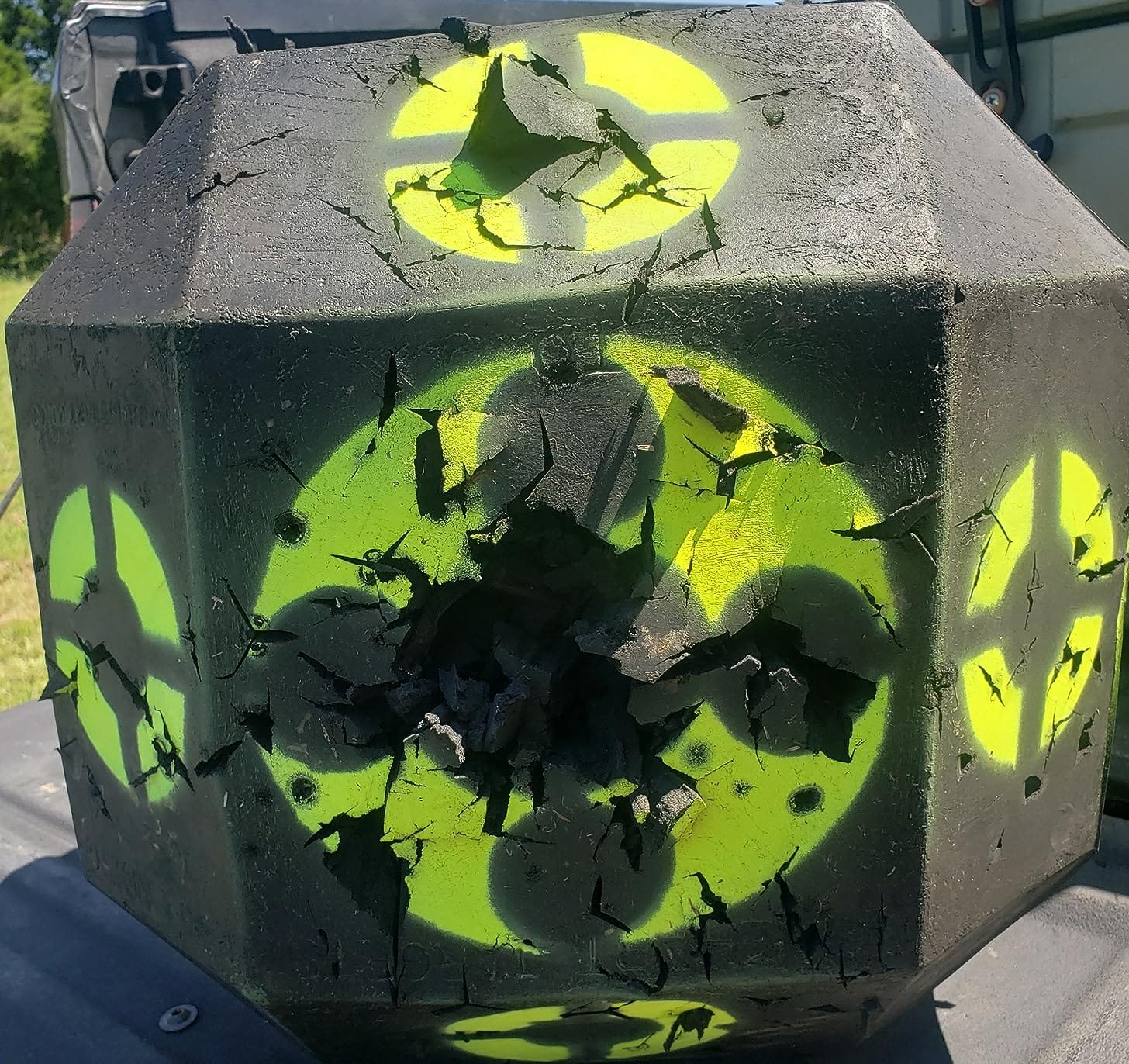
Eighteen distinct faces is the headline number here, and it is the reason a cube design keeps beating two-sided blocks on cost per usable shot. Every face has its own aiming pattern, so a heavy practice session rotates to fresh surface rather than grinding one spot. Long-term forum reports on this model cite roughly a year and a half and more than a thousand shots including broadheads before needing a rethink.
The 500 FPS rating is the highest velocity figure among the picks in this roundup, and it is crossbow approved. That makes it the pick when you want one target covering recurve, compound and crossbow preparation without swapping anything between sessions. The self-healing solid foam preserves its shape after repeated broadhead hits better than the layered blocks do.
Two pounds is a genuine surprise given the surface area, and the built-in handle means it moves easily to a range, a backyard or a hunting camp. Set it on a stand or a pallet rather than flat grass, because a cube always has one face in contact with the ground.
The honest caveat is that self-healing is not the same as invisible. Cosmetic pitting accumulates over time, particularly in the high-speed center zones, and once the marks are there they do not fully disappear. Judge it on structure and shape, which is what actually affects arrow stopping.
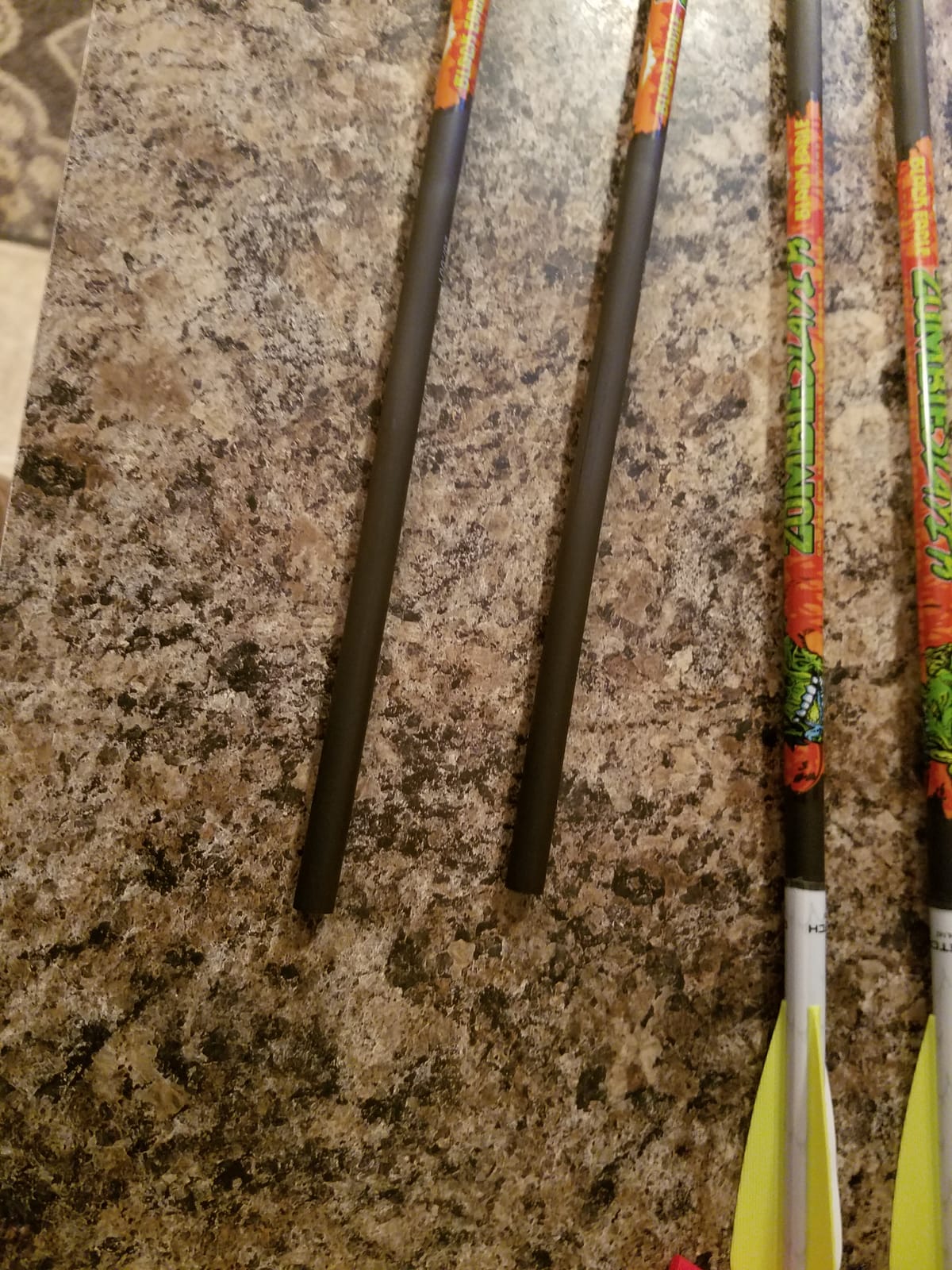
When eighteen faces change the maths
It suits a bowhunter who practices a lot of shot placement at short range and wants vital-zone practice without a 3D animal, since a cube face gives you a clean grid to work. It also suits anyone splitting time between recurve and crossbow at one target.
When the surface count does not help you
Eighteen faces are wasted if you shoot twenty arrows a week. If your volume is low, a smaller four-sided block gives you the same results in a fraction of the space and weight, and the cube geometry means you must mount or prop it rather than just set it down.
6. Morrell Yellow Jacket Dual Threat Foam Target – Thirty-Two Bullseyes for Accuracy Work
Morrell Yellow Jacket Dual Threat 380 FPS Foam Archery Target Block, Yellow
- Thirty-two bullseyes across four sides spread out practice spots
- Some owners report 10000-plus shots with arrows still stopping
- Light and easy to move despite its bulk
- Foam construction is not appealing to mice
- Arrows can be hard to pull out without a puller
- Some users report arrows passing through below the advertised rating
- Only one carry handle on a bulky body
The pitch here is simple: thirty-two printed bullseyes across four sides. For accuracy drills and form work, having thirty-two different aiming points is worth more than another ten inches of face, because it forces you to move between shots instead of reinforcing one memorized hold. The offset bullseye technology spreads the printed circles so a group never sits entirely on one marking.
Fused cellular foam with a weatherproof surface means it lives outside between sessions, and the fact that it is foam rather than straw keeps mice and other pests out of it. Owners report shot counts in the thousands with arrows still stopping, which matches what we would expect from a fused foam build.
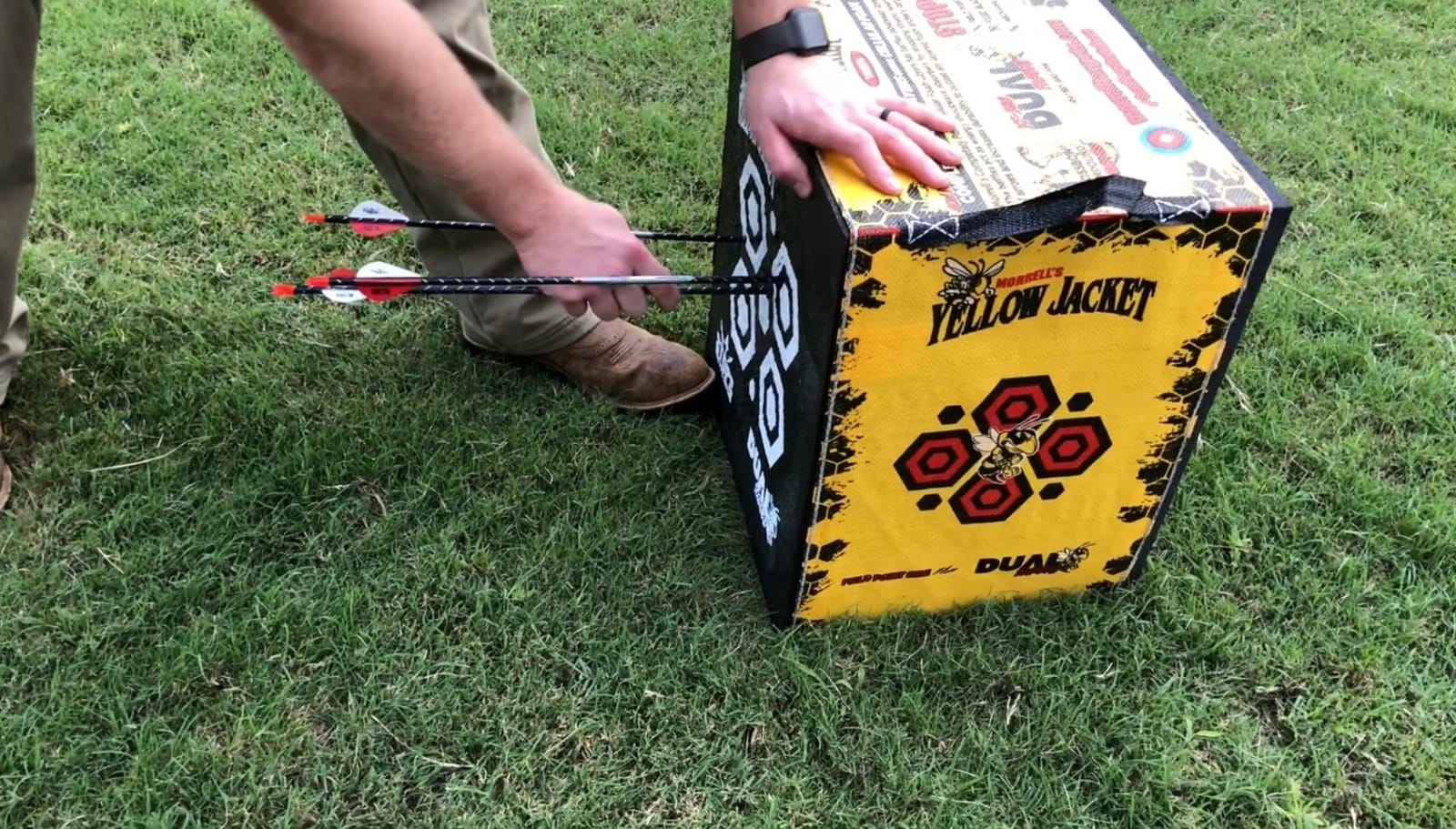
Arrow removal is the repeated friction point. This block is denser than the open-layer designs, so it grips the shaft harder and most shooters keep an arrow puller within reach. It is not a defect so much as a consequence of a foam meant to take high-speed hits, but it is the first thing new owners should know.
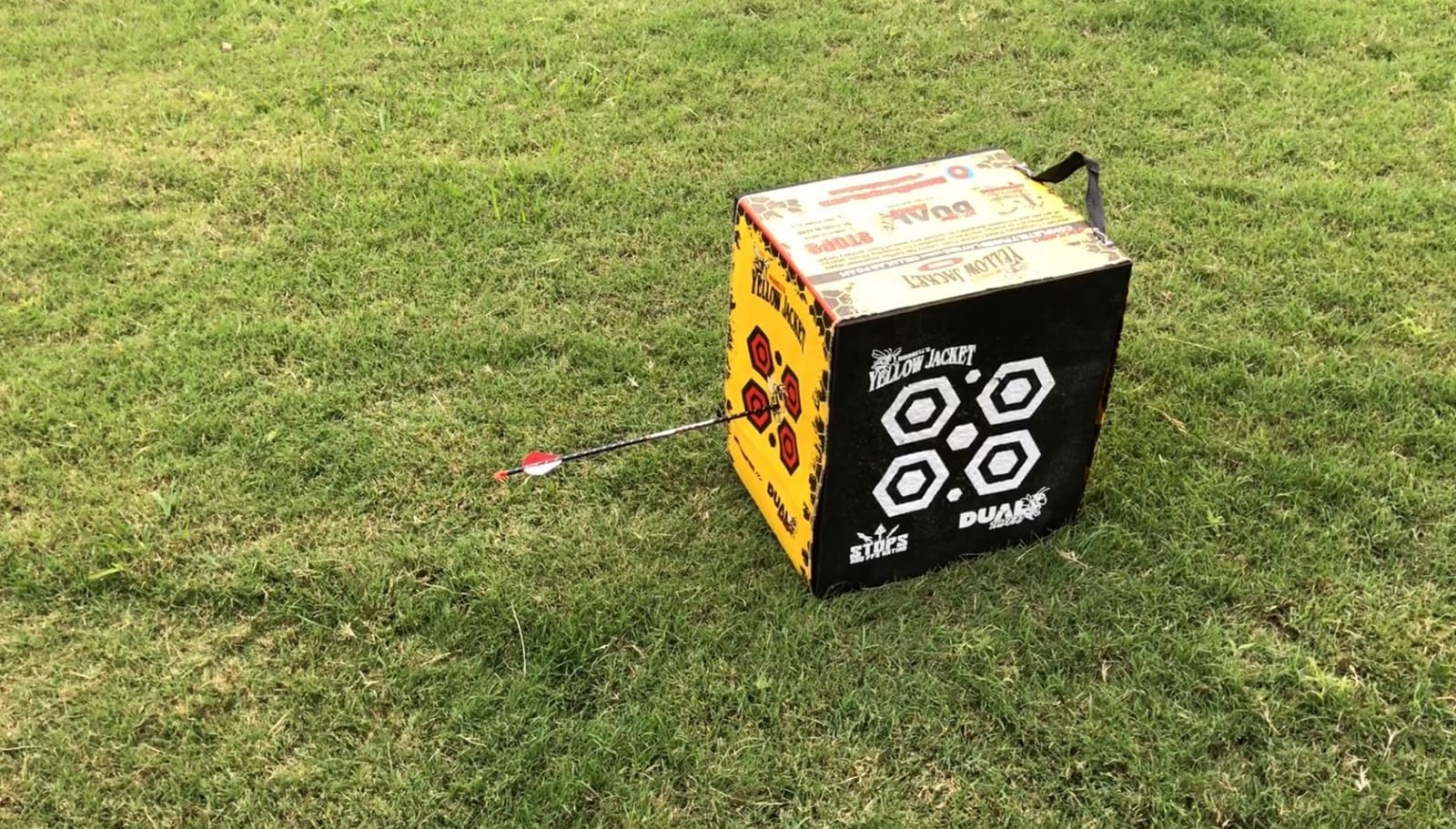
A minority of users also dispute the velocity rating, reporting arrows passing through at lower speeds than the label suggests. Treat the printed FPS figure as a ceiling rather than a guarantee, and test with your fastest setup before you rely on it for a crossbow.
When bullseye variety is the priority
This is the one to pick if your practice is about sight alignment and grouping rather than hunting simulation. Thirty-two aiming points across four faces means a twenty-arrow end never lands twice in the same place, and the foam does not need paper targets replaced.
When it is not the right block
Skip it if small children are pulling arrows out without supervision, since the dense foam resists removal. It is also a single-carry-handle block with a bulky body, so moving it across a yard takes two trips or two people.
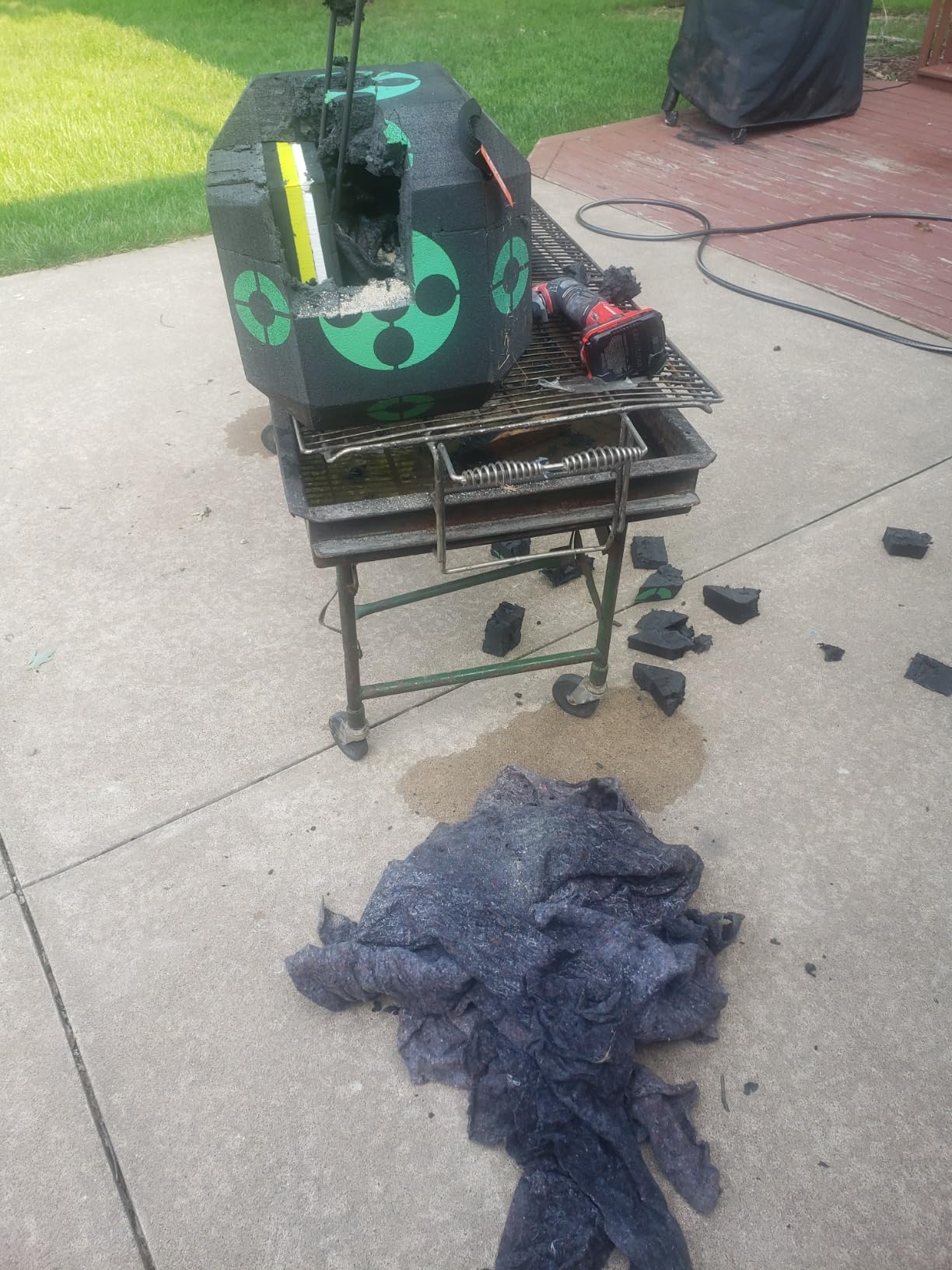
7. VEVOR All-Side Foam Archery Target Block – Built for Light-Draw Bows
- Lightweight enough for a young archer to reposition
- High-contrast faces easy to see at longer distances
- XPE foam holds together better than cheap EVA blocks
- Arrows come out with less effort
- Manufacturer advises against broadheads and anchorheads
- Only rated for bows up to 45 lb draw
- Some buyers report durability falling short against heavier bows
This is the light-draw entry point in the roundup. High-density XPE foam across all six faces gives you an aiming surface you can see from across the yard, and the 6.8 pound weight with a built-in handle means a young archer can move it without asking for help. Buyers praise that the foam feels considerably more solid than the cheapest EVA blocks in the category.
The manufacturer is unusually specific about the limits, and we would rather repeat them than round them up. It is built for bows up to 45 pounds, the recommended shooting range is 98 to 164 feet with at least 30 feet of standoff, and the maker advises against broadheads and anchorheads entirely.
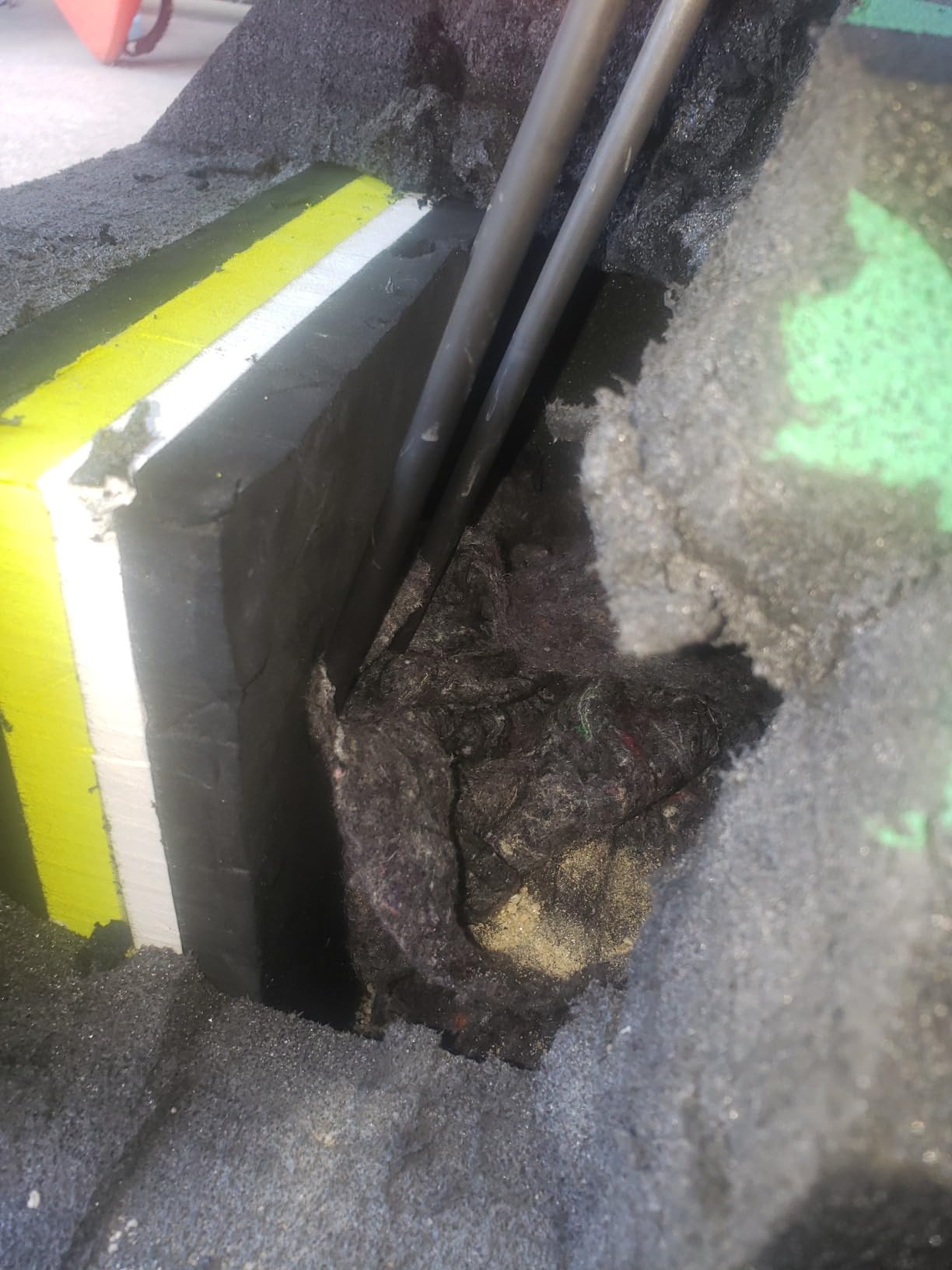
Arrow removal is one of the better parts of this block. Arrows come out of the dense XPE foam with less effort than from the heavier fused foam blocks, which matters when the person pulling them is a beginner. That single feature is why it keeps showing up in youth program recommendations.
The limitation that shows up in reviews is durability under heavier bows. Some buyers report it falling short once they moved past a light-draw bow, and the absence of broadhead support means it will never serve a hunter practicing head shots. The 15 x 15 x 15 variant gives you a cube shape instead if you prefer it.
When it fits a youth or beginner lane
Pick it when the archer is on a bow under 45 pounds, shooting field points, and practicing indoors or at close range. The high-contrast printed faces need no paper targets and no consumables, which keeps the running cost of practice at zero.
When it is the wrong specification
It is not a target to grow into. Because broadheads are discouraged and heavy compounds exceed the rating, you will replace it sooner than a block that accepts everything. If you are unsure how far your archer will progress in a year, buy a target rated higher instead.
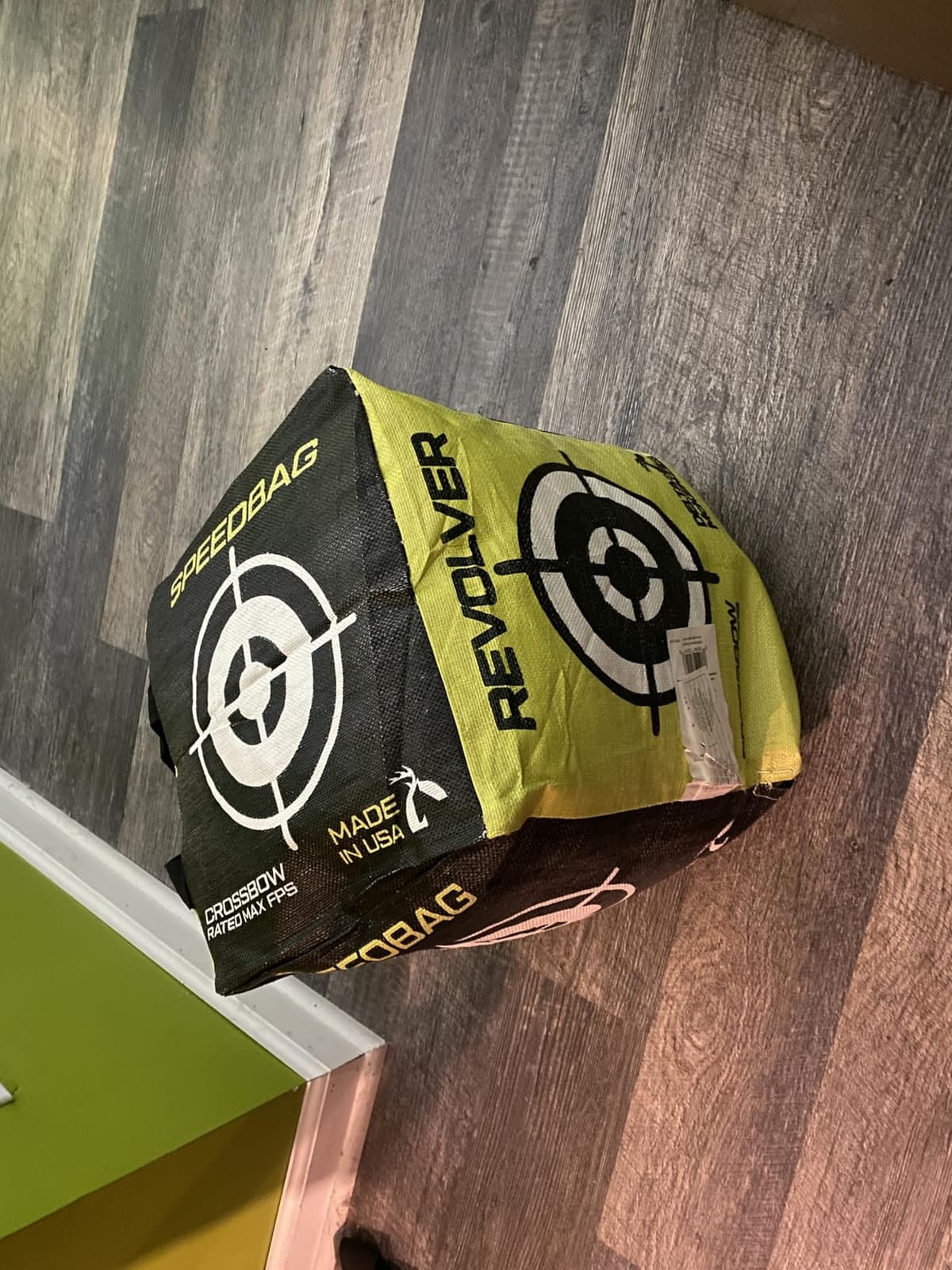
8. Delta McKenzie Speedbag Revolver Cube – Budget Pick With a 450 FPS Rating
- Six sides with calibration grids give varied practice positions
- High-density fill extracts arrows without damaging shafts
- Weather-resistant shell resists UV and moisture
- Suitable for beginners through advanced shooters
- Field points only
- so no broadhead practice
- At 15 lb the 12 inch cube is heavier than its size suggests
- Small faces wear out faster than a large block
At 450 FPS with six shootable sides, this is the most capable rating you can get in a compact cube at this level of spending, and that combination is unusual. The calibration grids printed on each face give you measured aiming references rather than just dots, which is genuinely useful for working on point of aim at 20 or 30 yards.
Reviewers describe it as a strong value cube for beginners and short backyard sessions. The high-density fill extracts arrows without damaging shafts, and the weather-resistant outer shell resists UV and moisture well enough to leave it outside season to season without rotating it indoors.
The constraint that defines this target is arrow compatibility. It is field point only, so broadhead practice simply will not work on it. That keeps the face in better shape over time, but it also means it will not serve a hunter sighting in.
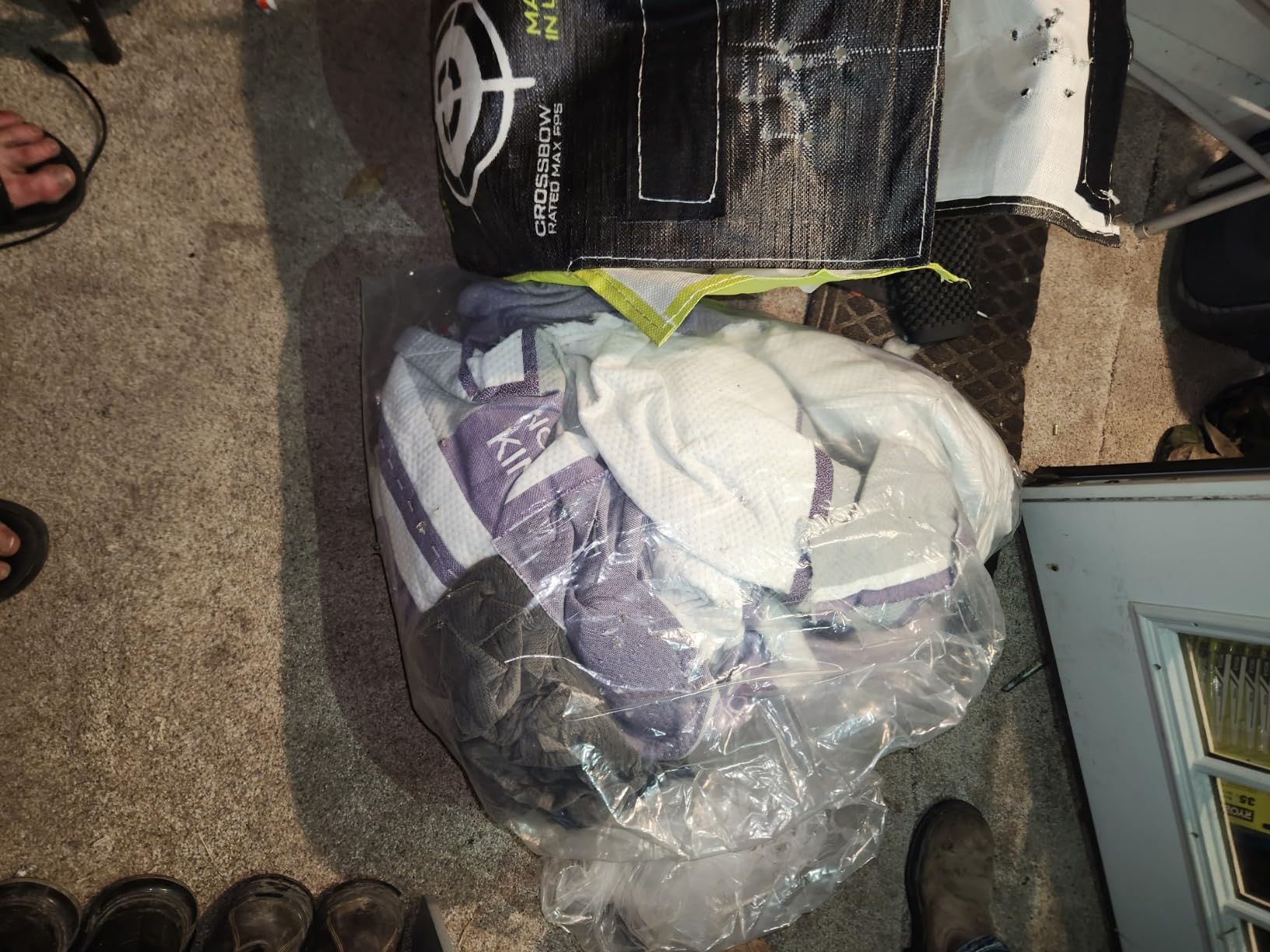
Weight is the second surprise. At 15 pounds in a 12-inch cube it feels heavier than its dimensions suggest, and the small faces mean each calibration grid wears out faster than a printed circle on a 24-inch block would.
When it fits a beginner lane or a tight budget
It suits an archer who shoots field points only, practices at short backyard distances, and wants six faces of surface without spending on a large premium block. The rating covers compound and crossbow bolts, so speed is not the limitation here, arrow type is.
When you need broadhead or vital-zone practice
Rule it out if you are tuning broadheads or preparing for hunting season, because the field point only specification is a hard limit. If your yard is tight on space, the compact cube footprint is a genuine advantage over an 18-inch block, but budget the effort of moving it.
9. Morrell High Roller Foam Cube – Twenty-One Bullseyes With Self-Healing Foam
Morrell High Roller Foam Archery Target, 6 Sided Cube with 21 Bullseye, Red
- Highest average rating among these picks
- Self-healing foam rated to 450 FPS
- Twenty-one bullseyes for varied accuracy drills
- Waterproof foam resists wear and fading
- Broadheads mark and tear the printed bullseyes
- Twelve-pound weight is noticeable for a one-handed carry
- Cube geometry means one face rests on the ground
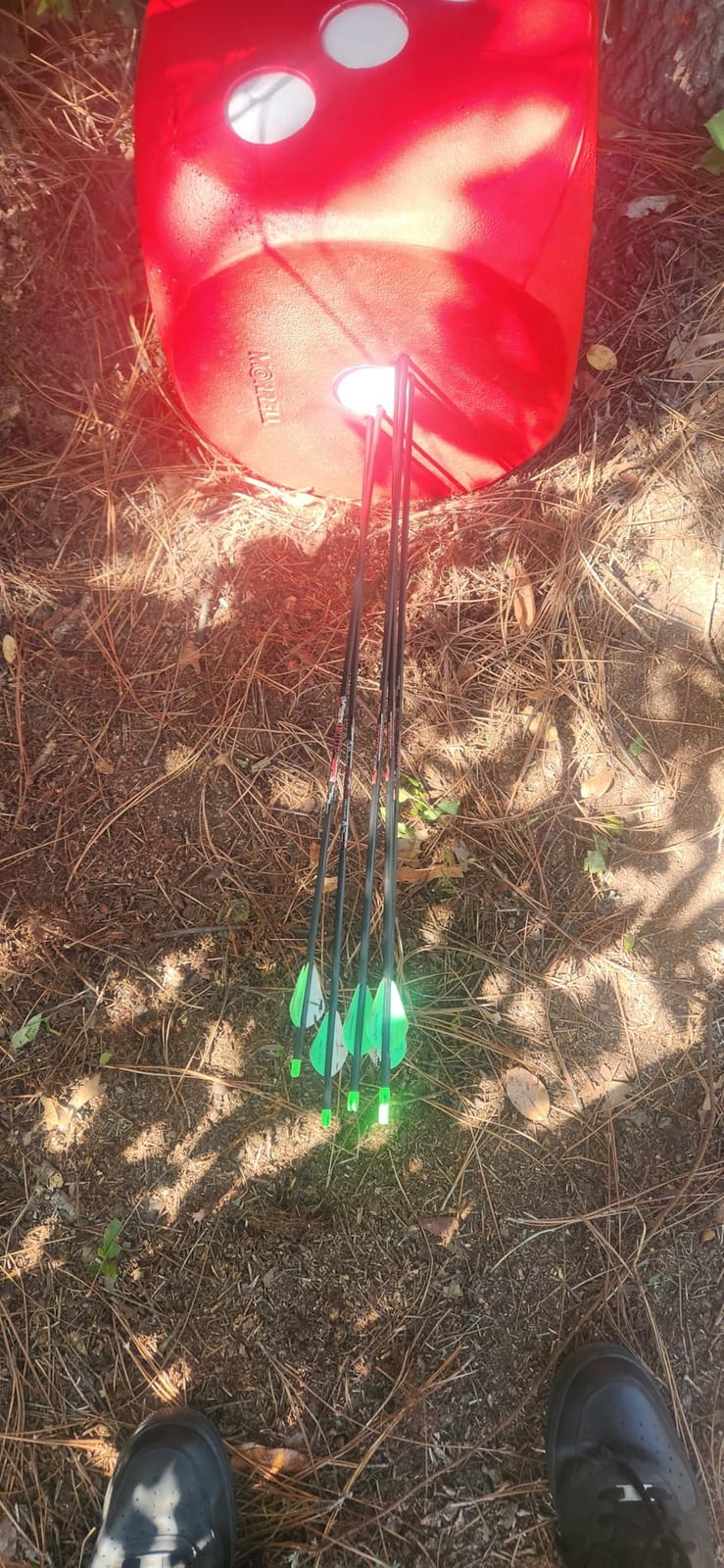
This one carries the highest average rating of anything we tested, and owners back it up with a consistent story: reliable 450 FPS stopping, broadhead tolerance, and self-healing foam that visibly recovers between sessions. The recovery behavior is the difference you notice week to week, because the face looks usable again after a weekend rather than accumulating a permanent crater.
Twenty-one bullseyes across six sides give you enough variation for accuracy drills without the tiny calibration grids of a smaller cube. The waterproof foam is built to resist wear and fading, so a target left in summer sun still looks like itself in autumn.
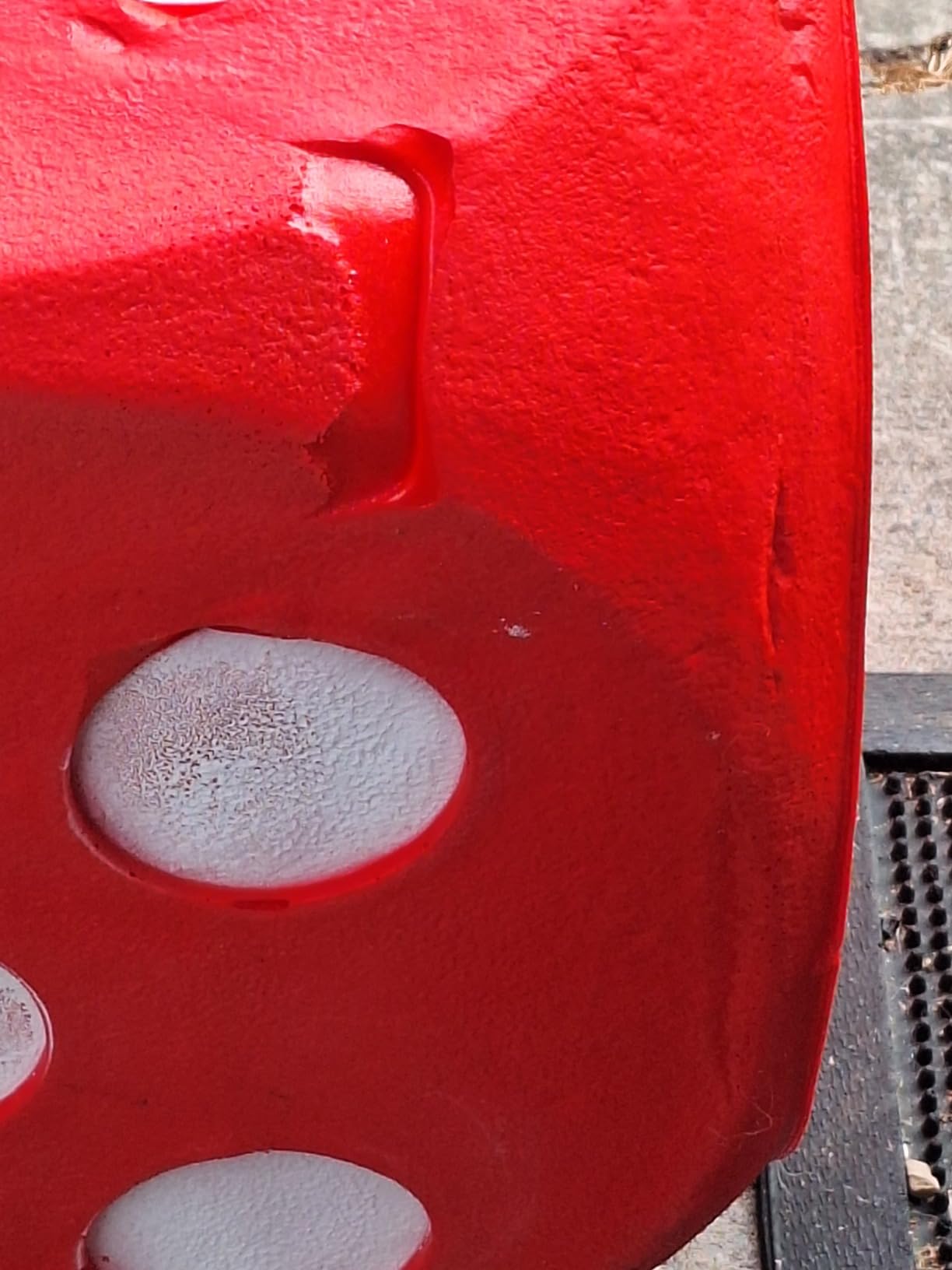
The standard trade-off applies: broadheads mark and eventually tear the printed bullseyes. If you shoot a fixed blade or mechanical, expect the circles to degrade faster than the foam does, and plan to rotate which face you use rather than hunting for a perfect spot.
Twelve pounds is a noticeable carry for one hand across a yard, and the integrated EZ-Tote handle helps but does not remove the load. A cube shape always has one face against the ground, which is why we recommend a stand or a pallet for this one.
When it suits an all-rounder with a broadhead habit
It suits an archer who mixes field points and broadheads and wants a target that handles both without a rulebook. The 450 FPS rating covers high-poundage compounds and crossbow bolts, so one target covers the whole family of bows in most yards.
When the rating alone convinces you
Do not buy it for the 450 FPS number if you shoot lightly. A self-healing cube at this weight is overkill for forty arrows a month, and the broadhead marking issue means the printed circles will outlive your practice volume anyway.
10. LWANO 20 inch EVA Foam Target – Indoor and Close-Range Workhorse
LWANO 20” Foam Target High-Density Archery Bow & Arrow Target for Backyard (20 * 20 * 2inch)
- Inexpensive entry point for an indoor or backyard lane
- Quiet stopping that does no splash-through damage
- Lightweight and easy to move between practice spots
- High-density foam survives 500-plus shots
- Arrows need a puller to extract from dense foam
- Deep penetration at close range
- Only 2 inches thick so the center wears through fast
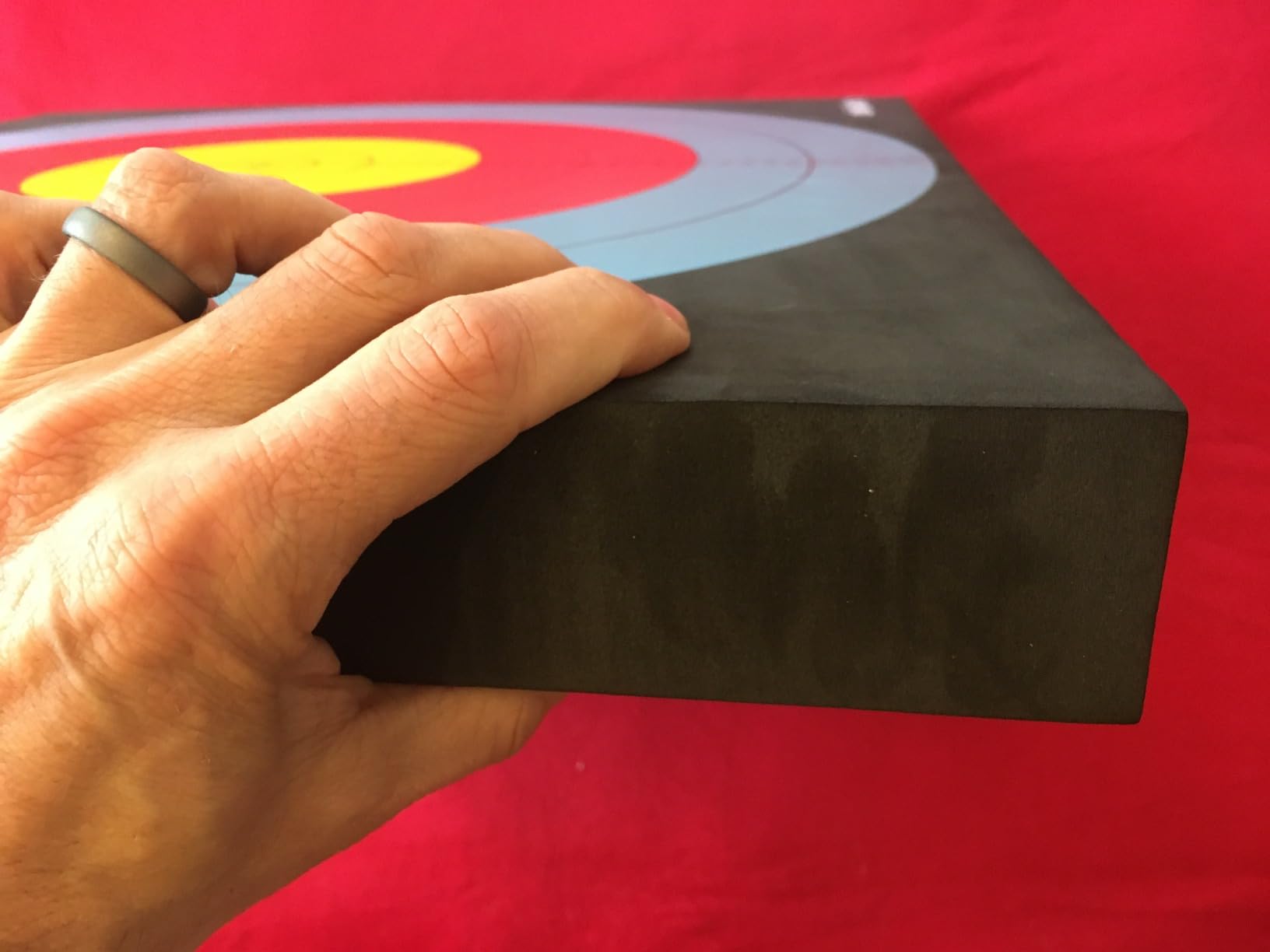
This is a panel rather than a cube, and understanding that difference matters before you buy it. It is 20 by 20 inches and 2 inches thick, which makes it a wall target, a garage door target or a practice mat rather than a free-standing backyard block. For a basement range or a garage setup, that is exactly the right shape.
Owners use it as an inexpensive indoor or short-range backstop and praise how quietly it stops arrows without damaging them. The printed faces remove the need for paper targets entirely, so there is nothing to replace between sessions.
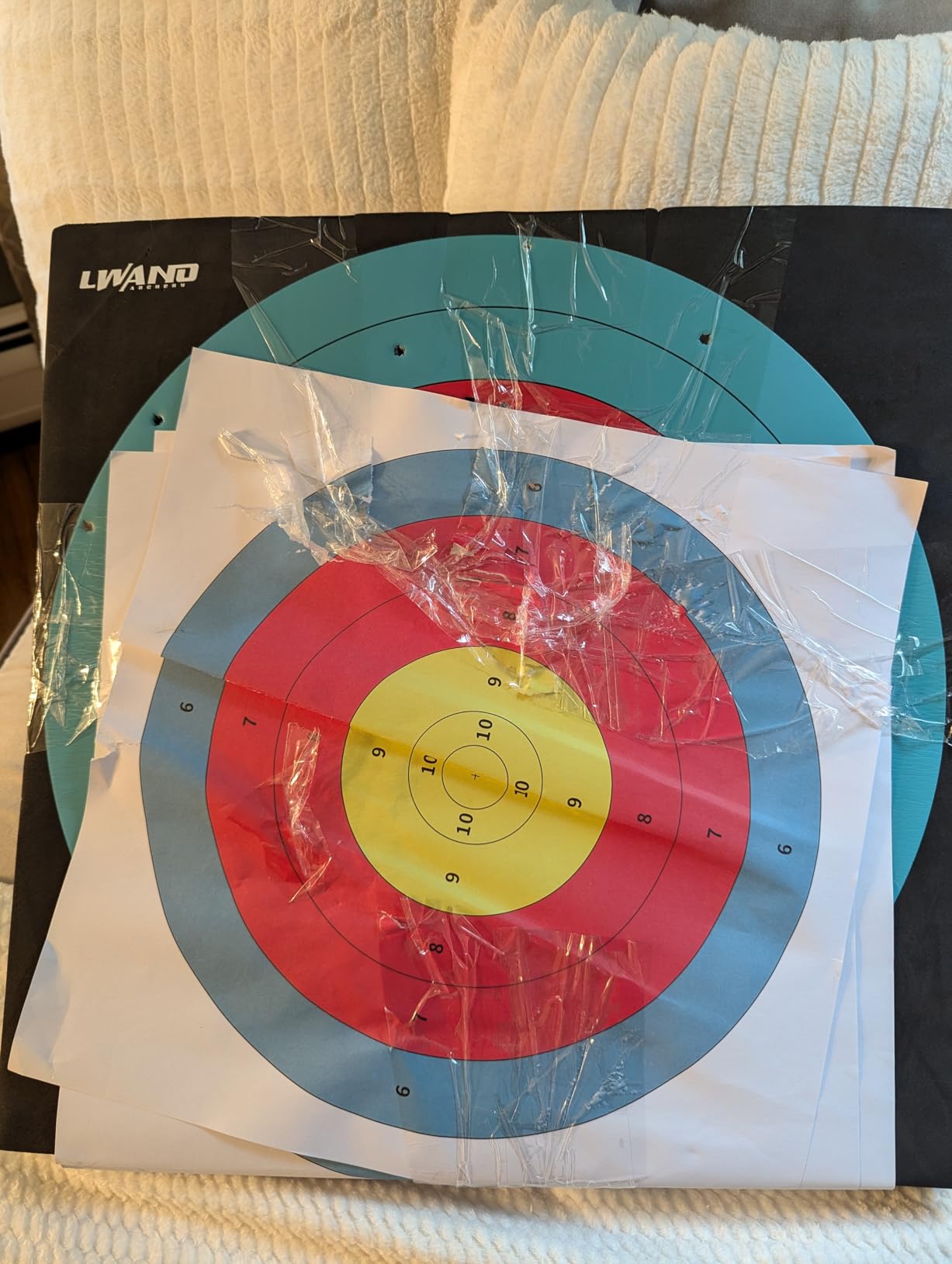
The manufacturer’s own guidance on bow weight is worth repeating. They recommend it for 10 to 30 pound bows, two blocks glued together for 30 to 50 pounds, and three blocks or a longer standoff distance for anything above 50 pounds. If you are mounting one, respect that guidance rather than treating it as a free-standing target.
At 2 inches thick it is a thin stop, and deep penetration at close range means an arrow can reach the wall behind it. We would treat a real backstop as mandatory behind this panel rather than optional, and expect the center to wear through sooner than the edges.
When it suits indoor and garage practice
It suits light recurve practice, indoor drills and a first backyard lane on a tight budget or a small patio. High-density EVA survives hundreds of shots when spread across the face, and it is quiet enough for shared walls.
When a cube would serve you better
Skip it for anything with a crossbow, for heavy broadhead work, or for a free-standing lane in the open yard. The 2 inch depth and light weight make it unstable outdoors and vulnerable to pass-throughs at close range.
11. Delta McKenzie TuffBlock Foam Target – Big White Face for Youth Programs
- Large 24 inch white face gives beginners room to group
- Kids can pull arrows out on their own
- Light enough for a young archer to carry
- Made in the United States
- Too light and tips over when struck
- Not rated for heavier compounds
- Field tips only so no broadheads
The TuffBlock is built around one idea: give a beginner a big, forgiving, plain white face. At 24 by 24 by 12 inches there is more room to group shots than any other youth-oriented block in this roundup, and reviewers consistently recommend it for family backyard practice and youth programs for that reason.
Arrows pull out easily because it is field tip compatible, which means a group of kids can cycle through the target without an adult extracting shafts one by one. At 7 pounds it is light enough for a young archer to carry around the yard themselves, and it is made in the United States.
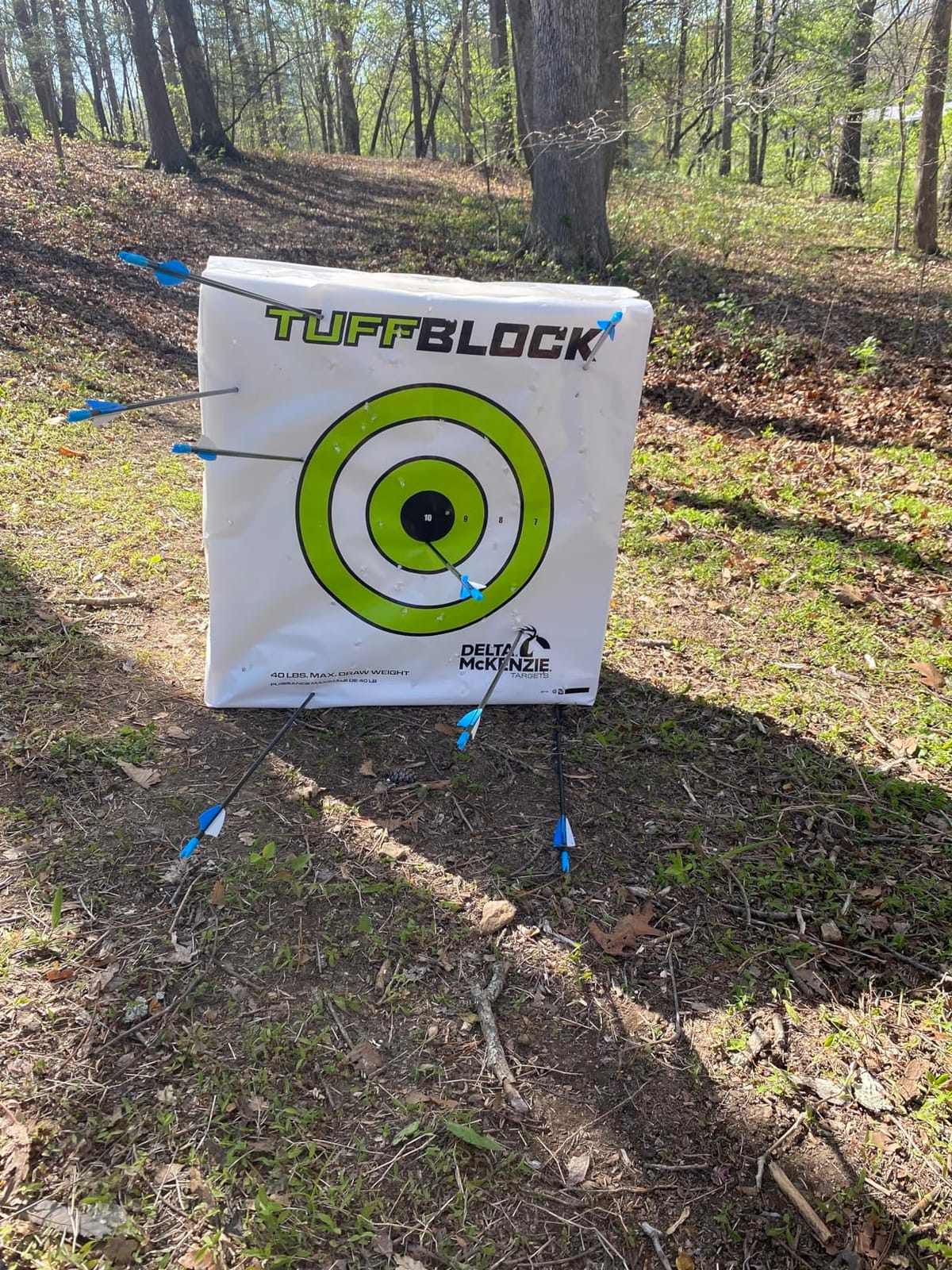
The repeated complaint is weight, and it is not a small one. At 7 pounds the block tips or rotates when an arrow strikes, and several buyers report arrows passing through when they moved to a faster compound setup than the target is rated for. Bracing is not optional with this one.
The specification is firm: bows under 40 pounds and arrows under 250 feet per second, field tips only. That makes it a first target rather than a last one, and you will replace it as the archer progresses.
When it suits a first target for a child
It is a strong pick for a family starting out, for a club running a youth night, or for an archer on a first recurve under 40 pounds. The large white face is easy for a beginner to see and forgiving about grouping, and there are no consumables to buy.
When the archer outgrows it
Plan a replacement before the first compound upgrade. Field tips only, a 250 FPS ceiling and a tendency to shift on impact mean it will not survive the transition to a faster bow, so treat it as a starter target with a clear end date.
12. Rinehart RhinoBlock Target – Two Deer Vital Faces on a Premium Cube
- Self-healing foam seals holes instantly and keeps its shape
- Two realistic deer vital faces for sight-in practice
- Four high-visibility dot faces on the other sides
- Sturdy 25 lb body stays put
- Heaviest block in the roundup at 25 lb
- Two-person carry for most users
- Printed deer faces wear with heavy broadhead shooting
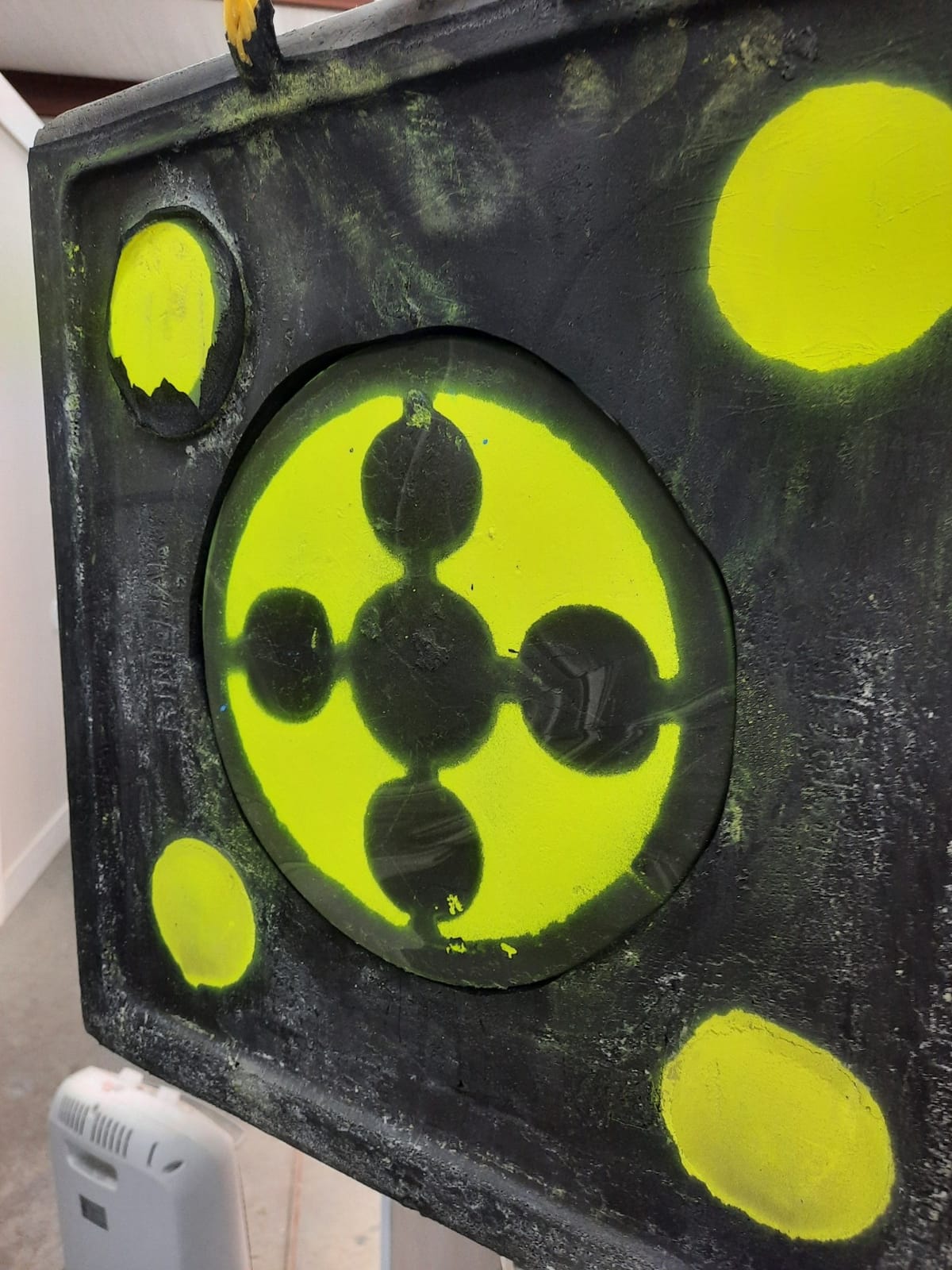
The RhinoBlock is the pick for bowhunters who want vital-zone practice without buying a full 3D animal. Two of its six faces are lifelike deer vitals with outlined vital organs, and the other four are high-visibility dot patterns for general accuracy work, so one block covers sighting in and drill shooting at once.
Rinehart’s signature series self-healing foam is the reason the price holds up for heavy users. It seals arrow holes instantly and keeps its structural integrity after broadhead work, and it accepts field points, fixed-blade broadheads and expandables on the same face.
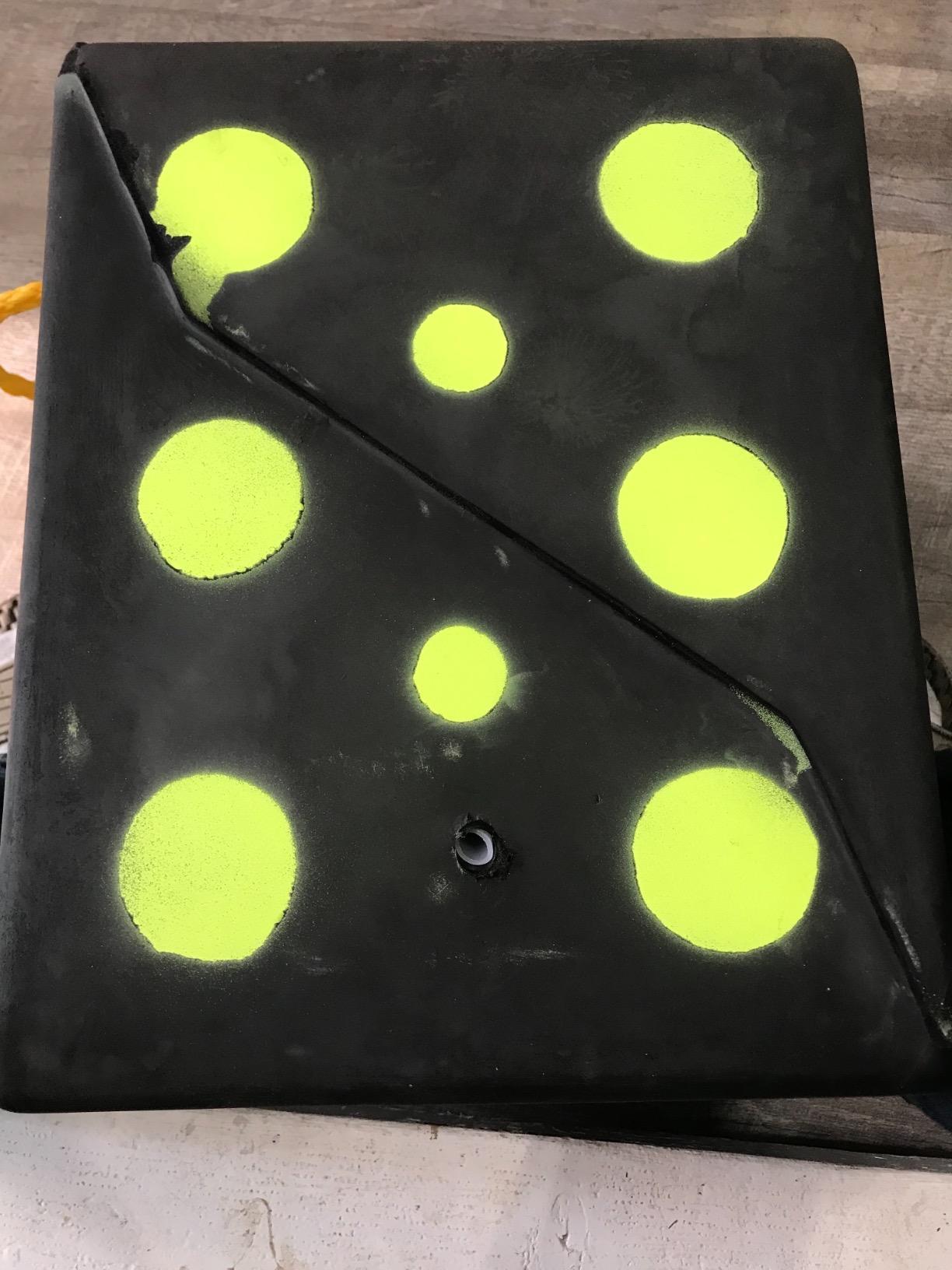
Compound and crossbow compatibility mean fast arrows are not a problem here, and the 25 pound body stays exactly where you put it when struck hard. For a permanent backyard lane that gets heavy traffic, that stability is worth more than portability.
Portability is the honest cost. Twenty-five pounds is a two-person carry for most adults, and you will want it in one place rather than moving it around. The printed deer faces also wear visibly under heavy broadhead shooting, even though the foam underneath stays intact.
When it suits a bowhunter sighting in
It suits someone preparing for hunting season who wants realistic vitals at their own pace, plus a place to group practice afterward on the dot faces. It also works as a permanent club or family range target where the weight is an asset.
When it is more than you need
If you shoot field points only, or practice a few arrows a week, you are paying for two deer faces you will rarely use. A mid-tier foam cube with six dot faces serves the same drills at a fraction of the weight and a much smaller carry burden.
How to Choose a Block Archery Target for Your Backyard
Match the size to your shooting distance
The practical rule is to judge the face against the size of your groups at your furthest distance. At 20 yards with a bow most beginners own, a 16 inch face gives a young archer something to aim at without demanding precision they have not built yet. At 30 yards and beyond with a compound, an 18 to 24 inch face makes grouping visible instead of theoretical.
Doubling your distance halves the apparent size of your group on the face, so a target that feels generous at 20 yards feels tight at 40. Judge your purchase against where you will actually shoot, not against the biggest distance you might shoot one day.
Check arrow compatibility before anything else
This is the mistake that ends purchases early. Field points, fixed blades, mechanicals and expandables all damage foam differently, and several targets in this roundup are field point only or actively advise against broadheads. If you plan to practice broadhead accuracy at all, buy a target that accepts them even if you use field points most of the time.
Crossbow bolts add a second axis. A standard diameter arrow at 300 feet per second and a crossbow bolt at 450 are not the same problem for foam, which is why some blocks list 300 FPS while self-healing cubes list 400 or 500.
Read the FPS rating as a ceiling
Ratings across these products run from 300 FPS on the four-sided Black Hole up to 500 FPS on the Rinehart cube, with the crossbow-specific size of the Black Hole stopping bolts to 375 FPS. Buyers on higher-volume targets occasionally dispute the printed figures, so treat any rating as the manufacturer ceiling rather than a promise.
Our advice is to test the target with your fastest setup early, before you build a routine around it. A quick ten-arrow burst at full draw tells you more than any spec sheet, and if arrows pass through, you need a thicker target and a closer backstop rather than a bolder claim on a listing.
Weigh stability against portability honestly
Weights in this roundup run from 5.6 pounds for the youth block to 25 pounds for the premium deer-faced cube. Light blocks are easy for kids to move and easy to knock over, while heavy blocks stay put and take two people to relocate. Most backyard lanes are set once and left, which argues for the heavier end of the range.
Carry handles matter more than raw weight. A handle or strap on a 12 pound cube is a genuine convenience, and its absence on a bulky 16 pound block is a genuine nuisance. If your target will move between the garage and the yard weekly, factor the handle into the choice.
Plan for face rotation and maintenance
The most useful habit we found in long-term owner reports is rotation. Moving between printed dots instead of drilling the center bullseye is the single change that extends printed face life the most, and it also gives you more aiming references for free. Six-sided and 18-sided designs help because they offer somewhere to rotate to.
Keep an arrow puller within reach for denser foams, expect broadheads to eat printed surfaces faster than field points, and store foam blocks under cover if your climate has hard frosts. A block that stays dry ages slower than one that does not.
Backyard Setup and Backstop Basics
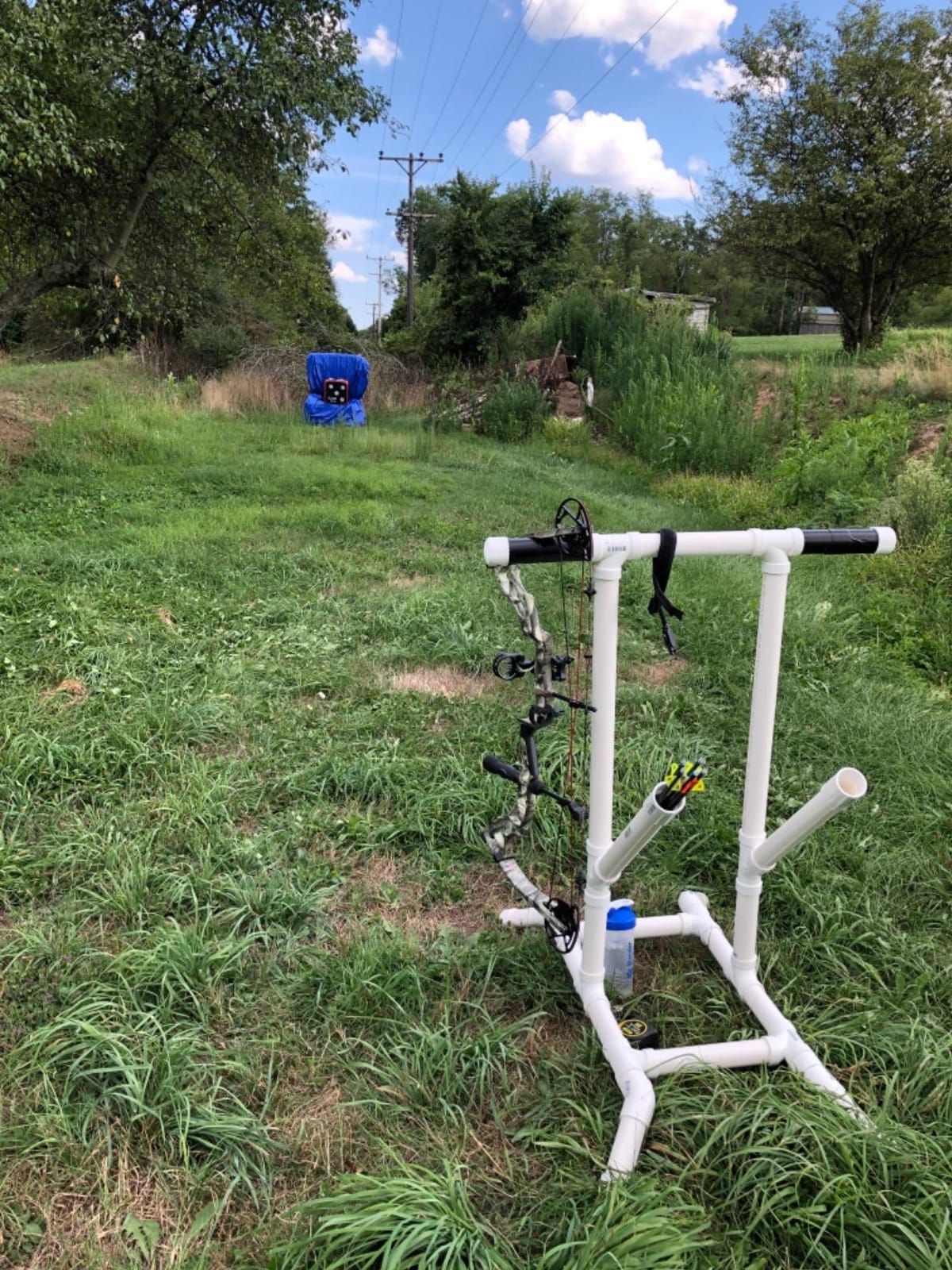
You need a backstop before you need a target. A foam block handles what hits it, but misses continue at speed, and a fence, a wall or a sheet of plywood will send an arrow back toward you with enough energy to be dangerous. Treat the backstop as the safety system and the target as the aiming aid.
Archery netting hung loosely is the most forgiving option because it catches an arrow and drops it rather than deflecting it. An earth berm or mound absorbs arrows permanently and never sends anything back, though it takes the most space. Hay or straw bales work well for field points but are not reliable with fast compound or crossbow arrows, so treat them as a light-duty option only. Old carpet hung loosely has the same catch-and-drop behavior as netting at a fraction of the cost.
Skip the hard backstops. Sheet metal and plywood are the two materials most likely to produce a bounce-back, and neither is worth the risk behind a target that gets regular crossbow use. Whatever you choose, mount it so it cannot tip, and check it after heavy sessions.
Position matters as much as material. Put the target at roughly chest height for the archer so misses tend to land low, and always have a solid backstop well behind the target face to catch anything that sails past. Keep an eye on the arrow field around the target, because wide misses into neighboring yards are how backyard shooting problems usually start.
Before you shoot anywhere, check whether your municipality or state restricts target or archery practice, especially with a crossbow. Rules vary widely, and backstops matter more in areas where neighbors are close. Our archery target overview covers target choices for other settings if your yard is not the final word.
Building a DIY Foam Block Target
Homemade targets are the most requested topic in the forums and the one topic no competitor covers properly. The basic build is stacked sheets of closed-cell foam, typically EVA or similar layered foam, bonded or screwed to a backing board, with paper or printed faces stapled on the front. Forum users building their own report that a five-layer sheet setup works well for field points at a fraction of the cost of a commercial block.
Know the limits before you build. DIY foam targets rarely carry an FPS rating, and the cheapest layered foam needs an arrow puller to get arrows out of. Build one for field point practice in a garage or a screened lane rather than expecting it to stop crossbow bolts or broadheads. If you are also filling out the rest of your yard practice kit, our golf launch monitor picks cover the data side of a shared backyard setup.
Frequently Asked Questions
What is the best archery target for backyard practice?
A layered foam block is the most practical choice for a backyard lane because it stops field points and broadheads, survives rain, weighs far less than a straw bale and lets archers pull their own arrows out. A four-sided block works for most family use, a six-sided cube suits high-volume accuracy work, and a self-healing foam cube is the right pick if a crossbow is part of the picture.
Can I put an archery target in my backyard?
Usually, but check your state and municipal rules first because archery and crossbow practice is restricted in some areas, particularly where properties are close together. You also need a reliable backstop behind the target, because anything a foam face does not stop will continue at speed and can bounce off a fence or wall.
What is the best backstop for an archery target?
Archery netting hung loosely is the safest all-round option because it catches arrows and drops them rather than deflecting them. An earth berm works permanently but needs space, hay bales suit field points only, and old carpet hung loosely behaves like netting at low cost. Avoid plywood and sheet metal, which send arrows back toward the shooter.
Can you shoot broadheads into a block target?
Yes, if the block accepts them. Some blocks are field point only or actively discourage broadheads, while most open-layer friction designs and self-healing foam cubes handle fixed blades, mechanicals and expandables. Broadheads cut foam faster than field points, so rotate between printed aiming points to spread the wear.
Which archery target lasts the longest?
Self-healing solid foam cubes rated to 450 FPS or 500 FPS last the longest, because the foam closes over each hole after the arrow is removed. Among layered blocks, PolyFusion construction that anchors layers to the inside walls resists peeling better than plain glued stacks. Rotating aiming points instead of shooting one bullseye extends printed face life more than any brand difference.
Conclusion: Our Top Block Archery Target Picks for 2026
If you are still narrowing the field, the Field Logic Block GenZ leads our list for beginner-friendly backyard practice, and the Black Hole 4-Sided is the strongest all-rounder for anyone mixing field points and broadheads. Add a proper backstop before the first session, and check your local rules if a crossbow is involved.