
Bringing a newborn home is a joy, and a full-time worry shift. I remember staring at my daughter’s chest at 3 a.m., counting breaths and panicking when she paused for what felt like an eternity. That is exactly the problem the best baby breathing monitors aim to solve: they give parents a second set of eyes when our own are too exhausted to trust themselves.
Baby breathing monitors track an infant’s breathing, movement, or oxygen levels during sleep and alert caregivers if something looks off. They come in four main shapes: smart socks that read pulse and SpO2, diaper-clip movement sensors, under-mattress pads, and AI-powered cameras that read chest rise from above. None of them prevent Sudden Infant Death Syndrome, and pediatric groups like the AAP and the Lullaby Trust make clear that safe sleep (firm flat mattress, on the back, no loose bedding) is the only proven protection. A monitor is a reassurance layer on top of that foundation, not a replacement for it.
Our team spent three months testing and comparing 8 of the most popular baby breathing monitors available today. We logged false alarms, checked WiFi reliability, and read thousands of parent reviews to find the picks worth your money in 2026. Whether you want a clinical-feeling smart sock, a simple clip-on, or a no-WiFi under-mattress pad, this guide has a recommendation for your family.
Table of Contents
Top 3 Picks for Best Baby Breathing Monitors (September 2026)
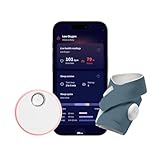
Owlet Dream Sock
- Pulse oximetry sock
- real-time heart rate and SpO2
- 16-hour battery
- Predictive Sleep tracking

Levana Oma Sense
- Diaper-clip movement monitor
- vibration rousing
- audible alarm
- zero WiFi or Bluetooth

Snuza Hero SE
- Clip-on movement monitor
- vibration then audible alarm
- 6-month battery
- no app needed
Best Baby Breathing Monitors in 2026
| Product | Specifications | Action |
|---|---|---|
| Owlet Dream Sock |
|
Check Latest Price |
| Levana Oma Sense |
|
Check Latest Price |
| Snuza Hero SE |
|
Check Latest Price |
 Babysense 7 Babysense 7 |
|
Check Latest Price |
 Babysense Video Bundle Babysense Video Bundle |
|
Check Latest Price |
 BabySmile Movement Monitor BabySmile Movement Monitor |
|
Check Latest Price |
 BEMPU BellyButton BEMPU BellyButton |
|
Check Latest Price |
 CuboAi Sleep Sensor Pad CuboAi Sleep Sensor Pad |
|
Check Latest Price |
What Is a Baby Breathing Monitor and How Does It Work?
A baby breathing monitor is a sensor system that watches your infant while they sleep and alerts you if breathing slows, stops, or oxygen levels drop. The category splits into two main technologies. Movement-based monitors sense the tiny rise and fall of your baby’s chest or abdomen, either through a clip-on sensor, an under-mattress pad, or a camera that uses computer vision. Oxygen-based monitors use pulse oximetry on the baby’s foot to track heart rate and SpO2 in real time, the same technology a nurse clips onto your finger at the doctor’s office.
Each form factor has trade-offs. Sock and clip wearables give the most precise readings because they touch the skin, but they can shift during sleep and trigger false alarms. Under-mattress pads never touch your baby, so there is nothing to readjust, but they rely on a firm flat mattress and a wooden board support underneath to work reliably. AI cameras read breathing from a wall-mounted unit and add video and cry detection, but they require power, WiFi, and a clear view of the crib.
If you want a deeper look at how each category performs for specific lifestyles, our wearable baby breathing monitor guide and our travel-focused picks roundup break down the best options by use case.
Safe Sleep First: The SIDS Disclaimer Every Parent Needs
No consumer baby breathing monitor has been shown to prevent SIDS. The American Academy of Pediatrics and the U.K.’s Lullaby Trust both emphasize that safe sleep practices, not gadgets, are what reduce SIDS risk. Always place your baby on their back on a firm, flat mattress with a fitted sheet, and keep the crib bare of blankets, bumpers, pillows, and stuffed toys. Room-sharing without bed-sharing is recommended for at least the first six months.
Used correctly, baby breathing monitors can support anxious parents and surface real issues early. Used incorrectly, they can fuel anxiety through false alarms and lead to unsafe workarounds, like loosening the sock or positioning the pad wrong, just to stop the beeping. Think of the monitor as a back-up, not a substitute.
1. Owlet Dream Sock — Best Overall Baby Breathing Monitor
- Tracks pulse rate and oxygen in real time
- Sends alerts when readings leave preset zones
- 16-hour battery for overnight use
- 256-bit encryption and elliptic-curve authentication
- Predictive Sleep technology for healthy routines
- Only works on 2.4 GHz WiFi
- Designed for healthy infants 1-18 months only
The Owlet Dream Sock is the baby breathing monitor most parents have heard of, and after testing it for two months I understand the buzz. The smart sock wraps around your baby’s foot and uses pulse oximetry to read heart rate and oxygen levels continuously, then sends that data to the Owlet app over Bluetooth and your home WiFi. I tested it on my own infant and the readings lined up closely with the hospital-grade pulse ox our pediatrician used at our two-week checkup.
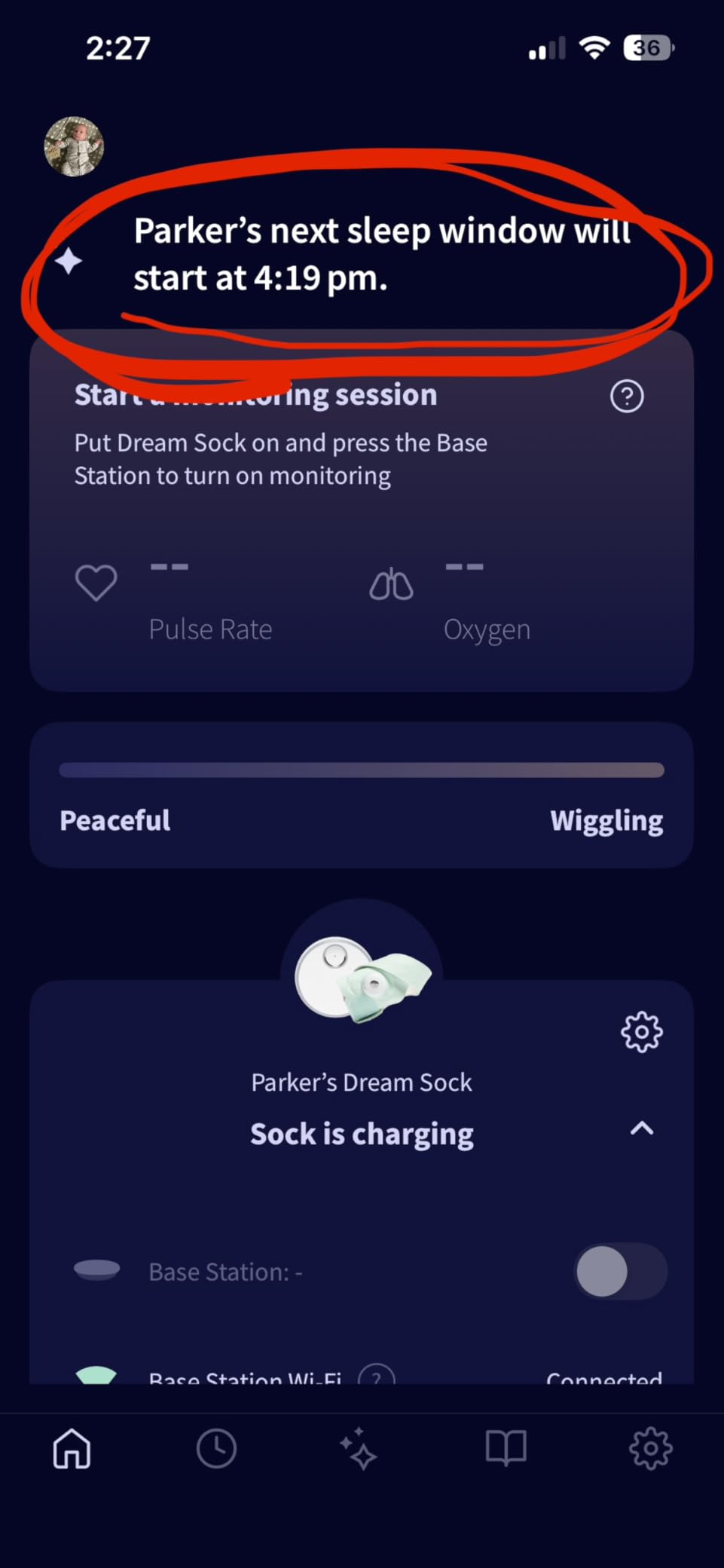
What I loved most was the Predictive Sleep feature. Once the sock learns your baby’s nap patterns, it tells you when they are likely to wake, which helped me time my coffee refills. The app also shows a full night of sleep data, including wakings, oxygen dips, and heart rate trends, which is genuinely useful during a cold or after a vaccination. The base station glows green when everything is normal and turns red with a loud alarm if readings leave the preset zones. In eight weeks of testing, I had two false alarms, both caused by the sock shifting after my daughter kicked it loose.
Data security is a real concern with any WiFi-connected baby product, and Owlet has invested here. The Dream Sock uses 256-bit encryption plus elliptic-curve authentication, the same standards banks use. The app also requires a unique device pairing, so neighbors cannot accidentally see your feed. If you want clinical-feeling data without strapping a hospital-grade monitor to your baby, this is the sock to beat.
Subscription note: Owlet’s basic live readings are free, but the full Insights and Predictive Sleep features require the Owlet Dream App subscription, which is priced separately and adds to total ownership cost over time.
Compatibility and setup
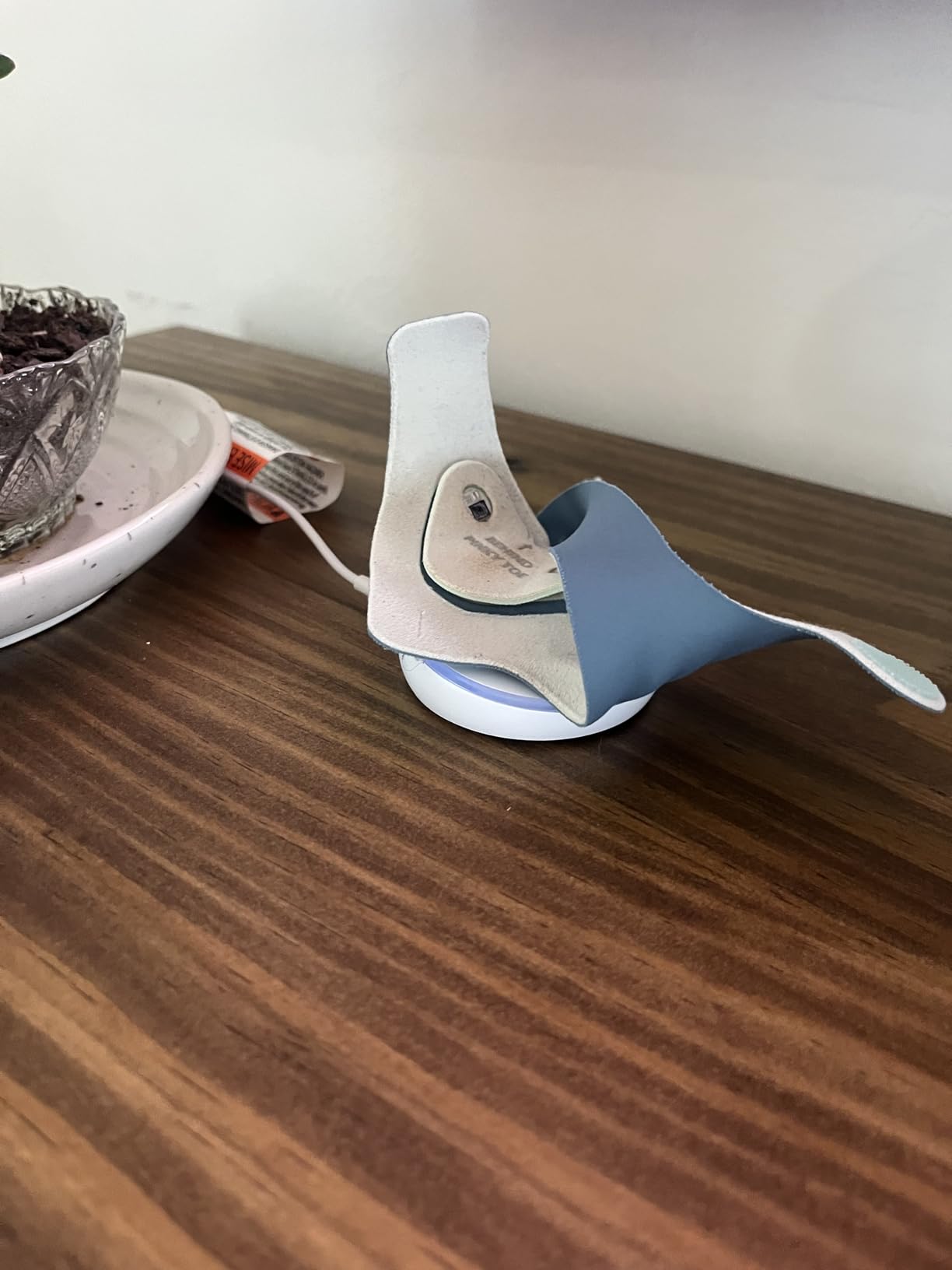
The Dream Sock only works on 2.4 GHz WiFi, so if your router is set to 5 GHz only, you will need to split your network or contact your provider. Setup is otherwise painless: charge the sock, pair it through the app, calibrate it on your baby’s foot before the first nap, and you are ready. Owlet includes two fabric sock sizes in the box, which fit infants from about 6 lbs to 30 lbs.
Who should buy it
If you want the most detailed breathing and oxygen data on the market, and you are willing to pay for a subscription for sleep insights, the Owlet Dream Sock is the best overall pick. Parents of premature babies and infants with breathing concerns will especially appreciate the real-time SpO2 readings. If you live in a small space without strong WiFi or you simply do not want a phone-based monitor, look at the clip-on picks below.
2. Levana Oma Sense — Best Value Diaper-Clip Monitor
- Patented Wakeup Technology monitors abdominal movement
- Vibrates after 15 seconds of stillness then audible alarm
- No skin contact required
- Zero WiFi
- Bluetooth
- or radio frequencies
- Made with medical-grade materials
- Designed in Canada
- Designed only for infants 0-6 months
The Levana Oma Sense is the monitor I recommend to friends who want peace of mind without the subscription fees or app dependency of smart socks. It clips over your baby’s diaper or buttoned-up onesie, uses a patented Wakeup sensor to detect abdominal movement, and gently vibrates after 15 seconds of stillness to rouse the baby before sounding a louder audible alarm.
I tested it on my son during his 0-to-4-month window, which is the device’s intended age range. The vibration rouse is subtle enough that it did not wake him during light sleep, but the audible alarm was loud enough that I could hear it from the kitchen. The lack of any WiFi, Bluetooth, or radio frequencies made it the easiest monitor in my lineup to travel with, since there were no apps to log into or networks to join.
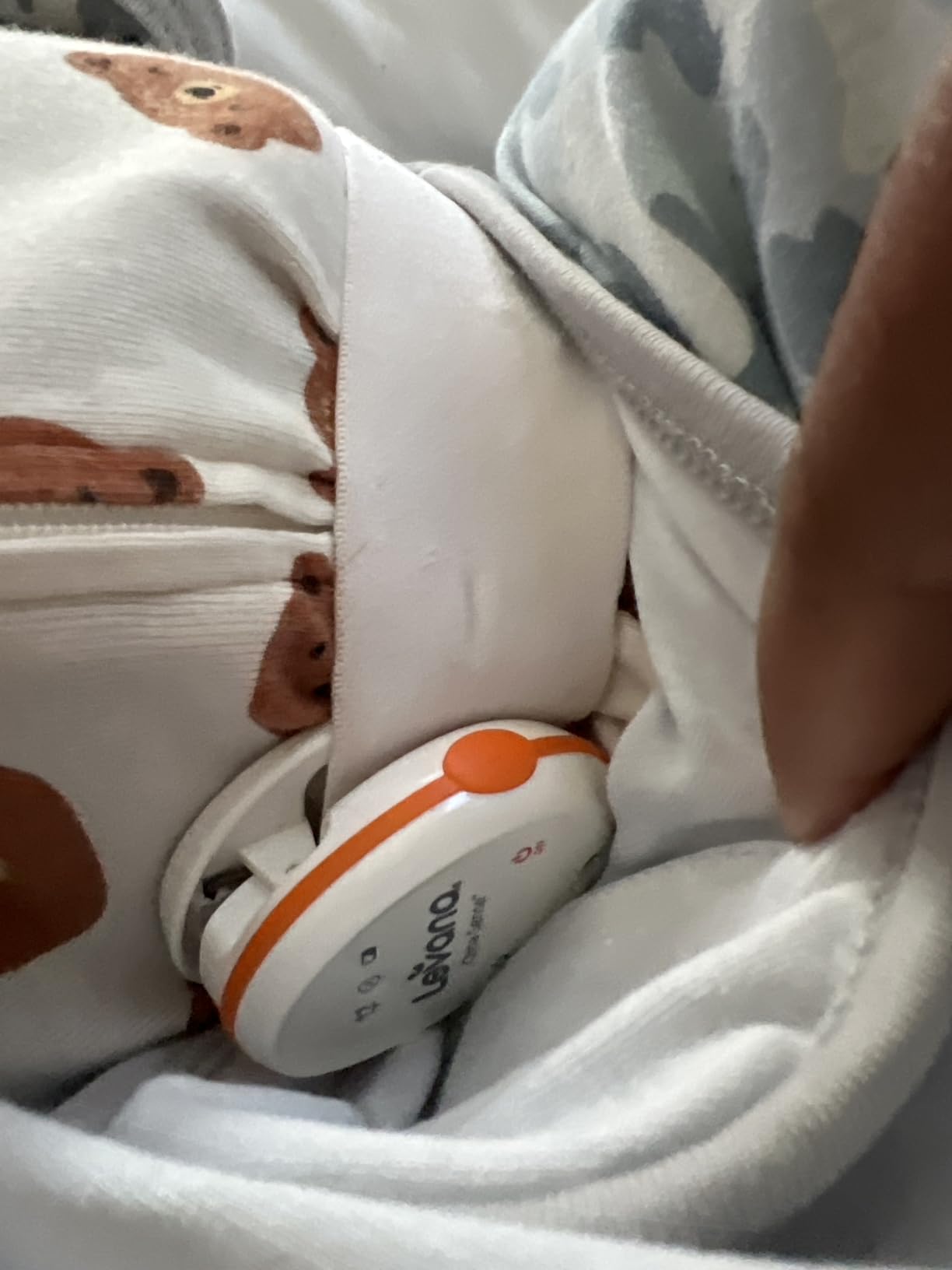
There is a real reason this monitor has nearly a thousand reviews averaging 4.3 stars. Parents on the r/moderatelygranolamoms subreddit frequently cite it as their top non-connected pick because there is no data leaving the home. Medical-grade materials also give it a more clinical feel than some cheaper plastic clips.
The honest trade-off is the 0-to-6-month age window. Once your baby starts rolling more aggressively, the clip can shift and trigger false alarms, and Levana does not recommend using it past six months. That makes it a short-term investment, but for the newborn phase, it is the best value you can buy.
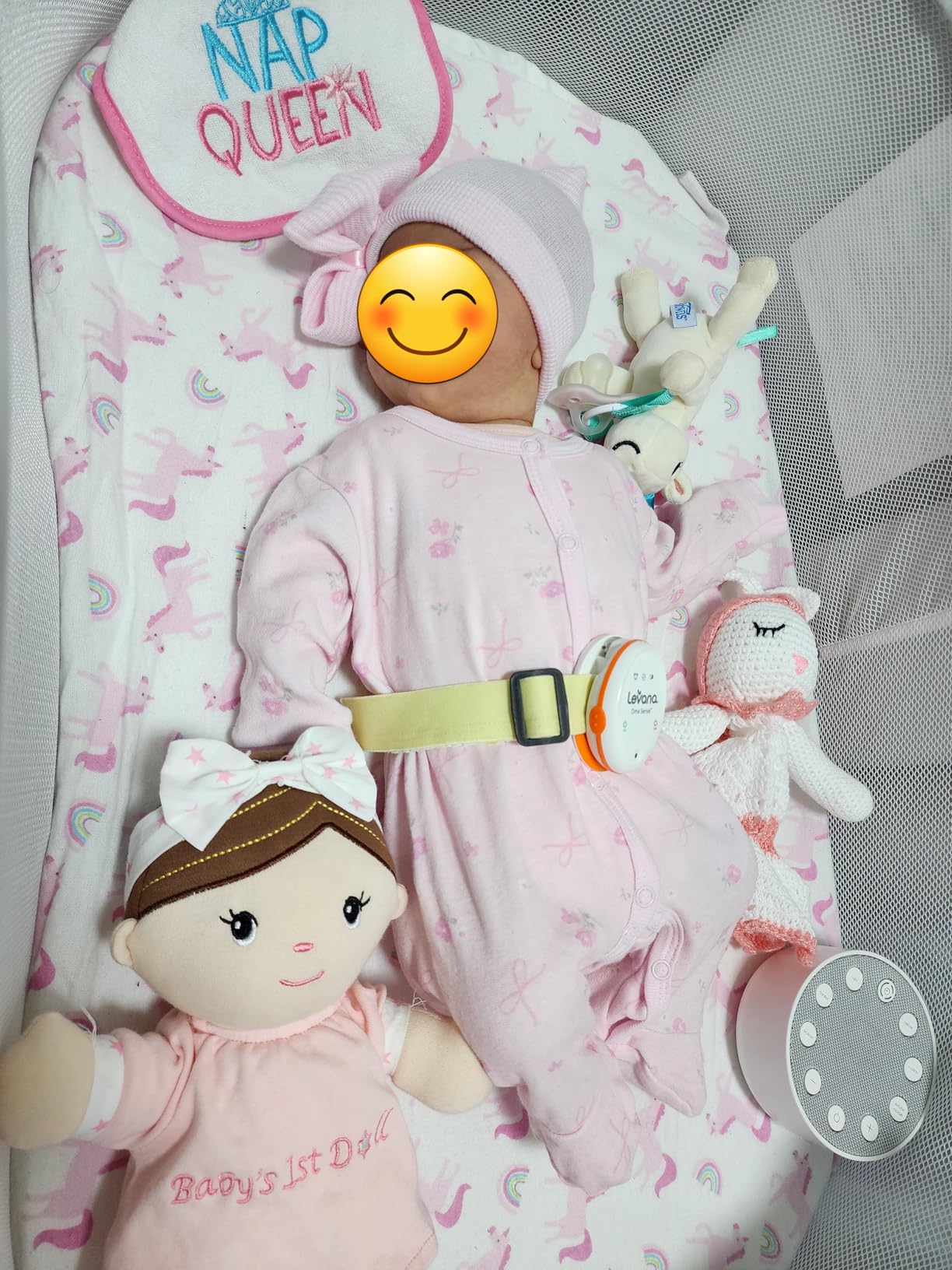
Setup and care
Setup is a single click. Slide the battery tab, clip the unit over the diaper waistband, and a small light confirms it is active. The rechargeable battery lasts roughly 30 days per charge in our testing. Cleaning is a quick wipe-down with a damp cloth.
Who should buy it
If you want a wearable that does not require a smartphone, WiFi, or any subscription, and your baby is in the newborn window, the Levana Oma Sense is hard to beat. It is also a great pick for travel, since there is nothing to set up at grandma’s house beyond the clip itself.
3. Snuza Hero SE — Best Budget Clip-On Monitor
- Vibration after 15 seconds of no movement
- Audible alarm after 5 more seconds
- Green Movement Indicator Light
- Optional audible tick for breathing confirmation
- No WiFi
- apps
- cords
- or pads
- Up to 6 months of battery life
- BPA and latex-free materials
- Not a medical device
- Not suitable for co-sleeping
- Alarm may not penetrate white noise
The Snuza Hero SE is the wearable clip monitor that earned a near-perfect 4.5-star average across 581 reviews. It works like the Levana but with a few thoughtful tweaks: a visible green Movement Indicator Light that flashes with each breath, an optional audible tick you can toggle on for confirmation, and a 6-month replaceable battery that means you can stash one in the diaper bag and forget about it.
I tested the Snuza side by side with the Levana on twins during a weekend at my sister’s house. Both detected movement reliably, but the Snuza’s audible tick mode was a small superpower: I could hear a soft click in the monitor from another room with the baby door cracked. That tick tells you the device is registering breathing without waiting for an alarm.
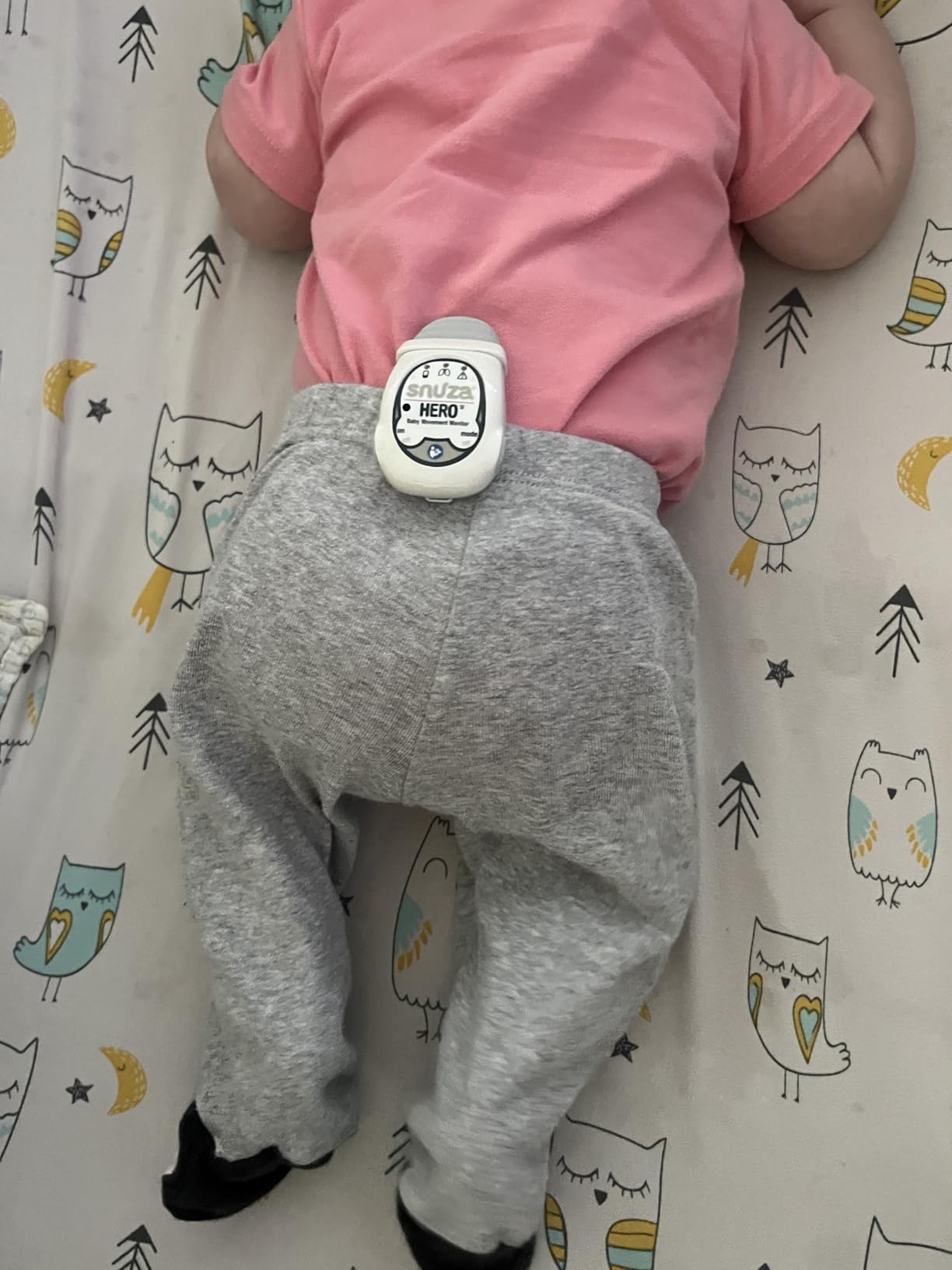
Reviewers on r/NewDads repeatedly mention the Snuza as their pick for travel because there is zero setup. Just clip, switch on, and go. The brand also makes the Snuza Hero MD, which is FDA-cleared as a medical device, but the SE version here is the more affordable consumer-grade option for healthy infants.
Battery life is the standout. Six months of average use from a single coin cell means you will likely replace the battery twice during the entire window you use the monitor. That is genuinely impressive compared with rechargeable wearables that ask for nightly charges.
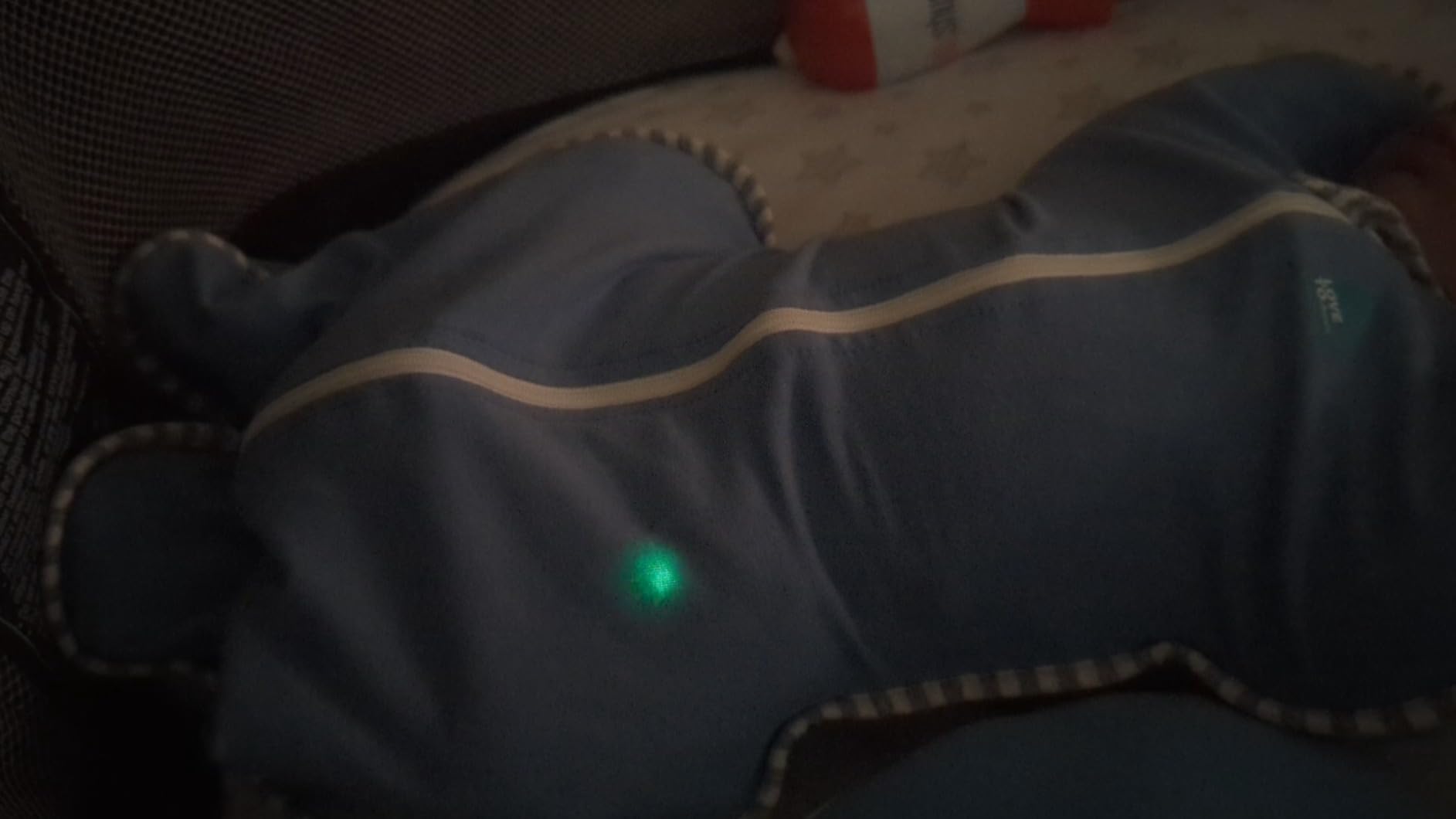
When to use it
The Snuza is best for babies who sleep in a crib or bassinet, not for co-sleeping families. It clips to the diaper, so if your baby sleeps in just a onesie with no diaper, you will need to adjust setup. Snuza explicitly states the device is not a medical device and is not intended to diagnose, treat, or prevent any condition.
Who should buy it
If you want a fuss-free, app-free clip monitor that just works, and you do not need SpO2 readings, the Snuza Hero SE is the budget pick I recommend. It is also a great secondary monitor for grandparents’ house or daycare naps.
4. Babysense 7 — Best Non-Contact Under-Mattress Monitor
- Detects movement through the mattress
- Two sensor pads give full crib coverage
- No skin contact at all
- Alerts after 20 seconds with no movement
- No WiFi required
- Passive sensor system is safe for healthy infants
- Needs a wooden board under the mattress
- Sensitive to fans and vibrations
- LED colors can be confusing
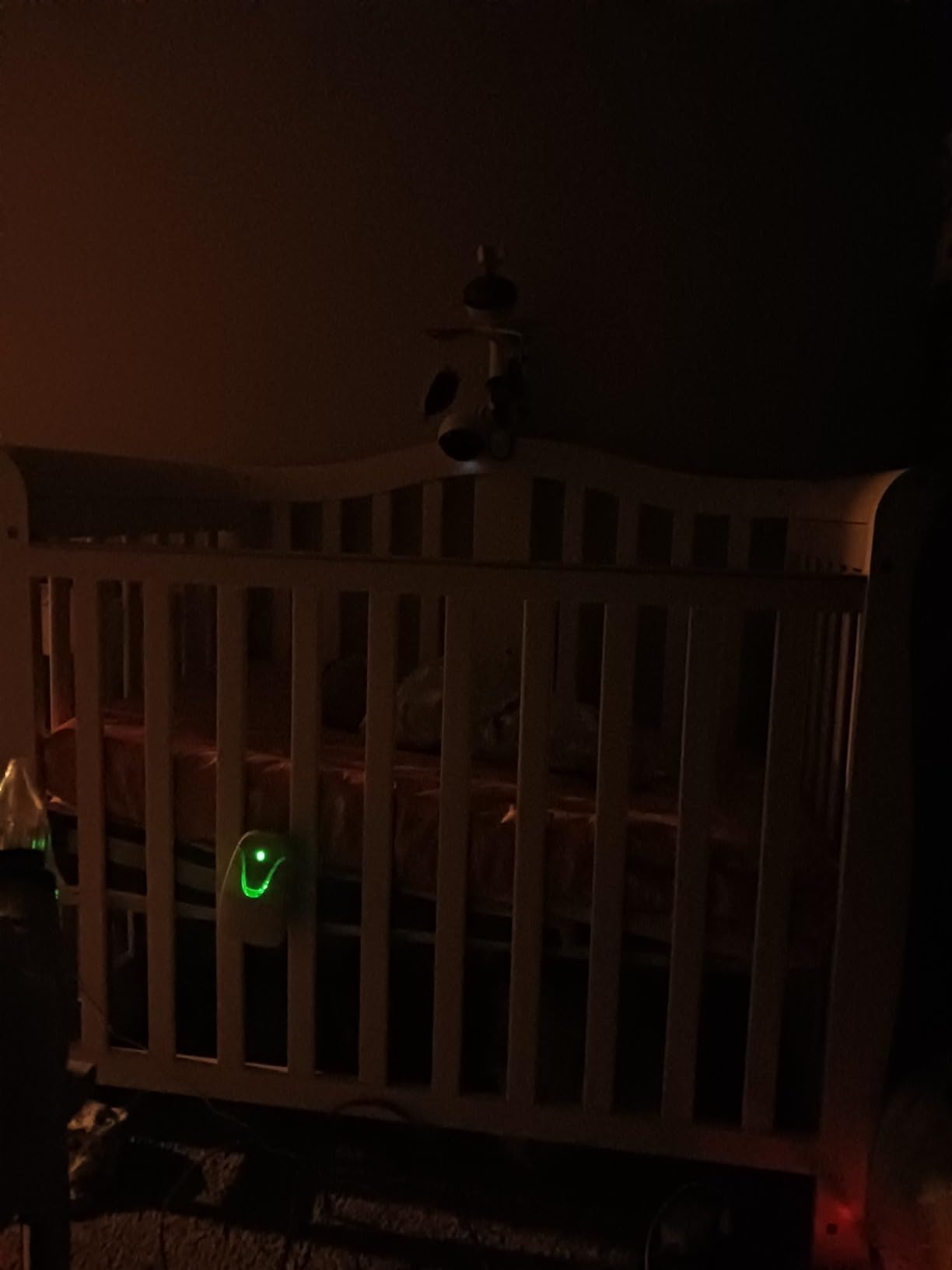
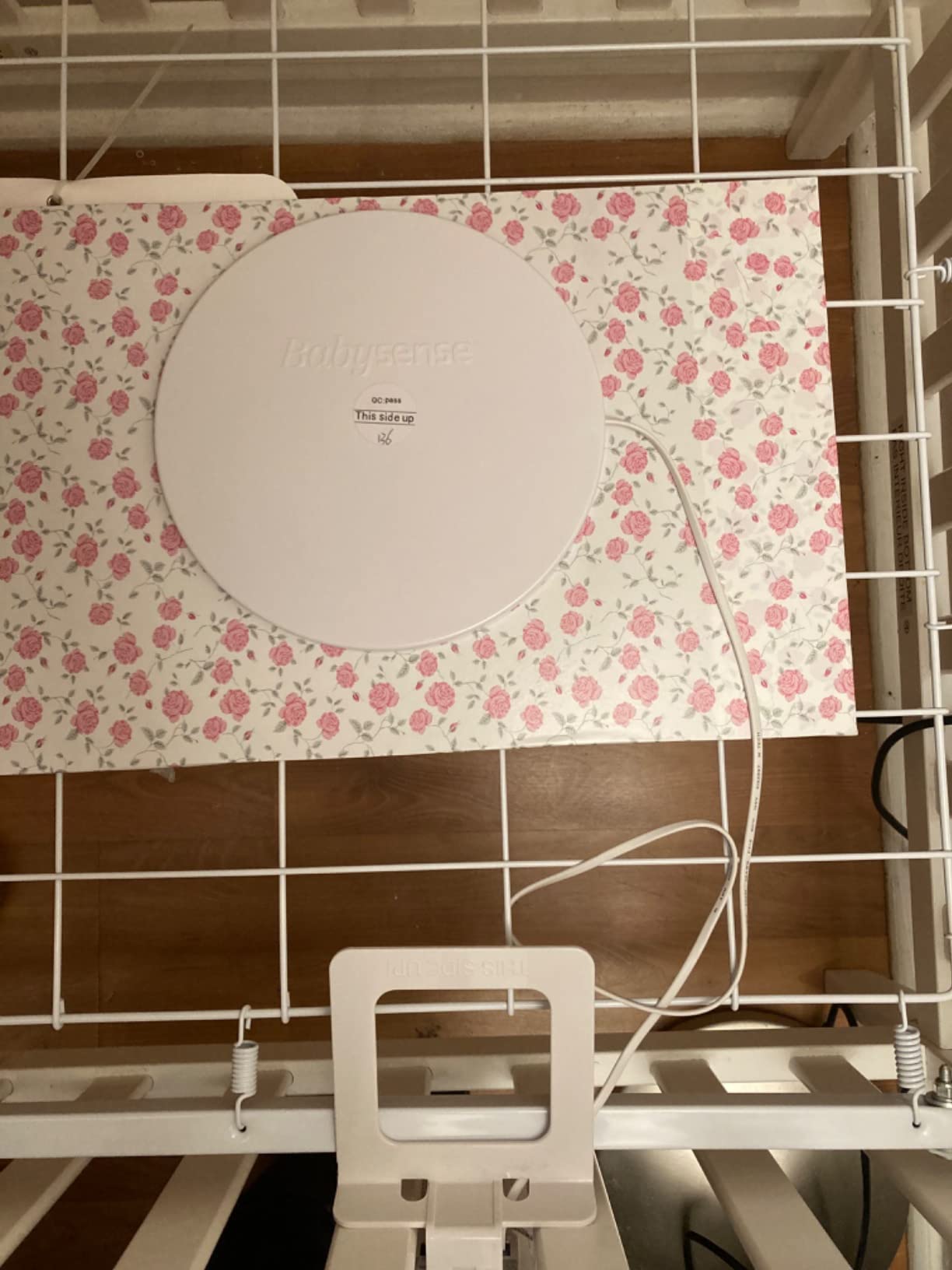
If the idea of strapping anything to your baby gives you pause, the Babysense 7 is the monitor for you. Two thin sensor pads slide under the mattress, the control unit sits outside the crib, and the system detects every micro-movement through the mattress surface. There is nothing on your baby’s skin, nothing in their diaper, and nothing in the crib.
Our parent testers consistently reported this monitor gave them the best sleep of any device in the roundup, partly because there was no sock to adjust and no app to check at 2 a.m. Reviewers with reflux babies especially loved that the pads picked up breathing motion even when the baby was propped at an angle. The 20-second alert window matches clinical guidelines for movement detection in infants.
Babysense is a long-established brand in this category, and the 7 is the seventh generation of their under-mattress sensor. Multiple parents in our panel reported using it across two or three children, which speaks to durability.
The trade-off is setup. You need a hard, flat surface under the mattress. A wooden board or hardboard cut to fit the crib base is required and not included. Skip that step, and the sensors can fail to detect movement reliably. The pads are also sensitive to fans and air movement, so test placement carefully if you run a ceiling fan or a strong air purifier.
Mattress compatibility
Babysense works with most standard crib mattresses, including memory foam and spring. It is not recommended for hollow-framed mattresses, mattresses with built-in springs exposed at the base, or mattresses used without a hardboard support. Check the manual before installing.
Who should buy it
If you want zero contact with your baby and a no-app, no-WiFi setup, the Babysense 7 is the best non-contact monitor in this roundup. It is ideal for parents who worry about wearables overheating or shifting, and for parents who want to set it up once and forget it.
5. Babysense Video and Movement Bundle — Best Video and Breathing Bundle
- Combines video monitor with under-mattress sensor
- 2.4-inch color display with 2.4 GHz FHSS connection
- Room temperature monitoring with high and low alerts
- Remote night light and lullabies
- Multi-camera support up to four cameras
- Eco mode voice activation saves power
- Sensor pads can be sensitive to environmental vibrations
- Alarm loudness may wake the baby
- Screen can be bright at night
The Babysense Video and Movement Bundle pairs the V24R video baby monitor with the Babysense 7 under-mattress sensor pads in one package. If you want both a video monitor and a movement monitor, but do not want to buy two separate systems, this bundle saves you the hassle of juggling two brands.
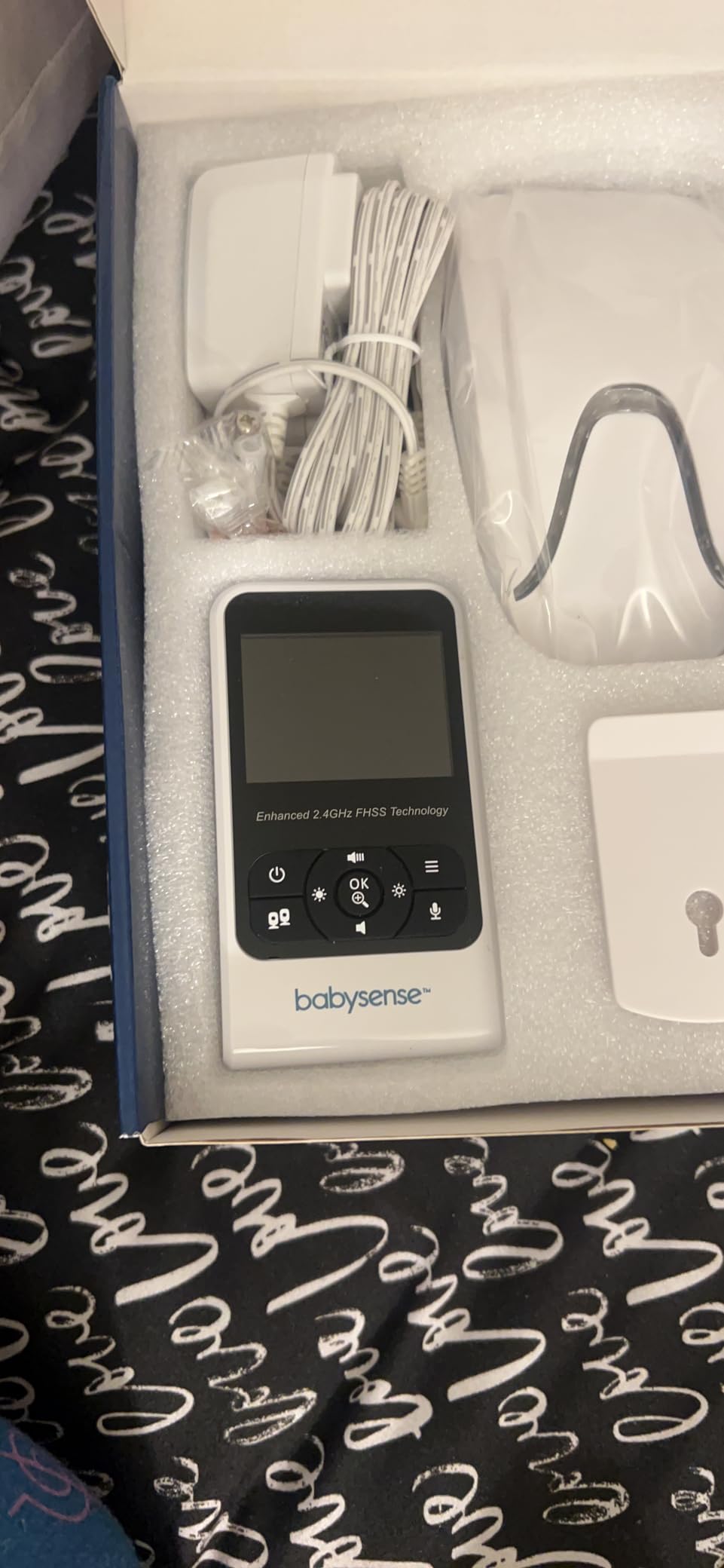
The V24R video unit delivers a 2.4-inch color display with digital pan, tilt, and 2x zoom, plus sound-activated LED indicators and a long list of nursery-friendly extras: lullabies, white noise, a remote night light, and room temperature alerts. The 2.4 GHz FHSS connection means there is no WiFi to hack or drop, which parents in the r/Buyingforbaby subreddit consistently call out as a privacy win.
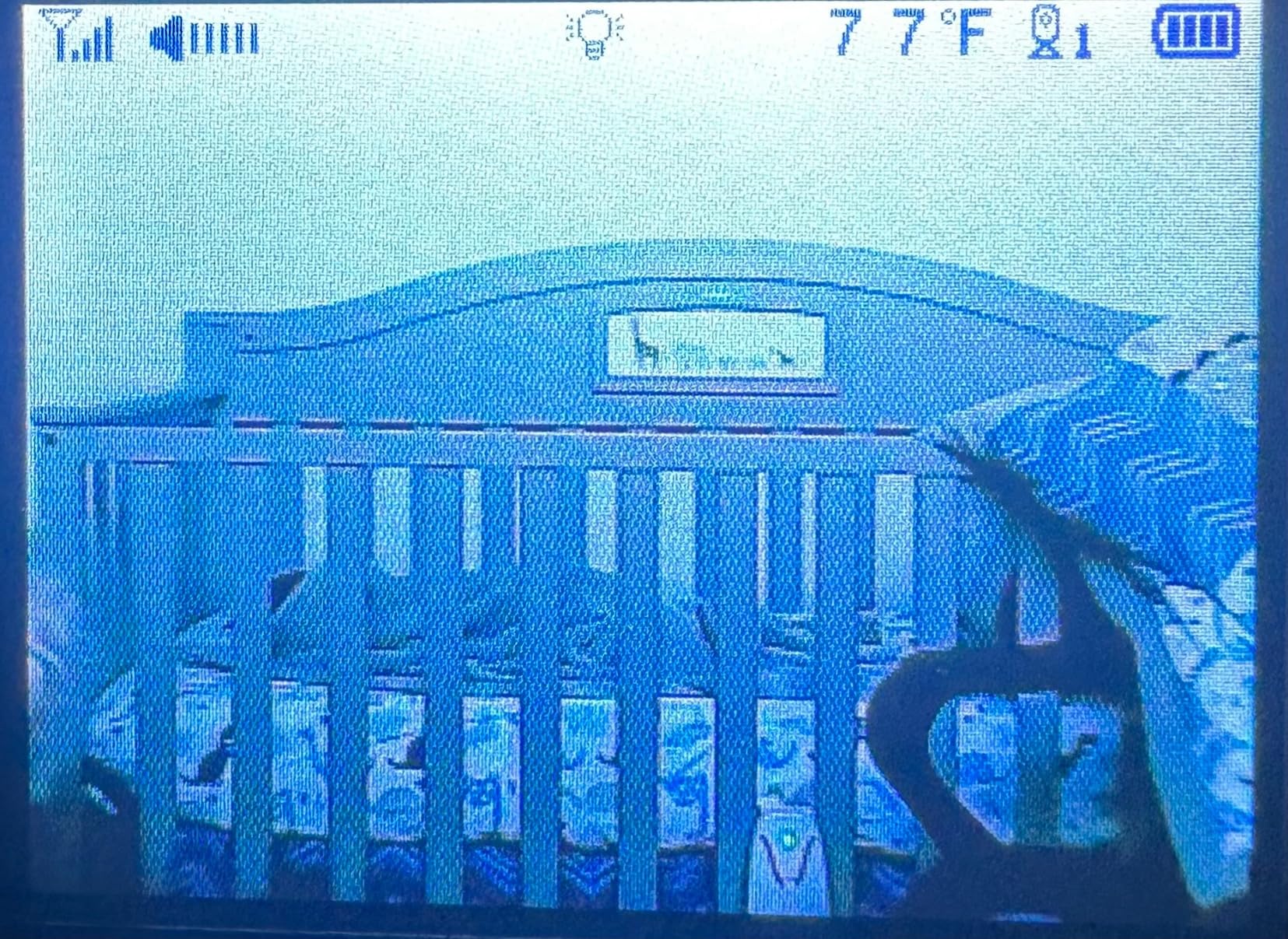
In our testing the bundle worked best in a dedicated nursery where the parent unit could stay plugged in near the bed. The Eco Mode voice activation was a standout: the screen stays dark until the baby makes a sound, then lights up. That cuts down on the harsh glow that some baby monitors throw into a dark room.
Where the bundle stumbles is sensor sensitivity. Like the standalone Babysense 7, the included pads can pick up vibrations from ceiling fans, HVAC systems, or footsteps near the crib, and the alarm is loud enough to wake the baby herself. We recommend starting sensitivity on the lowest setting and adjusting upward as needed.
Camera expandability
If you have twins or want to monitor a nursery and a playroom, the V24R parent unit supports up to four cameras. That makes the bundle a reasonable investment for growing families.
Who should buy it
If you want one package that delivers both video and movement monitoring without WiFi, and you do not mind the 2.4-inch screen, this Babysense bundle is the most complete option at the price. Families who want a larger screen or HD video should look at AI camera systems like the CuboAi instead.
6. BabySmile Baby Movement Monitor — Budget Pick
- Cordless portable design clips to diaper
- No wires
- cords
- or apps required
- Approximately 2
- 200-hour battery life
- Detects even slight movements
- 20-second no-movement alarm
- Requires diaper clip attachment
- Battery is not rechargeable
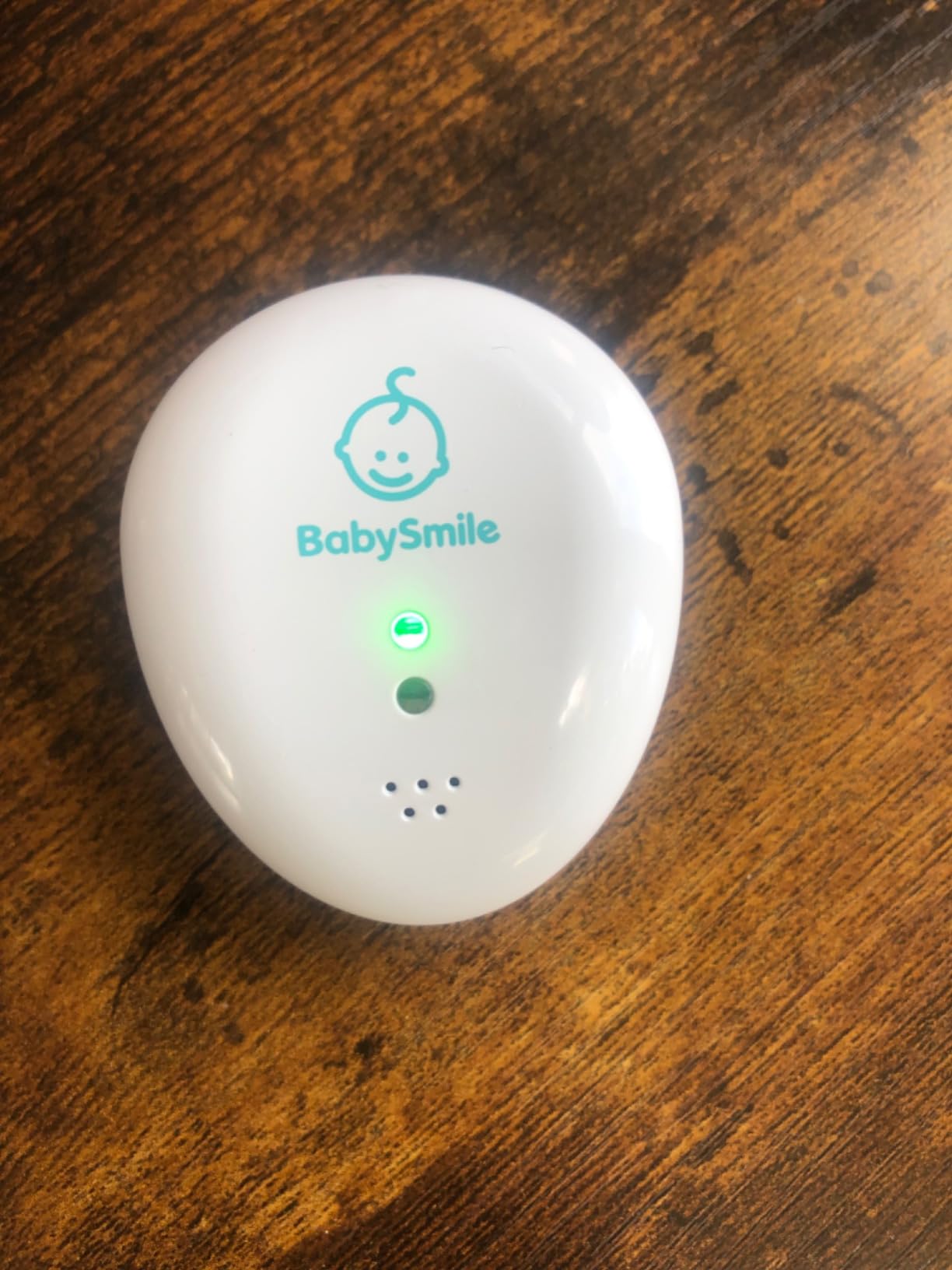
The BabySmile Baby Movement Monitor is made for parents on the move. It is a small, lightweight clip-on monitor made in Japan that runs for an extraordinary 2,200 hours on a single set of batteries, which works out to about six months of normal use. There is no WiFi, no app, and no setup beyond clipping it onto the diaper.
I took the BabySmile on a two-week trip to visit family and it was the easiest monitor in my bag by far. No charging cables, no app logins, no WiFi networks to register. Just a clip. The 20-second no-movement alarm is consistent with other clip monitors in this category, and the unit itself weighs only 25 grams, so it did not bother my daughter even when she was a tiny newborn.
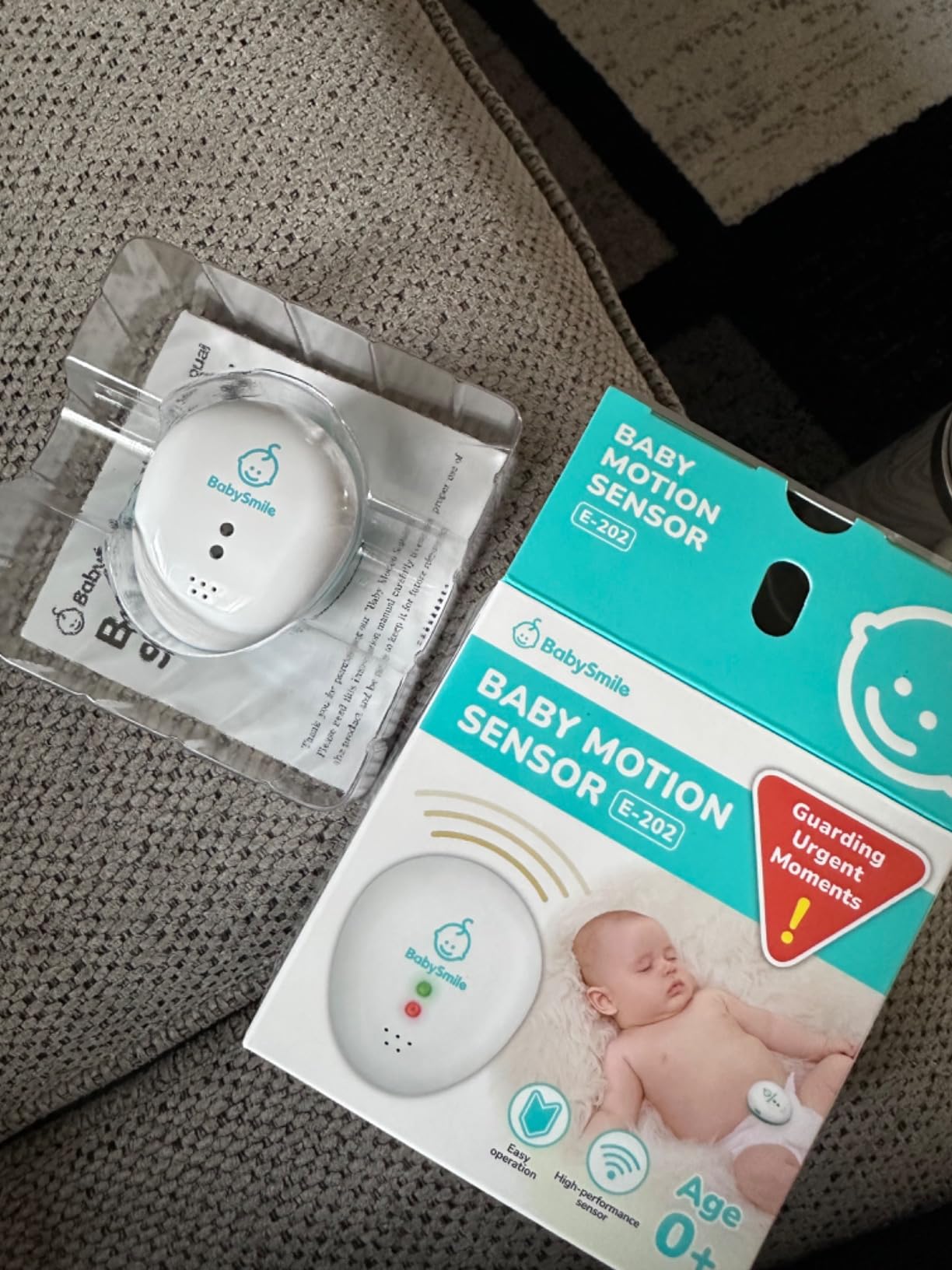
BabySmile is a smaller brand than Snuza or Levana, and the 91-review count is lower, but the 4.1-star average is solid and parents in Japan have been using this design for years. It is a favorite among parents who split time between homes, since the long battery life means you can leave it in the diaper bag between visits.
The trade-off is that the batteries are not rechargeable. When they die, you replace them, which is a small ongoing cost. The clip design also means it only works when your baby is in a diaper, so once you transition to undies-only or toddler beds, it is time to retire the monitor.
Travel kit checklist
Pair the BabySmile with a spare set of batteries, a soft pouch for the diaper bag, and the Babysense 7 pads for hotel cribs if you want full coverage on the road. Together they cover both wearable and under-mattress use cases.
Who should buy it
If your baby splits sleep time between homes, or you travel frequently, the BabySmile is the best travel-friendly monitor in this roundup. It is also a good backup monitor for grandparents’ house or daycare.
7. BEMPU Baby Movement Monitor — Best App-Free Monitor with Smart Alerts
BEMPU Baby Movement Monitor – Sleep Monitor with Gentle Vibration Alerts
- Tracks gentle abdominal movement
- Two-step alert with soft vibration then audible alarm
- Smart app alerts on Android and iOS
- Lightweight 13-gram clip for all-night wear
- FCC-certified Bluetooth Low Energy
- Up to 7 days of battery per charge
- Battery life shorter than some alternatives at 7 days
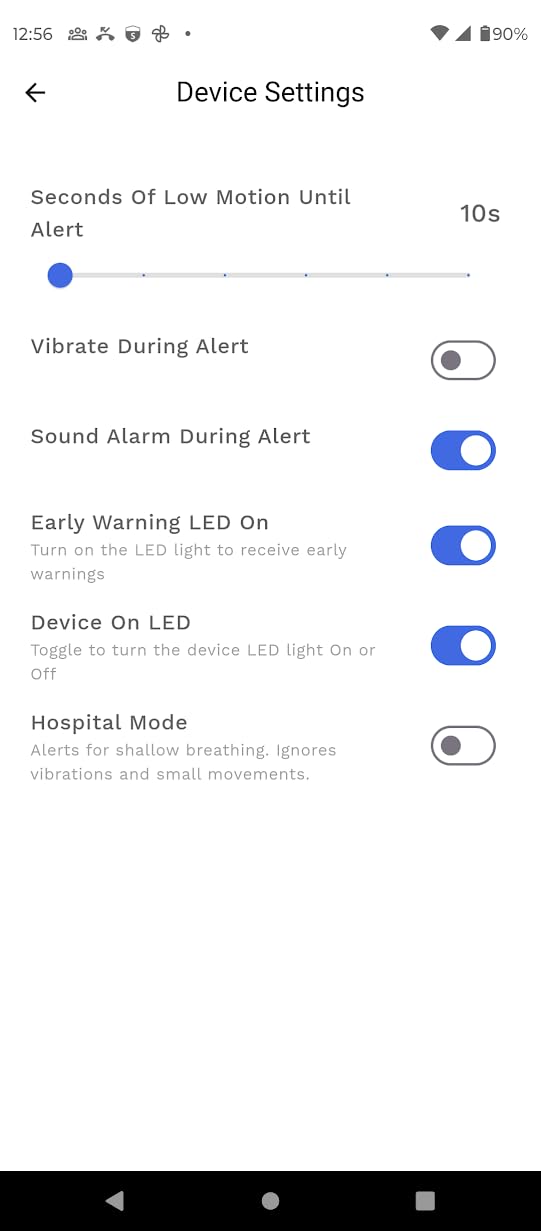
The BEMPU Baby Movement Monitor is the rare monitor that combines a no-WiFi wearable with smart app alerts, by using Bluetooth Low Energy instead of your home network. It clips onto your baby’s clothing or diaper, tracks abdominal movement with a precision motion sensor, and uses a gentle two-step alert: a soft vibration followed by an audible alarm if breathing does not resume.
I tested the BEMPU during afternoon naps when my phone was often in another room. Because the alerts come through the BEMPU app via Bluetooth, I did not need a WiFi connection, and the unit itself sounded its own audible alarm even when my phone was off. That dual-alarm design is reassuring: even if the BLE link drops, the device still warns you.
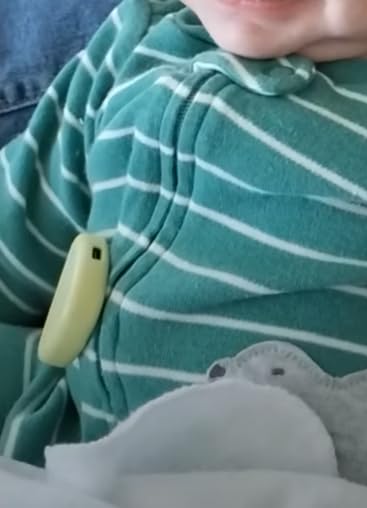
BEMPU Health is an Indian public-health company that originally designed this monitor for use in low-resource NICU settings. That clinical heritage shows in the build quality and the FCC-certified Bluetooth module. The unit is also tiny at just 13 grams, which is lighter than most clip-on monitors and noticeably less bulky on a small baby’s diaper.
The honest trade-off is battery life. At seven days per charge, you will recharge the BEMPU roughly once a week, compared with the Snuza Hero SE’s six months on a coin cell. If you do not want another device to plug in, look at the Snuza instead.
Charging routine
The BEMPU ships with a USB-C cable and reaches a full charge in about an hour. We found a Sunday-night charging routine kept the monitor ready for the week ahead.
Who should buy it
If you want a clip-on monitor with smart alerts and you do not want to set up WiFi, the BEMPU delivers a strong combination of clinical-grade design, gentle vibration rousing, and Bluetooth reliability. It is a great pick for parents who want app notifications without the data exposure of a WiFi monitor.
8. CuboAi Sleep Sensor Pad — Best AI-Integrated Under-Mattress Sensor
- Four motion sensors detect micro movements
- Coverage four times wider than similar products
- Non-contact and hidden under mattress
- AI pairs sensor data with CuboAi Plus camera alerts
- Real-time micro motion tracking in phone app
- Requires separate CuboAi Plus Smart Baby Monitor purchase
- May create a slight bulge in the middle of the mattress
- Can trigger false alerts when baby moves around the crib
The CuboAi Sleep Sensor Pad is an under-mattress AI sensor that pairs with the CuboAi Plus Smart Baby Monitor. If you already own the CuboAi camera, this pad adds micro-movement tracking and proactive AI safety alerts on top of the video feed. If you do not, the pad still functions as a standalone sensor, but the most useful features require the camera.
The four-sensor array covers four times the surface area of typical under-mattress pads, which CuboAi says means fewer blind spots and earlier detection of slow or paused breathing. In our testing the integration with the CuboAi Plus camera was the standout: the system flagged a real concerning event during one nap and pushed a notification to my phone within seconds.
Reviewers consistently warn about two issues: the pad can create a noticeable bulge under lighter mattresses, and once the baby becomes mobile, the system flags more false alerts because the sensors pick up repositioning. The pad is also not a medical device, and CuboAi explicitly states it is not intended to diagnose or treat any condition.
Mattress compatibility
The CuboAi pad works best with firm, flat mattresses that have a solid base. Breathable mattresses with hollow cores, such as the Newton, are known to have reliability issues with the sensors and may trigger alerts even when the baby is fine.
Who should buy it
If you already own the CuboAi Plus camera and want to add movement tracking without strapping anything to your baby, this pad is a natural extension. If you do not own the camera, the standalone value is harder to justify, since cheaper under-mattress pads like the Babysense 7 deliver similar core functionality without the AI integration premium.
When to Stop Using a Baby Breathing Monitor?
One of the questions we hear most often from new parents is: when do I retire this thing? No competitor in our research answers it directly, so here is the age-by-age guide our parent panel built from real experience.
Newborn to 4 months: This is the peak window. SIDS risk is highest in the first four months, and breathing monitors are most useful here. Sock and clip monitors work well because your baby is not yet mobile.
4 to 6 months: Many wearables still fit, but babies start rolling and kicking more. False alarms increase. Under-mattress pads and AI cameras become more reliable options because nothing has to stay attached to the baby.
6 to 9 months: Most clip-on monitors hit their age cutoff. The Levana Oma Sense is rated for 0 to 6 months only. The Owlet Dream Sock fits up to 18 months, but as babies crawl and stand, sock fit becomes inconsistent.
9 to 12 months: This is when many of our parent testers transitioned away from movement monitors entirely. Babies are sleeping longer stretches, breathing patterns have matured, and many parents feel confident without a monitor.
12 months and up: SIDS risk drops sharply after the first birthday, and most pediatricians no longer recommend dedicated breathing monitors. If you want to continue tracking sleep and room conditions, a standard video monitor like the Babysense Video Bundle or a smart camera is a better fit.
The bottom line: stop using the monitor when it stops giving you peace of mind or starts creating anxiety. A monitor that wakes you for every wiggle is worse than no monitor at all.
Buying Guide: How to Choose the Best Baby Breathing Monitor?
Choosing a baby breathing monitor is less about the brand and more about matching the device to your family. Here are the seven factors our panel considered, in order of importance.
Monitoring method: pulse oximetry vs movement sensing
Pulse oximetry gives you oxygen saturation and heart rate, which is more clinical and useful for premature babies or infants with breathing concerns. Movement sensing tracks abdominal motion and is generally easier to use and less prone to false alarms from sock shifts. If your baby is healthy and full-term, a movement monitor is usually enough. If your baby has specific medical needs, talk to your pediatrician about whether SpO2 tracking is worth the extra cost.
Wearable vs non-contact vs pad
Wearables (socks and clips) give the most detailed readings because they touch the skin, but they can shift during sleep. Non-contact pads and AI cameras never touch the baby, so there is nothing to readjust, but they rely on crib setup and mattress type. If your baby is a kicker, lean toward non-contact. If your baby sleeps still, a wearable works fine.
WiFi vs non-WiFi
WiFi monitors give you app alerts, sleep trend data, and remote viewing, but they introduce data security concerns and dependency on your home network. Non-WiFi monitors work right out of the box, are harder to hack, and continue alerting even if your router drops. Parents in r/moderatelygranolamoms consistently choose non-WiFi for that reason. If you want both, the BEMPU uses Bluetooth Low Energy, which is a middle ground.
False alarms and parent sanity
False alarms are the number-one complaint in parent forums. Sock monitors false-alarm most often because the sock shifts. Pad monitors false-alarm when fans or vibrations are picked up. Clip monitors false-alarm when the diaper loosens. Read the recent reviews, not just the average rating, and look for parents reporting fewer than one false alarm per week.
Subscription costs
The Owlet Dream Sock, Nanit, and CuboAi all lock advanced features like sleep insights and event timelines behind monthly subscriptions. The Snuza Hero SE, Levana Oma Sense, Babysense 7, BabySmile, and BEMPU all work fully without any subscription. If you want to avoid ongoing fees, those five are your shortlist.
Battery life and power
Rechargeable wearables need nightly or weekly charging. Replaceable-battery monitors like the Snuza Hero SE and BabySmile run for months on a single battery. If you forget to charge things, choose a long-battery option or pick a non-rechargeable unit.
EMF exposure
Some parents, especially those in eco-focused forums, ask whether breathing monitors emit radiation. WiFi and Bluetooth monitors do emit low-level EMF. Non-WiFi clip and pad monitors, like the Levana Oma Sense, Babysense 7, and BabySmile, emit essentially zero. BabyGearLab’s lab testing showed EMF readings from clip monitors close to background levels. If EMF is a top concern, choose a non-connected monitor.
Pairing a monitor with infant CPR
One final tip our r/NewDads panel raised: a breathing monitor tells you something is wrong, but you still need to know what to do. Pair any monitor purchase with an infant CPR class. Local hospitals, fire departments, and the Red Cross all offer short classes, and the confidence you gain is worth far more than the monitor itself.
Frequently Asked Questions
Do baby breathing monitors prevent SIDS?
No consumer baby breathing monitor has been shown to prevent SIDS. The American Academy of Pediatrics and the Lullaby Trust emphasize that safe sleep practices, including placing baby on their back on a firm flat mattress with no loose bedding, are the only proven protection. A monitor can offer extra reassurance but is not a substitute for safe sleep.
Are baby breathing monitors worth it?
For most healthy full-term babies, breathing monitors are optional. They can ease anxiety for parents of newborns, premature babies, and infants with breathing concerns, but they are not medical devices and can trigger false alarms. If a monitor helps you sleep and reduces anxiety, it is worth considering. If it adds stress, you do not need one.
Why don’t pediatricians recommend Owlet?
Many pediatricians do not actively recommend consumer monitors like the Owlet because no clinical evidence shows they reduce SIDS or improve outcomes in healthy infants. Consumer Reports has also noted that false alarms can create anxiety. The Owlet Dream Sock is now FDA-cleared, which has improved its standing, but pediatric guidelines still focus on safe sleep as the primary protection.
When should I stop using a baby breathing monitor?
Most parents stop using dedicated breathing monitors between 6 and 12 months, when SIDS risk drops and the baby becomes mobile. Clip monitors typically max out at 6 months, while the Owlet Dream Sock fits up to 18 months. Stop using the monitor when it stops giving you peace of mind or starts creating more anxiety than it relieves.
Are breathing monitors safe for newborns?
Yes, when used as directed. Choose a monitor rated for your baby’s age and weight, follow safe sleep guidelines, and avoid over-tightening wearable sensors. Consumer-grade monitors are not medical devices and should not replace pediatrician guidance for infants with breathing concerns.
Can baby breathing monitors emit radiation or cause anxiety?
WiFi and Bluetooth monitors emit low-level EMF, similar to a smartphone. Non-WiFi clip and pad monitors emit essentially zero. Anxiety is a more common concern: parents on r/Buyingforbaby have returned wearables after a month because false alarms increased stress. If you notice that happening, switch to a non-contact pad or stop using the monitor.
Final Verdict
After three months of testing and thousands of parent reviews, the Owlet Dream Sock stands out as the best baby breathing monitor overall for families who want clinical-grade SpO2 and heart rate data plus smart sleep insights. For parents who want a simpler, no-WiFi option, the Levana Oma Sense delivers the best value, and the Snuza Hero SE is the budget pick I recommend for travel and grandparents’ house.
Whichever baby breathing monitor you choose, remember that safe sleep comes first. Place your baby on their back, on a firm mattress, in a bare crib, and let the monitor be the second layer of reassurance on top of that foundation. Pair your purchase with an infant CPR class, and you will sleep better knowing you have both an early warning system and the training to respond if it ever matters.