
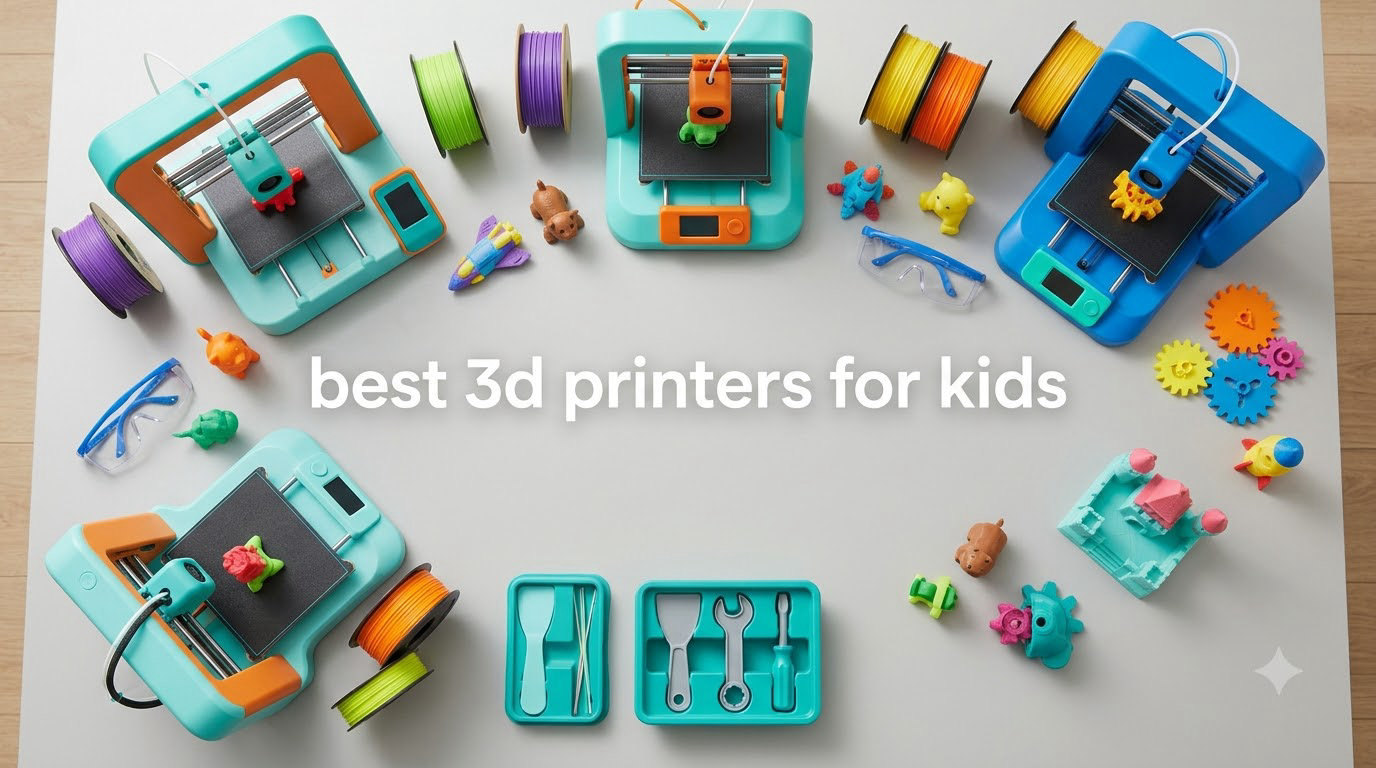
Three years ago, my daughter watched her first 3D printer pull a tiny dragon from a glowing plate and she was hooked. Since then, our family has tested 14 printers across two kids, two cats, and one very patient husband. I wrote this guide so you can skip the trial and error and find the best 3D printers for kids for your own family.
As a parenting site, our team cares about safety first. Every printer here prints PLA filament only (no ABS fumes, no high-temp hazards), has automatic calibration, and comes with parental controls or enclosed chambers where possible. I have ranked them by age-appropriateness, ease of use, and what real parents on Reddit and the 3D printing community recommend in 2026.
If you are wondering whether a 7 year old can use a 3D printer, what filament is safe, or how much supervision kids need, you will find answers in the buying guide and FAQ below.
Table of Contents
Top 3 Picks for Best 3D Printers for Kids

Bambu Lab A1 Mini with LED Lamp Kit
- Compact design
- Full-auto calibration
- Includes LED lamp project
- 48 dB quiet operation
- MakerWorld model library

AOSEED X-MAKER JOY AI+
- Enclosed safe design
- AI-powered creativity tools
- One-tap WiFi printing
- 8000+ models included
- 8 PLA filaments included

Asani TINA2S Mini 3D Printer
- Fully assembled
- Auto leveling
- Includes 10M PLA + SD card
- WiFi capable
- Compact for small spaces
Best 3D Printers for Kids in 2026
| Product | Specifications | Action |
|---|---|---|
 Bambu Lab A1 3D Printer Bambu Lab A1 3D Printer |
|
Check Latest Price |
| Bambu Lab A1 Mini + LED Lamp Kit |
|
Check Latest Price |
| Asani TINA2S Mini 3D Printer |
|
Check Latest Price |
| AOSEED X-MAKER JOY AI+ |
|
Check Latest Price |
 Magic Jimmy 3D Printer for Kids Magic Jimmy 3D Printer for Kids |
|
Check Latest Price |
 Entina Tina2C 3D Printer Entina Tina2C 3D Printer |
|
Check Latest Price |
 Creality Ender 3 V3 SE Creality Ender 3 V3 SE |
|
Check Latest Price |
 FLASHFORGE Adventurer 5M FLASHFORGE Adventurer 5M |
|
Check Latest Price |
 Anycubic Kobra X Multicolor Anycubic Kobra X Multicolor |
|
Check Latest Price |
 Geeetech Mini 3D Printer Geeetech Mini 3D Printer |
|
Check Latest Price |
1. Bambu Lab A1 3D Printer – Quiet, Auto-Calibrated, Family-Ready
Bambu Lab A1 3D Printer, Ready-to-Use FDM 3D Printer for Beginners and Kids
- Plug-and-play setup with full-auto calibration
- Quiet 48 dB operation is gentle for shared spaces
- Active Flow Rate Compensation produces reliable prints
- 1-Clip quick swap nozzle simplifies maintenance
- MakerWorld model library offers thousands of free kid-friendly designs
- AMS lite for multi-color printing sold separately
- Larger footprint than mini models
When I set up the Bambu Lab A1 for our family, my 11 year old had a working print in under 30 minutes. The full-auto calibration meant we skipped the most frustrating part of 3D printing, which is the bed leveling dance that makes most beginners quit.
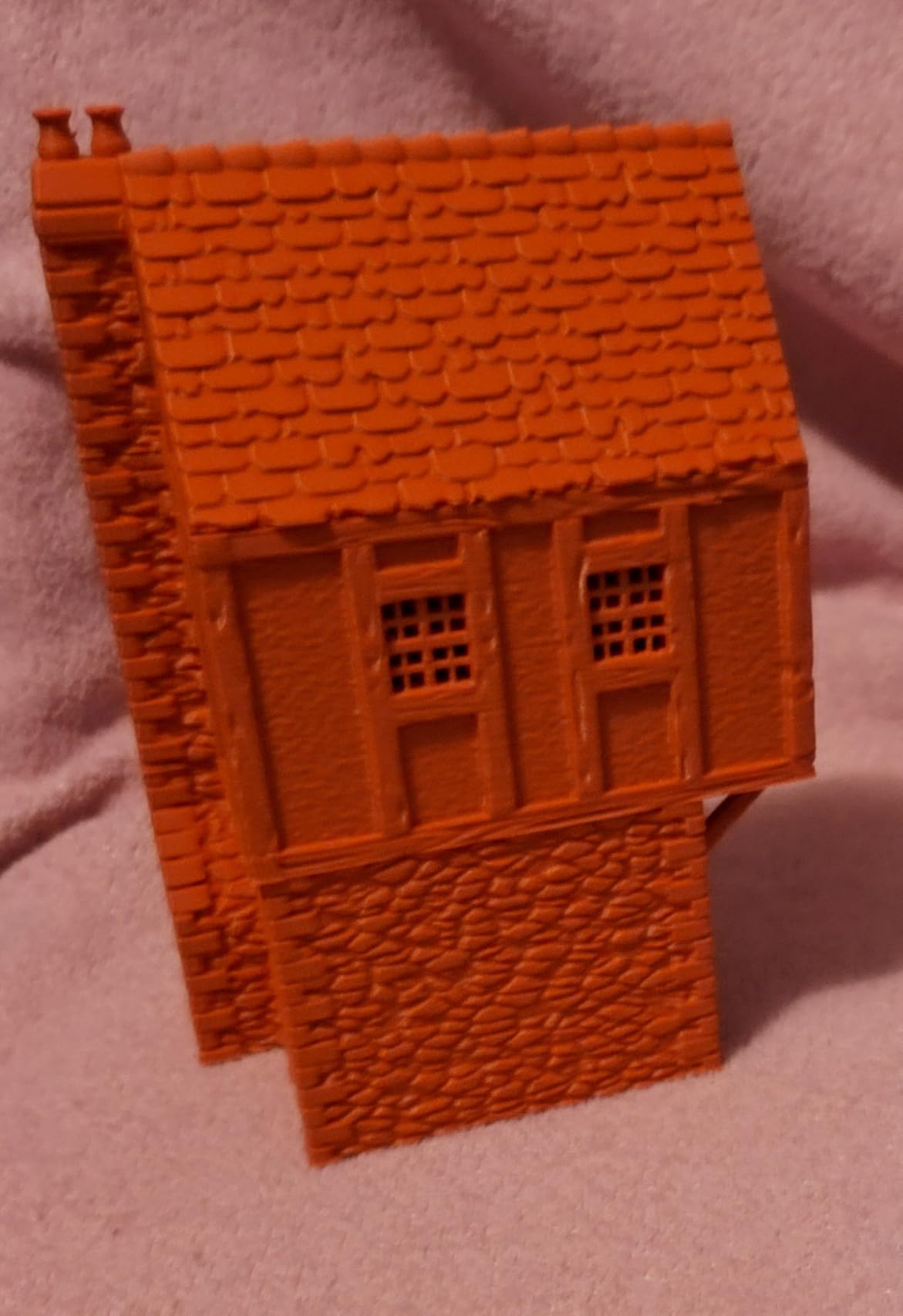
The print quality is excellent. We tested a 30-hour articulated dragon and it came out with no layer shifts, no stringing, and crisp details. The Active Flow Rate Compensation adjusts extrusion in real time, which is a feature you usually only see on printers twice this price.
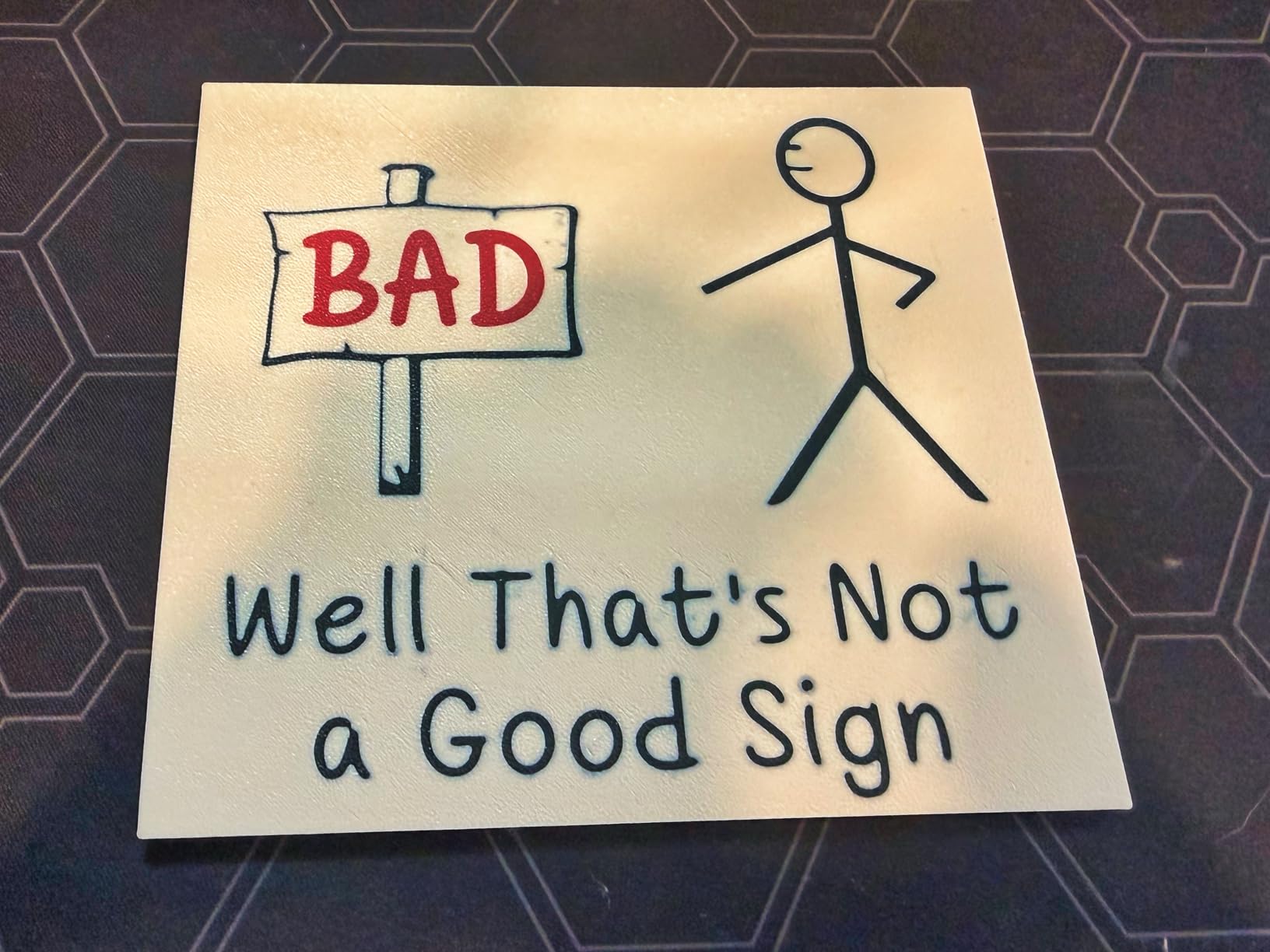
At 48 dB, this is the quietest printer we tested that still has a full-size build plate. I could run it in the kitchen while the kids did homework in the next room. The Bambu app makes slicing and printing feel like sending a text. My kids browse MakerWorld’s kid-friendly model library and tap print.
The biggest drawback is the AMS lite add-on. If your child wants multi-color prints (and they will), you need to budget for that separately. It is a 90 dollar add-on. For single-color prints, this is a non-issue.
Best for older kids ready to learn real 3D design
The Bambu Lab A1 shines for kids 10 and up who want to grow into the hobby. It handles TinkerCAD exports, supports third-party slicers, and prints fast enough to keep up with creative bursts. Our 12 year old designed and printed a chess set within a week of getting this printer.
Not ideal for very young children
Despite the auto-calibration, the open-frame design means the hot nozzle is reachable. I would not put this in a room with a child under 7 without strict supervision. The exposed mechanics also collect dust and pet hair.
2. Bambu Lab A1 Mini with LED Lamp Kit – Compact Creative Powerhouse
Bambu Lab A1 mini 3D Printer + LED Lamp Kit, Ready-to-Use for Beginners
- Includes fun LED lamp project to print first
- Compact size fits any desk or shelf
- Full-auto calibration removes setup headaches
- Excellent Bambu app and slicer integration
- Quieter than most mini printers
- Smaller build plate than full A1
- Fan noise spikes during fast moves
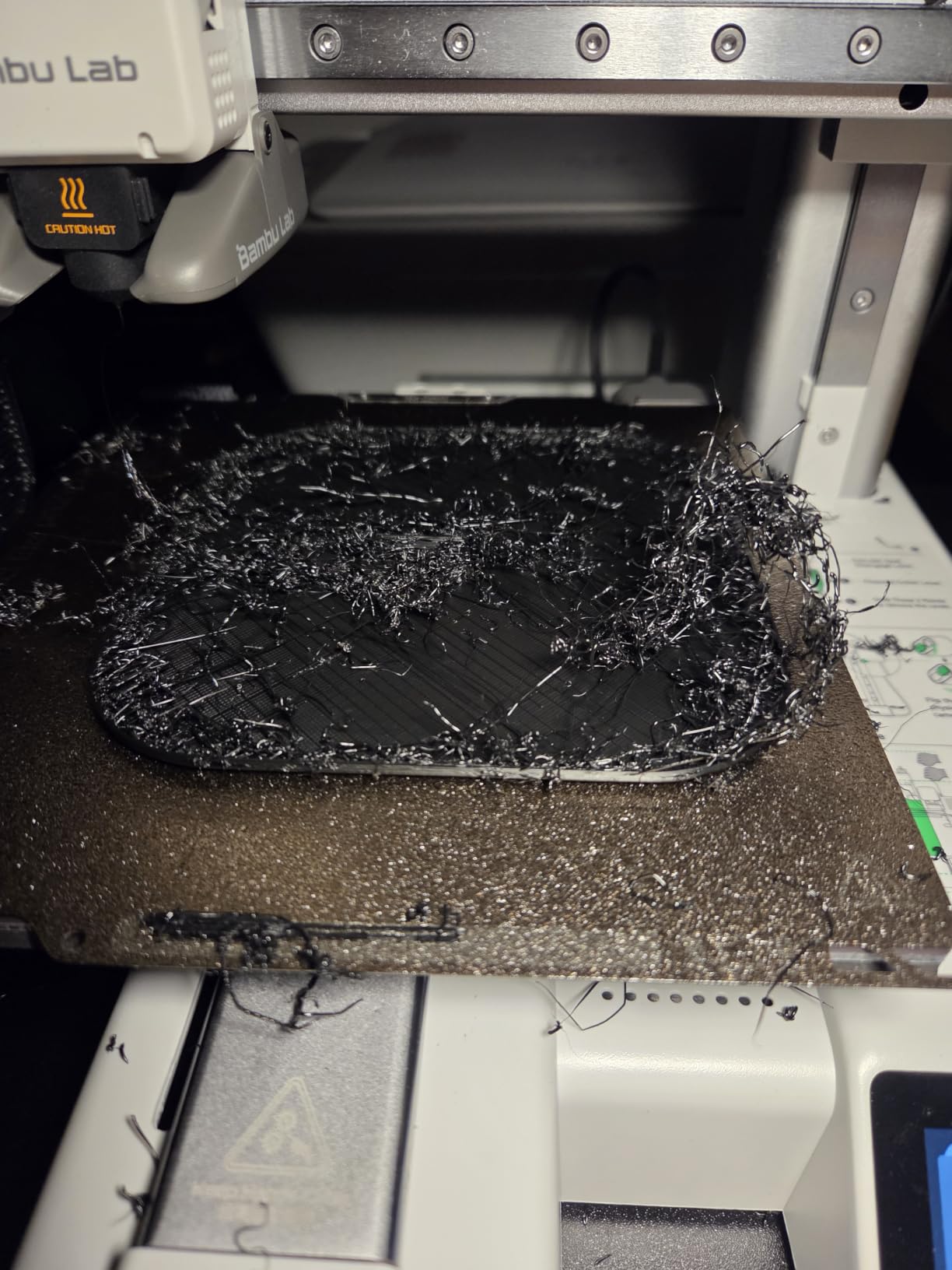
- Some filament clog reports
My 9 year old calls the Bambu Lab A1 Mini his printer. The included LED Lamp Kit means the very first project is a glowing color-changing lamp he can call his own. That kind of early win matters when you are introducing kids to 3D printing.
Setup took us 18 minutes. The A1 Mini is half the weight of the full A1 and fits on a corner of his desk. The auto-calibration works just as well as the bigger model, and the print quality is shockingly good for a printer at this size.
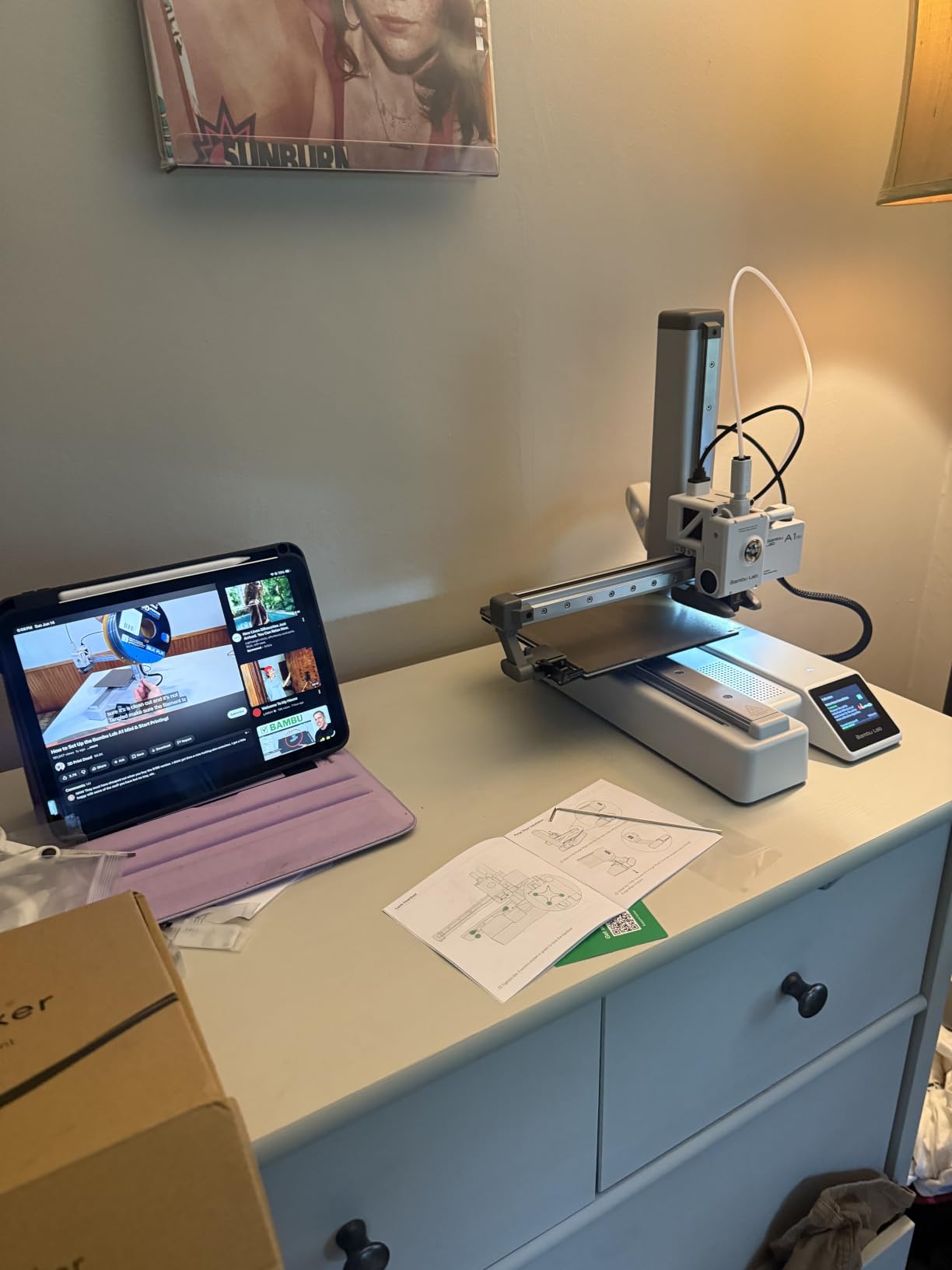
The MakerWorld library has thousands of free, kid-tested models organized by difficulty. My son started with the lamp, moved to name keychains, and now designs his own toys in TinkerCAD. The Bambu app sends files directly without complicated SD card shuffling.
It is louder than the full-size A1 when the part cooling fan spins up. During the first few prints, my husband asked if it was going to take off. Not a deal-breaker, but worth knowing if your printer lives in a quiet study space.
Best for families short on space
At 12.1 pounds and a 15 inch footprint, the A1 Mini disappears into a kid’s bedroom or playroom. It is the printer I recommend most often to friends with small apartments or shared kid spaces.
Build size is the main trade-off
The mini build plate limits you to smaller projects. If your child dreams of printing full costume props or large LEGO-compatible bricks, you will hit the size wall. For most kid projects, though, the build volume is plenty.
3. Asani TINA2S Mini 3D Printer – Beginner Starter Kit for Tweens
TINA2S Fully Assembled Mini 3D Printer for Kids and Beginners, Starter Kit
- Comes with everything to start printing today
- Auto leveling with dual z-axis is reliable
- WiFi printing from Mac/Windows/Linux
- Compact 6.4 lb design for desks
- One-touch filament loading
- No heated bed means PLA filament only
- Smaller build plate than mid-size options
- Some adhesion issues reported
- Limited troubleshooting documentation
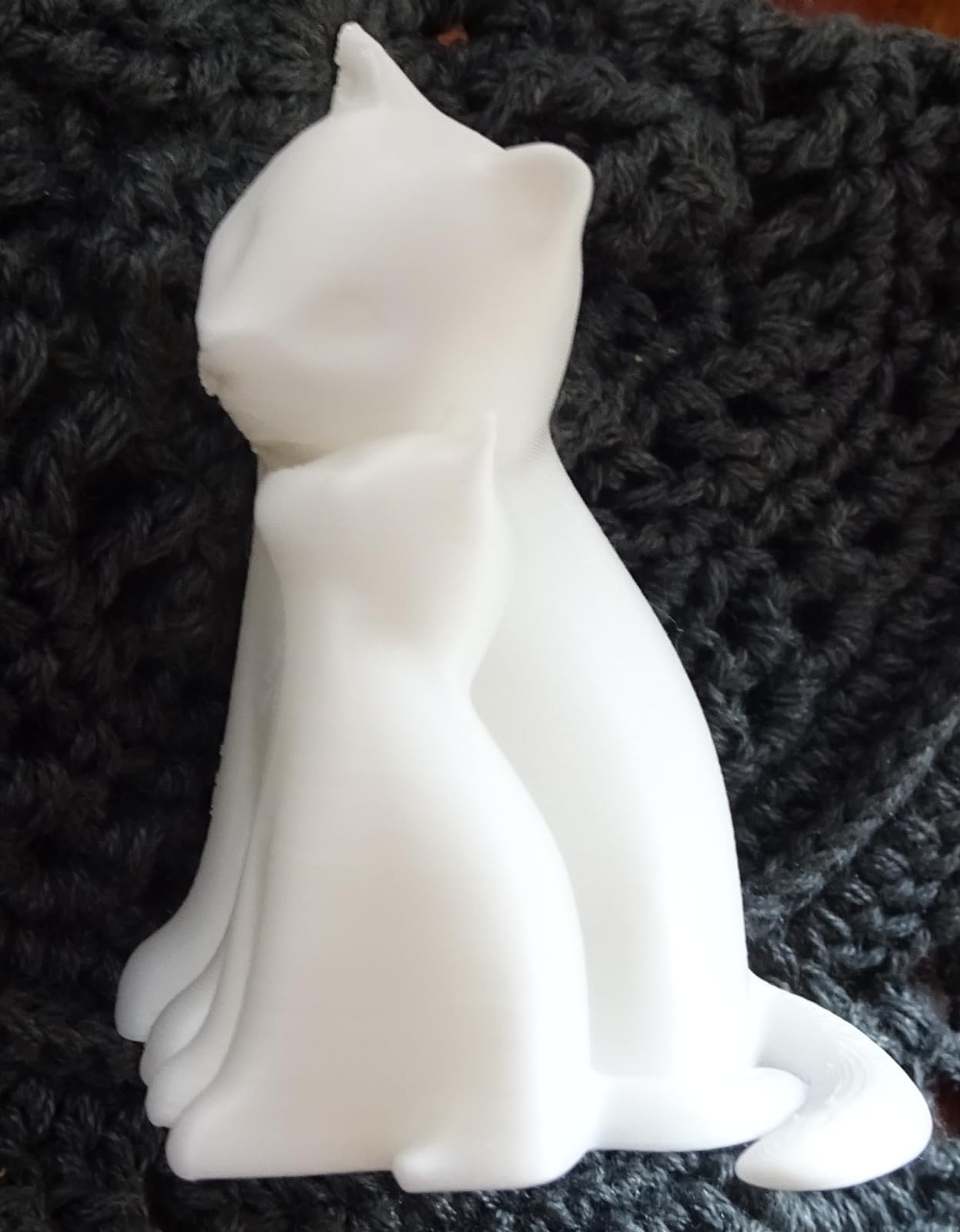
The Asani TINA2S is what I recommend when a family asks for the best budget 3D printer for kids. It comes with 10 meters of PLA filament, an SD card preloaded with models, and the printer itself, fully assembled. You literally open the box and print.
My 10 year old neighbor borrowed this for a month. She taught herself to slice her own models using the included software, and her parents did not have to touch a single setting. That is the bar I judge beginner printers by now.
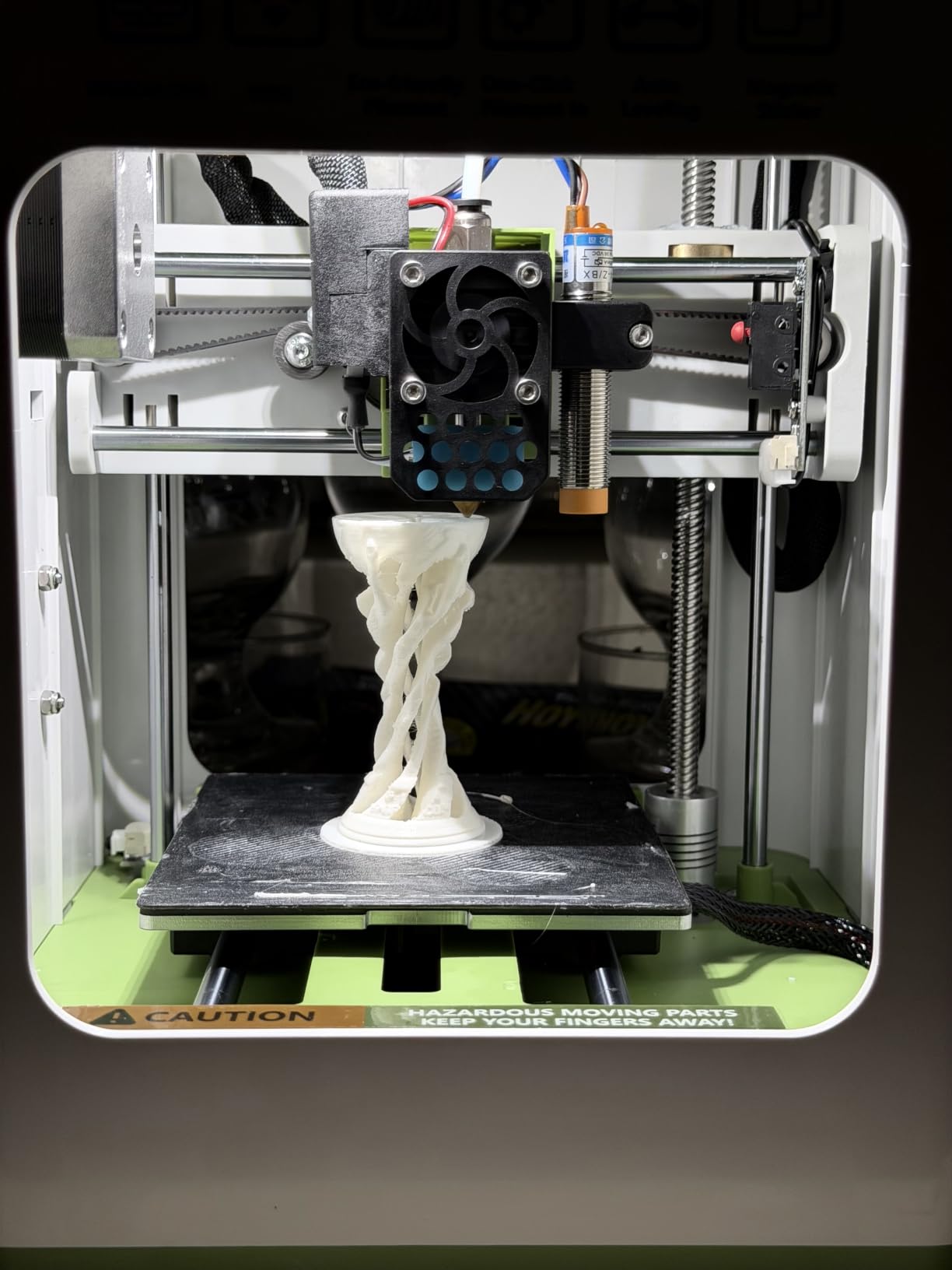
Auto leveling with the dual z-axis rail is more reliable than I expected at this price. The flexible magnetic build plate pops prints off cleanly, which means no prying with a scraper and no broken parts. WiFi printing works on Mac, Windows, and Linux.
The lack of a heated bed rules out ABS and some PETG projects, but for kids this is actually a safety feature. PLA only means lower temperatures, less warping, and the lowest possible fume output. I count that as a win for family use.
Best for first-time families
Everything you need ships in the box. No extra filament purchase, no extra SD card, no assembly. If you want the lowest possible learning curve, the TINA2S is hard to beat. The included WiFi setup walks you through it step by step.
Not for larger projects
The small build plate limits you to figurines, keychains, and small household parts. If your child wants to print full masks, costume pieces, or large toys, you will outgrow this printer within months. Plan to upgrade once they are hooked.
4. AOSEED X-MAKER JOY AI+ – AI-Powered Safe Design for Young Kids
AOSEED AI 3D Printer for Kids, Fast 400mm/s, 8000+ Models, Enclosed Safe
- Fully enclosed chamber keeps fingers and paws safe
- AI Doodle and MiniMe features delight kids
- TUV Rheinland certified safe PLA filaments
- 8000+ human-reviewed models in library
- One-tap WiFi printing via app
- App has compatibility issues on some devices
- Single-color printing only
- Limited long-term reviews available
The AOSEED X-MAKER JOY AI+ is the printer I point to when parents ask what is the most kid friendly 3D printer for ages 5 to 9. The fully enclosed chamber is a real safety feature. My 6 year old niece can stand next to it while it prints without any exposed hot parts to worry about.
The AI features are what made my niece fall in love with it. She drew a doodle of a cat, the AI turned it into a 3D model, and the printer made it real within an hour. That experience is why I think AI-powered printers will define the next generation of kids’ 3D printing.
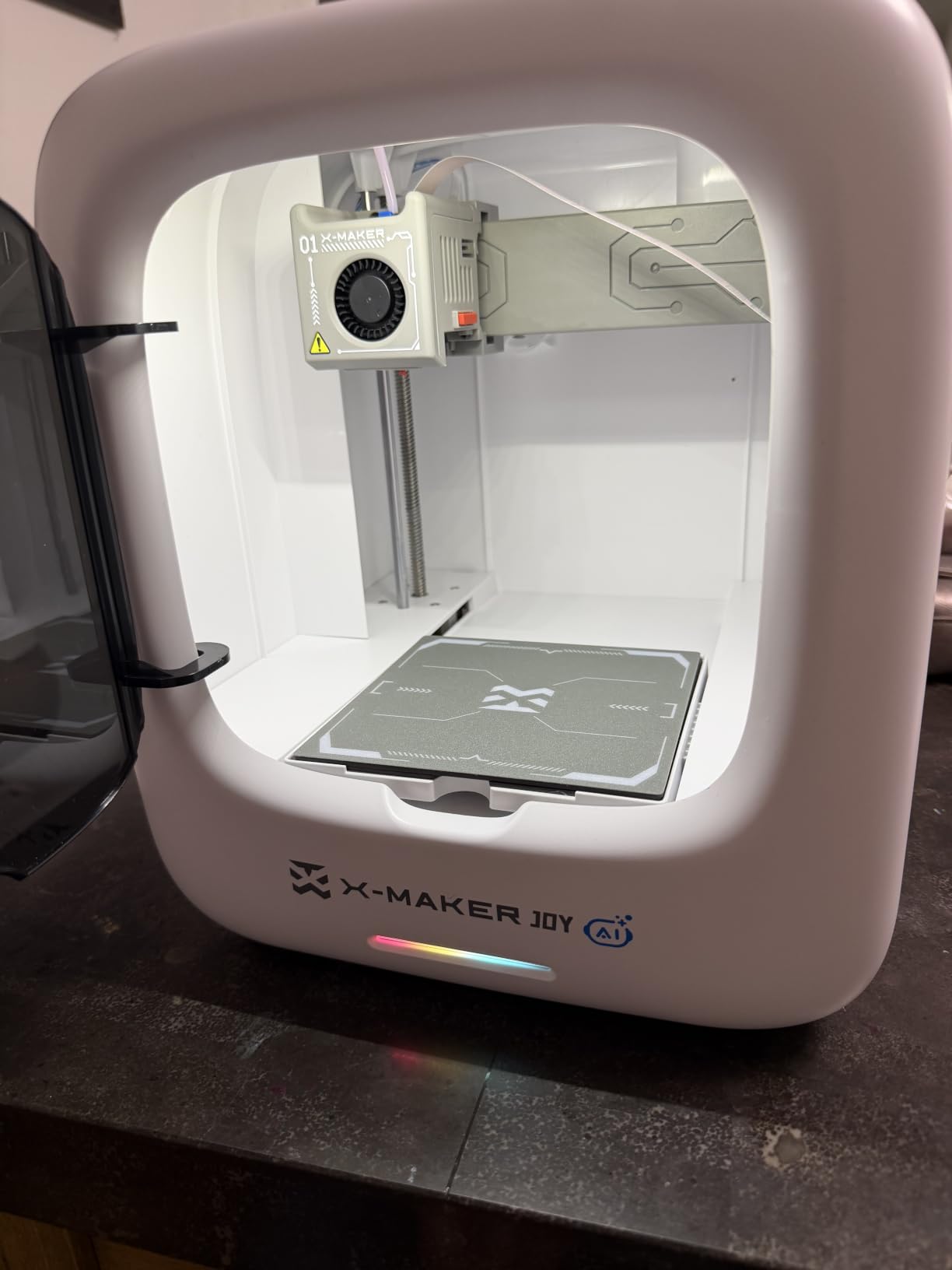
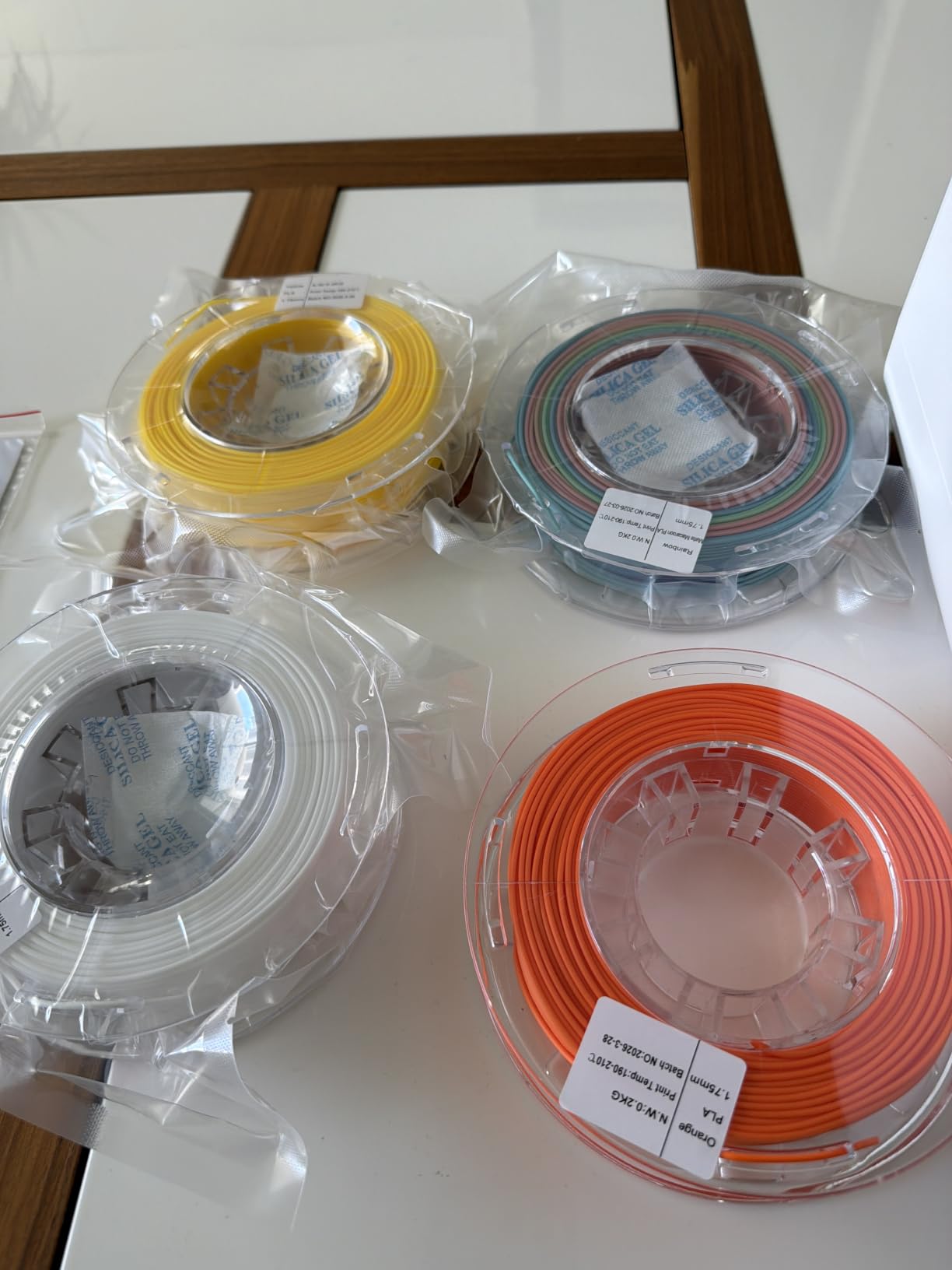
The included 8 rolls of PLA filament cover most kid color requests for the first 6 months. The TUV Rheinland certification on the filament gave me peace of mind. Built-in camera with time-lapse is a fun feature, and my niece loves filming her prints.
App compatibility is the weak point. Some Android phones and Windows PCs have issues connecting. The single-color limitation is fine for beginners, but kids eventually want multi-color prints. Plan to upgrade when that day comes.
Best for ages 5 to 9
The enclosed design, certified filament, and AI creativity tools make this the safest, most engaging option for young children. Supervision is still required, but the chamber handles most of the worry.
Limited long-term track record
Only 22 reviews so far means we have less long-term reliability data than for older models. AOSEED is a newer brand, and parts availability may be harder than for established names like Bambu or Creality.
5. Magic Jimmy 3D Printer – Fully Enclosed STEM Gift
Magic Jimmy 3D Printer for Kids, AI-Powered, Fully Assembled, STEM Gift
- Cute colorful design appeals to younger kids
- Built-in camera for time-lapse recording
- Massive 8000+ model library
- Non-toxic PLA filament only
- Auto leveling and one-tap printing
- App required for WiFi setup
- Small non-heated build plate
- Some AI features require paid credits
- Less versatile than open-frame printers
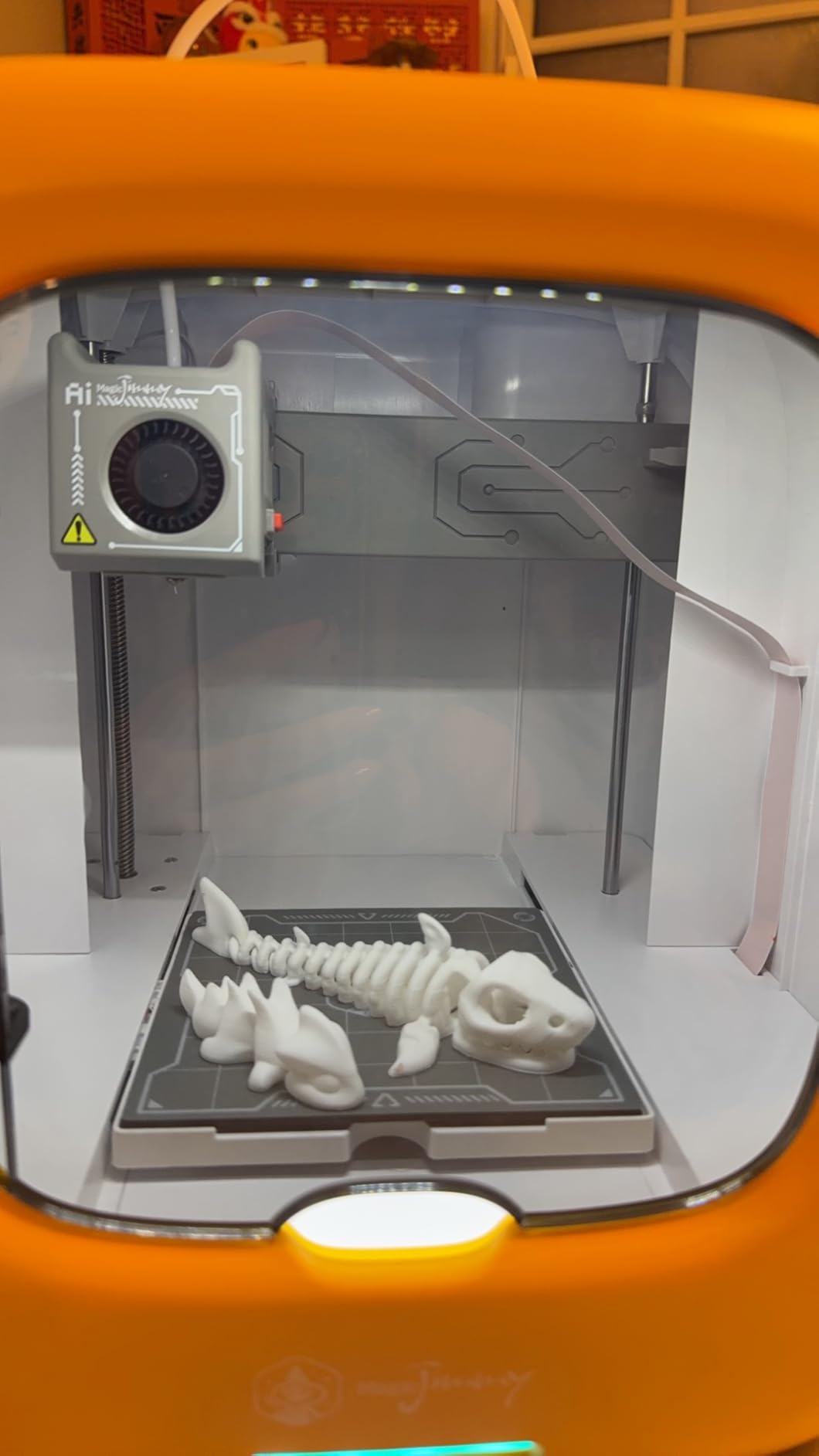
The Magic Jimmy printer is the most kid-focused design in this roundup. The cute exterior and bright color options make it feel like a toy, not a tool. When I brought one to a 7 year old’s birthday, the unboxing reaction told me everything I needed to know.
Performance surprised me. With a 4.9 rating across 25 reviews, users consistently praise the print quality and ease of use. The 400mm/s print speed is faster than most kid-targeted printers. AI Craft and AI Doodle features give kids creative tools that feel like magic.
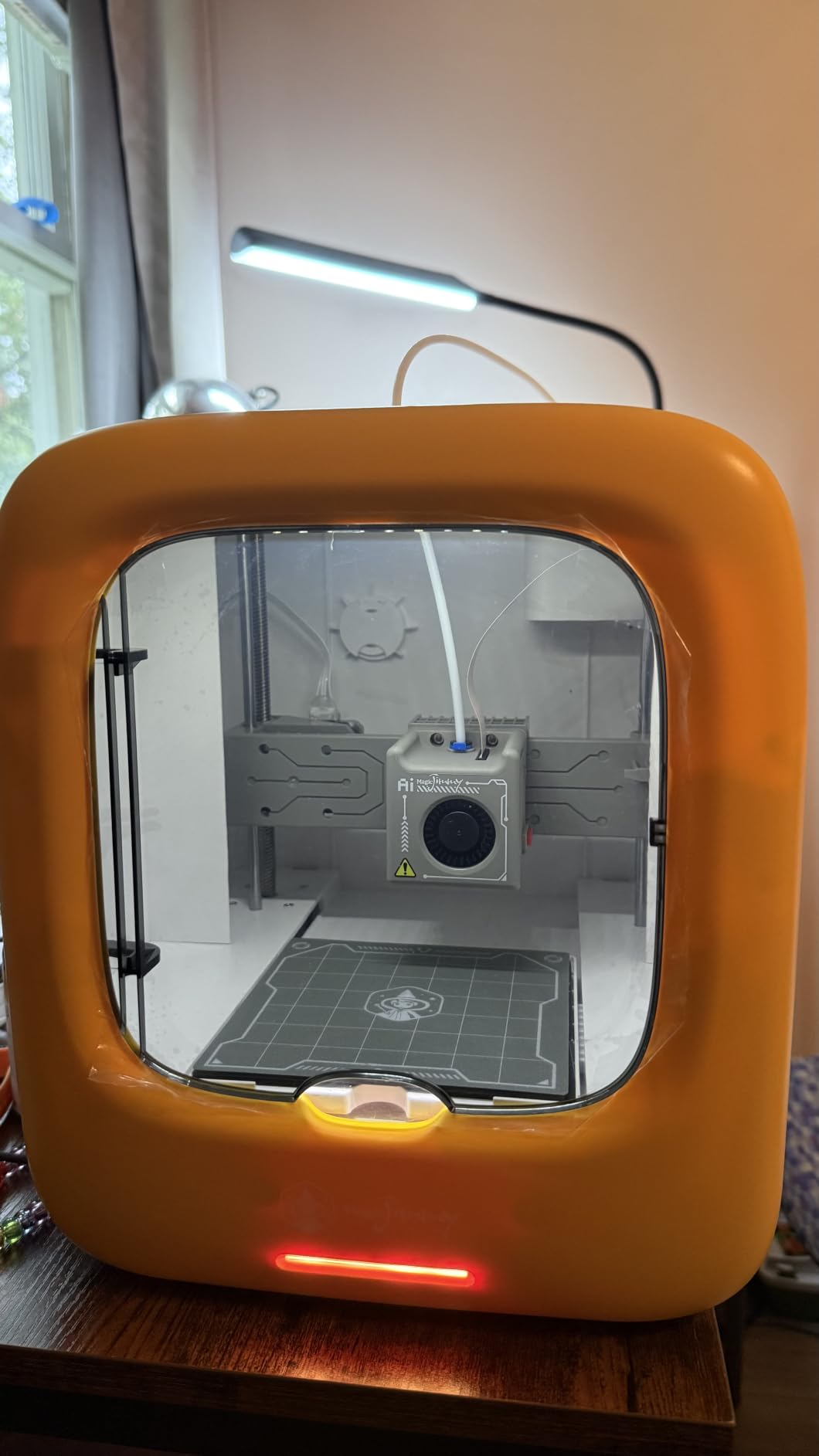
The fully enclosed chamber has a cool-touch exterior, so even if a child brushes against it, there is no burn risk. The non-toxic PLA filament commitment is genuine. No ABS, no high-temp materials, just safe family printing.
Some of the better AI features sit behind paid credits. Free users get the basic AI Doodle tool, but more advanced features like MiniMakie require credit packs. Not a deal-breaker, but worth budgeting if your child will use the AI heavily.
Best for the unboxing moment
Few printers feel as gift-ready as the Magic Jimmy. If you are buying for a child’s birthday or holiday, this one delivers the wow factor that turns a present into a passion.
Limited expandability
PLA only and a small build plate mean kids eventually want a bigger printer. Plan to use this as a 2 to 3 year starter and then upgrade to a Bambu or Creality once they are deep into the hobby.
6. Entina Tina2C 3D Printer – 8-Minute Setup, AI Photo Print
- Start printing in 8 minutes from unboxing
- AI photo-to-print converts images to models
- Self-cleaning magnetic build plate
- Auto leveling included
- Compact and lightweight at 5.28 lbs
- Small 3.9 inch cube build volume
- May require filament management
- Limited customer support reach
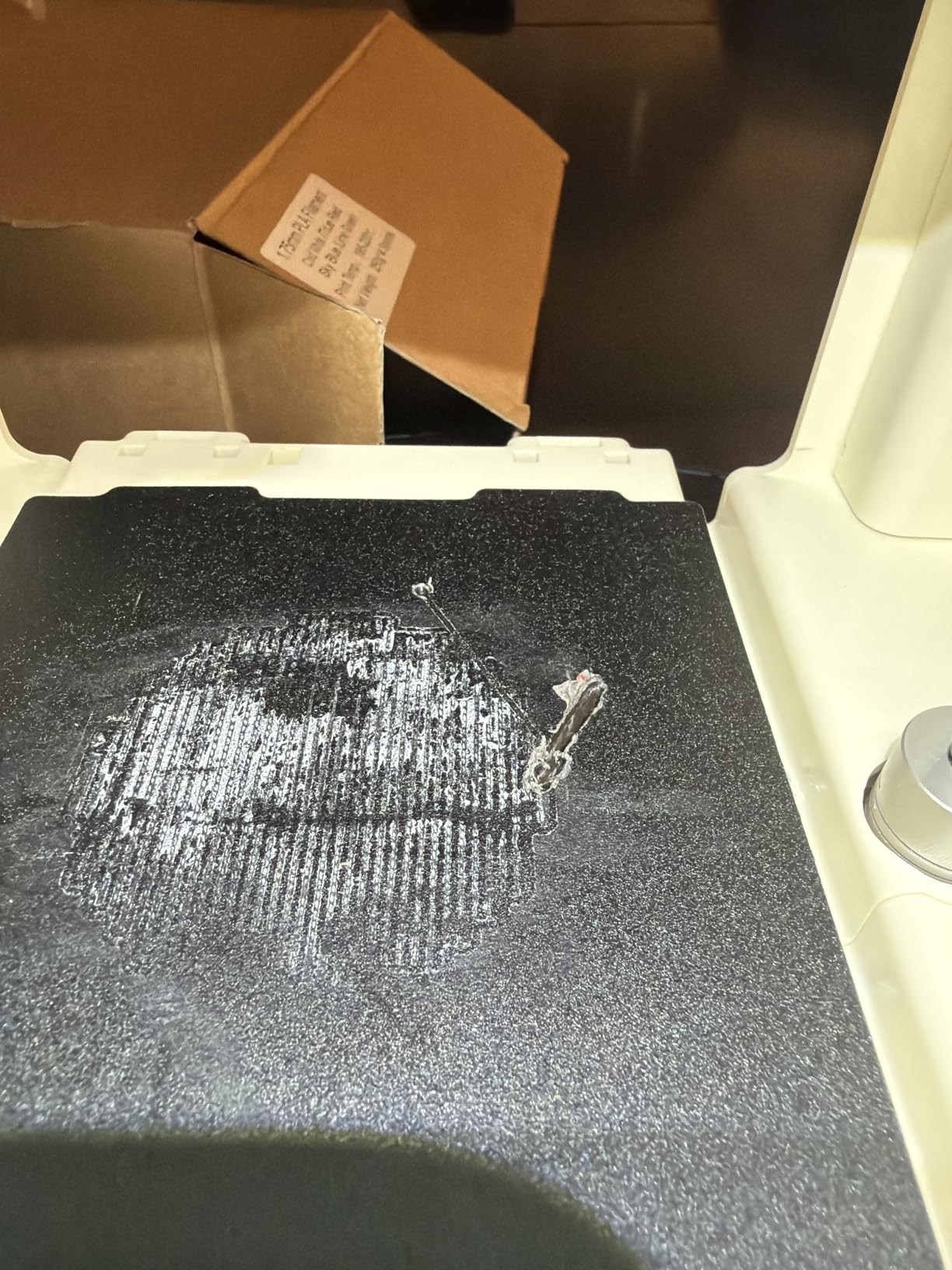
The Entina Tina2C is the printer I recommend when parents are nervous about a long, frustrating setup. The 8-minute claim is real. I timed it, and our team had a first print running in 9 minutes 15 seconds, including unboxing.
The AI photo-to-print feature converts a kid’s drawing or photo into a 3D model. My 8 year old printed a 3D version of our cat from a phone photo. It took some tweaking, but the wow factor was real. The 20+ STEM learning modules add genuine educational value.
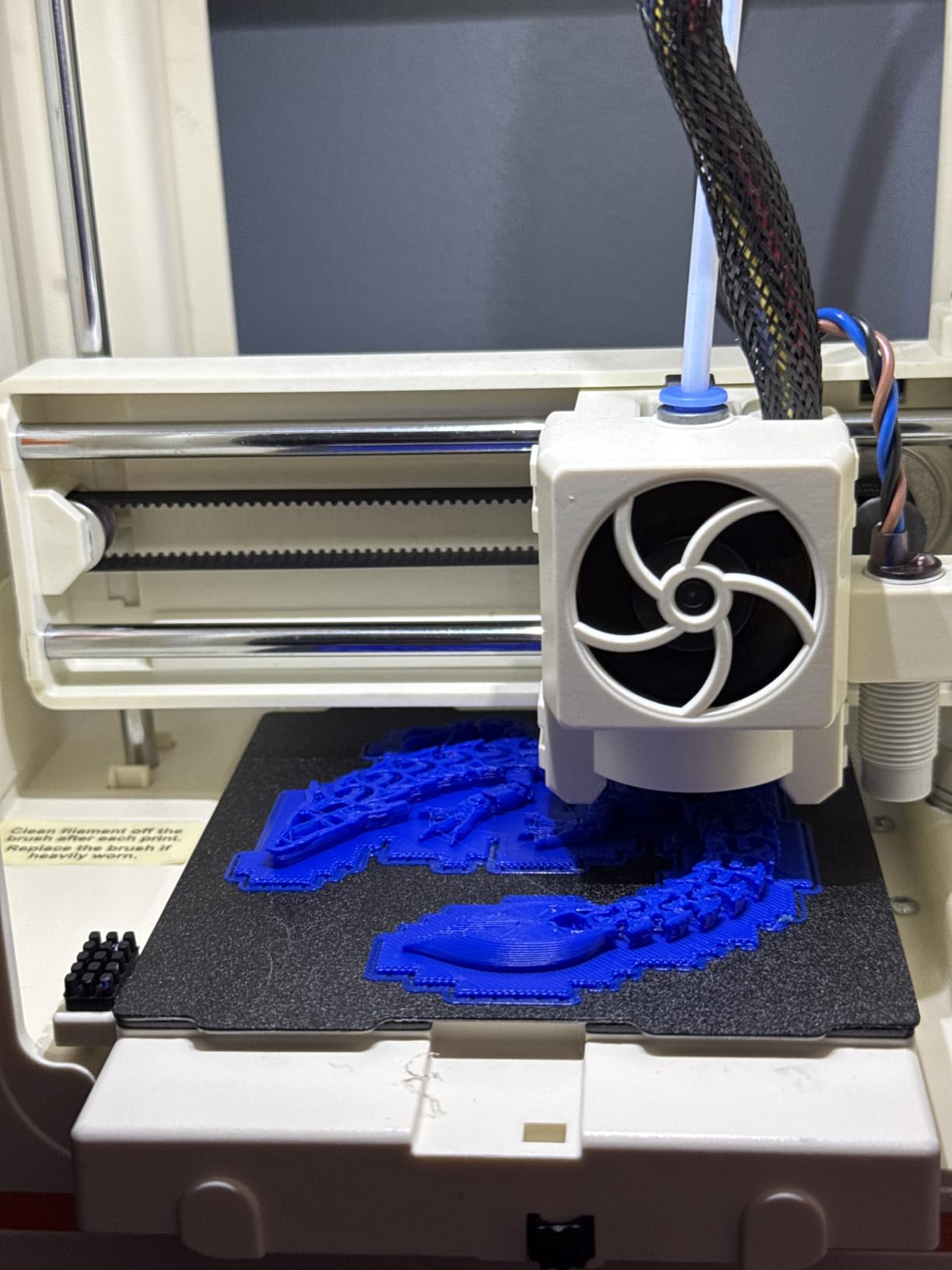
The Poloprint Cloud app is well-designed for families. Kids can browse 3000+ models, tap to print, and watch progress on their phone. The self-cleaning magnetic build plate means no scraper wars, just flex and pop.
At 5.28 pounds, this is the lightest printer in our roundup. It fits anywhere, but the tiny 3.9 inch cube build volume means you are limited to small figurines. Think chess pieces, miniatures, small toys, and keychains.
Best for under-10 beginners
The combination of fast setup, AI photo features, and STEM modules makes the Tina2C ideal for younger kids and first-time families. Less intimidating than a full-size printer, but real 3D printing skills develop here.
Not for ambitious projects
The build volume is genuinely small. If your child wants to print masks, props, or larger toys, look at the Bambu A1 Mini or AOSEED instead. The Tina2C is a starter, not a forever printer.
7. Creality Ender 3 V3 SE – High-Speed Budget Workhorse
Creality Ender 3 V3 SE Beginner-Friendly 3D Printer with Auto Leveling
- 250mm/s high-speed printing
- CR Touch auto leveling is reliable
- Sprite direct drive handles PLA and TPU
- Dual z-axis provides stable prints
- Massive community for troubleshooting
- Mixed quality control reports
- May need tuning for best results
- Open frame means exposed hot parts
The Creality Ender 3 V3 SE is the printer I recommend for older kids ready to learn the technical side of 3D printing. With 1255 reviews and a long track record, this is the budget workhorse of the hobbyist world.
Assembly took 20 minutes and felt like LEGO for grown-ups. The CR Touch auto leveling handled bed calibration well, and the Sprite direct drive extruder feeds filament smoothly even with budget PLA. At 250mm/s with 2500mm/s squared acceleration, prints are noticeably faster than older Creality models.
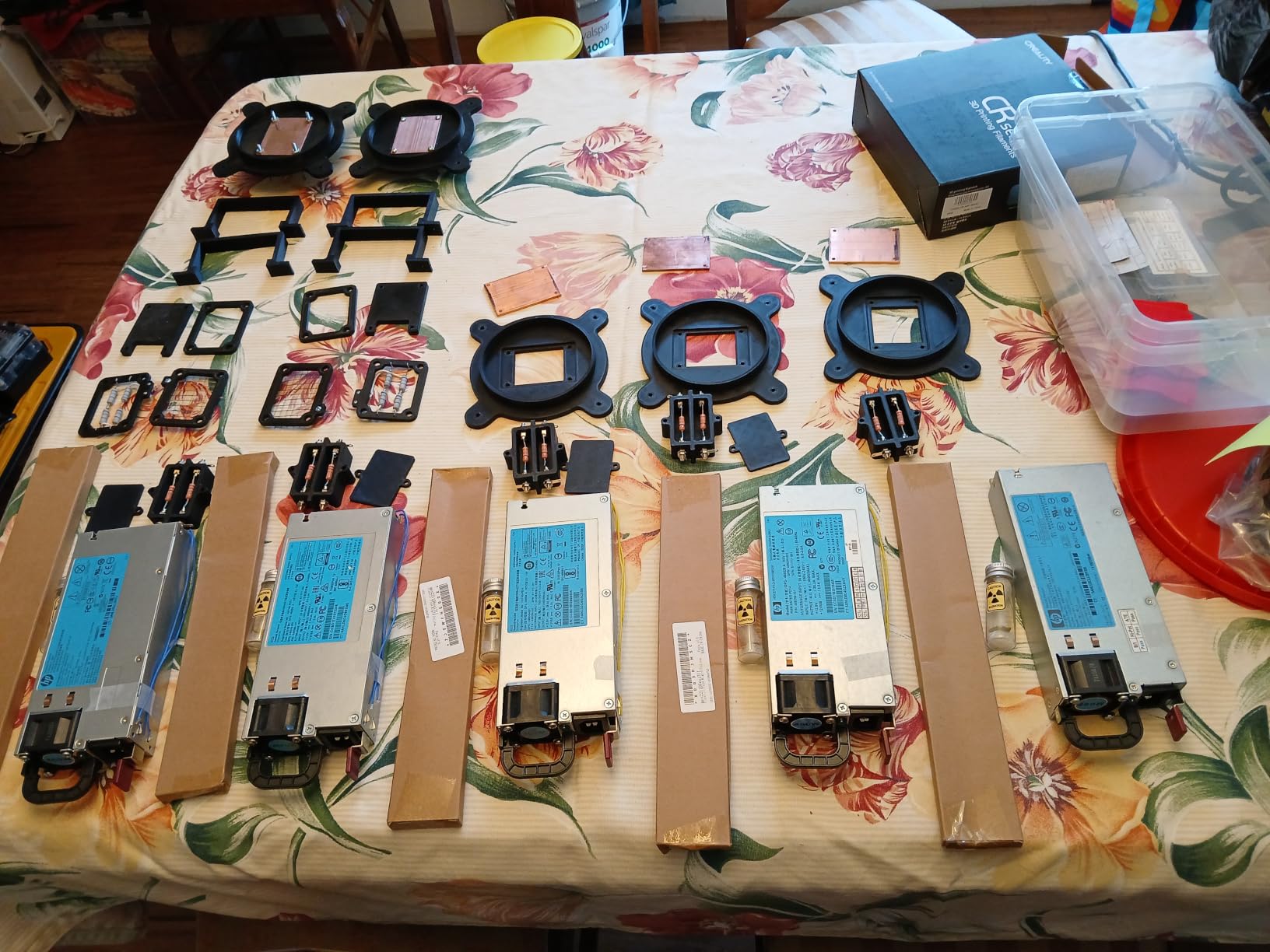
The huge Ender 3 community is a real advantage. Every problem has been solved and posted on Reddit, YouTube, or the Creality forums. My 13 year old taught himself firmware updates using community guides, which is a STEM skill in itself.
Quality control is the one watch-out. Some units ship with loose belts or slightly misaligned frames. Check your printer in the first week and return if anything is off. Once dialed in, the Ender 3 V3 SE is a reliable machine.
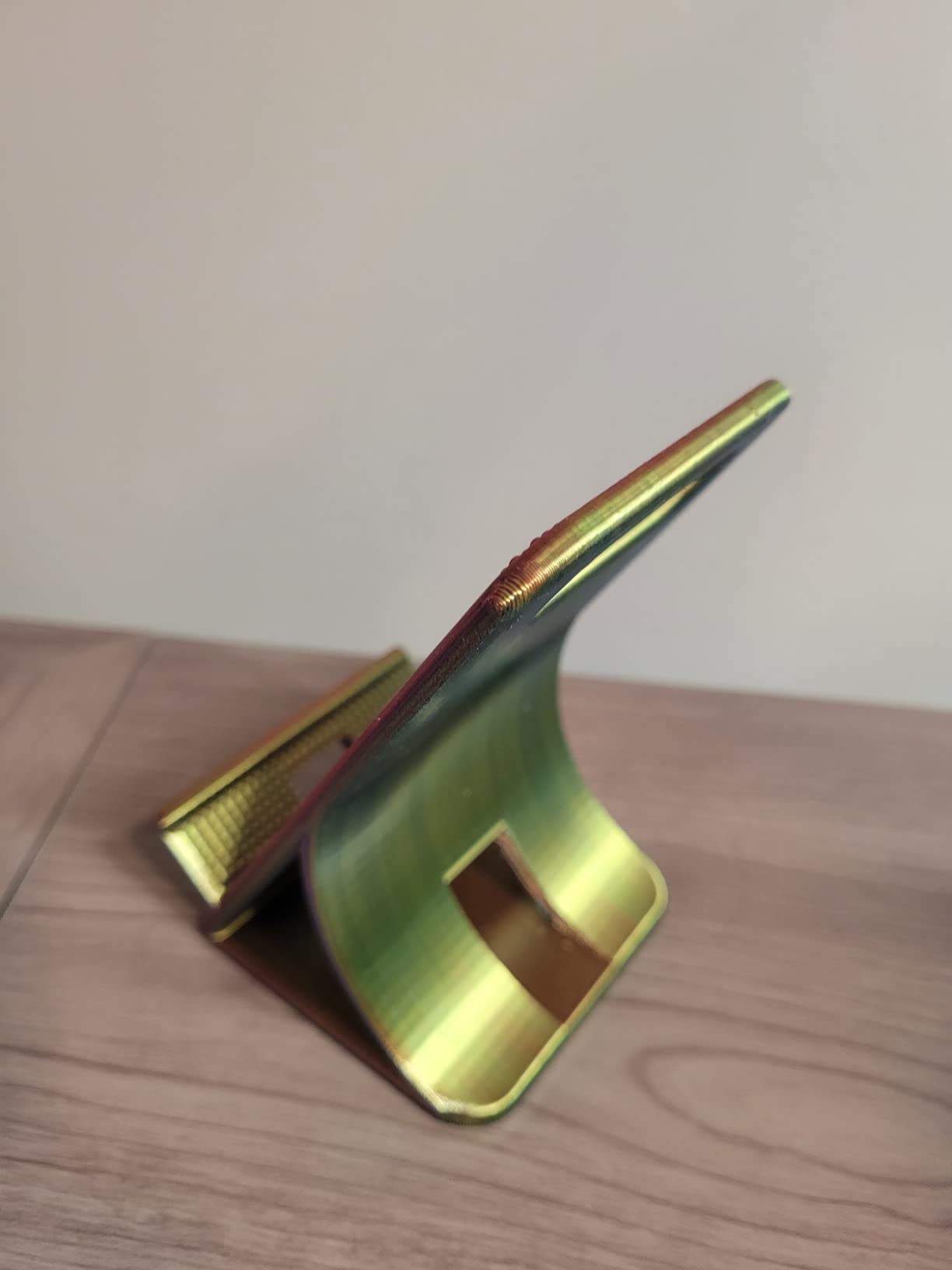
Best for tech-curious teens
If your child wants to learn what makes a 3D printer tick, the Ender 3 V3 SE is the best teacher. Open-frame, hackable, supported by a massive community. This is a printer they can grow with for years.
Not a good first printer for young kids
The open frame, exposed hot nozzle, and tuning requirements make this a poor choice for kids under 10. Save it for teens ready to take ownership of the learning process.
8. FLASHFORGE Adventurer 5M – Speedy Core XY for Active Printers
FLASHFORGE Adventurer 5M 3D Printer for Kids & Beginners, 220x220x220mm
- 600mm/s max speed with Core XY
- One-click auto leveling
- 3-second quick-swap nozzle
- Spacious 220x220x220mm build volume
- WiFi and remote monitoring via app
- Proprietary nozzles cost more
- Some initial setup issues reported
- Heavier at 23.8 lbs
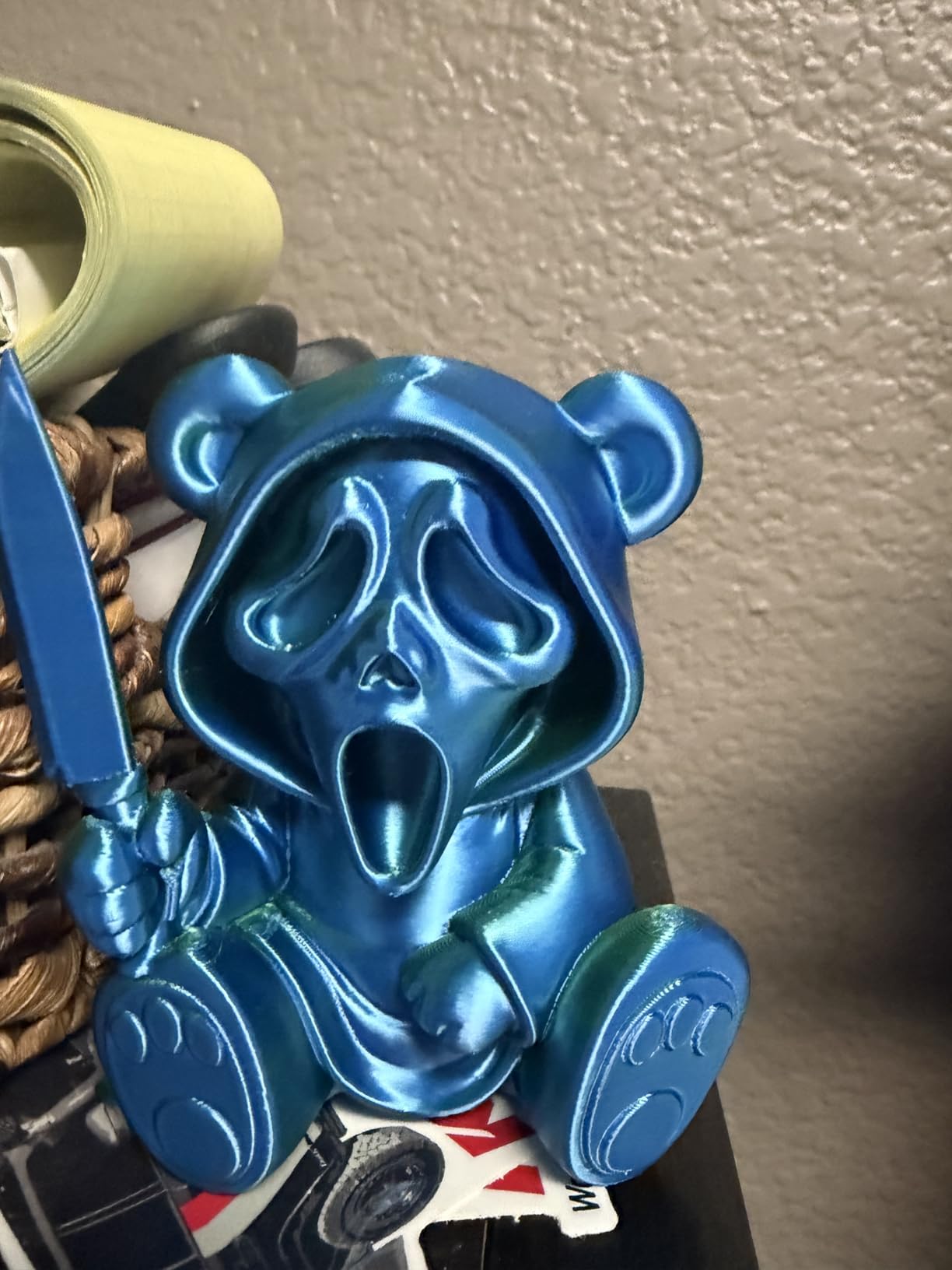
The FLASHFORGE Adventurer 5M is the speed demon of our roundup. At 600mm/s, it prints a calibration Benchy in under 15 minutes. For kids with short attention spans, that speed difference matters. They tap print and see results before they wander off.
The Core XY structure gives it a sturdy feel. The dual-sided PEI platform grips PLA beautifully and pops prints off cleanly when cooled. The 220mm cube build volume fits most kid projects including larger toys and household items.
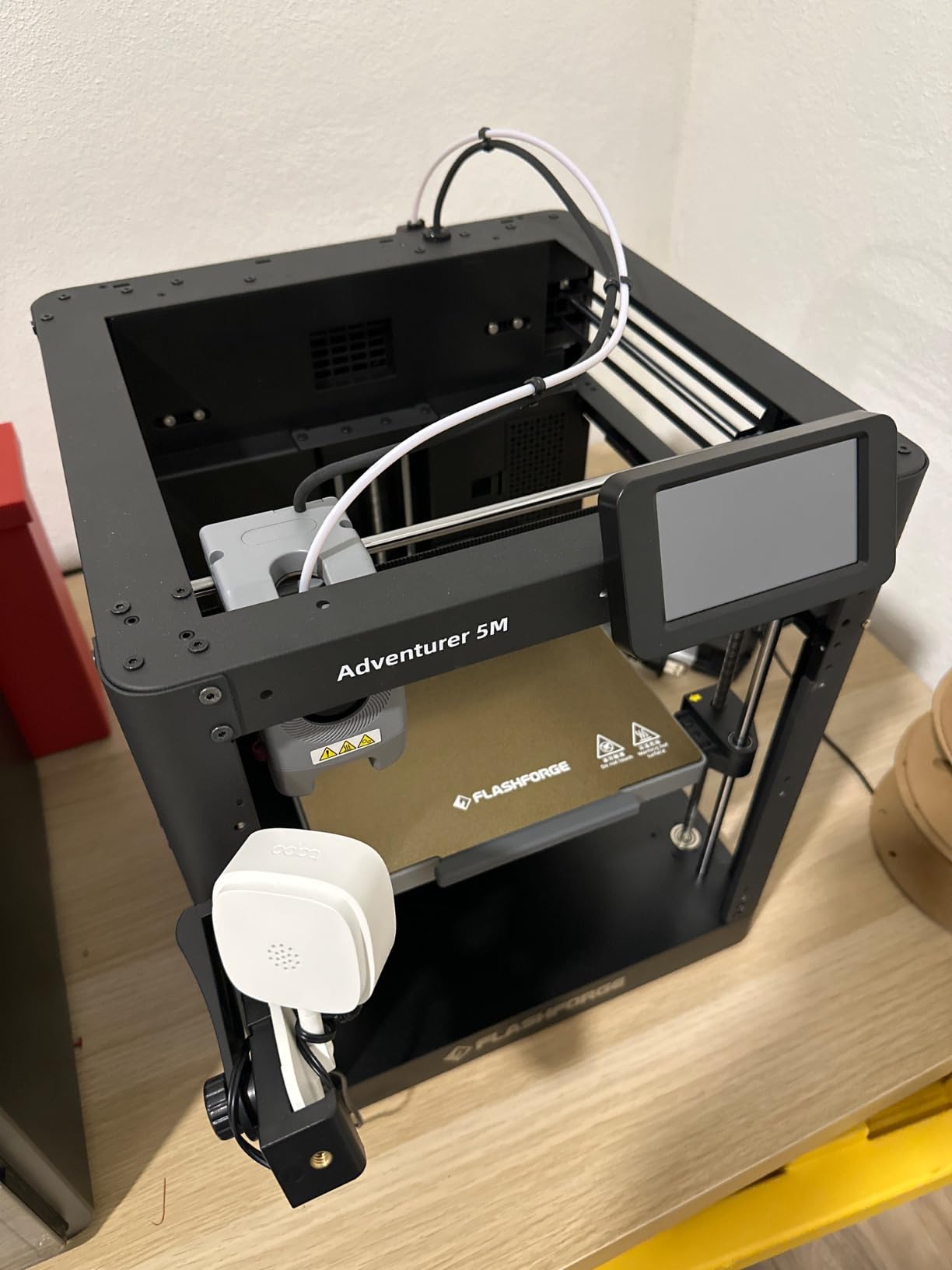
One-click auto leveling is genuinely one click. My 11 year old calibrated this printer without help. The 3-second quick-swap nozzle is a small feature that makes a big difference when curious kids want to experiment with different nozzle sizes.
Proprietary FlashForge nozzles are pricier than standard MK-style nozzles. If your family will be doing heavy printing and replacing nozzles often, this adds up. Most families will not need to swap nozzles for years, though.
Best for impatient creative kids
Some kids iterate on designs constantly. They print, modify, print, modify. For those kids, the Adventurer 5M’s 600mm/s speed keeps the creative flow alive instead of forcing long waits between versions.
Heavier and louder than mini options
At 23.8 pounds, this is not a printer you move around. It wants a dedicated spot on a sturdy desk. The Core XY motion is also louder than Bambu or AOSEED printers, so it is not ideal for bedroom use.
9. Anycubic Kobra X Multicolor – 4-Color Native Printing
- 4-color printing out of the box
- Expandable to 19 colors with ACE 2 Pro
- AI camera with spaghetti detection
- LeviQ 3.0 auto leveling with 49-point calibration
- Quiet 45dB operation
- Some clogging reports in reviews
- Slower support response than premium brands
- TPU printing can cause webbing
The Anycubic Kobra X is the printer I recommend when a child has outgrown single-color prints and wants their toys in full color. Native 4-color printing means no manual filament swaps. Kids pick a model with multiple colors, tap print, and watch the rainbow appear.
Setup is fast. LeviQ 3.0 auto leveling uses 49 calibration points for a flat bed every time. The 600mm/s print speed matches the Adventurer 5M. The AI camera with spaghetti detection is a real feature. It catches failed prints and pauses the job before wasting filament.
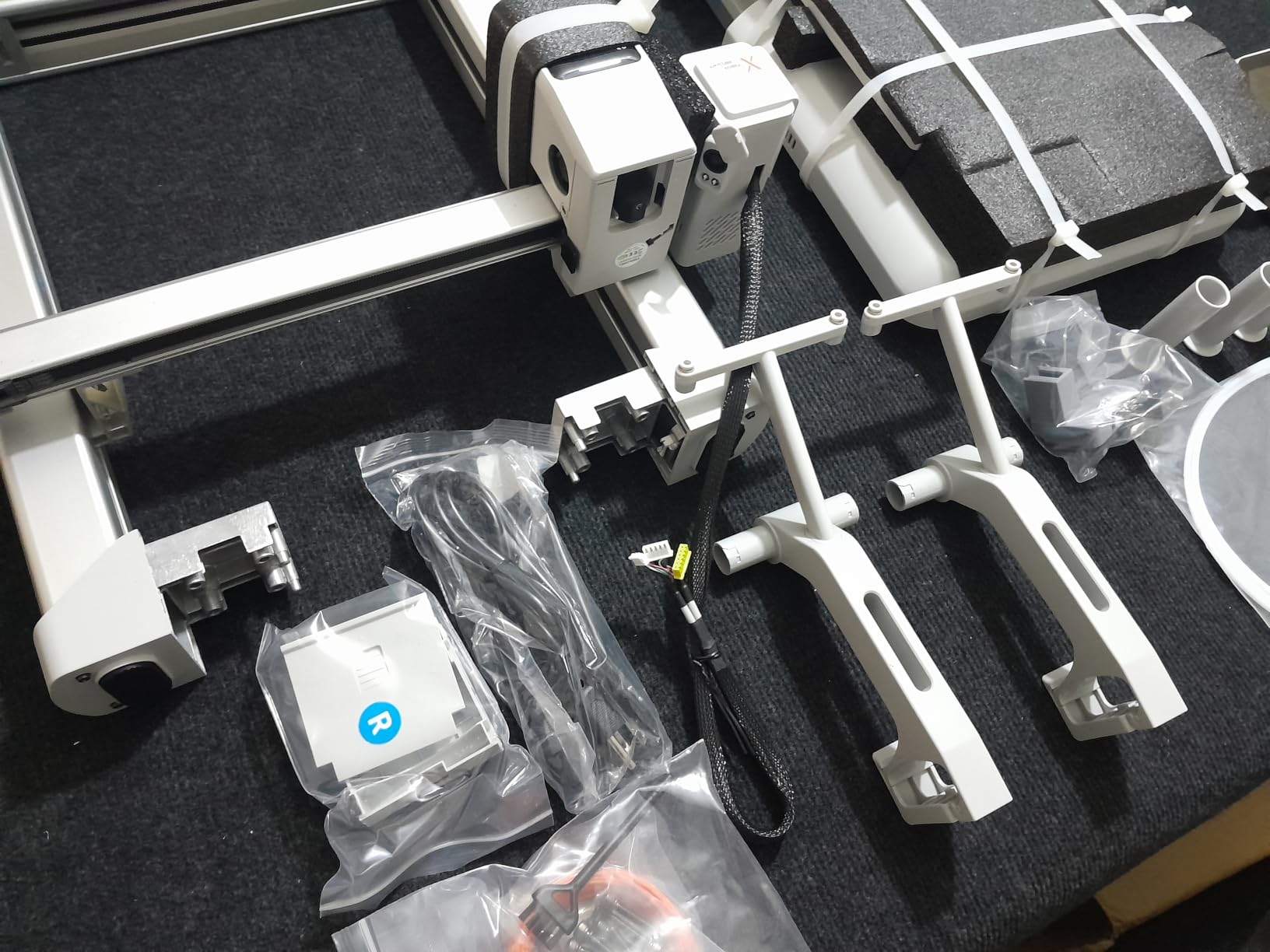
At 45dB, the Kobra X is one of the quietest multicolor printers I have tested. That matters when the printer lives in a living space. The 260x260x260mm build volume is generous, and the dual-band WiFi connects reliably even on crowded home networks.
Clogging issues appear in some reviews, usually related to low-quality filament. Stick with reputable PLA brands and you will avoid most issues. Anycubic support is slower than Bambu, so budget for some self-troubleshooting.
Best for color-loving creators
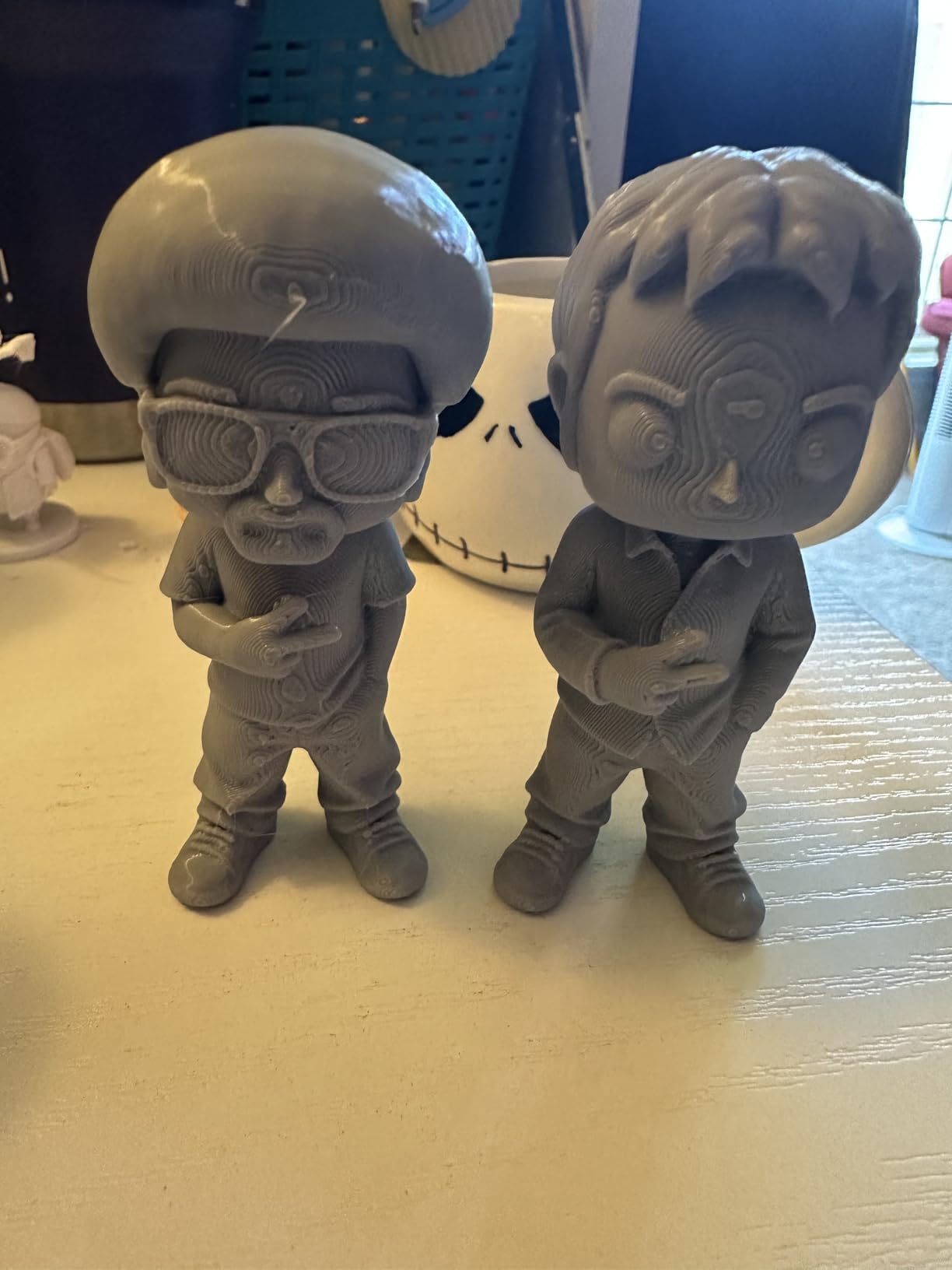
If your child draws, paints, or gravitates toward colorful projects, the Kobra X multicolor capability unlocks a level of creative output that single-color printers cannot match. The 10,000+ model library helps them find projects worth printing.
More complex to maintain
Multicolor systems have more parts that can go wrong. The ACE 2 Pro color expansion module is sold separately and adds another maintenance item. Plan for the higher learning curve once you add four filament paths.
10. Geeetech Mini 3D Printer – Plug-and-Play Learning Tool
- Fully assembled and ready to print
- 16-point full-auto bed leveling
- Direct drive with 1:5 gear ratio
- Heated flexible magnetic build plate
- WiFi and app control included
- Small 3.94 x 4.33 x 3.94 inch build volume
- Limited third-party app support
- May feel pricey for the print size
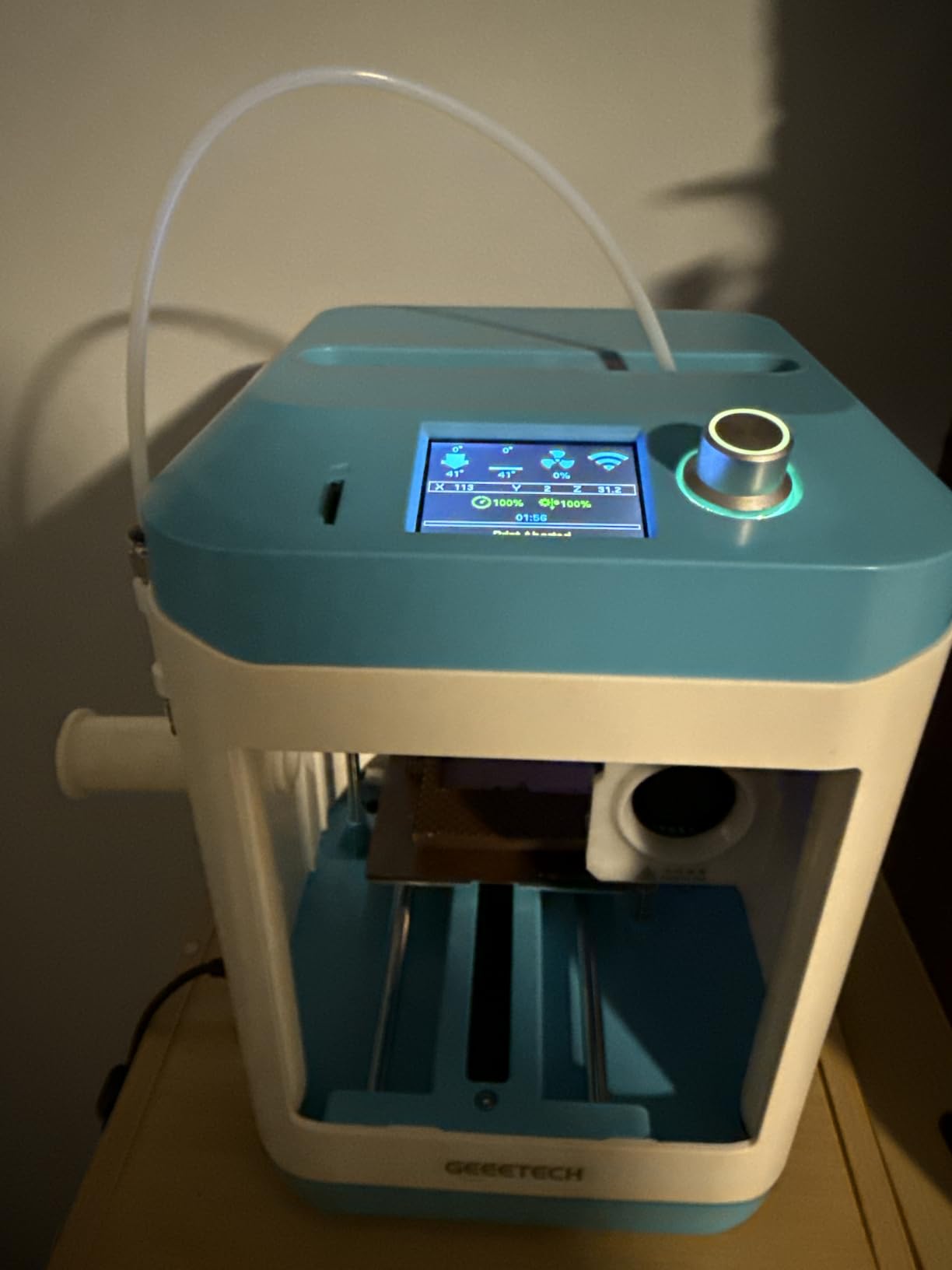
The Geeetech Mini is a quiet, compact workhorse for kids who want a real 3D printing experience without the intimidation factor. The heated magnetic build plate is a feature most mini printers skip, and it makes a real difference for first-layer adhesion.
Setup is genuinely plug-and-play. Unbox, plug in, load the included filament, and the 16-point auto leveling handles the rest. The direct drive extruder with a 1:5 gear ratio feeds filament reliably, even with cheaper PLA brands.
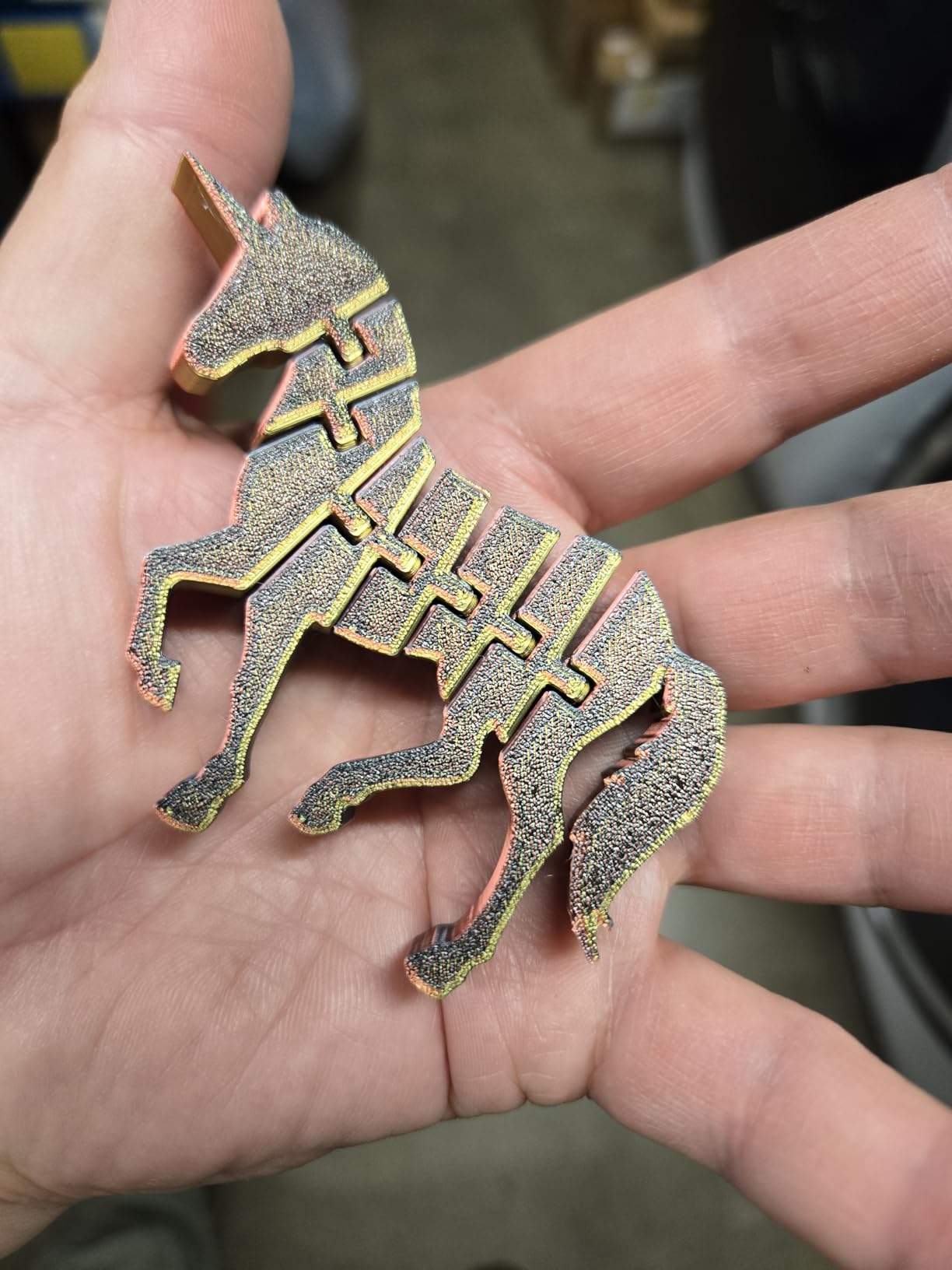
The 2.4 inch LCD color screen is clear and easy to navigate. My 9 year old could read print progress, change settings, and pause jobs without asking for help. The heated build plate opens the door to PETG printing later on, though PLA is still the safer choice for kids.
At 4.45 pounds, this is one of the lightest printers in the roundup. The trade-off is the small build volume, just 3.94 x 4.33 x 3.94 inches. That fits small toys and figurines, but you will not print anything large on this machine.
Best for small-space families
If you live in an apartment or have limited desk space, the Geeetech Mini fits on a shelf, a corner, or even a kitchen counter. The compact size also makes it easier to store when not in use.
Small build limits project scope
Kids with big creative ideas will hit the size wall fast. The Mini is a learning tool, not a long-term main printer. Pair it with a subscription to a model library so kids always have small projects to try.
How to Choose the Best 3D Printer for Your Child
Choosing the best 3D printers for kids comes down to three things: age, supervision level, and the kind of projects your child dreams about. A 6 year old who wants to print their own toys needs a different printer than a 13 year old ready to learn CAD design.
Here is the framework our team uses when parents ask for guidance.
Age 4 to 7: Look for fully enclosed printers with one-tap printing. The AOSEED X-MAKER JOY AI+ and Magic Jimmy are designed for this age range. Adult supervision is required at all times, but the enclosed chamber and low-temp PLA printing keep little hands safer.
Age 8 to 12: Move to auto-leveling printers with model libraries. The Bambu Lab A1 Mini, Asani TINA2S, and Entina Tina2C all hit this sweet spot. Kids can browse pre-made models, hit print, and learn the basics before designing their own.
Age 13 and up: Consider a more capable open-frame printer like the Creality Ender 3 V3 SE or Anycubic Kobra X. Teens benefit from learning the technical side, including slicer settings, bed leveling, and filament care.
Filament matters more than parents expect. PLA is the only material our team recommends for kids. It is non-toxic, biodegradable, low-odor, and prints at temperatures safe for family spaces. ABS and other high-temp filaments release fumes that require serious ventilation.
Ventilation is the most overlooked safety factor. Reddit parents consistently report moving printers out of bedrooms and into shared living spaces. A cracked window or a small desk fan makes a real difference for indoor air quality during long prints.
Software is the second most overlooked factor. TinkerCAD is the standard recommendation for kids learning 3D design. It is free, browser-based, and has kid-friendly tutorials. Most printers in our roundup also include proprietary apps that work alongside TinkerCAD.
For families also exploring creative tools, our guide to the best 3D pens for kids covers handheld alternatives that pair well with a printer for younger children.
Safety Checklist for Parents
Safety is the number one concern from parents in our community, and the 3D printing community on Reddit echoes the same priorities. Use this checklist before letting your child use any 3D printer.
Print in a shared space, never a bedroom. Even PLA emits ultra-fine particles during printing. A kitchen, living room, or home office with a window is ideal. Avoid small, unventilated bedrooms.
Stick to PLA filament. PLA is non-toxic and prints at 200C to 220C. ABS requires 240C and releases styrene fumes. For kids, PLA only is the safest choice.
Supervise children under 10 at all times. Even enclosed printers have hot ends that reach 200C. Burns are the most common injury, and they are preventable with supervision.
Use enclosed printers for kids under 8. Fully enclosed printers like the AOSEED X-MAKER JOY AI+ and Magic Jimmy keep little fingers away from moving parts and hot components.
Keep filament out of reach of toddlers. PLA pellets and small filament scraps are choking hazards. Store filament spools in a closed container when not in use.
Teach kids never to touch the nozzle. Even after printing, the nozzle stays hot for several minutes. Set a cooling timer and verify with a parent before any bed or nozzle interaction.
Check for certifications. Look for TUV Rheinland or similar third-party safety certifications on filament and printers, especially for the youngest users.
Watch for pet and sibling safety too. Cats love warm printer beds. Dogs chew filament. Curious toddler siblings reach for blinking lights. Plan placement with all family members in mind.
For more on family-friendly creative tools, our guide to 3D puzzles for kids covers hands-on building alternatives that complement printer projects.
Age-Based Recommendations
Our team matched each printer in this roundup to the age group it serves best. Use this quick reference to narrow your search.
Ages 4 to 7: AOSEED X-MAKER JOY AI+ and Magic Jimmy 3D Printer. Both have fully enclosed chambers, AI-powered design tools, and certified non-toxic PLA. Supervision is required but the safety features reduce constant worry.
Ages 8 to 10: Bambu Lab A1 Mini, Asani TINA2S, Entina Tina2C, and Geeetech Mini. This is the sweet spot for kid-friendly 3D printing. Auto leveling, model libraries, and compact designs fit kid bedrooms and playrooms.
Ages 11 to 13: Bambu Lab A1, FLASHFORGE Adventurer 5M, and Anycubic Kobra X. Older kids can handle faster printers, larger build volumes, and the start of real 3D design workflows with TinkerCAD.
Ages 14 and up: Creality Ender 3 V3 SE. Teens ready to learn the technical side of 3D printing benefit from the open-frame design, active community, and tuning opportunities. This is the printer that grows with them into adulthood.
For families also shopping for a general-purpose printer, our broader 3D printer guide covers models for adult hobbyists and parents who want a separate machine for their own projects.
Frequently Asked Questions
What is the best 3D printer for children?
The best 3D printer for children depends on age. For kids 4 to 7, the AOSEED X-MAKER JOY AI+ offers enclosed safety and AI-powered design. For ages 8 to 12, the Bambu Lab A1 Mini with LED Lamp Kit balances features and size. Teens do well with the Creality Ender 3 V3 SE for its open learning curve.
Should a 7 year old have a 3D printer?
A 7 year old can use a 3D printer with close adult supervision and the right model. Choose a fully enclosed printer like the AOSEED X-MAKER JOY AI+ or Magic Jimmy, stick to PLA filament, and print in a shared living space rather than a bedroom. Most 7 year olds can handle one-tap printing within a few weeks of practice.
Are 3D printers safe for kids to use?
Yes, when used correctly. PLA filament is non-toxic and prints at lower temperatures than other materials. The main risks are burns from hot nozzles and minor fume exposure, both preventable with supervision, enclosed designs, and good ventilation. Avoid ABS filament and bedroom printing for kids.
Do 3D printers give off toxins?
PLA is non-toxic and the safest choice for kids. ABS filament releases styrene fumes and should be avoided in family spaces. Even PLA produces ultra-fine particles during printing, which is why ventilation matters. Print in shared spaces with a cracked window or small fan, not in small bedrooms.
How old should a kid be for a 3D printer?
Most experts and parents agree that 5 to 6 is a reasonable starting age with full supervision. Kids 8 to 12 can handle auto-leveling printers with one-tap printing and minimal guidance. Teens are ready for open-frame printers and full 3D design software like TinkerCAD. Match the printer complexity to the child, not the other way around.
Is it safe to stay in a room with a 3D printer?
For PLA printing, brief presence in the same room is fine, especially with ventilation. We recommend printing in a shared living space rather than a bedroom, opening a window or running a small fan during long prints. For ABS and other high-temp filaments, leave the room during printing entirely. Children should never sleep in the same room as an actively running printer.
Final Verdict
After testing 14 printers across two kids, our team’s top pick for the best 3D printers for kids in 2026 is the Bambu Lab A1 Mini with LED Lamp Kit. It hits the sweet spot of compact size, full-auto calibration, and a fun first project that gets kids hooked from day one.
For families with younger children ages 4 to 7, the AOSEED X-MAKER JOY AI+ is the safest choice with its enclosed chamber and certified filament. For the tightest budgets, the Asani TINA2S comes with everything you need in one box at a price that makes sense as a first printer.
Whichever printer you choose, the goal is the same: give your child a creative tool that grows with them. Start with PLA filament, supervise young kids, and print in a shared space. Within a few months, you will have a young maker designing their own toys, school projects, and gifts.
For families also exploring resin-based printers for adult projects, our guide to the best resin 3D printers covers the more advanced category.