
Winter used to mean constant runny noses, missed school days, and that dreaded cycle of one family member getting sick, then another. I spent years feeling helpless as colds worked their way through our household, thinking it was just something we had to accept about the colder months.
Then I started researching what actually supports the immune system. The science was clear: what we eat directly impacts how well our bodies fight off infections. After making targeted changes to our family’s diet three winters ago, we saw a dramatic difference. Sick days dropped by about 60 percent.
This guide shares the 12 immune boosting foods that made the biggest difference for my family. These are not exotic superfoods from remote mountains. They are affordable, accessible ingredients you can find at any grocery store. More importantly, I will show you exactly how to get your kids to actually eat them.
Your immune system is working right now to protect you from bacteria, viruses, and other invaders. During winter, when we spend more time indoors and exposure to pathogens increases, your immune cells need extra support. The foods in this list provide specific vitamins, minerals, and compounds that fuel those defenses.
Table of Contents
How Your Immune System Works?
Your immune system is a complex network of cells, tissues, and organs that defend against harmful invaders. White blood cells are the frontline soldiers, constantly patrolling for viruses and bacteria to neutralize.
When a threat is detected, your immune system triggers an inflammatory response. This is normal and necessary. The problem occurs when inflammation becomes chronic due to poor diet, stress, or lack of sleep. Chronic inflammation actually weakens your ability to fight off new infections.
The nutrients in whole foods directly support immune cell production and function. Vitamin C helps white blood cells work more effectively. Zinc is essential for immune cell development. Vitamin D regulates immune responses. Without adequate nutrition, your defense system operates at a disadvantage.
This is why diet matters so much during winter. Cold and flu season coincides with reduced sun exposure (lowering vitamin D levels) and holiday eating patterns that often reduce vegetable intake. Being intentional about immune-supporting foods gives your family a fighting chance.
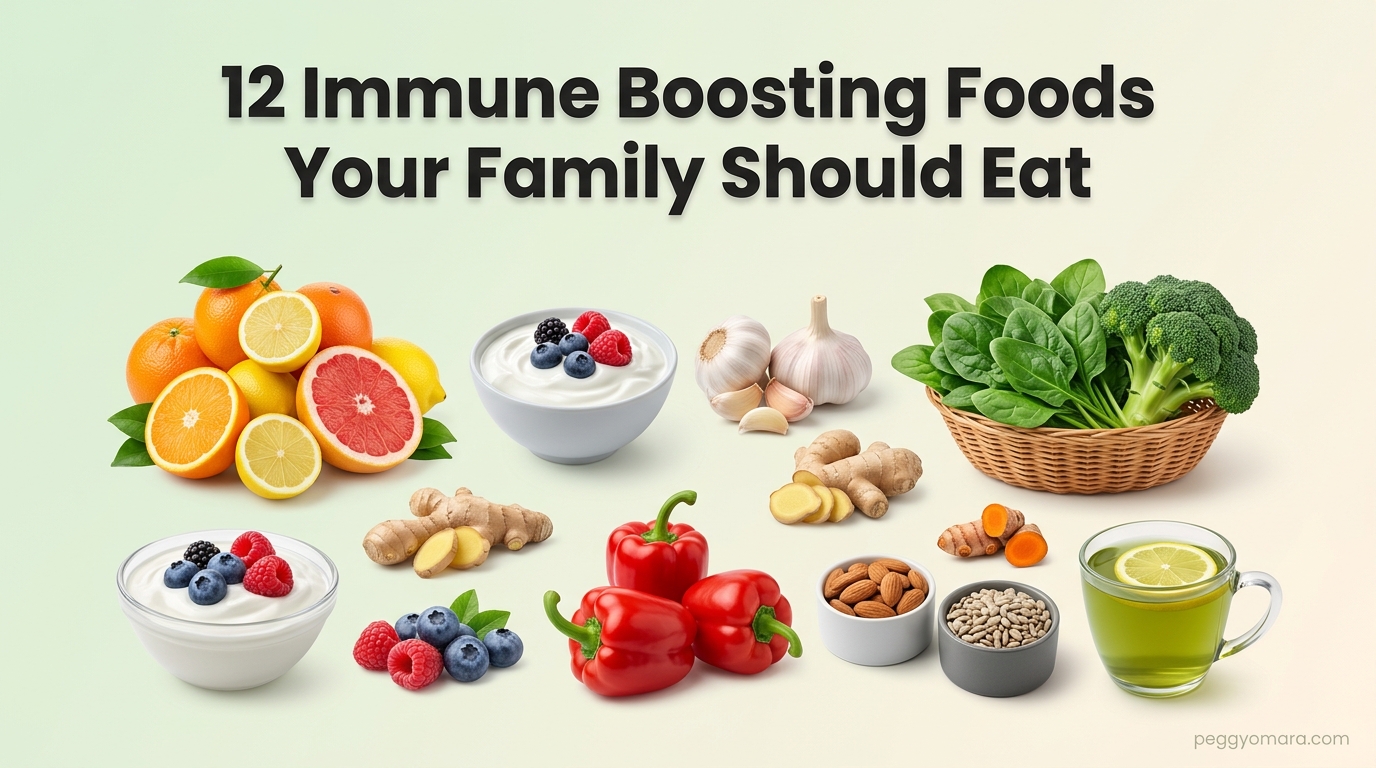
12 Immune Boosting Foods Your Whole Family Should Be Eating This Winter
1. Citrus Fruits
Citrus fruits are the classic immune-boosting food for good reason. Oranges, grapefruits, lemons, and limes are packed with vitamin C. This nutrient increases white blood cell production, which is key to fighting infections.
Your body does not store vitamin C, so you need daily intake. One medium orange provides about 70 milligrams, nearly the full daily recommendation for adults. Grapefruit and clementines offer similar benefits with varying sugar levels.
How to serve it to your family: Keep a bowl of easy-peel clementines on the counter. Kids love the independence of peeling them. Add orange segments to salads. Make fresh lemonade with less sugar than store-bought versions. My kids actually prefer grapefruit when I cut it properly and add a tiny drizzle of honey.
2. Red Bell Peppers
Red bell peppers contain even more vitamin C than citrus fruits. One medium red pepper delivers about 150 milligrams, more than double an orange. They also provide beta-carotene, which your body converts to vitamin A for additional immune support.
The vitamin C in bell peppers is actually more bioavailable when eaten raw. Cooking reduces the content somewhat, though they remain nutritious either way. The red variety has the most nutrients compared to green, yellow, or orange peppers.
How to serve it to your family: Slice into strips for dipping in hummus or ranch. Chop and add to scrambled eggs. Roast with a touch of olive oil to bring out sweetness. My picky eater will eat these when I cut them into small pieces and mix with pasta and cheese.
3. Broccoli
Broccoli is a true superfood for immunity. It contains vitamins C, A, and E plus fiber and antioxidants. This combination supports multiple aspects of immune function while also promoting gut health, which is closely tied to immunity.
The key nutrients in broccoli are best preserved with minimal cooking. Steaming for just a few minutes keeps more vitamins intact compared to boiling. Overcooking breaks down the beneficial compounds and creates that sulfurous smell kids hate.
How to serve it to your family: Steam lightly and serve with cheese sauce for reluctant eaters. Roast with garlic and parmesan for a crispy texture kids enjoy. Chop finely and add to fried rice or pasta sauce where it becomes nearly invisible. My family actually asks for roasted broccoli now after I started preparing it this way.
4. Garlic
Garlic contains allicin, a sulfur compound with potent antimicrobial properties. This is why garlic has been used medicinally for centuries. Studies show it may help reduce the severity and duration of colds.
The allicin is most potent when garlic is crushed or chopped and allowed to sit for a few minutes before cooking. Raw garlic has the strongest effect, though cooked garlic still provides benefits. The compound works by stimulating immune cells and may have direct antiviral effects.
How to serve it to your family: Add minced garlic to pasta sauces, soups, and stir-fries. Make garlic bread with fresh garlic instead of powder. Roast whole cloves which become sweet and mild. I hide extra garlic in marinara sauce, and nobody complains because the flavor blends in perfectly.
5. Ginger
Ginger contains gingerol, a bioactive compound with powerful anti-inflammatory effects. Chronic inflammation suppresses immune function, so foods that reduce inflammation indirectly support immunity. Ginger also helps with nausea, making it useful when someone is already sick.
Fresh ginger has more active compounds than dried powder. The root can be grated, sliced, or steeped depending on how you use it. It adds warmth to dishes and drinks, which feels especially comforting during winter illness.
How to serve it to your family: Grate into smoothies where the fruit masks the flavor. Make ginger tea with honey and lemon for soothing sick-day comfort. Add to stir-fries and Asian-inspired dishes. When my kids have upset stomachs, ginger tea with plenty of honey is the first thing they request.
6. Spinach
Spinach is rich in vitamin C, beta-carotene, and numerous antioxidants. Leafy greens like spinach help immune cells function properly and protect them from damage. The folate in spinach also aids in cell division, which is essential for immune cell production.
Like broccoli, spinach is healthiest when cooked lightly. Raw spinach is nutritious but cooking actually increases the availability of some nutrients while reducing oxalates that can interfere with mineral absorption. A quick saute or wilt into hot dishes works perfectly.
How to serve it to your family: Blend into fruit smoothies for a nutrition boost with no green taste. Saute with garlic as a simple side dish. Add handfuls to soups and pasta sauces where it wilts down dramatically. My children eat spinach regularly in berry smoothies where the purple color hides the green completely.
7. Yogurt
Yogurt provides probiotics, the beneficial bacteria that support gut health. About 70 percent of your immune system resides in your gut, making this connection critical. Probiotics help maintain the gut barrier and communicate with immune cells.
Choose yogurts with live, active cultures listed on the label. Greek yogurt offers extra protein which also supports immune function. Avoid versions with excessive added sugar, which can actually suppress immune activity.
How to serve it to your family: Use plain Greek yogurt as a base for smoothies. Make yogurt parfaits with berries and a drizzle of honey. Substitute yogurt for sour cream on tacos and baked potatoes. We started buying plain yogurt and letting kids add their own honey, cutting sugar content significantly compared to flavored varieties.
8. Almonds
Almonds are excellent sources of vitamin E, a fat-soluble antioxidant that protects immune cell membranes from damage. Vitamin E requires dietary fat for absorption, and almonds provide healthy fats along with the vitamin.
Just one ounce of almonds (about 23 nuts) provides nearly half the daily recommended vitamin E. Regular consumption has been linked to better immune response, particularly in older adults. The protein and fiber in almonds also make them a satisfying snack.
How to serve it to your family: Keep raw or roasted almonds available for snacking. Add sliced almonds to oatmeal or cereal. Use almond butter on toast or in smoothies. My kids love when I make trail mix combining almonds with dried fruit and a few chocolate chips for a treat.
9. Sunflower Seeds
Sunflower seeds contain vitamin E, selenium, and magnesium. Selenium is particularly important for immunity as it helps regulate inflammation and supports immune cell function. Many people are deficient in this often-overlooked mineral.
These seeds are also affordable and shelf-stable, making them easy to keep on hand. The nutrient density is high for their calorie content. They provide plant-based protein as well, supporting overall health.
How to serve it to your family: Sprinkle on salads for crunch. Add to homemade granola or trail mix. Blend into sunflower seed butter as a nut-free alternative. I keep a jar of sunflower seeds on the counter and sprinkle them on everything from yogurt to stir-fries.
10. Fatty Fish
Fatty fish like salmon, mackerel, and sardines provide omega-3 fatty acids and vitamin D. Omega-3s reduce chronic inflammation, allowing your immune system to focus on actual threats. Vitamin D is crucial for immune regulation and many people are deficient in winter.
Salmon is the most accessible option for many families. Canned salmon is affordable and convenient. Sardines offer even more nutrient density, though the strong flavor can be challenging for kids. Mackerel is another excellent option when available.
How to serve it to your family: Make salmon patties or cakes that feel like comfort food. Add canned salmon to pasta dishes. Try milder white fish if salmon is too strong initially. We started with salmon mixed into macaroni and cheese, gradually increasing the ratio as my kids adjusted to the flavor.
11. Blueberries
Blueberries contain flavonoids called anthocyanins that have antioxidant properties. These compounds help protect immune cells from damage. Blueberries also provide vitamin C and fiber for additional benefits.
Research suggests that flavonoids may play a specific role in immune defense in the respiratory tract. This makes blueberries particularly relevant for winter respiratory illnesses. Fresh or frozen blueberries offer similar benefits.
How to serve it to your family: Keep frozen blueberries on hand for smoothies year-round. Add fresh berries to cereal, yogurt, or oatmeal. Make blueberry muffins with reduced sugar. My children eat frozen blueberries straight from the freezer as a snack, treating them like tiny popsicles.
12. Turmeric
Turmeric contains curcumin, a compound with strong anti-inflammatory and antioxidant effects. Curcumin can enhance antibody responses and modulate immune cell activity. It has been used in traditional medicine for immune support for thousands of years.
The challenge with turmeric is that curcumin is poorly absorbed on its own. Combining it with black pepper increases absorption significantly. Cooking it into dishes with some fat also helps your body utilize the compound effectively.
How to serve it to your family: Add to soups, stews, and rice dishes where the flavor blends in. Make golden milk (turmeric latte) with warm milk and honey. Use in curry dishes that kids often enjoy. I add turmeric to chicken soup along with plenty of black pepper, and my family loves the golden color and mild flavor.
Family Meal Planning with Immune-Boosting Foods
Incorporating these 12 foods into your family’s weekly meals is simpler than it seems. The key is strategic pairing and preparation methods that appeal to children.
Start by choosing three or four foods from this list to focus on each week. Rotate them so you cover all 12 regularly over the course of a month. This prevents overwhelm while still providing variety.
Breakfast is an easy opportunity. Smoothies can hide spinach, yogurt, blueberries, and ginger. Oatmeal topped with almonds and sunflower seeds starts the day with immune support. Scrambled eggs with red peppers add vitamin C to the morning routine.
For lunch and dinner, aim to include at least one immune-boosting food in each meal. Add garlic to pasta sauce. Include broccoli as a side dish. Serve salmon twice a week. Make large batches of chicken soup loaded with garlic, turmeric, and vegetables.
Snacks matter too. Keep clementines, almonds, and yogurt readily available. When kids are hungry between meals, these become the easy choices.
The families I have worked with who had the most success made these foods normal and expected rather than special health foods. When broccoli at dinner and berries with breakfast become routine, children accept them without resistance.
Frequently Asked Questions
What is the number one food to boost your immune system?
No single food is the magic bullet for immunity. However, citrus fruits are often considered the top choice because vitamin C is essential for white blood cell production and function. The key is eating a variety of immune-supporting foods regularly rather than relying on one superfood.
What to eat in winter to boost immune system?
Focus on foods rich in vitamin C (citrus, bell peppers, broccoli), vitamin D (fatty fish, fortified yogurt), zinc (nuts, seeds), and probiotics (yogurt). Winter is also a good time to emphasize warming foods like ginger tea and garlic-rich soups that support immunity while comforting during cold weather.
What food strengthens the immune system when you have a cold?
When sick, prioritize vitamin C-rich foods like oranges and bell peppers to support white blood cell production. Garlic and ginger have antimicrobial and anti-inflammatory properties that may help. Warm chicken soup with garlic, vegetables, and turmeric provides nutrition while soothing sore throats and congestion. Stay hydrated with fluids like ginger tea with honey and lemon.
How to boost family immune system?
Feed your family a variety of whole foods including the 12 immune-boosting foods listed in this guide. Ensure everyone gets adequate sleep, regular physical activity, and proper hydration. Reduce added sugar, which can suppress immune function. Consider vitamin D supplementation during winter months, especially for family members with limited sun exposure.
How can I get my picky eater to try immune-boosting foods?
Start by hiding vegetables in familiar dishes. Blend spinach into fruit smoothies, finely chop broccoli into pasta sauce, or mix grated vegetables into muffins. Involve kids in cooking to increase their interest in trying what they helped make. Offer new foods alongside favorites without pressure. Lead by example by eating these foods yourself consistently.
Conclusion
The 12 immune boosting foods your whole family should be eating this winter are accessible, affordable, and genuinely effective. Citrus fruits, red bell peppers, broccoli, garlic, ginger, spinach, yogurt, almonds, sunflower seeds, fatty fish, blueberries, and turmeric each provide specific nutrients that support your body’s natural defenses.
Remember that consistency matters more than perfection. Your family does not need to eat all 12 foods every single day. Aim for variety over the course of a week, and focus on preparation methods that your children will actually enjoy.
These foods work best as part of an overall healthy lifestyle. Pair good nutrition with adequate sleep, regular physical activity, stress management, and proper hygiene. This comprehensive approach gives your family the best chance of staying healthy through the winter months.
Start small. Pick three foods from this list to incorporate this week. Once those become routine, add more. Over time, these immune-boosting foods will become staples in your kitchen, and you may find yourself facing fewer sick days just as my family did.