
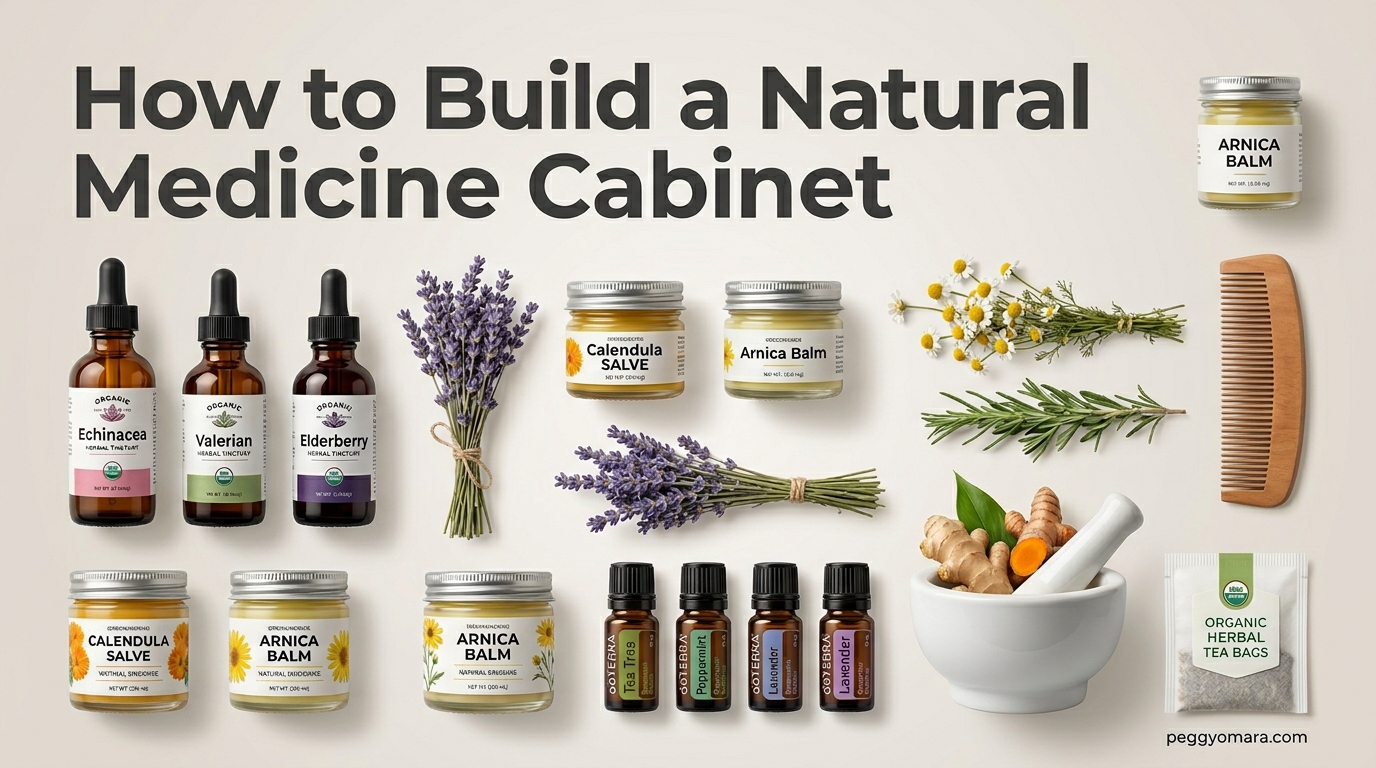
How to build a natural medicine cabinet for your family starts with just five simple steps: choose 3-5 versatile herbs, gather basic supplies like jars and labels, find a cool dark storage space, make your first preparation, and keep a simple inventory. I started my own home apothecary six years ago after my daughter’s first fever, and what began as a few dried herbs in mason jars has grown into a trusted system that serves my entire family. You don’t need a dedicated room or expensive equipment. You don’t need to be a certified herbalist. You just need curiosity, a willingness to learn, and the desire to handle everyday health challenges with gentle, plant-based support.
In this guide, I will walk you through everything I wish I had known when I started. We’ll cover the essential herbs that handle 90% of common family ailments, simple preparation methods that don’t require chemistry knowledge, storage solutions for tiny apartments, and safety guidelines that protect your loved ones. By the end, you will have a clear roadmap for building your own natural medicine cabinet, one thoughtful step at a time.
Table of Contents
How to Start an Herbal Medicine Cabinet: 5 Simple Steps
The most common question I hear from parents is where to begin. The herbal world feels vast and overwhelming, with thousands of plants claiming healing properties. After six years of trial and error, I can tell you that the secret is starting small and building confidence with a few reliable remedies before expanding your collection.
Step 1: Choose Your First Five Herbs. Pick versatile plants that address your family’s most common issues. Elderberry and echinacea support immune health. Chamomile and peppermint handle digestive upset and stress. Calendula treats skin problems. These five herbs alone can address colds, flu, stomachaches, anxiety, cuts, and rashes.
Step 2: Gather Basic Supplies. You need glass jars with tight lids for storage, labels, a small saucepan, cheesecloth or fine mesh strainer, amber dropper bottles for tinctures, and a kitchen scale for measuring dried herbs. Most of these items cost under $50 total, and many you already own.
Step 3: Find Proper Storage Space. Herbs lose potency when exposed to light, heat, and moisture. Choose a cool, dark cabinet away from the stove and bathroom humidity. A kitchen cabinet works well. A closet shelf works too. Some families dedicate a small drawer. The key is consistency in temperature and protection from light.
Step 4: Make Your First Preparation. Start with a simple chamomile tea or elderberry syrup. Success with basic preparations builds confidence for more complex tinctures and salves later. Document what you make, including ingredients, dates, and effects.
Step 5: Create an Inventory System. Label every jar with the herb name, purchase or harvest date, and expiration timeline. Keep a simple notebook or digital note tracking what you have, what you use most, and what needs restocking. This prevents waste and ensures you never run out of elderberry right when flu season hits.
These five steps take you from zero to functional home apothecary in about two weeks. The investment is minimal. The empowerment is significant. When your child wakes with a fever at 2 AM, you will reach for your elderberry syrup instead of scrambling for pharmacy hours.
Essential Herbs Every Family Medicine Cabinet Needs
After six years of maintaining a natural medicine cabinet for my family, I have identified ten herbs that deliver the most value for everyday health challenges. These plants form the foundation of effective home herbalism. Master these first before expanding to exotic or specialized remedies.
Elderberry (Sambucus nigra)
Elderberry stands as the immune system’s best friend during cold and flu season. Research shows it can reduce flu symptom duration by up to four days. I keep dried elderberries on hand year-round and make fresh syrup every autumn. The syrup stores in the refrigerator for three months and tastes pleasant enough that children actually enjoy their medicine.
Best forms: Syrup, tea, tincture. Primary uses: Colds, flu, immune support. Safety note: Use only ripe berries and flowers; raw unripe berries contain compounds that can cause digestive upset.
Echinacea (Echinacea purpurea)
Echinacea stimulates the immune system and works best when taken at the first sign of illness. I combine it with elderberry for powerful cold-fighting support. The root holds the strongest medicinal properties, though leaf and flower also work. The tingling sensation on your tongue when taking echinacea tincture indicates quality and active compounds.
Best forms: Tincture, tea, capsules. Primary uses: Immune support, colds, infections. Safety note: Avoid if you have autoimmune conditions without consulting a healthcare provider.
Chamomile (Matricaria chamomilla)
Chamomile soothes digestive upset, calms nervous tension, and promotes restful sleep. It stands as one of the safest herbs for children, making it essential for family medicine cabinets. The dried flowers make a gentle tea that even babies can drink in small amounts. I keep chamomile on hand for everything from teething discomfort to pre-bedtime wind-down.
Best forms: Tea, tincture, compress. Primary uses: Digestive upset, anxiety, sleep support, skin irritation. Safety note: Rarely, people with ragweed allergies may react to chamomile.
Peppermint (Mentha piperita)
Peppermint relieves digestive discomfort, reduces headache tension, and clears sinus congestion. The menthol content creates that familiar cooling sensation that opens airways and settles stomachs. I use peppermint tea for stomachaches after meals and the diluted essential oil for tension headaches when applied to temples.
Best forms: Tea, essential oil (external use only), tincture. Primary uses: Digestive upset, headaches, congestion. Safety note: Do not apply peppermint essential oil near infants’ faces; menthol can cause breathing difficulties.
Ginger (Zingiber officinale)
Ginger combats nausea, reduces inflammation, and warms the body from within. Every natural medicine cabinet should contain fresh ginger root in the refrigerator plus dried ginger for teas and preparations. It works faster than most over-the-counter nausea remedies and costs pennies per dose.
Best forms: Fresh root, dried powder, tea, tincture. Primary uses: Nausea, motion sickness, inflammation, circulation. Safety note: High doses may interact with blood-thinning medications.
Calendula (Calendula officinalis)
Calendula heals skin like nothing else. This orange flower creates potent salves for cuts, scrapes, diaper rash, and eczema. I make a big batch of calendula-infused oil every summer when the flowers bloom, then turn that oil into healing salve. The anti-inflammatory and antimicrobial properties speed wound healing dramatically.
Best forms: Salve, infused oil, tea, compress. Primary uses: Wounds, rashes, skin inflammation, minor burns. Safety note: Those with aster family allergies should patch test first.
Garlic (Allium sativum)
Garlic fights infections, supports cardiovascular health, and adds flavor while healing. Keep fresh garlic bulbs in your kitchen plus aged garlic extract capsules for concentrated immune support. This kitchen staple works as hard as any exotic herb in your cabinet. Raw garlic honey makes a powerful cold remedy that even children will take.
Best forms: Fresh cloves, honey infusion, capsules, tincture. Primary uses: Immune support, infections, cardiovascular health. Safety note: May interact with blood-thinning medications; causes breath odor that some find unpleasant.
Lavender (Lavandula angustifolia)
Lavender calms anxiety, promotes sleep, and soothes skin irritations. The essential oil requires proper dilution but works wonders for stress relief and bug bites. Dried lavender flowers make beautiful, functional additions to sleep pillows and bath teas. I keep lavender in multiple forms because it addresses both emotional and physical wellness.
Best forms: Essential oil (diluted), dried flowers, tea, hydrosol. Primary uses: Anxiety, sleep, skin irritation, burns. Safety note: Essential oil should never be ingested; use only externally with proper dilution.
Valerian (Valeriana officinalis)
Valerian supports deep sleep without morning grogginess for most people. The root smells earthy and strong, but the effects make it worthwhile for those struggling with insomnia. I use valerian tincture for nights when my mind won’t quiet down. It works particularly well combined with passionflower or chamomile for synergistic relaxation.
Best forms: Tincture, tea, capsules. Primary uses: Insomnia, anxiety, muscle tension. Safety note: Can cause vivid dreams in some people; avoid combining with sedative medications.
Turmeric (Curcuma longa)
Turmeric reduces inflammation throughout the body, supports joint health, and aids digestion. The active compound curcumin requires black pepper for proper absorption, so always combine turmeric with a pinch of pepper. Golden milk, a warm turmeric beverage, has become a bedtime ritual in my house during inflammatory flare-ups.
Best forms: Powder, capsules, tincture, fresh root. Primary uses: Inflammation, joint pain, digestive support. Safety note: High doses may affect blood clotting; consult provider before surgery.
Natural Remedies for Common Family Ailments
Knowing which herbs to stock is only half the battle. Understanding how to apply them to specific situations transforms your natural medicine cabinet from a collection of plants into a functional healing system. Here is how I match remedies to the health challenges my family faces most often.
Colds and Flu
At the first sign of sniffles, I reach for elderberry syrup combined with echinacea tincture. This duo stimulates immune response while the elderberry directly attacks viral particles. Ginger tea with honey soothes sore throats and settles upset stomachs that often accompany illness. Steam inhalation with a drop of eucalyptus or peppermint essential oil clears congestion effectively.
For children under six, I skip the essential oils and use a simpler approach: elderberry syrup, chamomile tea for comfort, and plenty of rest. The key is starting treatment early and supporting the body without suppressing symptoms that serve a purpose, like fever and cough.
Digestive Issues
Peppermint and ginger form my digestive dream team. Peppermint tea after heavy meals prevents bloating and discomfort. Ginger chews or tea stop nausea within minutes. For constipation, a warm morning drink with lemon and ginger stimulates digestion naturally. Chamomile tea calms stress-related stomachaches in children and adults alike.
When my daughter complains of tummy troubles before school, a small cup of chamomile-mint tea often solves the problem without medication. These gentle herbs don’t force the body into artificial patterns; they support natural digestive processes.
Sleep Support
Valerian tincture works for adults who need help falling asleep. Chamomile tea serves children and those with mild sleep difficulties. Lavender essential oil, diffused or applied diluted to pulse points, creates a sleep-conducive environment. I also keep passionflower on hand for nights when anxiety keeps the mind racing.
Sleep hygiene matters more than any herb. Consistent bedtime routines, screen-free hours before sleep, and a cool dark room amplify the effects of natural sleep remedies. Herbs support rest; they don’t force it against the body’s will.
Skin Irritations and Minor Wounds
Calendula salve handles 90% of skin issues in my house. Cuts, scrapes, diaper rash, and minor burns all respond to this golden healing ointment. For bug bites, a drop of lavender essential oil mixed with carrier oil stops itching immediately. Aloe vera gel, either fresh from the plant or purchased pure, soothes sunburn and skin inflammation.
I make fresh calendula salve every summer and store it in small tins throughout the house. Having remedies accessible means faster treatment and better outcomes. A kitchen drawer, bathroom cabinet, and diaper bag all contain small containers for immediate access.
Ear Discomfort
Garlic-mullein oil drops provide gentle relief for ear discomfort in children and adults. This classic combination reduces inflammation and fights infection. Warm the oil slightly, place a few drops in the affected ear, and seal with cotton. Never use herbal ear drops if the eardrum may be ruptured; seek professional evaluation first.
For prevention during swimming season, a drop of rubbing alcohol mixed with vinegar dries excess moisture after pool time. This simple kitchen remedy prevents the moisture buildup that leads to swimmer’s ear.
Teething Support
Chamomile serves as the safest and most effective teething remedy for infants. Freeze chamomile tea in ice cube trays, then wrap the cube in a clean cloth for baby to gum. The cold numbs while the chamomile calms inflammation. Some parents use diluted clove oil, but chamomile provides similar benefits with greater safety margins for tiny patients.
Always supervise infants with any teething remedy. Check with your pediatrician before introducing herbal preparations to babies under six months old. Even gentle herbs require caution with the youngest family members.
Fever Reduction
Elderflower tea and tepid baths support the body during fever without suppressing the immune response. Fever serves a purpose; it kills pathogens. Natural approaches keep patients comfortable while allowing this process to work. Hydration matters most during fever; herbal teas provide both fluid and medicinal support simultaneously.
Seek medical care for infants under three months with any fever, or for any fever over 104 degrees Fahrenheit in older children. Natural remedies support healing; they don’t replace medical care when serious illness strikes.
Kitchen Cures: Using What You Already Have
Before you buy a single dried herb, look in your kitchen. Many of the most powerful natural remedies already live in your pantry or refrigerator. These kitchen staples formed the foundation of medicine for centuries before pharmacies existed. They remain effective, accessible, and nearly free.
Garlic: The Original Antibiotic
Fresh garlic contains allicin, a compound with potent antimicrobial properties. Crush a clove and let it sit for ten minutes before using to activate these compounds fully. Raw garlic honey, made by crushing cloves into raw honey, makes a palatable cold remedy that children will actually take. Aged garlic extract provides concentrated immune support without the social consequences of fresh garlic breath.
I use garlic for early colds, as a daily immune tonic during winter months, and as a cardiovascular support supplement. This humble bulb works as hard as any expensive supplement on the market.
Ginger: Nature’s Anti-Nausea Remedy
Keep fresh ginger root in your freezer; it lasts indefinitely and grates easily while frozen. Ginger tea stops nausea faster than most over-the-counter remedies. Chewing crystallized ginger prevents motion sickness during car trips. Ginger beer with real ginger content settles stomachs while satisfying taste buds.
For menstrual cramps, ginger tea combined with heat provides relief comparable to ibuprofen for many women. The anti-inflammatory compounds address pain at the source rather than masking symptoms.
Turmeric: Golden Anti-Inflammatory
Turmeric powder brightens curries and reduces inflammation simultaneously. The key to unlocking its benefits lies in combining it with black pepper, which increases curcumin absorption by 2000%. Golden milk, made with turmeric, ginger, black pepper, and warm milk of choice, soothes inflammation from the inside out.
I drink golden milk regularly during inflammatory flare-ups and find it particularly helpful for joint discomfort. The ritual of preparing and sipping this warm drink also provides mental comfort during difficult health moments.
Raw Honey: More Than Sweetener
Raw, unfiltered honey contains enzymes, antioxidants, and antimicrobial compounds that processed honey loses. For coughs, especially in children over one year old, honey works as effectively as many commercial cough suppressants. Never give honey to infants under 12 months due to botulism risk.
Honey also serves as the base for many herbal preparations. Garlic honey, elderberry honey, and herbal-infused honeys preserve medicinal properties while creating palatable remedies. Local raw honey may also help with seasonal allergies, though evidence remains mixed on this benefit.
Apple Cider Vinegar: The Multi-Tool
Raw, unfiltered apple cider vinegar with the mother contains beneficial enzymes and probiotics. Diluted in water, it creates a gargle for sore throats that kills bacteria and restores pH balance. A tablespoon in water before meals stimulates digestion. Used as a hair rinse, it removes buildup and restores shine without chemicals.
Always dilute apple cider vinegar; straight application damages tooth enamel and irritates tissues. Start with small amounts and increase gradually as your body adjusts to its effects.
DIY Preparation Basics: Teas, Tinctures, and Salves
Understanding basic preparation methods transforms dried herbs into usable medicine. These techniques require no special equipment beyond basic kitchen supplies. Master these four methods and you can create 90% of what your family needs.
Infusion: The Art of Herbal Tea
An infusion extracts medicinal compounds from delicate plant parts like leaves and flowers using hot water. Place one to two teaspoons of dried herb in a cup, pour boiling water over it, cover, and steep for 10-15 minutes. Covering the cup prevents volatile oils from escaping with the steam. Strain and drink.
Infusions work best for chamomile, peppermint, lemon balm, and other leaf or flower herbs. Make them fresh for maximum potency, though you can store in the refrigerator for 24 hours if needed.
Decoction: Drawing Power from Roots and Barks
Roots, barks, and seeds require stronger extraction methods than delicate leaves. Decoction involves simmering these tougher plant parts in water for 15-20 minutes. Use one tablespoon of dried root per cup of water. Bring to a boil, then reduce heat and simmer with the lid on. Strain and use.
Echinacea root, ginger root, and dandelion root all require decoction rather than simple infusion. The longer cooking time breaks down tough cell walls and releases medicinal compounds.
Tincture: Alcohol-Based Extraction
Tinctures extract medicinal compounds using alcohol, creating concentrated preparations that last for years. Fill a jar one-third full with dried herb, cover with 80-proof vodka or other food-grade alcohol, seal tightly, and store in a dark place for 4-6 weeks. Shake occasionally. Strain through cheesecloth and store in amber dropper bottles.
Dosage typically runs 30-60 drops (1-2 droppers) for adults, less for children. Tinctures work quickly because alcohol enters the bloodstream rapidly. For those avoiding alcohol, glycerin-based extracts called glycerites provide alternatives, though with shorter shelf lives.
Salve: Infused Oil into Healing Ointment
Calendula and other skin-healing herbs work best in salve form. First, create an infused oil by covering dried herbs with carrier oil in a jar and letting it sit for 4-6 weeks, or heating gently in a double boiler for several hours. Strain the oil.
To make salve, heat one cup of infused oil with one-quarter cup of beeswax until melted. Pour into tins or jars and let cool. The result is a shelf-stable ointment that heals skin for up to a year when stored properly.
Storage Timelines: How Long Preparations Last
One of the most common questions I receive concerns shelf life. Dried herbs maintain potency for 1-2 years when stored properly in dark, airtight containers. Infusions and decoctions last 24 hours refrigerated. Tinctures last 2-5 years depending on alcohol content. Salves remain effective for 1-2 years. Honey-based preparations last indefinitely due to honey’s natural preservative properties.
Label everything with creation dates. Trust your senses; if an herb smells weak or looks faded, it probably is. When in doubt, make fresh. The investment in new dried herbs is small compared to the cost of ineffective medicine.
Organizing and Storing Your Natural Medicine Cabinet
Storage makes or breaks a home apothecary. Herbs exposed to light, heat, or moisture lose potency quickly. An organized system ensures you find what you need during midnight health crises. You don’t need a dedicated apothecary room; you just need smart storage solutions.
What to Use Instead of a Traditional Medicine Cabinet
Bathroom medicine cabinets fail for herbal storage due to humidity from showers and baths. Heat from bathroom lighting also degrades delicate compounds. Instead, choose kitchen cabinets away from the stove, bedroom closets, or hallway storage. A small dresser drawer works. A decorative basket on a high shelf serves the purpose. Some families use vintage suitcases or wooden crates for character and function.
My apothecary lives in a kitchen cabinet plus a dedicated drawer. The cabinet holds bottles and jars; the drawer contains salves and smaller items. Everything stays cool, dry, and accessible.
Container Selection Matters
Glass jars with tight-fitting lids provide the best storage for dried herbs. Plastic allows air exchange over time and can react with certain herbs. Amber or cobalt glass blocks damaging light. Mason jars work beautifully and cost little, especially when bought secondhand. Just keep them in a dark cabinet to prevent light damage.
For tinctures and oils, amber glass dropper bottles protect contents while allowing precise dosing. Label every container with contents, purchase date, and expiration timeline. Masking tape and a permanent marker create adequate labels; decorative labels please the eye if you prefer.
Organization Systems That Work
Organize by use rather than alphabetically. Group immune-supporting herbs together. Keep digestive herbs in one zone. Skin remedies cluster in another. This system helps you think through problems; when someone has a stomachache, you head directly to the digestive section.
I keep a simple inventory list taped inside the cabinet door. It tracks what I have, what I use most, and what needs restocking. Monthly reviews prevent running out of essential items during illness season. Some herbalists create more complex systems, but simplicity ensures you actually maintain the practice.
Seasonal Medicine Cabinet Rotation
Rotate your apothecary seasonally for maximum effectiveness. Winter calls for immune-supporting herbs like elderberry and echinacea. Spring allergy season demands nettle and local honey. Summer requires sunburn soothers like aloe and lavender. Fall preparation focuses on building immunity before winter hits.
I do a full inventory and rotation four times per year, coinciding with equinoxes and solstices. This ritual keeps my medicine cabinet fresh and aligned with my family’s changing needs. It also prevents waste by ensuring I use herbs before they expire.
Sourcing Quality Herbs on a Budget
Building a natural medicine cabinet doesn’t require wealth. Strategic sourcing stretches dollars while maintaining quality. Many of the best herbalists I know operate on tight budgets. They prioritize well, buy smart, and grow what they can.
Where to Buy Quality Herbs
Mountain Rose Herbs sets the standard for organic, ethically sourced herbs in the United States. Their catalog educates while it sells. Bulk Herb Store offers good quality at reasonable prices. Local health food stores often carry bulk herbs, allowing you to buy small amounts for experimentation before committing to larger quantities.
When evaluating sources, look for organic certification, harvest date information, and proper storage practices. Herbs should smell potent and look vibrant. Faded colors and weak aromas indicate age and degradation. Ask about turnover; high-volume sellers stock fresher products.
Growing Your Own Medicine
Growing medicinal herbs provides the freshest, most economical supply. Chamomile, calendula, peppermint, and lemon balm grow easily in containers or garden beds. These four plants alone handle most common family ailments. A small 4×4 foot garden plot produces surprising quantities of medicine.
Start with easy herbs that tolerate neglect. Calendula self-seeds once established. Mint spreads aggressively; contain it in pots. Chamomile grows like a weed in poor soil. Success with easy plants builds confidence for more challenging varieties later.
Foraging Wild Plants
Your local ecosystem provides free medicine if you learn to identify plants safely. Dandelion, plantain, and elderberry grow across most of North America. Never forage without absolute positive identification. Use multiple field guides and consider taking classes from local herbalists before consuming wild plants.
Start with one plant. Learn it thoroughly. Harvest it responsibly. Expand your knowledge gradually. Foraging connects you to your place in a profound way while providing free, potent medicine. The learning curve is steep but deeply rewarding.
Bulk Buying and Sharing
Split bulk herb orders with friends to reduce shipping costs and per-pound prices. A pound of dried elderberries lasts years for one family; splitting four ways provides adequate supply while reducing individual investment. Herbal study groups often organize these collective purchases.
Buy whole herbs rather than pre-powdered when possible. Whole herbs maintain potency longer. You can grind small amounts as needed or use them whole in teas and preparations. The price difference often surprises new herbalists; whole herbs cost significantly less per dose.
Safety Considerations and When to Seek Professional Care
Natural medicine empowers families, but it carries responsibility. Herbs affect the body powerfully; that’s why they work. Respect this power through education, caution, and knowing when professional care supersedes home remedies.
Dosage Guidelines
Start with the lowest recommended dose and increase gradually if needed. Children’s dosing follows Clark’s Rule: divide the child’s weight by 150, then multiply by adult dose. A 50-pound child receives one-third the adult dose. When in doubt, consult a pediatric herbalist or qualified healthcare provider.
Pregnancy requires special caution. Many herbs safe for general use contraindicate during pregnancy. Always research thoroughly or consult a professional before using herbs while pregnant or breastfeeding. Some of the gentlest herbs become problematic in these situations.
Contraindications and Drug Interactions
Garlic, ginger, and turmeric thin blood naturally. Avoid high doses before surgery or when taking blood-thinning medications. Echinacea stimulates the immune system; avoid with autoimmune conditions unless supervised by a healthcare provider. Valerian and other sedating herbs interact with sleep medications and alcohol.
Keep a list of your family’s medications and check every new herb for interactions. The internet provides this information readily, but consult qualified practitioners for complex medical situations. Pharmacists increasingly receive training in herb-drug interactions; they can be valuable resources.
When to See a Doctor Instead
Home remedies handle minor, self-limiting conditions. They do not replace medical care for serious illness. Seek immediate professional care for difficulty breathing, chest pain, severe abdominal pain, high fever in infants, signs of dehydration, or any condition worsening despite home treatment.
Trust your parental instincts. If something feels wrong, it probably is. Natural medicine supports wellness; it doesn’t force dangerous independence from necessary medical care. The best herbalists I know maintain excellent relationships with conventional medical providers and use both approaches appropriately.
Quality and Sourcing Safety
Buy herbs from reputable sources only. Adulteration and contamination plague the supplement industry. Choose certified organic when possible. Look for companies that test for heavy metals, pesticides, and proper identification. Cheap herbs from unknown sources may cost more in health consequences than premium products cost in dollars.
Growing your own eliminates sourcing concerns. When you tend the plant from seed to harvest, you know exactly what you have. This is one reason I encourage even apartment dwellers to grow a few pots of medicinal herbs. Quality control becomes simple when you are the producer.
Frequently Asked Questions
What can I do instead of a medicine cabinet?
Use a kitchen cabinet away from heat sources, a bedroom closet shelf, a dresser drawer, or even a decorative basket on a high shelf. The key is finding a cool, dark, dry space protected from bathroom humidity and kitchen steam. Vintage suitcases, wooden crates, or Mason jars on a pantry shelf all work beautifully for herbal storage.
How to start an herbal medicine cabinet?
Start with five simple steps: choose 3-5 versatile herbs for your family’s common needs, gather basic supplies like jars and labels, find a cool dark storage space, make your first simple preparation like tea or syrup, and create an inventory system to track what you have and when it expires. Start small with elderberry, chamomile, peppermint, ginger, and calendula.
What is the most powerful medicinal herb?
No single herb holds universal power; effectiveness depends on the condition being treated. Elderberry excels for immune support and viral infections. Calendula dominates skin healing. Ginger stops nausea faster than most alternatives. Turmeric reduces inflammation significantly. The most powerful herb for your family addresses your specific health patterns and needs.
What is the difference between a herbalist and a holistic medicine?
A herbalist specializes in using plants for healing, studying materia medica, preparation methods, and clinical applications of botanical medicine. Holistic medicine refers to an approach that treats the whole person, body, mind, and spirit rather than isolated symptoms. Herbalism often falls under the holistic medicine umbrella, but herbalists focus specifically on plant-based remedies while holistic practitioners may use nutrition, lifestyle changes, energy work, and other modalities alongside or instead of herbs.
How long do herbal preparations last?
Dried herbs maintain potency for 1-2 years stored properly in airtight, dark containers. Infusions and decoctions last 24 hours refrigerated. Tinctures remain effective for 2-5 years depending on alcohol content. Salves stay potent for 1-2 years. Honey-based preparations last indefinitely due to honey’s natural preservative properties.
Where can I source quality herbs on a budget?
Buy in bulk and split orders with friends to reduce shipping costs. Grow easy herbs like chamomile, calendula, and mint in containers. Forage local plants like dandelion and plantain after proper identification training. Choose whole herbs over pre-powdered for longer shelf life and better value. Mountain Rose Herbs and Bulk Herb Store offer quality at fair prices.
Can I use herbal remedies alongside conventional medicine?
Many herbs combine safely with conventional treatments, but consult healthcare providers about specific combinations. Some herbs interact with medications; garlic, ginger, and turmeric affect blood clotting, while valerian increases sedation. Always inform your doctor about herbs you use. The best care often integrates both approaches appropriately.
What medicine cabinet mistakes should beginners avoid?
Buying too many herbs before learning a few well is the most common mistake. Store herbs in bathrooms or near stoves causes potency loss. Skipping labeling leads to confusion and waste. Neglecting safety research creates risks. Waiting until illness strikes to start building your cabinet means scrambling when you need remedies most. Start small, store properly, label everything, research thoroughly, and build before you need it.
How do I involve children in learning about natural remedies?
Start with sensory experiences; let children smell, touch, and taste safe herbs like chamomile and mint. Involve them in making simple preparations like honey infusions or herbal teas. Teach them to identify one plant at a time in your garden or neighborhood. Create age-appropriate stories about how plants help people. As they grow, teach proper dosing and safety. Children who grow up with herbal knowledge carry it for life.
Your Natural Medicine Cabinet Journey Begins Today
How to build a natural medicine cabinet for your family is not a destination but a journey. You don’t need to implement everything in this guide immediately. Start with one herb, one preparation, one small step toward natural wellness. Buy dried elderberries and make your first syrup. Plant chamomile seeds in a pot on your windowsill. Create a simple inventory system for whatever remedies you already own.
Building a home apothecary takes time, and that is perfectly fine. Each preparation you make teaches you something new. Each remedy you use successfully builds confidence for the next challenge. Each season that passes shows you what your family actually needs versus what marketing suggests you should buy.
In 2026, I hope you find the same empowerment I discovered six years ago when I made my first batch of elderberry syrup. The ability to care for my family with gentle, effective, plant-based remedies changed how I view health and healing. It connected me to traditions thousands of years old. It reduced my dependence on systems that don’t always serve families well. It brought unexpected joy to my daily life.
Your natural medicine cabinet awaits. Start today. Start small. Start with curiosity and commitment. The plants are ready to help you heal.