
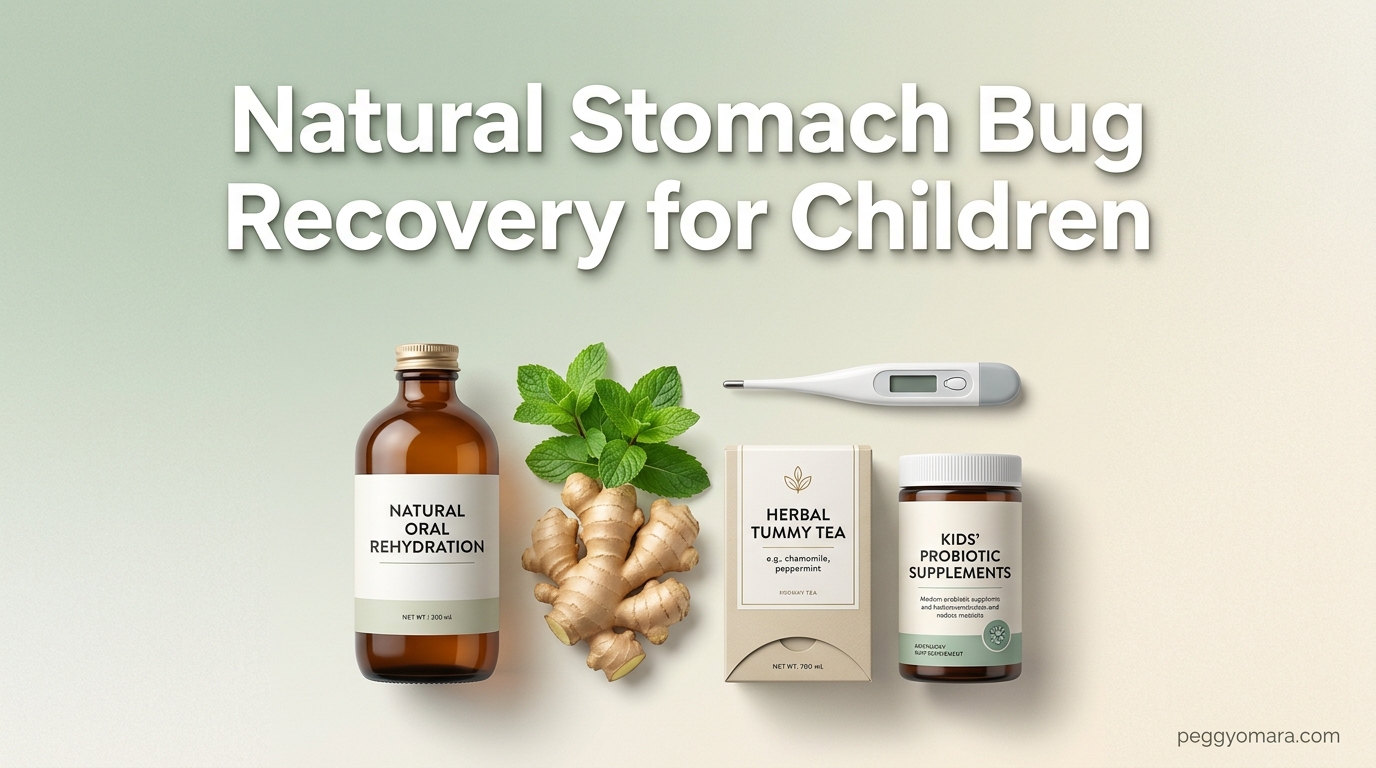
Nothing prepares you for that middle-of-the-night cry followed by the sound no parent wants to hear. I have been there three times with my own children, and each experience taught me something new about natural stomach bug recovery.
When your child has a stomach bug, your instincts scream to fix it immediately. But viral gastroenteritis does not respond to quick fixes. It requires patience, gentle support, and trust in your child’s remarkable healing abilities. This guide walks you through exactly what to do when your child has a stomach bug using natural recovery methods that support rather than suppress the body’s healing process.
You are not alone in this. Millions of parents navigate childhood stomach bugs every year, and most children recover fully within a few days. Let me show you how to make those days as comfortable and healing as possible.
Table of Contents
Understanding the Stomach Bug: What Parents Need to Know
What is Viral Gastroenteritis?
A stomach bug, medically called viral gastroenteritis, is an infection of the digestive system caused by viruses like rotavirus, norovirus, or adenovirus. These viruses inflame the lining of the intestines, causing vomiting, diarrhea, stomach cramps, and sometimes fever.
Unlike bacterial infections, viral gastroenteritis cannot be treated with antibiotics. The body must fight off the virus naturally, which typically takes 24 to 72 hours for the worst symptoms to pass. Understanding this helps set realistic expectations and prevents the anxiety that comes from searching for a quick cure.
How Long Does a Stomach Bug Last?
Most childhood stomach bugs run their course in one to three days. Vomiting usually stops within 24 hours, while diarrhea may linger for two to five days. Some children experience mild fatigue and reduced appetite for up to a week after other symptoms resolve.
The incubation period, the time between exposure and first symptoms, ranges from 12 to 48 hours depending on the virus. This explains why stomach bugs seem to spread rapidly through families and daycare settings.
Common Symptoms to Watch For
Stomach flu symptoms in kids typically appear suddenly and may include frequent vomiting, watery diarrhea, stomach cramps, low-grade fever, headache, and fatigue. Some children vomit only once or twice, while others experience repeated episodes for several hours.
Each child responds differently to the same virus. One sibling might have mild diarrhea while another cannot keep anything down for 12 hours. This variability is normal and does not indicate severity differences.
First 24 Hours: Your Immediate Action Plan
The first day of a stomach bug sets the foundation for recovery. Your priorities are hydration, rest, and observation.
Stop solid foods immediately when vomiting begins. Many parents worry their child needs to eat, but the digestive system needs rest. A break from food allows the gut lining to heal and reduces further vomiting episodes.
Focus entirely on fluids starting with tiny amounts. Offer one to two teaspoons of water or oral rehydration solution every five minutes. Small, frequent sips are better than larger amounts that trigger the gag reflex. If vomiting occurs, wait 15 minutes and start again with even smaller sips.
Set up a comfortable recovery station near a bathroom or with a bowl within reach. Keep towels, clean clothes, and wipes nearby. Many parents find that accepting extra screen time during this phase actually helps children rest more, which speeds recovery.
Hydration Strategies: Preventing Dehydration Naturally
Dehydration is the primary concern during any stomach bug. Children lose fluids rapidly through vomiting and diarrhea, and small bodies dehydrate faster than adult bodies.
Signs of Dehydration to Watch For
Monitor your child closely for these warning signs: dry mouth and tongue, no tears when crying, dark yellow urine or no urine for eight hours, sunken eyes, cold hands and feet, unusual sleepiness or irritability, and a sunken soft spot in infants.
Pinch the skin on the back of their hand. If it stays tented rather than snapping back quickly, this indicates dehydration requiring immediate attention.
Homemade Natural Electrolyte Solution
You can make an effective oral rehydration solution at home using simple ingredients. Mix four cups of clean water with half a teaspoon of sea salt and six teaspoons of raw honey or sugar. Stir until completely dissolved.
Some parents add a splash of fresh orange juice for flavor and potassium. Others use coconut water as a base instead of plain water for added minerals. This homemade solution costs significantly less than store-bought options and contains no artificial colors or flavors.
Store the solution in the refrigerator and offer it cold or at room temperature. Never add artificial sweeteners, as these can worsen diarrhea in some children.
Best Natural Fluids for Recovery
Beyond homemade electrolyte solutions, several natural fluids support recovery. Coconut water provides potassium and natural electrolytes without added sugar. Ginger tea made with fresh ginger root helps settle the stomach and reduce nausea.
Weak chamomile tea offers hydration while providing gentle calming properties. Bone broth delivers minerals and easy-to-absorb nutrients that support gut healing. Clear vegetable broths work well for children who resist sweet flavors.
Avoid dairy products, fruit juices, and sports drinks during the acute phase. These can worsen diarrhea or provide too much sugar that feeds harmful gut bacteria.
Getting a Reluctant Child to Drink
Many sick children refuse to drink, especially when nauseated. Try offering fluids in novel ways. Use a medicine syringe to gently squirt small amounts into their mouth. Freeze electrolyte solution into popsicles that numb the mouth and reduce nausea.
Offer drinks in special cups or with fun straws. Sometimes room temperature fluids are better tolerated than cold ones. Let your child choose between two acceptable options to give them a sense of control.
If your child refuses all fluids for more than four hours or shows signs of dehydration, contact your healthcare provider immediately.
Natural Remedies That Support Recovery
Several natural remedies can support your child’s immune system and speed gut healing during a stomach bug. These work alongside proper hydration and rest, not as replacements.
Probiotics for Gut Healing
Probiotics help restore the balance of healthy gut bacteria disrupted by viral gastroenteritis. Research supports specific strains for childhood diarrhea, particularly Lactobacillus rhamnosus GG and Lactobacillus reuteri.
Start probiotics once vomiting subsides and your child can keep down fluids. Powders can be mixed into small amounts of applesauce or coconut water. Continue for one to two weeks after symptoms resolve to fully rebuild gut flora.
Some quality probiotic strains survive stomach acid better than others. Look for products specifically formulated for children with guaranteed potency through the expiration date.
Bone Broth and Healing Foods
Homemade bone broth provides easily absorbed minerals, collagen, and amino acids that support intestinal healing. The gelatin in bone broth helps soothe and seal the gut lining damaged by viral inflammation.
Simmer chicken or beef bones with vegetables for 12 to 24 hours to extract maximum nutrients. Strain well and offer the clear broth as one of the first foods after the vomiting phase passes.
Vegetable broths made with mineral-rich sea vegetables provide alternative options for families following plant-based diets. Add a pinch of sea salt for additional minerals.
Ginger and Herbal Teas
Ginger has centuries of traditional use for digestive upset, and modern research confirms its anti-nausea properties. Make fresh ginger tea by steeping thinly sliced ginger root in hot water for 10 minutes.
Chamomile tea reduces inflammation and promotes relaxation. Peppermint tea can help with stomach cramps, though some find it too strong for sensitive stomachs. Cinnamon tea contains tannins that may help reduce viral activity.
Offer these teas lukewarm and unsweetened, or add a small amount of raw honey for children over one year. Start with just a few sips to test tolerance.
Manuka Honey and Carob Powder
Manuka honey from New Zealand contains unique antimicrobial compounds not found in regular honey. For children over one year, a small amount may support immune function and provide easily digestible energy.
Carob powder contains polyphenols that research suggests may inhibit viral activity in the gut. Mix a teaspoon into applesauce or banana once your child is eating solid foods again.
Both ingredients offer nutritional benefits beyond their potential antiviral properties. They make bland recovery foods more palatable for picky eaters.
Colostrum Supplementation
Bovine colostrum, the early milk produced by cows, contains antibodies and growth factors that support immune function. Some parents find it helpful for children prone to recurring stomach bugs.
Colostrum powder can be mixed into smoothies or stirred into applesauce once solid foods are tolerated. It provides immunoglobulins that help fight pathogens while supporting gut barrier function.
Choose high-quality colostrum from grass-fed cows for maximum benefit. Start with small amounts and increase gradually.
Nutrition for Recovery: What to Feed Your Child
Knowing what to feed a child recovering from a stomach bug helps prevent setbacks and supports healing. The goal is gentle, easy-to-digest foods that provide energy without overwhelming the digestive system.
The BRAT Diet and Beyond
The classic BRAT diet stands for bananas, rice, applesauce, and toast. These bland, low-fiber foods are easy to digest and help firm up stools. However, modern pediatric guidance suggests expanding beyond BRAT for better nutrition.
Add simple crackers, plain pasta, boiled potatoes without skin, and small amounts of plain chicken once vomiting has stopped for at least six hours. Oatmeal made with water rather than milk provides gentle fiber and energy.
Introduce foods gradually, one new item every few hours. Stop immediately if vomiting resumes and return to clear fluids for several hours before trying again.
Day-by-Day Recovery Meal Plan
Day one focuses entirely on fluids. Offer homemade electrolyte solution, coconut water, and weak herbal teas. Do not push solid foods even if your child seems hungry.
Day two introduces bland foods if vomiting has stopped. Start with a few bites of banana, applesauce, or plain rice. Small, frequent meals work better than larger portions.
Day three expands the menu to include toast, crackers, oatmeal, and simple soups. Continue avoiding dairy, fatty foods, and high-fiber items.
Days four through seven gradually return to normal eating. Add eggs, cooked vegetables, and lean proteins. Reintroduce dairy last, as temporary lactose intolerance is common after stomach bugs.
Foods to Avoid During Recovery
Certain foods can worsen symptoms or prolong recovery. Avoid dairy products for at least three days, as temporary lactose intolerance often develops. Skip fatty or fried foods that are hard to digest.
High-fiber foods like raw vegetables and whole grains may irritate the gut lining. Sugary foods and drinks feed harmful bacteria and can worsen diarrhea. Avoid artificial sweeteners entirely.
Caffeine and chocolate are too stimulating for a recovering digestive system. Spicy foods should wait until full recovery. When in doubt, choose the simplest, most natural option available.
Comfort and Care: Supporting Your Child Through Recovery
Physical comfort measures help children rest, which is when real healing happens. Emotional support matters just as much as physical care during this challenging time.
Create a calm, quiet environment for recovery. Dim the lights and minimize stimulation. Soft music or audiobooks can provide comfort without requiring visual attention. Keep the room at a comfortable temperature, as fever may come and go.
Gentle abdominal massage with warm hands can help relieve stomach cramps. Use clockwise motions following the natural path of digestion. A warm water bottle wrapped in cloth provides soothing heat for achy tummies.
Your presence is the most powerful comfort tool. Sit quietly nearby, offer gentle touch, and speak in calm, reassuring tones. Sick children often need more physical closeness than usual. This is not the time to worry about sleep habits or independence.
Remember to care for yourself too. Parent anxiety during a child’s illness is normal and valid. Take breaks when another caregiver is available, and remember that this difficult period will pass.
Preventing the Spread: Keeping the Rest of Your Family Healthy
Stomach bugs spread easily through families. Taking preventive steps early can protect siblings and parents from the same misery.
Hand washing is your first defense. Wash thoroughly with soap and warm water after bathroom visits, diaper changes, and before eating. Alcohol-based sanitizers do not effectively kill norovirus, so stick to soap and water.
Disinfect surfaces the sick child touches frequently. Use a solution of white vinegar and water or hydrogen peroxide for natural cleaning. Wash bedding, towels, and clothing in hot water. Keep the sick child’s bathroom separate if possible.
Isolate the sick child from well siblings as much as practical. This is challenging with young children, but even partial separation helps. Do not share towels, cups, or utensils between family members during an outbreak.
If you must care for multiple children and parents become sick too, accept help from extended family or friends if offered. Having an extra set of hands makes a tremendous difference.
When to Seek Medical Help: Red Flags Every Parent Should Know
Most childhood stomach bugs resolve naturally at home. However, certain warning signs require immediate medical attention.
Contact your healthcare provider immediately if your child shows signs of severe dehydration, including no urine for eight hours, very dry mouth, sunken eyes, or extreme lethargy. Blood in vomit or stool, severe abdominal pain, or vomiting that persists beyond 24 hours also warrant a call.
High fever over 102 degrees Fahrenheit, fever in infants under three months, or symptoms that worsen rather than improve after 48 hours require professional evaluation. Trust your parental instincts. You know your child best, and seeking help is always appropriate when you feel concerned.
Infants under six months, children with chronic health conditions, or those showing signs of listlessness need closer monitoring and earlier intervention than healthy older children.
Frequently Asked Questions
What is the quickest way to get rid of a stomach bug for kids?
There is no instant cure for viral gastroenteritis. The body needs time to fight off the virus, typically 24 to 72 hours for the worst symptoms. Support your child with proper hydration, rest, and gentle nutrition rather than seeking quick fixes that do not exist. Antibiotics do not work on viruses.
How to fight a stomach virus naturally?
Support your child’s natural defenses through hydration with homemade electrolyte solutions, plenty of rest, and probiotics once vomiting stops. Offer bone broth for nutrients, ginger tea for nausea, and bland foods like the BRAT diet. Avoid suppressing symptoms, as vomiting and diarrhea are the body’s way of eliminating the virus.
What kills stomach viruses in the home?
Stomach viruses like norovirus are resilient. Clean contaminated surfaces with hydrogen peroxide or a bleach solution. Wash linens in hot water with detergent. Hand washing with soap and water is more effective than hand sanitizer. Keep the sick child isolated from family members when possible and disinfect bathrooms daily.
What naturally calms an upset stomach?
Ginger tea made from fresh ginger root reduces nausea and settles the stomach. Chamomile tea provides gentle calming effects. Warm compresses or water bottles soothe abdominal cramps. Small sips of clear fluids prevent further irritation. Rest and avoiding solid foods during acute vomiting allow the stomach to recover.
How long after exposure to a stomach bug?
Symptoms typically appear 12 to 48 hours after exposure to the virus. This incubation period varies depending on the specific virus and individual immune response. During this window, the exposed person is not contagious but will become so once symptoms develop.
Does grape juice help prevent stomach bug?
Some parents report success giving children grape juice during stomach bug outbreaks, believing compounds in grape juice alter gut pH to make viral survival difficult. However, scientific evidence is limited. While grape juice is unlikely to cause harm, proper hand washing and hygiene remain the most reliable prevention methods.
How to avoid norovirus when family has it?
Wash hands frequently with soap and warm water for at least 20 seconds. Disinfect surfaces daily with bleach solution or hydrogen peroxide. Do not share towels, utensils, or food. Keep bathrooms separate if possible. Wash contaminated laundry in hot water. Avoid preparing food for others if you become sick.
Is Greek yogurt good for stomach viruses?
Wait until vomiting has completely stopped and your child is tolerating bland foods before introducing yogurt. The live cultures in Greek yogurt provide beneficial probiotics, but the dairy content may be difficult to digest initially. Start with small amounts and choose plain varieties without added sugar.
Trusting the Natural Recovery Process
Watching your child suffer through a stomach bug tests every parent’s strength. Remember that viral gastroenteritis, while miserable, is usually short-lived and self-limiting. Your child will recover.
Trust your instincts. You know your child better than any guide or website. The recommendations here support your natural parenting wisdom, not replace it. Every child is unique, and what works perfectly for one may need adjustment for another.
This too shall pass. Within a few days, your child will be running around again as if nothing happened. The natural stomach bug recovery methods outlined in this guide help ensure those days are as gentle and healing as possible. You are doing a wonderful job caring for your little one through this difficult time.