
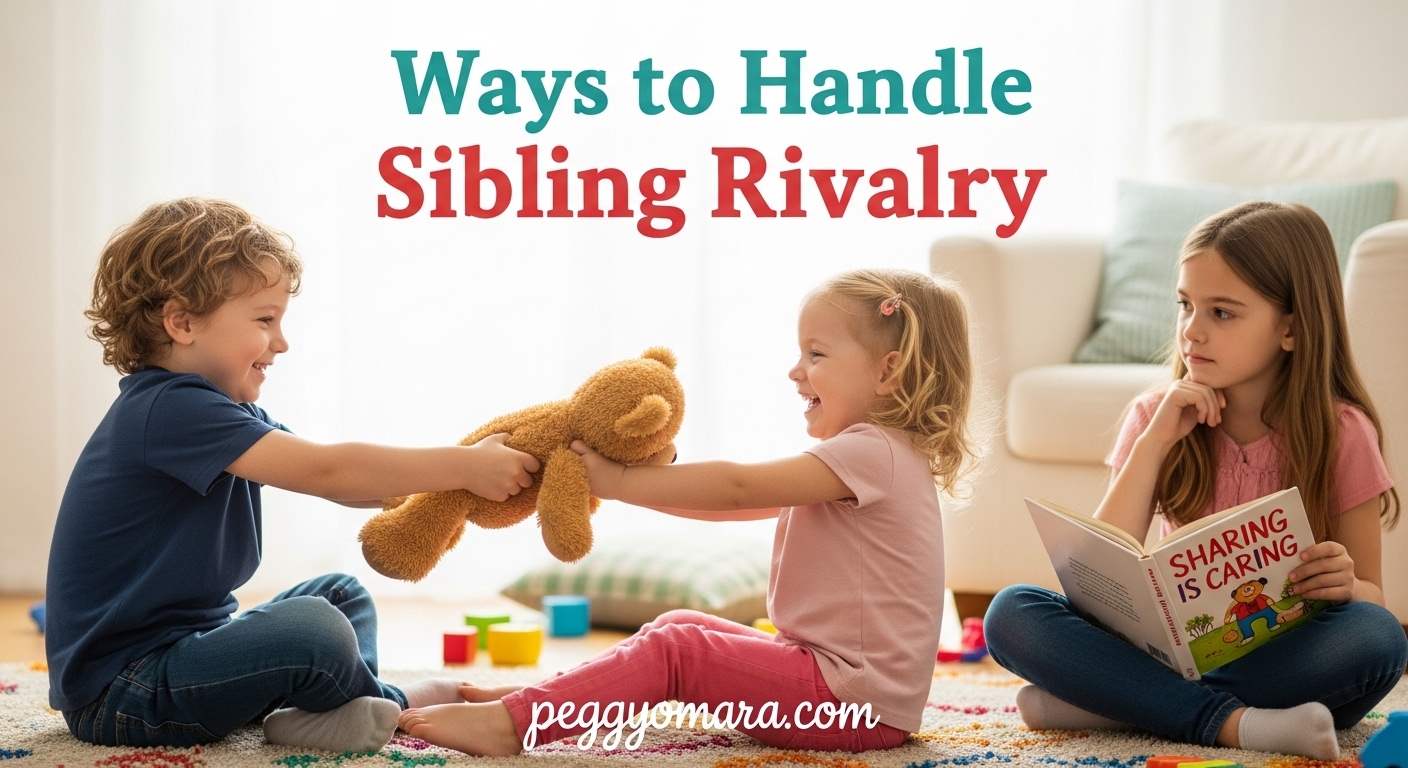
Sibling rivalry is exhausting. One minute your kids are playing peacefully, the next they’re screaming over who touched whose toy. As a parent, you might wonder if this constant conflict is normal or if you’re doing something wrong.
Sibling rivalry is completely normal. In fact, it’s one of the most common challenges parents face. But that doesn’t mean you have to just tolerate it. With the right strategies, you can reduce conflict and help your children build stronger relationships that last a lifetime.
In this guide, I’ll share proven techniques for handling sibling rivalry based on child development research and real parent experiences. Whether you’re dealing with toddler tantrums or teenage arguments, these strategies will help you create a more peaceful home.
Table of Contents
Quick Read: Key Takeaways
Here’s what you need to know about handling sibling rivalry:
- Sibling rivalry stems from competition for attention, resources, and recognition
- Set clear ground rules and consequences that apply to everyone
- Treat children fairly based on their needs, not equally in all things
- Spend one-on-one time with each child regularly
- Avoid comparing siblings, even in positive ways
- Teach problem-solving skills rather than solving conflicts for them
- Stay calm and model the behavior you want to see
Understanding Sibling Rivalry
Sibling rivalry is the competition, jealousy, and conflict that occurs between brothers and sisters as they compete for parental attention, resources, and status within the family. It can show up as arguing, physical fighting, tattling, or competitive behavior.
Some degree of sibling conflict is completely normal and even healthy. It gives children opportunities to learn negotiation, compromise, and conflict resolution. However, when rivalry becomes constant, intense, or involves physical harm, it can damage relationships and family dynamics.
Most parents think sibling rivalry is a behavior problem. It’s not. It’s a skill problem. Sharing is a skill. Waiting is a skill. Handling “no” from a sibling is a skill. When we view rivalry through this lens, we can focus on teaching instead of just punishing.
The Psychology Behind Sibling Rivalry (2026)
Understanding why sibling rivalry happens can help you address it more effectively. Several factors contribute to competition between siblings.
Birth Order and Family Position
Firstborn children often struggle with sharing attention after being the sole focus. Younger siblings may feel overshadowed by older, more capable siblings. Middle children sometimes feel squeezed between the achiever firstborn and the “baby” of the family. Each position comes with its own challenges.
Competition for Limited Resources
Children compete for your time, attention, affection, toys, space, and privileges. When resources feel scarce, rivalry increases. This doesn’t mean you need to give each child equal time. It means ensuring each child feels seen and valued.
Developmental Stages and Temperament
A two-year-old and a six-year-old have vastly different needs and abilities. Younger children struggle with impulse control. Older children may resent having to accommodate younger siblings. Add different temperaments into the mix, and conflict becomes almost inevitable.
Perceived Favoritism
Children are incredibly sensitive to perceived unfairness. Even well-meaning parents can accidentally favor one child without realizing it. Labels like “the smart one” or “the funny one” can create competition and resentment.
How to Handle Sibling Rivalry: 10 Practical Strategies
These evidence-based strategies will help you reduce sibling conflict and create a more harmonious home. I’ve organized them from foundational approaches to specific techniques.
1. Set Clear Ground Rules
Children need to know exactly what’s expected of them. Create simple, specific rules that apply to everyone. “Be nice” is too vague. “No hitting, no name-calling, ask before borrowing” gives clear boundaries.
Involve your children in creating these rules when possible. When kids help establish boundaries, they’re more likely to follow them. Post the rules somewhere visible and review them regularly.
2. Treat Fairly, Not Equally
This is one of the most important concepts in handling sibling rivalry. Fair means giving each child what they need. Equal means giving everyone the exact same thing.
A ten-year-old doesn’t need the same bedtime as a four-year-old. One child might need more help with homework while another needs more physical activity time. Explain this distinction to your children: “Fair means everyone gets what they need, not that everyone gets the same thing.”
3. Spend Individual Time With Each Child
One-on-one time is powerful. Even fifteen minutes of focused attention can fill a child’s emotional tank and reduce attention-seeking behavior. This doesn’t have to be elaborate. Reading a book together, going for a walk, or sharing a special snack can be enough.
Schedule this time consistently. When children know they have guaranteed individual time with you, they’re less likely to compete for attention throughout the day.
4. Avoid Comparisons
Never compare siblings, even in positive ways. “Why can’t you be more organized like your sister?” hurts just as much as overt criticism. Comparisons create competition and resentment.
Also avoid labeling children as “the smart one,” “the athletic one,” or “the creative one.” These labels limit children and create pressure to maintain their assigned role. Celebrate each child’s unique strengths without contrasting them against siblings.
5. Practice Active Ignoring
Not every conflict needs your intervention. Sometimes the best response is no response. When siblings bicker over something minor, try active ignoring. Stay nearby but don’t engage.
This works because children often fight for your attention. When you don’t provide an audience, the behavior becomes less rewarding. Of course, step in immediately if there’s physical danger or emotional harm.
6. Teach Problem-Solving Skills
Don’t play judge. Instead, act as a mediator. When conflict arises, help your children work through it themselves. Ask questions like: “What happened?” “How did that make you feel?” “What could you do differently next time?”
Give them tools for negotiation. “I statements” help: “I feel upset when you take my toys without asking.” Teaching compromise and turn-taking gives children skills they’ll use for life.
7. Use Positive Reinforcement
Catch them being good. When you see siblings sharing, cooperating, or playing peacefully, acknowledge it. “I noticed you let your brother choose the game first. That was kind.”
Specific praise is more effective than general praise. Focus on the behavior you want to see more of. Over time, this positive attention shapes behavior more effectively than constant correction.
8. Stay Calm and Model Respect
Your children are watching how you handle conflict. When you stay calm during their arguments, you model emotional regulation. When you speak respectfully to them and your partner, you show them how to communicate.
This is hard. It’s natural to feel triggered when your kids fight. But remember: you can’t calm a storm by joining it. Take a breath before responding. Your calm presence helps everyone regulate.
9. Create Shared Experiences
Give your children opportunities to connect positively. Family activities, shared projects, and cooperative games build bonds. When siblings work together toward a common goal, they develop teamwork skills.
Encourage them to be on the same team sometimes. Whether it’s building a fort, cooking together, or playing against parents in a board game, shared experiences create positive memories that outweigh conflicts.
10. Hold Family Meetings
Regular family meetings give everyone a voice. Use this time to discuss concerns, celebrate wins, and plan activities. Let each child share something they’re proud of and something they’re struggling with.
These meetings work best when held at a calm time, not right after a conflict. They teach communication skills and help everyone feel heard. Even young children can participate with help.
Age-Specific Approaches to Sibling Rivalry
What works for toddlers won’t work for teenagers. Here are strategies tailored to different developmental stages.
Toddlers and Preschoolers (Ages 1-5)
At this age, children lack impulse control and sharing skills. Supervision is essential. Use visual timers for turns. Keep special toys in separate spaces if sharing is too hard.
Simplify language. “Gentle hands” is clearer than a long explanation about why hitting hurts. Redirect when possible. Distraction works wonders with young children.
School-Age Children (Ages 6-12)
Children this age can understand rules and consequences. They’re ready to learn negotiation and compromise. Encourage them to work out minor conflicts independently.
Provide opportunities for separate activities and friends. School-age children need individual identity development alongside family connection.
Teenagers (Ages 13-18)
Teen rivalry often involves competition for privacy, independence, and parental trust. Respect their need for space. Avoid comparing academic or social achievements.
Give teens more say in family rules and consequences. They’re developing adult reasoning skills and appreciate being treated with respect.
Adult Sibling Rivalry
Sibling rivalry doesn’t always end in childhood. Adult siblings may compete over parental attention, inheritance, or parenting styles. Old patterns persist into adulthood.
For adult siblings, therapy can help uncover deep-seated patterns. Setting boundaries with family members, examining your own role in conflicts, and working on individual healing are important steps.
When to Seek Professional Help
Most sibling rivalry responds to consistent parenting strategies. But sometimes professional support is needed.
Consider seeking help if:
- Conflicts are constant and disrupt family functioning
- There’s physical violence or threats of harm
- One child is consistently victimized by another
- Rivalry is causing depression, anxiety, or behavioral problems
- Conflicts are escalating despite your best efforts
- A new sibling, divorce, or trauma has triggered intense reactions
Family therapists, child psychologists, and parenting coaches can provide additional tools and support. There’s no shame in asking for help.
Frequently Asked Questions
What age is sibling rivalry the worst?
Sibling rivalry typically peaks between ages 4 and 8, when children are old enough to compete but still developing emotional regulation skills. However, the intensity varies by family. Many parents find the toddler-preschool transition especially challenging as the older child adjusts to sharing attention. Teen years can bring new forms of rivalry around independence and parental trust.
What causes sibling rivalry in adulthood?
Adult sibling rivalry often stems from unresolved childhood competition that continues into present-day conflicts. Common triggers include: perceived parental favoritism that persists into adulthood, competition over caregiving responsibilities for aging parents, disputes over inheritance or family assets, differing parenting styles that lead to judgment, and continued comparison of life achievements. Old family roles and labels often persist unconsciously.
How do I handle sibling rivalry?
To handle sibling rivalry effectively: set clear ground rules for all children, spend one-on-one time with each child regularly, avoid comparing siblings, treat children fairly based on their individual needs rather than equally in all things, teach problem-solving skills instead of solving conflicts for them, use positive reinforcement when you see good behavior, stay calm and model respectful communication, and consider holding regular family meetings to address concerns.
How to deal with a competitive older sister?
When dealing with a competitive older sister, validate both children’s feelings while setting boundaries on harmful competition. Avoid comparisons and praise each child’s individual efforts rather than outcomes. Give the younger child opportunities to shine in areas where they excel. Teach the older sibling that relationships aren’t zero-sum games. Ensure both children get individual attention so neither feels they must compete for your love. Consider family activities where they work together rather than compete.
Conclusion: Creating Peace at Home
Learning how to handle sibling rivalry takes time and patience. There will be setbacks. Some days will be harder than others. That’s completely normal.
The goal isn’t to eliminate all conflict. It’s to teach your children the skills they need to navigate disagreements respectfully. You’re not just stopping fights in the moment. You’re building relationship skills that will serve them for life.
Start with one or two strategies that resonate with you. Consistency matters more than perfection. Over time, you’ll see progress. Your children will learn to communicate, compromise, and maybe even become friends.