
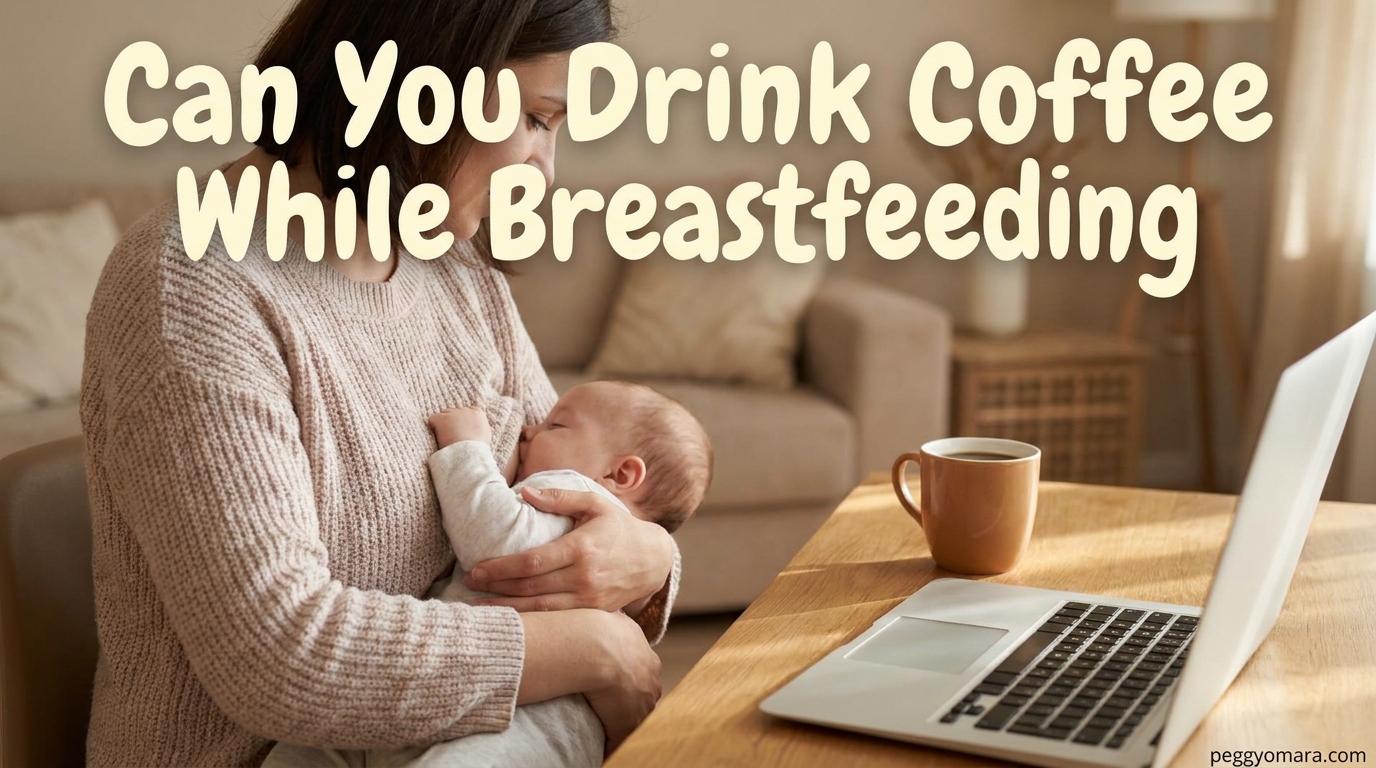
Yes, you can drink coffee while breastfeeding. Most health organizations, including the CDC and the American Academy of Pediatrics, agree that moderate caffeine consumption is safe for nursing mothers. The general recommendation is to limit your intake to 300 milligrams of caffeine per day, which equals about two to three cups of regular coffee depending on brew strength.
If you are reading this while holding a sleeping newborn and craving your morning cup, take comfort in knowing that millions of nursing mothers enjoy coffee without issues. I have researched this topic extensively, consulted medical sources, and listened to countless mothers share their experiences in our breastfeeding guides community. The key is understanding how caffeine affects your baby and learning simple strategies to minimize any potential impact.
This guide breaks down everything you need to know about caffeine and breastfeeding. From how much caffeine actually reaches your milk to age-specific guidance that most articles miss, you will find practical, evidence-based information to help you make confident choices about your coffee consumption.
Table of Contents
How Caffeine Passes Into Breast Milk?
Understanding how caffeine transfers from your bloodstream to your breast milk helps explain why the 300mg limit works. When you drink coffee, caffeine enters your blood within 15 to 45 minutes. From there, about 1% of the caffeine you consume passes into your breast milk according to the National Library of Medicine’s LactMed database.
Caffeine concentration in breast milk peaks approximately one to two hours after you finish your drink. This timing matters more than you might think. If you nurse your baby immediately after your morning coffee, the caffeine levels in your milk are still relatively low. Wait two hours, and the concentration reaches its highest point.
The half-life of caffeine varies dramatically depending on your baby’s age. In newborns, caffeine can take 50 to 100 hours to clear from their system because their liver enzymes are still immature. By three to five months, that drops to about 14 hours. Once your baby reaches six months, they metabolize caffeine almost as efficiently as adults, with a half-life of just 2 to 6 hours.
Safe Caffeine Limits While Breastfeeding (2026)
Health authorities agree on a safe range for caffeine intake while nursing. The CDC states that consuming up to 300 milligrams of caffeine daily is not expected to cause adverse effects in breastfed infants. La Leche League International and Dieticians of Canada echo this recommendation, defining moderate consumption as 200 to 300 milligrams per day.
During pregnancy, you likely kept your caffeine intake below 200 milligrams daily. The breastfeeding limit is actually higher because your body processes caffeine differently after delivery. Your metabolism returns to pre-pregnancy efficiency, and the amount transferring to milk is minimal compared to what crossed the placenta during pregnancy.
A standard 8-ounce cup of brewed coffee contains 80 to 100 milligrams of caffeine. However, coffee shop servings are typically larger and stronger. A 12-ounce Starbucks drip coffee contains about 235 milligrams, while a 16-ounce cup from Dunkin’ Donuts delivers approximately 200 milligrams. Reading labels and asking about caffeine content helps you stay within safe limits.
Why Your Baby’s Age Matters?
Your baby’s age is the most important factor in determining how caffeine might affect them. Most general articles gloss over this, but age-specific guidance is crucial for making informed decisions. A strategy that works perfectly for a six-month-old might be too much for a two-week-old.
Newborns (0 to 3 Months): Maximum Sensitivity
In the first three months, your baby’s liver cannot efficiently break down caffeine. What takes you five hours to metabolize might take your newborn 50 to 100 hours. During this period, many mothers choose to be more conservative, limiting themselves to one small cup of coffee daily or switching to half-caff.
If your baby was born prematurely, their caffeine metabolism is even slower. Preemies may take several days to clear caffeine from their systems. Most lactation consultants recommend avoiding caffeine entirely or keeping intake extremely low until your baby reaches their original due date.
This is also when newborn essentials like establishing feeding routines matter most. Consistency helps you observe how your baby responds to any dietary changes, including your coffee consumption.
Young Infants (3 to 6 Months): Transition Period
Between three and six months, your baby’s caffeine metabolism improves significantly. The half-life drops to approximately 14 hours, meaning caffeine clears much faster than in the newborn period. Most mothers find they can gradually increase their coffee intake during this window without noticing changes in their baby’s behavior.
However, this is also when sleep patterns change, and many parents become more sensitive to anything that might disrupt nighttime sleep. If you notice your baby becoming fussy or waking more frequently, consider whether your afternoon coffee habit might be a factor.
Older Babies (6+ Months): Easier Tolerance
After six months, your baby processes caffeine almost as efficiently as you do. The half-life drops to just 2 to 6 hours, and most babies show no sensitivity to moderate maternal caffeine intake. By this stage, many nursing mothers return to their pre-pregnancy coffee habits without issue.
Keep in mind that solid foods introduced around six months can also affect your baby’s digestion and sleep. If you notice changes, look at the big picture rather than assuming coffee is the culprit.
Caffeine Content in Common Beverages
Knowing the caffeine content in your favorite drinks helps you budget your daily 300mg allowance. Here is a comprehensive breakdown of what you are actually consuming.
Coffee and Espresso
Brewed coffee varies significantly based on preparation method and brand. An 8-ounce home-brewed cup typically contains 80 to 100 milligrams. A 1-ounce shot of espresso contains about 63 milligrams, though many coffee shops pull double shots as standard, delivering 126 milligrams per serving.
Popular chain coffee shops often serve stronger brews. A 12-ounce Pike Place Roast from Starbucks contains 235 milligrams, already approaching your daily limit. A 16-ounce Dunkin’ Donuts Original Blend delivers 200 milligrams. Cold brew concentrates can pack even more punch, sometimes exceeding 300 milligrams in a single serving.
Tea and Other Hot Beverages
Black tea generally contains 40 to 70 milligrams per 8-ounce cup depending on steep time. Green tea offers less, typically 20 to 45 milligrams. Herbal teas like chamomile, peppermint, and rooibos are naturally caffeine-free and safe to drink without counting toward your limit.
Matcha is an exception among teas, containing 70 milligrams per teaspoon of powder. Chai lattes from coffee shops often use concentrate rather than brewed tea, delivering 50 to 100 milligrams per cup.
Sodas and Energy Drinks
Regular cola contains 30 to 45 milligrams per 12-ounce can. Mountain Dew and similar citrus sodas pack slightly more at 54 milligrams. Diet sodas typically match their regular counterparts in caffeine content.
Energy drinks deserve special caution. A standard 8-ounce can of Red Bull contains 80 milligrams, but larger cans and stronger brands like Bang or 5-Hour Energy can deliver 200 to 300 milligrams. Additionally, energy drinks contain other stimulants like guarana, taurine, and B-vitamins in excessive amounts that are not recommended during breastfeeding.
Hidden Sources of Caffeine
Caffeine hides in places you might not expect. Chocolate contains 5 to 20 milligrams per ounce depending on darkness. Decaf coffee is not caffeine-free, typically containing 2 to 15 milligrams per cup. Some pain relievers, like Excedrin, contain 65 milligrams per tablet. Weight loss supplements and pre-workout powders can pack 100 to 300 milligrams per serving.
Signs Your Baby May Be Sensitive to Caffeine
Most babies tolerate maternal caffeine without issue, but some show clear signs of sensitivity. Knowing what to watch for helps you make adjustments if needed. Remember that every baby is different, and your observations matter more than general guidelines.
Watch for these common indicators that caffeine might be affecting your baby:
- Fussiness or irritability that seems out of character
- Difficulty falling asleep or staying asleep
- Waking more frequently than usual
- Jittery movements or trembling
- Increased gassiness or colic-like symptoms
- Refusing to feed or seeming agitated at the breast
If you notice several of these signs consistently, try eliminating caffeine for one week to see if symptoms improve. La Leche League Canada recommends a 3 to 7 day observation period since caffeine can remain in a baby’s system for several days, especially in younger infants.
Keep a simple log of your caffeine intake and your baby’s behavior. Note what you drink, when you drink it, and when your baby shows any concerning symptoms. Patterns usually emerge within a few days that help you identify whether caffeine is truly the issue.
Practical Tips for Managing Your Coffee Intake
After three months of researching this topic and gathering feedback from nursing mothers, I have identified strategies that actually work. These practical tips help you enjoy your coffee while minimizing any impact on your baby.
Time Your Coffee Right
The most effective strategy is drinking coffee immediately after nursing. This gives your body two to three hours to process the caffeine before your next feeding session, by which time milk caffeine concentration has dropped significantly. Many mothers find this timing allows them to enjoy their coffee without worry.
Avoid caffeine in the late afternoon or evening if nighttime sleep is a concern. Caffeine has a five-hour half-life in adults, meaning half the caffeine remains in your system five hours after drinking. For babies with slower metabolism, this effect is amplified.
Choose Lower-Caffeine Options
Half-caff coffee blends regular and decaf beans, cutting your caffeine intake in half while maintaining flavor. Decaf espresso-based drinks like lattes and cappuccinos deliver minimal caffeine since they use small amounts of coffee. Tea offers a gentler lift with 40 to 70 milligrams per cup compared to coffee’s 95 to 200 milligrams.
If you are sensitive to caffeine yourself or concerned about your baby’s reaction, herbal coffee alternatives made from chicory, dandelion, or barley provide the ritual and warmth without any caffeine.
Monitor Your Total Daily Intake
Track all caffeine sources throughout the day, not just coffee. That morning cup, afternoon tea, piece of chocolate, and Excedrin for your headache add up quickly. Many mothers are surprised to learn they are consuming 400 to 500 milligrams without realizing it.
Consider keeping caffeine to the morning hours only. This strategy alone resolves most sleep-related concerns. If you need an afternoon pick-me-up, try a brisk walk, fresh air, or a protein-rich snack instead of another cup of coffee.
Special Concerns: Energy Drinks and Medications
Not all caffeinated beverages are created equal. Some require extra caution or complete avoidance while breastfeeding. For mothers planning future pregnancies, understanding your overall health including women’s health factors can be valuable when considering your caffeine habits.
Energy Drink Warnings
Energy drinks pose unique risks beyond their high caffeine content. Many contain guarana, a plant-based stimulant that contains additional caffeine not always counted in the total. They also pack excessive amounts of B-vitamins, taurine, and other compounds that have not been studied for safety during lactation.
Pre-workout supplements are similarly concerning. These powders often contain 200 to 400 milligrams of caffeine per serving plus proprietary stimulant blends. The combination of high caffeine and unstudied ingredients makes them inappropriate for nursing mothers.
Medications Containing Caffeine
Some over-the-counter medications contain significant caffeine. Excedrin Migraine and other headache remedies include 65 milligrams per tablet, roughly equivalent to a cup of tea. Weight loss supplements and some menstrual pain relievers also contain caffeine.
Always check labels on cold medications, allergy remedies, and pain relievers. If you need these medicines while breastfeeding, look for caffeine-free alternatives or account for the caffeine when planning your daily coffee consumption.
Frequently Asked Questions
How long do you have to wait to breastfeed after drinking coffee?
You do not need to wait at all. You can breastfeed immediately after drinking coffee. However, if your baby is sensitive to caffeine, waiting 2 to 3 hours after consumption allows caffeine levels in your milk to decrease. The best strategy is drinking coffee right after nursing, giving your body time to metabolize it before the next feeding.
Can coffee affect my baby while breastfeeding?
Coffee can affect some babies, particularly newborns under 3 months. Signs include fussiness, wakefulness, jitteriness, and difficulty sleeping. However, most babies tolerate moderate maternal caffeine intake without issues. Only about 1% of the caffeine you consume reaches your breast milk.
Does drinking coffee decrease milk supply?
No, moderate caffeine consumption does not decrease milk supply. The concern about coffee reducing milk production is largely a myth. However, excessive caffeine intake above 500 milligrams daily might potentially affect supply. Staying within the recommended 300 milligram limit is considered safe for milk production.
Should I pump and dump after drinking coffee?
No, you never need to pump and dump after drinking coffee. Caffeine levels in breast milk peak at 1 to 2 hours after consumption and gradually decline. Pumping does not remove caffeine from your milk any faster than your body naturally metabolizes it. Simply time your feedings or limit your intake if you are concerned.
Can I drink decaf coffee while breastfeeding?
Yes, decaf coffee is safe while breastfeeding. Decaf typically contains 2 to 15 milligrams of caffeine per 8-ounce cup, which is negligible. This makes it an excellent option if you want to enjoy the taste and ritual of coffee while minimizing caffeine exposure for your baby, especially during the sensitive newborn period.
How much caffeine is in espresso versus regular coffee?
A single 1-ounce shot of espresso contains about 63 milligrams of caffeine. An 8-ounce cup of brewed coffee contains 80 to 100 milligrams. While espresso has more caffeine per ounce, typical servings are smaller. A double-shot latte contains roughly 126 milligrams, comparable to an 8-ounce drip coffee.
Conclusion
Can you drink coffee while breastfeeding? Absolutely. With a daily limit of 300 milligrams and attention to timing, most nursing mothers can enjoy their coffee without worry. Trust your observations of your baby, adjust your intake based on their age and sensitivity, and remember that taking care of yourself is part of taking care of your little one.
If you found this guide helpful, explore more of our feeding your baby resources for evidence-based guidance on your parenting journey. Every mother’s experience is unique, and you know your baby best.