
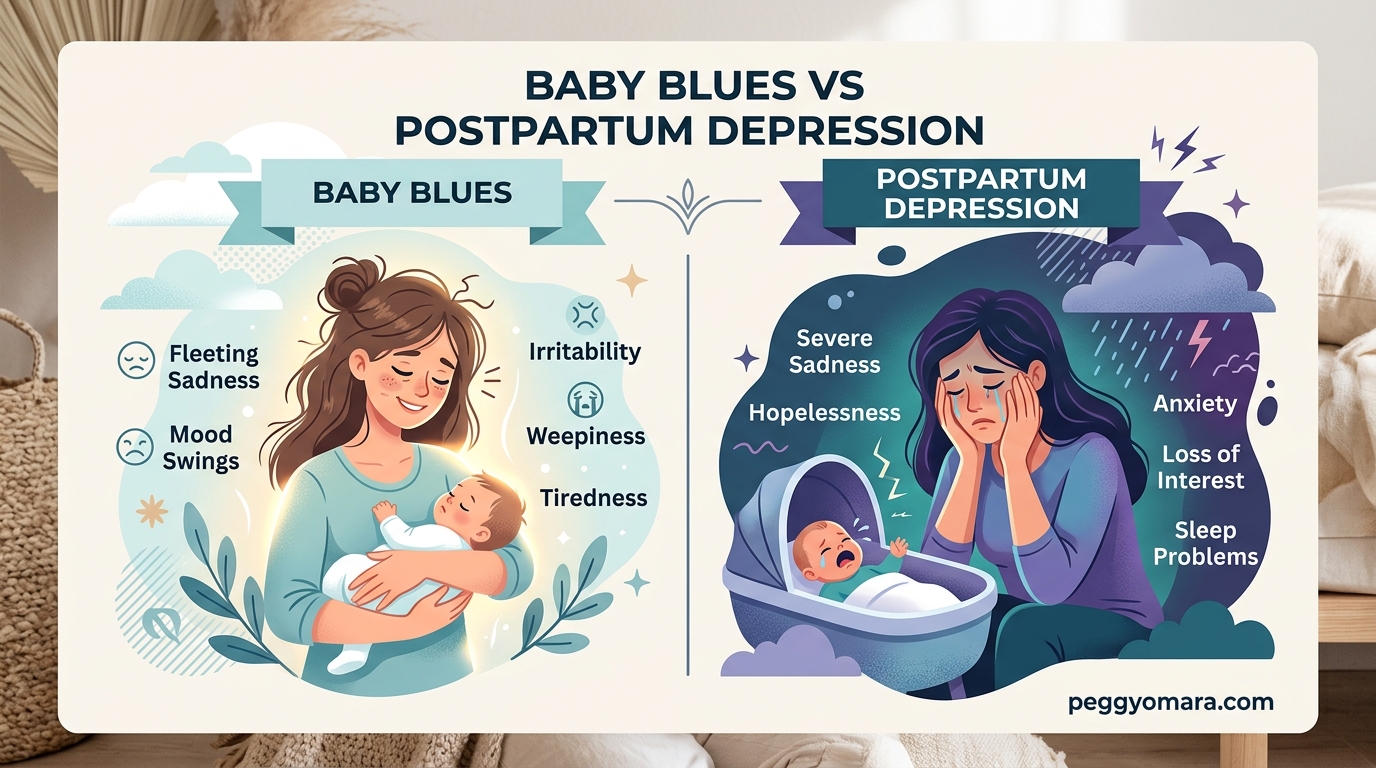
If you’re feeling overwhelmed, tearful, or emotionally drained after having a baby, you’re not alone. Most new parents experience some form of mood changes in the weeks following childbirth. The key question many face is whether what they’re experiencing is normal or something that needs professional attention. Understanding the difference between baby blues and postpartum depression can help you know when to reach out for support.
Baby blues affect up to 80% of new mothers and typically resolve within two weeks. Postpartum depression, on the other hand, affects about 1 in 8 new parents and can last for months without treatment. The critical distinction lies in both duration and severity.
This guide will help you recognize the signs of each condition, understand what causes them, and know exactly when to seek help. Whether you’re experiencing these feelings yourself or supporting someone who is, this information can make a meaningful difference in navigating the fourth trimester.
Table of Contents
The Difference Between Baby Blues and Postpartum Depression (October 2026)
The most important distinction between baby blues and postpartum depression comes down to time and intensity. Baby blues are temporary mood swings that appear within a few days after delivery and fade on their own within two weeks. Postpartum depression persists beyond that two-week mark and interferes significantly with daily functioning.
Think of baby blues as your mind and body adjusting to the dramatic changes of new parenthood. Your hormones are shifting rapidly, sleep is fragmented, and you’re adapting to a completely new routine. These feelings are uncomfortable but manageable.
Postpartum depression represents a more serious shift. The sadness doesn’t lift. The anxiety doesn’t ease. Simple tasks feel impossible. This condition requires professional intervention, and seeking help is one of the strongest things you can do for yourself and your baby.
What Are Baby Blues?
Baby blues are mild, temporary emotional changes that occur in the first few days to two weeks after childbirth. Up to 80% of new mothers experience this phenomenon, making it one of the most common postpartum experiences. If you’re feeling weepy, anxious, or unusually emotional during this window, you’re experiencing something completely normal.
Baby Blues Symptoms and Duration
The symptoms of baby blues typically appear within 2-3 days after delivery and may include:
- Mood swings that shift quickly from happy to sad
- Unexpected crying spells or feeling weepy
- Anxiety about caring for your newborn
- Irritability or feeling easily frustrated
- Difficulty sleeping even when you have the opportunity
- Feeling overwhelmed by new responsibilities
- Reduced concentration or mental fog
These symptoms usually peak around day 4-5 postpartum and gradually improve. By the two-week mark, most parents report feeling significantly better. The key characteristic of baby blues is that the difficult moments come in waves between periods of relative calm or even joy.
What Causes Baby Blues
The primary driver of baby blues is the dramatic hormonal shift that occurs after delivery. During pregnancy, estrogen and progesterone levels increase dramatically. After birth, these hormone levels drop sharply within 24-48 hours. This hormonal crash affects brain chemistry and mood regulation.
Other contributing factors include sleep deprivation, physical recovery from childbirth, the demands of breastfeeding or formula feeding, and the psychological adjustment to becoming a parent. The combination of physical, hormonal, and emotional changes creates a perfect storm for temporary mood disruption.
What Is Postpartum Depression
Postpartum depression is a clinical mood disorder that affects approximately 1 in 8 new parents. Unlike baby blues, postpartum depression persists beyond the two-week mark and significantly impairs daily functioning. This condition can develop anytime within the first year after childbirth, though it most commonly appears in the first 3 months.
Medically, postpartum depression falls under the category of perinatal depression, which includes depression during pregnancy and up to 12 months postpartum. Some professionals use the term peripartum depression to emphasize that it can begin before delivery as well.
Postpartum Depression Symptoms
The symptoms of postpartum depression are more severe and persistent than baby blues. They include:
- Persistent sadness, hopelessness, or emptiness that doesn’t lift
- Severe mood swings that interfere with relationships
- Excessive crying or inability to cry
- Difficulty bonding with your baby or feeling disconnected
- Withdrawing from family and friends
- Loss of interest in activities you once enjoyed
- Changes in appetite (eating too much or too little)
- Insomnia or sleeping too much
- Overwhelming fatigue or loss of energy
- Intense irritability or anger
- Feelings of worthlessness, shame, or guilt
- Inability to think clearly or make decisions
- Severe anxiety or panic attacks
- Thoughts of harming yourself or your baby
Many parents describe postpartum depression as a constant, heavy darkness rather than the waves of emotion associated with baby blues. The feelings don’t alternate with good moments. They persist and deepen over time without intervention.
How Long Does Postpartum Depression Last
Without treatment, postpartum depression can last for months or even longer than a year. The condition rarely resolves on its own and may worsen over time. Untreated postpartum depression can affect your ability to parent, strain relationships, and impact your baby’s development.
With appropriate treatment, most parents see significant improvement within weeks. Early intervention leads to faster recovery and better outcomes for both parent and child.
Postpartum Psychosis: A Different Condition
It’s important to distinguish postpartum depression from postpartum psychosis, which is a rare but severe condition affecting about 1 in 1,000 new mothers. Postpartum psychosis involves a break from reality, including delusions, hallucinations, paranoia, and severe confusion. This is a medical emergency requiring immediate intervention.
Side-by-Side Comparison: Baby Blues vs. Postpartum Depression
Understanding the key differences at a glance can help you assess your own situation or support someone you care about. Here’s how these two conditions compare:
Duration:
- Baby Blues: 2-3 days up to 2 weeks
- Postpartum Depression: Longer than 2 weeks, can persist for months without treatment
Prevalence:
- Baby Blues: 70-80% of new mothers
- Postpartum Depression: 1 in 8 new parents
Symptom Intensity:
- Baby Blues: Mild, comes in waves
- Postpartum Depression: Severe and persistent
Functioning:
- Baby Blues: Can still care for baby and self
- Postpartum Depression: Daily tasks feel overwhelming or impossible
Treatment Needed:
- Baby Blues: Self-care and support, resolves naturally
- Postpartum Depression: Professional treatment (therapy and/or medication)
Onset:
- Baby Blues: Days 2-3 postpartum
- Postpartum Depression: Anytime in first year, typically first 3 months
The two-week threshold is the most practical guideline for distinguishing between these conditions. If symptoms persist beyond two weeks postpartum, it’s time to contact a healthcare provider.
Risk Factors for Postpartum Depression (2026)
While any new parent can develop postpartum depression, certain factors increase the likelihood. Understanding these risk factors can help you be more vigilant if they apply to your situation.
History of Mental Health Conditions: Parents who have experienced depression, anxiety, or bipolar disorder before or during pregnancy have higher rates of postpartum depression. This includes a family history of these conditions.
Previous Postpartum Depression: If you experienced postpartum depression after a previous pregnancy, you have about a 30% chance of experiencing it again. However, knowing this risk allows for preventive planning with your healthcare provider.
Pregnancy and Birth Complications: High-risk pregnancies, traumatic deliveries, premature birth, or health problems in the baby can increase stress and the likelihood of postpartum depression.
Lack of Social Support: Parents without strong support networks from partners, family, or friends face higher risks. Social isolation is a significant contributor to maternal mental health challenges.
Financial Stress: Economic insecurity and concerns about providing for a new baby create substantial psychological burden.
Multiple Births: Parents of twins, triplets, or higher-order multiples face increased demands and higher rates of postpartum depression.
Unwanted or Unplanned Pregnancy: When pregnancy doesn’t align with expectations or readiness, the adjustment to parenthood can be more difficult.
Relationship Problems: Marital or partnership difficulties during pregnancy or postpartum increase depression risk.
Breastfeeding Difficulties: Challenges with feeding can create feelings of failure and inadequacy that contribute to depression.
Postpartum Depression in Partners: Partners can also experience postpartum depression, affecting up to 10% of new fathers or non-birth parents. Their symptoms may include irritability, withdrawal, increased substance use, and physical complaints rather than sadness.
Treatment Options
Treatment approaches differ significantly between baby blues and postpartum depression. Understanding these options can help you make informed decisions about care.
Self-Care for Baby Blues
Since baby blues resolve naturally, the focus is on managing symptoms and supporting yourself through the transition. These strategies can help:
Prioritize Rest: Sleep when your baby sleeps. This common advice exists because it works. Even short naps help regulate mood.
Accept Help: Let others cook, clean, or hold the baby while you shower. You don’t need to do everything yourself.
Connect with Others: Talk to friends, family, or other new parents. Isolation amplifies negative feelings.
Get Fresh Air: Even a brief walk outside can improve mood and reduce anxiety.
Nourish Your Body: Eat regular, balanced meals. Dehydration and low blood sugar worsen mood instability.
Physical Activity: Once cleared by your healthcare provider, gentle postpartum exercise can help with mood. Movement releases endorphins and reduces stress.
Be Gentle with Yourself: Lower your expectations. You’re recovering from a major physical and emotional experience. It’s okay if the house isn’t perfect or if you need to rest.
Medical Treatment for Postpartum Depression
Postpartum depression requires professional intervention. The good news is that treatment is highly effective, and seeking help is the first step toward feeling like yourself again.
Psychotherapy: Talk therapy, particularly cognitive-behavioral therapy (CBT) and interpersonal therapy (IPT), has strong evidence for treating postpartum depression. These approaches help you identify negative thought patterns, develop coping strategies, and address relationship challenges.
Antidepressant Medication: Several medications effectively treat postpartum depression. SSRIs (selective serotonin reuptake inhibitors) and SNRIs (serotonin-norepinephrine reuptake inhibitors) are commonly prescribed. Many are compatible with breastfeeding, and your healthcare provider can discuss specific options that match your situation.
Brexanolone (Zulresso): This FDA-approved treatment specifically for postpartum depression is administered intravenously over 60 hours in a healthcare setting. It’s designed for severe cases and provides rapid relief.
Support Groups: Connecting with other parents experiencing similar challenges reduces isolation and provides practical coping strategies. Postpartum Support International offers virtual and in-person groups nationwide.
Alternative Approaches: Some parents find benefits from acupuncture, meditation, or supplements like omega-3 fatty acids. Always discuss these with your healthcare provider, especially while breastfeeding.
Hospitalization: In severe cases where there’s risk of self-harm or harm to the baby, brief hospitalization may be necessary. This provides intensive support and medication adjustment in a safe environment.
Breastfeeding and Medication
Many breastfeeding parents worry about taking antidepressants. The good news is that most commonly prescribed antidepressants are considered safe during breastfeeding. Medications like sertraline (Zoloft) and paroxetine (Paxil) have extensive safety data for nursing infants.
Your healthcare provider can help you weigh the minimal risks of medication against the significant benefits of treating your depression. Untreated postpartum depression itself can affect your baby through reduced bonding and interaction.
When to Seek Professional Help
Knowing when to reach out can feel confusing, especially when you’re already feeling overwhelmed. Here are clear guidelines to help you decide.
The Two-Week Rule: If your symptoms haven’t improved by two weeks postpartum, contact your healthcare provider. This is the primary threshold for distinguishing baby blues from postpartum depression.
Immediate Help Is Needed If You Experience:
- Thoughts of harming yourself
- Thoughts of harming your baby
- Confusion or disorientation
- Hallucinations or delusions
- Inability to care for your baby’s basic needs
These symptoms require emergency intervention. Call 988, the Suicide and Crisis Lifeline, or go to your nearest emergency room.
Contact Your Healthcare Provider If:
- Sadness persists most of the day, nearly every day
- You can’t sleep even when you have the chance
- Anxiety is preventing you from functioning
- You’re avoiding your baby or feel no connection
- You can’t complete daily tasks like eating or hygiene
- Symptoms are worsening rather than improving
Crisis Resources and Hotlines
Keep these numbers accessible:
988 Suicide and Crisis Lifeline: Call or text 988 for 24/7 confidential support. Available in English and Spanish.
National Maternal Mental Health Hotline: Call 1-833-TLC-MAMA (1-833-852-6262) for 24/7 free, confidential support before, during, and after pregnancy. This service offers counselors who understand perinatal mental health.
Postpartum Support International (PSI): Call 1-800-944-4773 or text 503-894-9453. They offer support groups, provider directories, and warm lines staffed by trained volunteers who have experienced perinatal mood disorders.
Crisis Text Line: Text HOME to 741741 to connect with a crisis counselor.
How Partners Can Help
Partners often notice symptoms before the affected parent does. If you’re concerned about your partner’s mood, express your observations without judgment. Encourage professional help and offer to make appointments or attend them together.
Practical support matters enormously. Taking over nighttime feedings, encouraging rest, and handling household tasks can provide real relief. Your support doesn’t replace professional treatment, but it creates space for recovery.
Frequently Asked Questions
How long did your baby blues last?
Baby blues typically last from 2-3 days up to 2 weeks after childbirth. Most parents notice symptoms peaking around days 4-5 postpartum, then gradually improving. By the two-week mark, symptoms should be significantly diminished or completely resolved. If feelings of sadness, anxiety, or overwhelm persist beyond 2 weeks, this may indicate postpartum depression rather than baby blues, and you should contact your healthcare provider.
How do I know if it’s baby blues or postpartum depression?
The key distinction is duration and severity. Baby blues last up to 2 weeks and involve mild mood swings that come in waves. You can still function and care for your baby. Postpartum depression persists beyond 2 weeks and involves severe, persistent symptoms that interfere with daily life. With PPD, you may feel disconnected from your baby, experience intrusive thoughts, or struggle to complete basic tasks. The two-week threshold is the most reliable guideline for distinguishing between the two conditions.
What causes baby blues?
Baby blues are primarily caused by dramatic hormonal shifts after delivery. During pregnancy, estrogen and progesterone levels rise significantly. After childbirth, these hormones drop sharply within 24-48 hours, affecting brain chemistry and mood regulation. Other contributing factors include sleep deprivation, physical recovery from birth, the demands of caring for a newborn, and the psychological adjustment to parenthood. These combined physical, hormonal, and emotional changes create temporary mood disruption that typically resolves naturally.
How to snap out of postpartum depression?
Postpartum depression doesn’t simply go away on its own and requires professional treatment. Effective approaches include psychotherapy (particularly cognitive-behavioral therapy or interpersonal therapy), antidepressant medication that is often safe for breastfeeding, support groups connecting you with other parents, and self-care strategies. Some cases may benefit from brexanolone (Zulresso), an FDA-approved IV treatment for postpartum depression. The most important step is reaching out to a healthcare provider who can create a treatment plan tailored to your situation. Recovery is absolutely possible with proper support.
Conclusion
Understanding the difference between baby blues and postpartum depression empowers you to recognize what you’re experiencing and take appropriate action. Remember that baby blues, affecting up to 80% of new parents, are temporary and resolve within two weeks. Postpartum depression, while more serious and requiring treatment, is also highly manageable with professional support.
The two-week threshold provides a practical guideline. If symptoms persist beyond this point, or if you’re experiencing severe distress at any time, reaching out for help is the strongest choice you can make. Postpartum depression is not a reflection of your parenting abilities or character. It’s a medical condition with effective treatments available.
If you or someone you love needs immediate support, call 988 or 1-833-TLC-MAMA. These resources are available 24/7, confidential, and staffed by people who understand what you’re going through. You don’t have to navigate this alone, and with the right support, you will feel better.