

A 9,000 BTU ductless mini split is the right size for most bedrooms up to about 350 square feet, and a 12,000 BTU unit covers 400 to 500 square feet. That is the short answer to the question we hear most, and it is the reason the best ductless mini splits for bedrooms are a much narrower field than the general mini split category. Nobody needs 24,000 BTU to sleep comfortably. What a bedroom needs is a quiet inverter unit matched closely to the room, mounted where the air does not blow straight onto the bed, and paired with an outdoor condenser you have somewhere to put.
That last point is where a lot of bedroom plans fall apart. A mini split is two halves: a wall-mounted indoor head that sits in the room, and an outdoor condenser that hangs on a pad or bracket somewhere outside. If you rent, if your association restricts wall penetrations, or if you have no outdoor space at all, no amount of indoor quality will help. In that case a window or portable unit is the honest answer, and we would rather say so than sell you a system you cannot install. Our guide to bedroom mini fridges covers the other half of the sleep setup, if you are building out a room from scratch.
We spent weeks reading spec sheets, warranty terms and owner reviews, and that work narrowed ten systems down to the ones that actually suit a sleeping room. The filter we used was simple: inverter compressor, a rated indoor noise figure low enough to sleep beside, 115V electrical so you avoid a panel upgrade, a real warranty length, and enough documented owner feedback that we can tell you what breaks. What we found is that the difference between a good bedroom unit and a bad one is usually the installation and the documentation, not the compressor.
One bedroom note before we start. Most of these systems run a sleep mode that ramps the fan down and drifts the setpoint over the first hour, and a display-off setting that kills the backlight. Aim the louver upward or away from the pillow, set the room between 65 and 68 degrees, and the unit becomes background rather than the thing you notice. We covered a related setup topic in our picks for desks for teens bedrooms, where the same airflow and noise logic applies to a study nook.
Table of Contents
Top 3 Picks for Best Ductless Mini Splits for Bedrooms in 2026
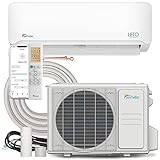
Senville LETO 12,000 BTU
- 20.8 SEER2 DC inverter
- Heat pump rated to 5F
- 16 ft line set included
- 5 year compressor warranty

COSTWAY 12,000 BTU
- 23 dB rated noise
- 20 SEER2
- 115V with no panel work
- 5 year parts and 8 year compressor

DELLA Vario 12,000 BTU
- 20.5 SEER2 DC inverter
- Heating to -4F
- Alexa and app control
- 16.4 ft install kit
All 10 Bedroom Mini Splits at a Glance (September 2026)
Every unit below is a single-zone inverter heat pump that comes with an indoor head, an outdoor condenser and a pre-charged line set. The differences that matter in a bedroom are the noise figure, the electrical requirement, the warranty length and how the room size lines up against the BTU rating.
| Product | Specifications | Action |
|---|---|---|
| Senville LETO 12,000 BTU |
|
Check Latest Price |
| COSTWAY 12,000 BTU |
|
Check Latest Price |
| DELLA Vario 12,000 BTU |
|
Check Latest Price |
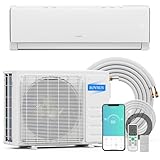 ROVSUN 11,500 BTU ROVSUN 11,500 BTU |
|
Check Latest Price |
 ROVSUN 9,000 BTU ROVSUN 9,000 BTU |
|
Check Latest Price |
 Albott 12,000 BTU Albott 12,000 BTU |
|
Check Latest Price |
 DELLA Econo 11,500 BTU DELLA Econo 11,500 BTU |
|
Check Latest Price |
 Rellytech 9,000 BTU Rellytech 9,000 BTU |
|
Check Latest Price |
 Mountman 9,000 BTU Mountman 9,000 BTU |
|
Check Latest Price |
 GLACER 12,000 BTU GLACER 12,000 BTU |
|
Check Latest Price |
A note on the noise figures above. Two listings in this group publish a rated figure that conflicts with the number in their own feature text, and I flag both where it appears in the review. Where a manufacturer lists two numbers, trust the lower one only if the higher figure is clearly the maximum fan speed.
How We Picked These and What We Could Not Test
We are not a laboratory and we did not put any of these systems through a sound meter or an energy meter. What we did was read every spec listing, cross-check the rated noise, SEER2, voltage, warranty and line-set length against the manual and manufacturer page where one exists, and then read the owner reviews for patterns rather than averages. Our filter for a bedroom was a rated indoor noise figure at or under 30 dB wherever the listing gave one, an inverter compressor, a line set long enough to reach a typical second-floor wall penetration, and a warranty of more than a single year unless the unit was clearly a bare-bones entry model.
What we cannot tell you is how any of these performs in your specific room. Bedrooms vary enormously in glass, orientation and insulation, and a 9,000 BTU unit that struggles in a west-facing top-floor room may be oversized in a north-facing cottage bedroom. That is exactly why we lean on room size and orientation before we lean on brand. Owners on HVAC forums consistently say the same thing we found in the reviews: contractor recommendations and installer familiarity carry more weight than any listicle, and people want a brand they can find a part for a decade from now.
1. Senville LETO 12,000 BTU – Best Overall for a Standard Bedroom
Senville LETO Mini Split Air Conditioner, Heat Pump, White, 12000 BTU
- Very large review base for a bedroom-suitable system
- 20.8 SEER2 inverter
- 16 ft line set is long enough for most bedroom walls
- Heating mode works down to 5F
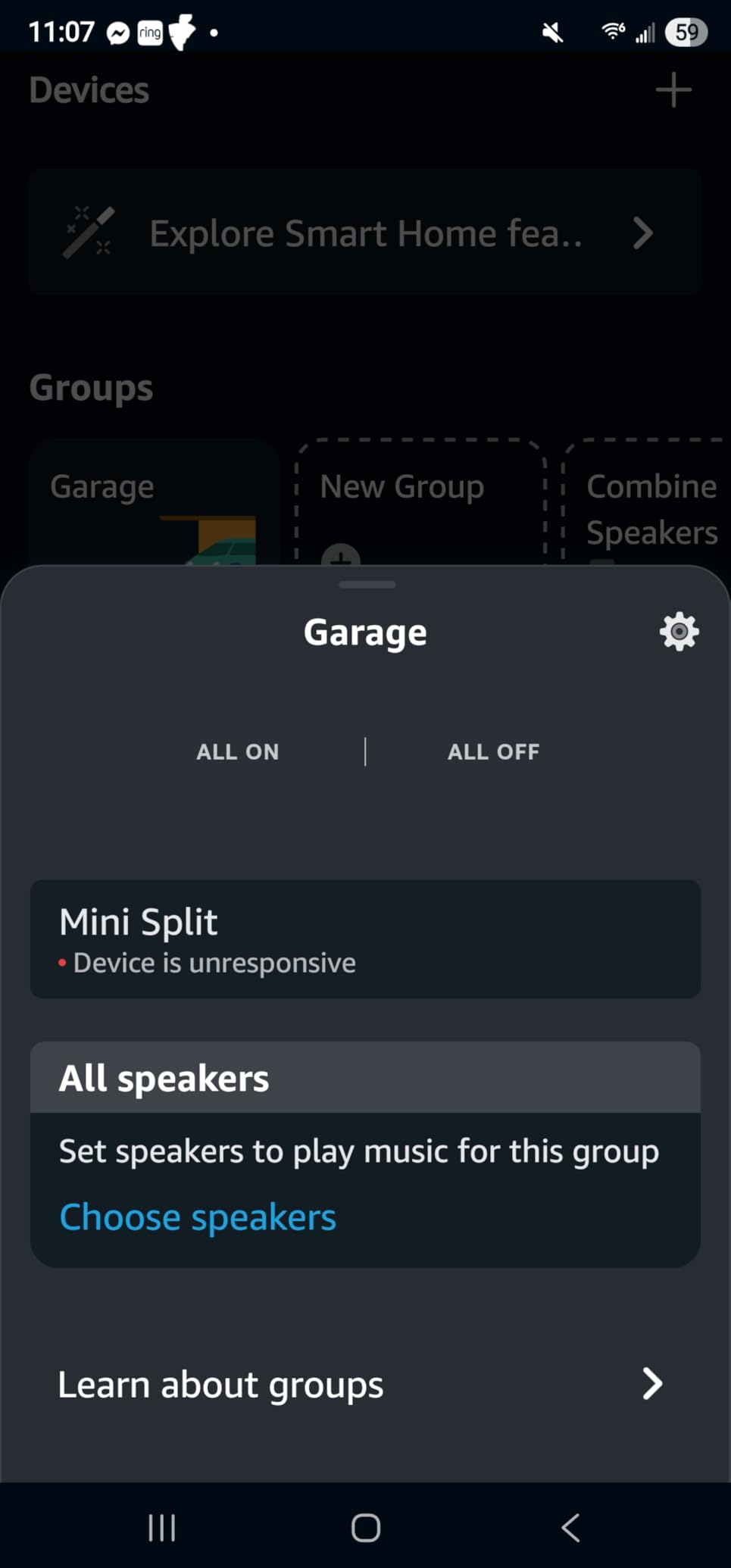
- Alexa and app control
- Professional installation required and labor is not warranty-covered
- Some owners report higher power draw than the SEER2 figure implies
- Deep cold still needs a supplemental heat source for some owners
This is the unit I put at the top of the list for most people, and the reason is the review volume rather than the star rating. With well over two thousand ratings it is the best-documented system in the group, which means the failure modes are known instead of theoretical. It is a 12,000 BTU single-zone inverter rated at 20.8 SEER, it runs on 110 volts, and the heat pump mode is rated to work down to 5 degrees. For a primary bedroom in the 400 to 500 square foot range that is the correct capacity without pushing into oversizing territory.
Owners frequently praise the build quality and the steadiness of the inverter control, which is the thing that actually matters overnight. A fixed-speed compressor cycles on and off audibly. An inverter unit ramps up, holds, and ramps down, and in practice that is the difference between a machine you stop noticing after ten minutes and one you keep listening to. Several owners also point out that the included 16 foot line set is long enough for most bedroom walls, which removes the single most common reason a bedroom install costs more than the equipment.
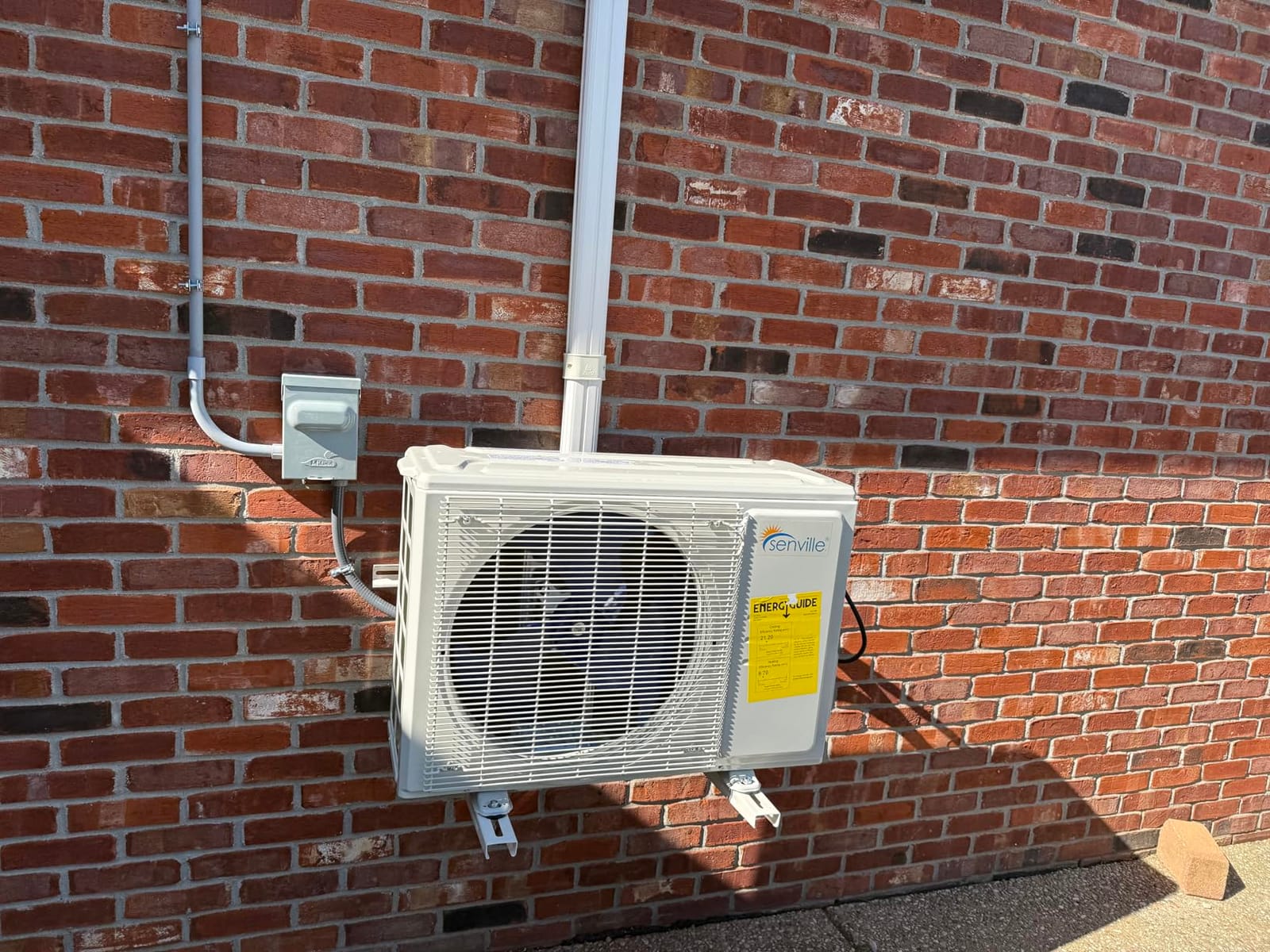
The caveats are real and worth hearing. Installation needs proper line-set vacuuming and electrical work, and the warranty covers parts and compressor, not labor, so a bad install is entirely on the homeowner. Several buyers in the reviews supplement the heat pump with a small space heater when the temperature drops into deep cold, which suggests the 5 degree rating is a comfort figure rather than a capacity figure in a poorly insulated bedroom. A smaller number of owners report power draw and running cost well above what the 20.8 SEER2 label suggests, usually when the room is oversized for the unit.
One more practical detail. This is a 78.3 pound package that arrives as a set, and it uses R-454B refrigerant, which is the newer standard and is what most current residential equipment uses. If you are hiring an installer, ask them to confirm they work with R-454B before the unit arrives, because a technician who has not charged that refrigerant yet may charge you for a call-out.
What to check before you commit
Measure the wall you want the head on and the distance to wherever the condenser will go. If that run is close to 16 feet you are fine with the supplied line set. If it is longer, the refrigerant charge has to be adjusted by a technician, and that is a real cost on top of the equipment.
Also check the electrical. At 110 volts this is one of the simpler bedroom installs available, which is part of why it is our top pick for a first system. You still need a properly sized circuit and a permitted installation in most jurisdictions.
Where it falls short
If your bedroom is very large, or very sunny in the afternoons, a 12,000 BTU unit in a 600 square foot room is at the edge of its range, and the honest fix is a proper load calculation rather than a bigger machine. And if you only need summer cooling, you are paying for heating capacity you will not use, which is a fair trade but worth knowing.
2. COSTWAY 12,000 BTU – Best Value and the Quietest Rated Figure
- Lowest rated indoor noise figure in the group at 23 dB
- 115V so no electrical upgrade
- 5 year parts and 8 year compressor warranty
- Self cleaning cycle and washable filter
- Remote manual is thin on modes and C/F switching
- Auto mode does not accept a set temperature
- Condensate drain routing is not clearly documented
The headline on this one is the 23 decibel indoor rating, which is the lowest published figure among the ten systems we looked at. For a bedroom that is the number that matters most, because at 23 dB the indoor head sits below the level of a quiet bedroom at night. It is also a 115 volt system rated at 20 SEER2, so it avoids the panel work that pushes some 12,000 BTU options into a different budget entirely.
It has five operating modes, four fan speeds, sleep mode, ECO mode, iFEEL and turbo, plus a 0.5 to 24 hour timer and a remote display that shuts itself off after ten seconds of inactivity. That last detail is a small thing that tells you the manufacturer thought about the bedroom use case. Several DIY installers report that the total installed cost landed well below their professional quotes, which is the strongest argument in this group for a competent handyman.
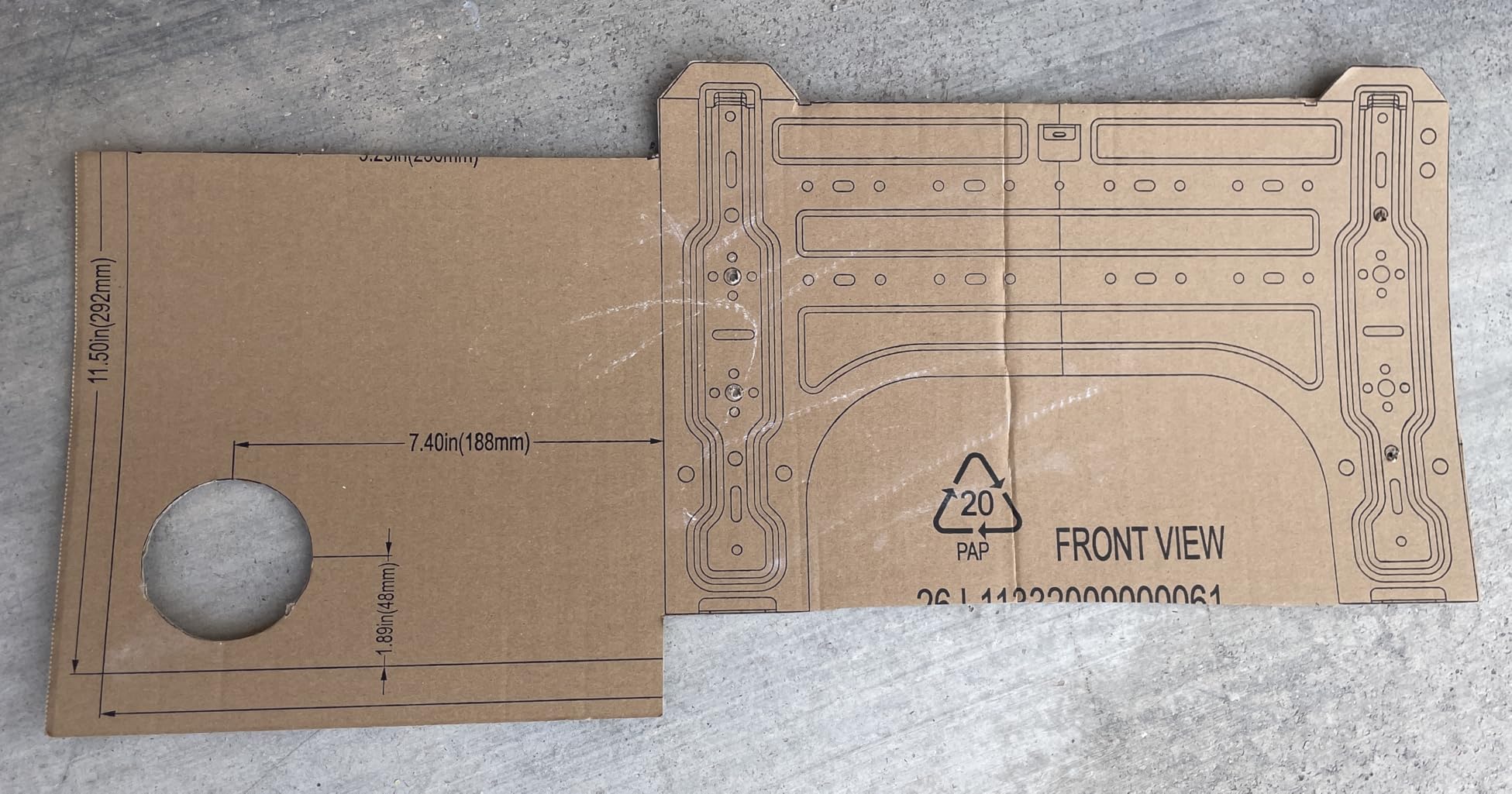
The recurring criticism across the reviews is documentation, not hardware. Owners report that the remote manual does a poor job of explaining the modes or how to switch between Celsius and Fahrenheit, that the auto mode will not accept a set temperature or a fan speed, that the included wall template for the line-set penetration is slightly off from the marked position, and that the condensate drain routing is not clearly explained. A small number of units needed a replacement room temperature sensor, and the manufacturer resolved those with replacements or partial refunds.
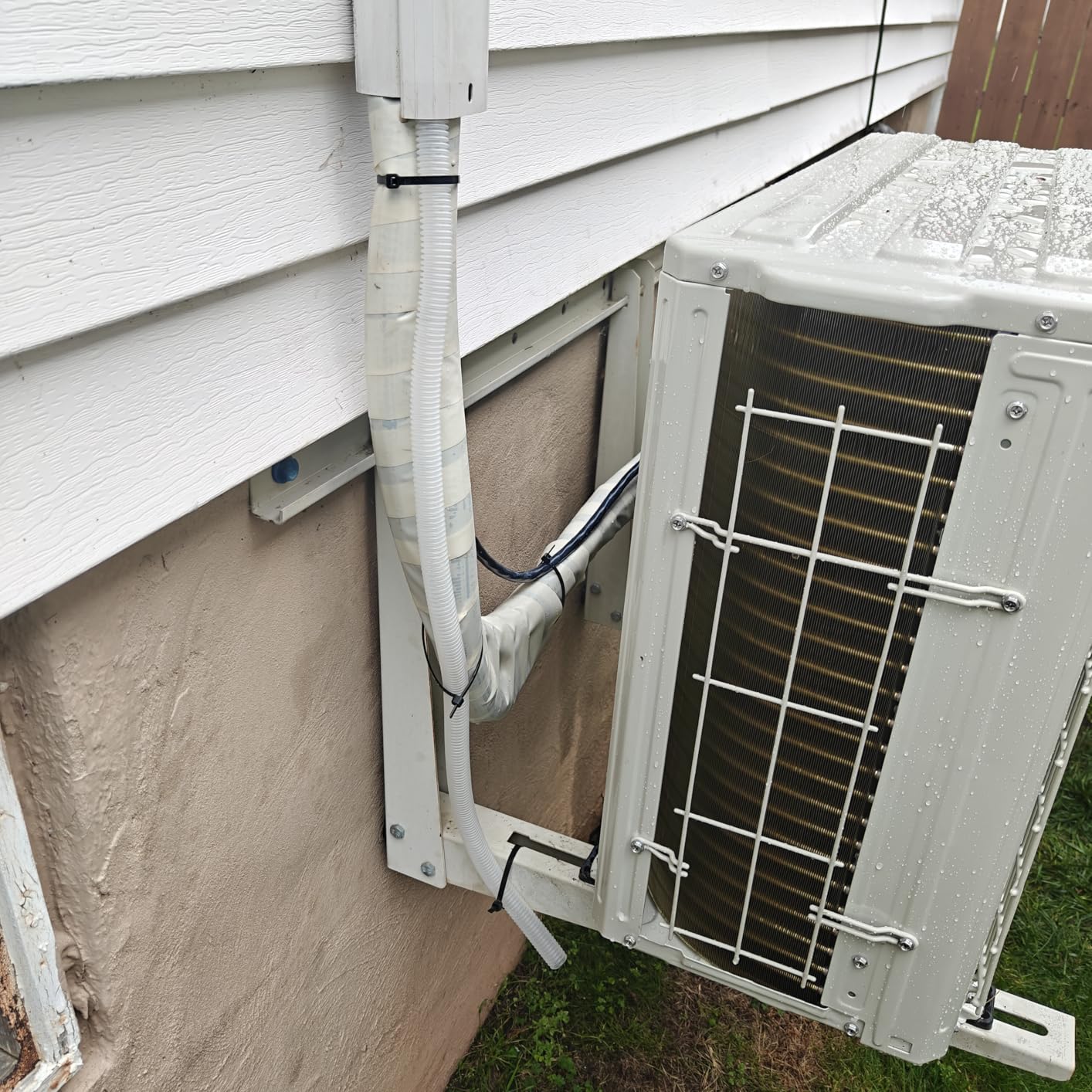
Be aware of the wattage. This unit is listed at 1970 watts, which is higher than several competitors at the same capacity, and a 115 volt circuit has limits. Have the circuit checked before you commit rather than after. The warranty is 5 years on parts and 8 years on the compressor, among the longest compressor coverage in this group, and the manufacturer is reported to ship replacement parts quickly.
What to check before you commit
Confirm your circuit can carry the load and that you have a standard 15 amp outlet or a properly wired circuit for it. Then read the remote manual before install night, because that is exactly where owners get stuck. The five modes are genuinely useful once you know what they do.
For a nursery or a young child’s room, the combination of a 23 dB floor, an auto-shutoff display and a washable filter is hard to beat at this tier.
Where it falls short
At 1970 watts this is not the unit to install on a marginal 115 volt circuit in an older house, and the documentation gaps mean a first-time installer should budget extra time. If you are hiring someone, the documentation weaknesses mostly disappear, which makes this the safest budget choice for a paid install.
3. DELLA Vario 12,000 BTU – Best Premium Pick for Cold Climates
- Rated to operate down to -4F
- best cold-climate figure among the 115V picks
- Alexa and app control reviewers find easy to set up
- Strong airflow with 4D swing and I Feel remote sensing
- Listing noise figures conflict at 42 dB versus 28 dBa
- Line-set and drain insulation degrade in hot climates within about two years
- Remote relies on unlabeled icons
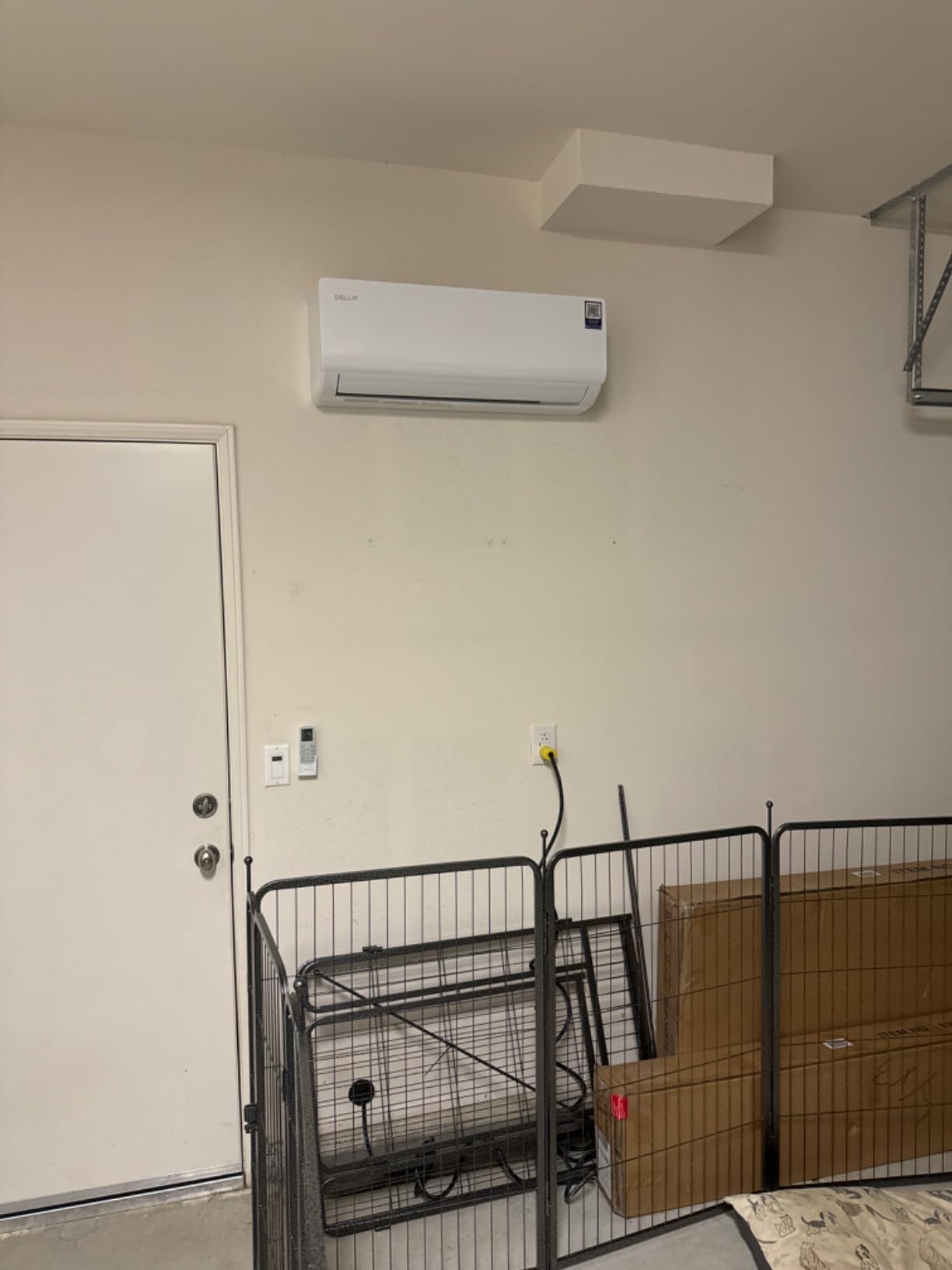
This is the pick for anyone whose bedroom needs real winter heat along with summer cooling. The Vario series is rated to operate down to -4 degrees Fahrenheit, which is the lowest operating temperature of any 115 volt unit in this group, and it does it on a 20.5 SEER2 DC inverter. Bedroom owners report that it drops a 12 by 12 room in minutes and that the low noise works as white noise for sleeping.
It is rated for rooms up to 550 square feet, which makes it a sensible size for a larger primary bedroom or a converted attic room. The app and Alexa integration come up often in the reviews as genuinely easy to set up, which matters more than it sounds, because the Wi-Fi module is the most common weak point across this whole category. The I Feel function reads the temperature at the remote rather than at the ceiling head, so the setpoint reflects where you actually are.
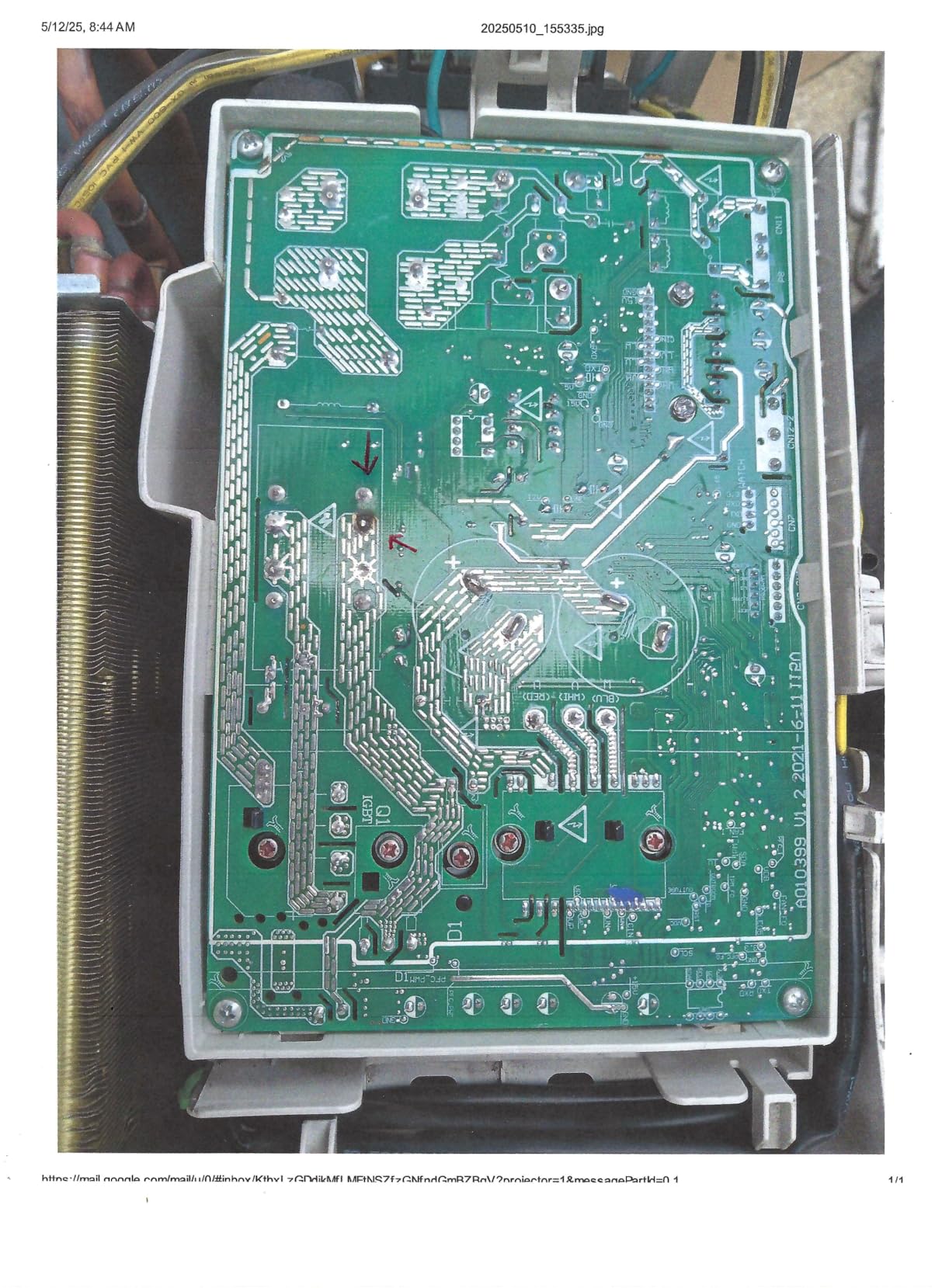
Two things to sort out before you buy. First, the noise figure. The specification table lists 42 dB while the product features describe the same unit as 28 dBa. The higher number is likely the maximum fan speed, but 42 dB is not a number you want eight inches from a pillow, so ask the manufacturer which applies at low fan. Second, the installation quality complaints are consistent and specific: poor line-set and drain pipe insulation, an insufficient Teflon tape wrap for the full run, and an unclear icon-based remote. One detailed multi-star review reports a refrigerant leak at the indoor unit attributed to a manufacturing defect rather than the install.
The system mandates professional installation, and altering the line-set length requires the refrigerant charge to be adjusted. That is not negotiable and it is the correct engineering approach, but it does mean this is not a weekend project unless you already hold the gauges and the vacuum pump.
What to check before you commit
Ask the seller to confirm the low-speed noise rating in writing, and ask your installer to quote the line-set insulation and tape wrap separately so you know it is not being skipped. Insulating the lines properly is the difference between a 10 year install and a 2 year one in a hot climate.
If you are pairing this with anything else in the room, our picks for mini bikes and ductless range hoods follow the same principle: buy the quiet version once.
Where it falls short
The conflicting noise listing is the main issue. If the true low-speed figure is closer to the higher number, this is a poor bedroom choice despite the excellent heating performance, so get that answer before you order. It is also the one in this group that most insists on professional installation, with a mandate rather than a recommendation.
4. ROVSUN 11,500 BTU – Best for Warm Climates with App and Voice Control
- Operates from 5F to 122F for hot climate bedrooms
- App plus Alexa and Google Assistant control
- 29 dBa low speed with display off night mode
- Owners report roughly halved cooling electricity versus window units
- 17 SEER2 is below most 115V competitors at this capacity
- One year warranty is short for the category
- Professional installation required
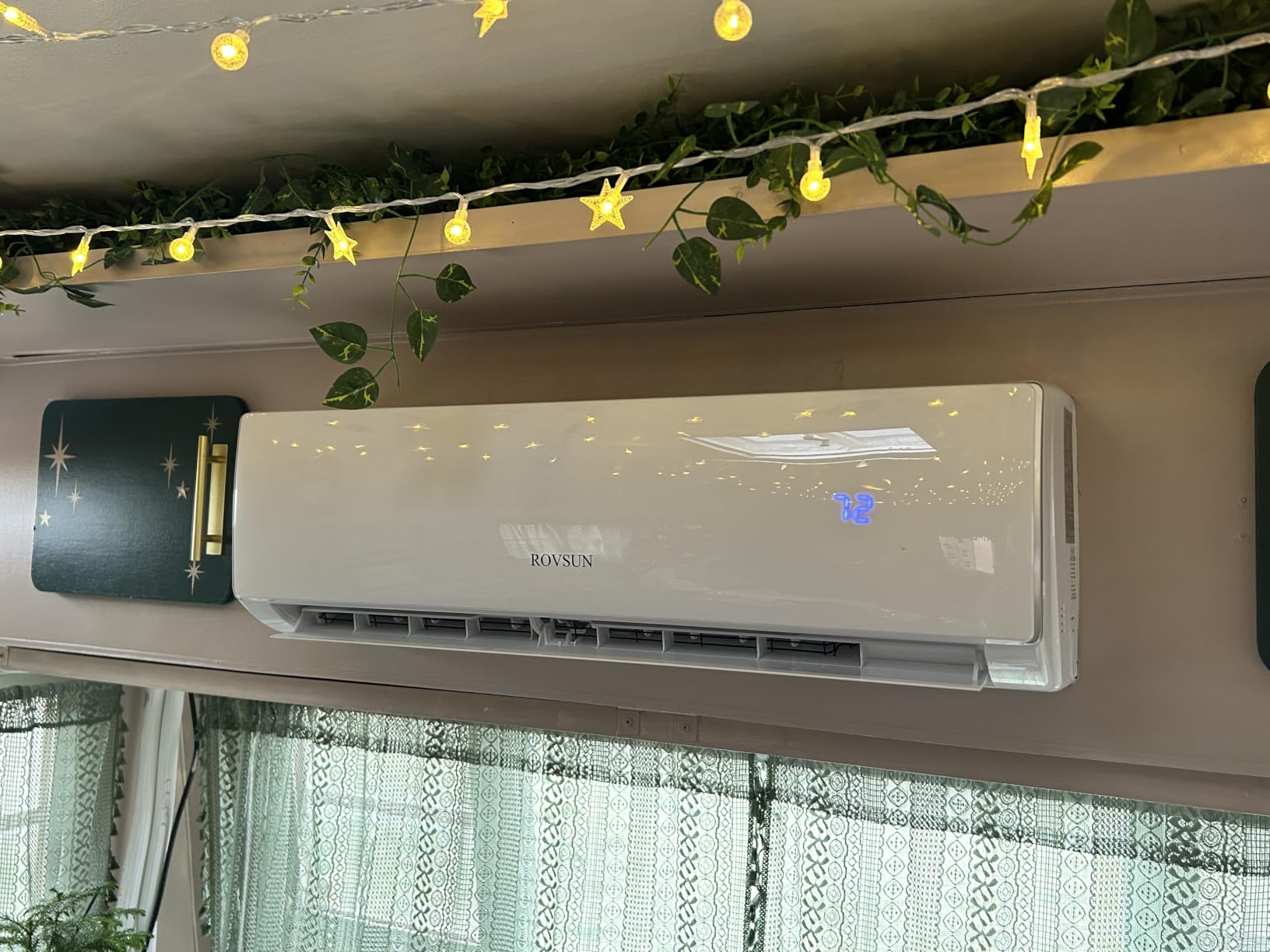
This is the unit to look at if your bedroom gets genuinely hot and you mostly care about summer. The operating range runs to 122 degrees Fahrenheit at the top end, and owners report straightforward installation with clear instructions and quick cooling of small to mid-size rooms even at high outdoor temperatures. At 29 dBa on low speed with a display that can be turned off, it is quiet enough for a bed that is not directly in the airflow path.
Control is the strongest part of the package. Beyond the remote you get an app, Alexa and Google Assistant, plus ECO mode, sleep mode, 4 way swing, turbo, auto defrost, self-diagnosis and a 24 hour timer. Several reviewers report roughly halving their cooling electricity use compared with window units, which is the kind of real-world efficiency result that actually matters in a bedroom you run all night.
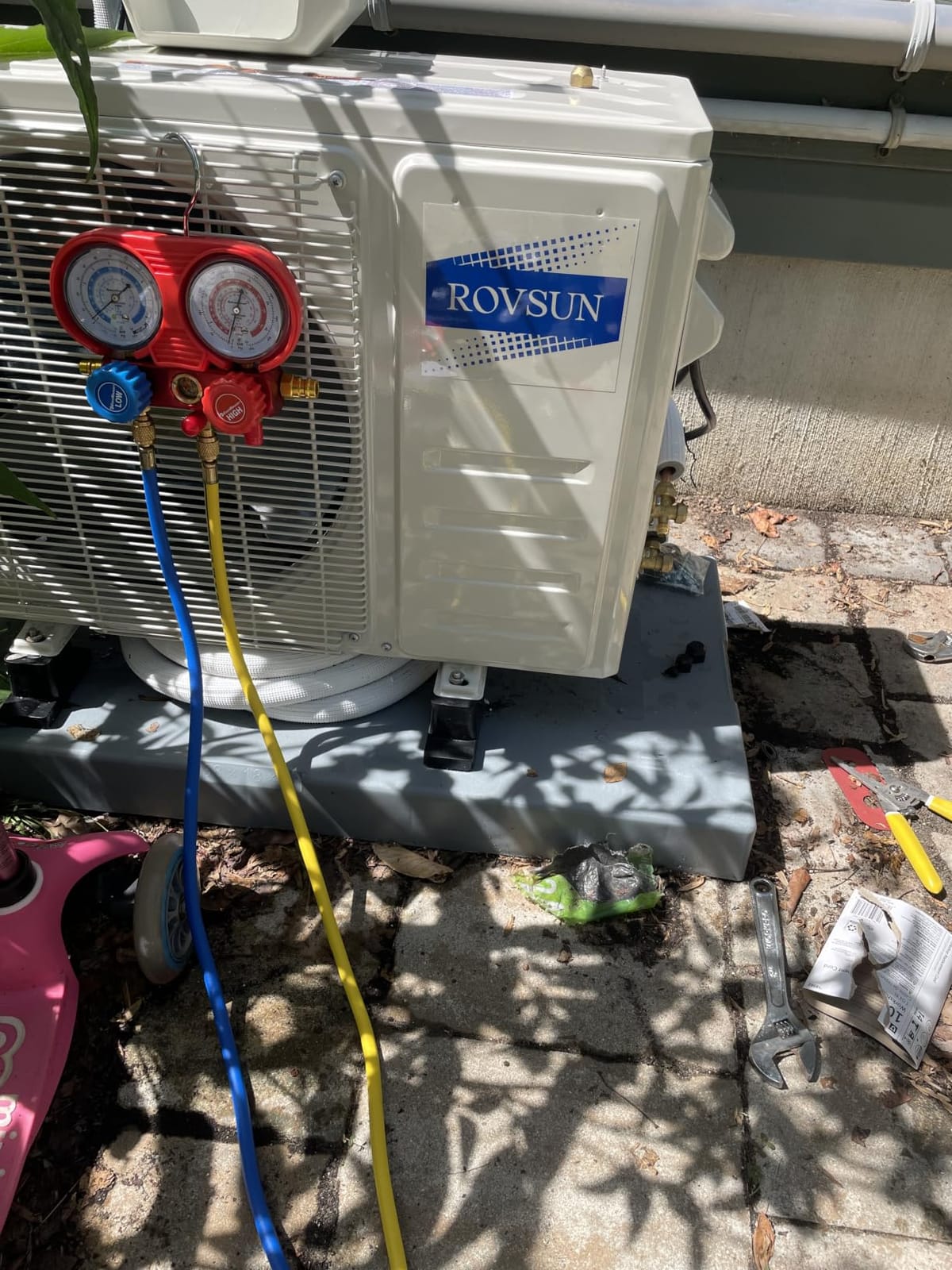
The two weaknesses are efficiency rating and warranty. A 17 SEER2 rating is lower than most 115 volt competitors at similar capacity, and the listing warranty is a single year, which is very short for a system you expect to keep for a decade in a room you sleep in every night. Forum owners are consistent that warranty length and parts availability are the deciding factors over a ten year horizon, not first-year cost, and this is where ROVSUN scores lowest in the group.
One more caution. The listing review text mixes in feedback about the 9,000 BTU sibling unit, including a serious mold complaint, so read the reviews for this specific model rather than the listing as a whole. Any system in a sealed room needs a dry mode and a clean filter to avoid a moisture problem.
What to check before you commit
Get the warranty terms in writing before you order, because a one year warranty on a bedroom system is a meaningful long-term risk. Then confirm the line-set run length with your installer, since the charge adjustment is the cost you cannot predict from the equipment alone.
Where it falls short
At 17 SEER2 you give up some efficiency to most of the field, and in a room you run eight hours a night that compounds. If cooling only is your goal and your summer is mild, that trade is fine. If you run the system heavily, the higher-efficiency units in this list pay back faster.
5. ROVSUN 9,000 BTU – Best for Small Bedrooms on a Budget
- 9000 BTU is well matched to typical bedrooms up to about 450 sq ft
- 20 SEER2 inverter with 28 dB mute mode
- App and Alexa control plus remote
- Owners report window unit noise largely eliminated
- Must stay upright for 24 hours before install
- Included line-set wrap tape is poor and most owners replace it
- One year warranty
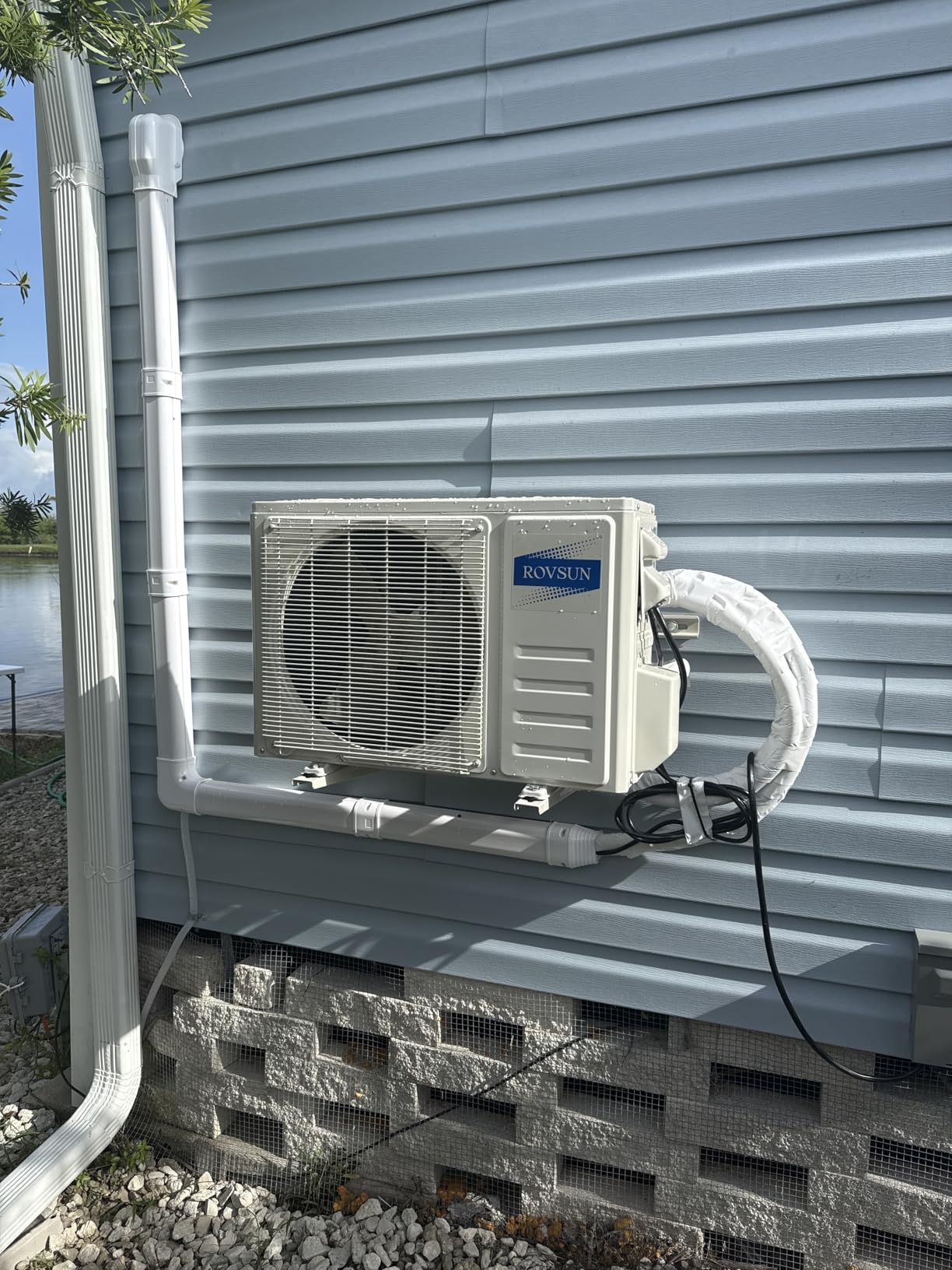
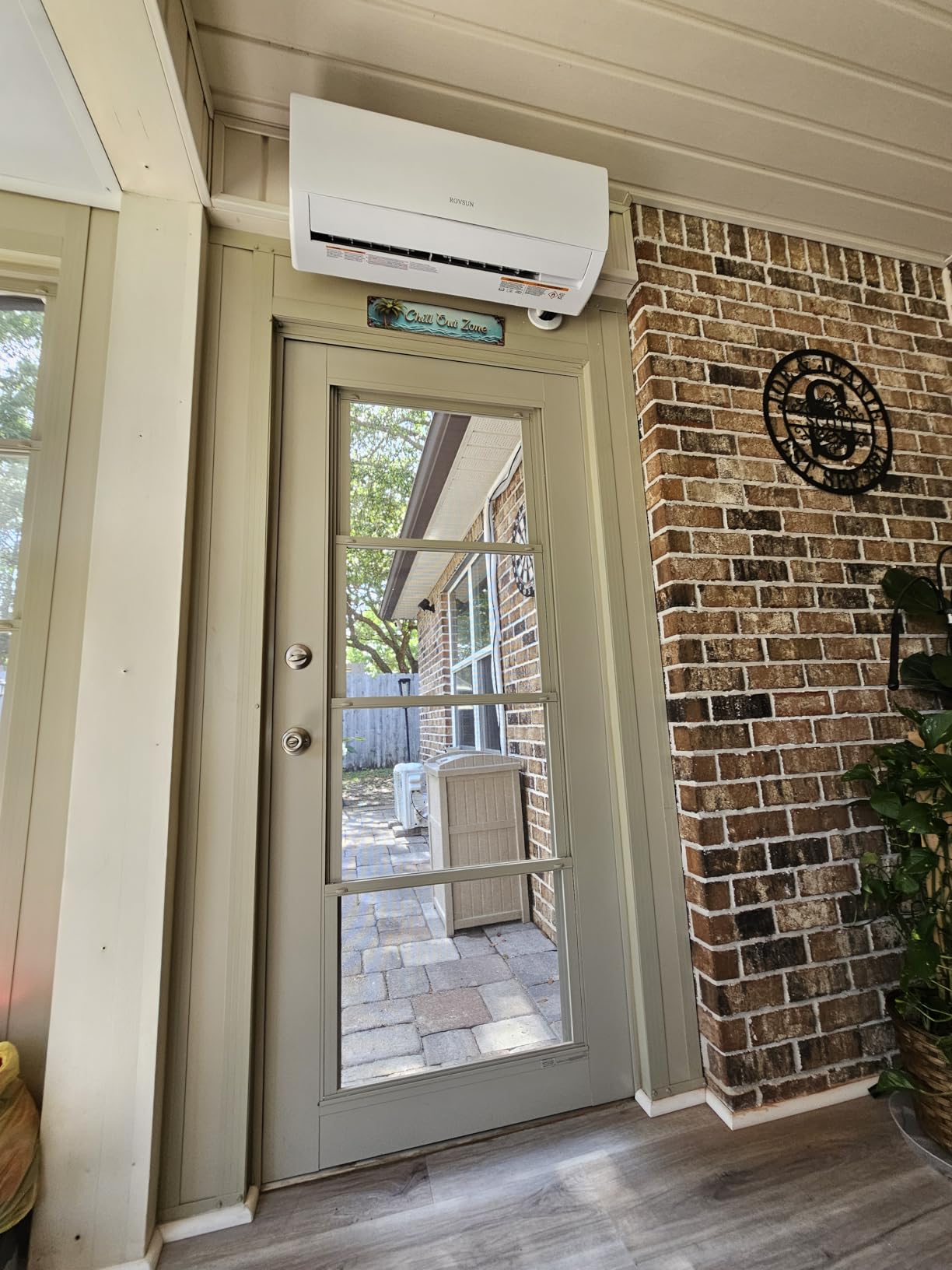
If your bedroom is a genuine 9,000 BTU room, this is the capacity you want and the smallest efficient unit available. Most buyers install it in a bedroom or small office and report quick cooling, near-silent indoor and outdoor operation, and a meaningful drop in electricity use against window units. The mute mode figure of 28 dB is the one to plan your sleep around.
It is a 115 volt inverter system running R-32 refrigerant, with a 9,000 BTU cooling output and a 70 pound package. The listing notes it must remain upright for 24 hours before installation, which is a refrigerant settling requirement and not optional. DIY installers report that the instructions plus a vacuum pump kit make the job straightforward, which tells you something about how much of this install is genuinely accessible.
Three things come up repeatedly in the negative reviews. The included line-set wrap tape is poor and most owners replace it before install. One owner reported interior mold growth and moisture issues in an enclosed room, which points to a condensate or humidity management problem rather than a cooling problem. And one owner reports the outdoor compressor becoming noticeably louder after about a year, which is worth taking seriously in a bedroom because the outdoor unit is the part you want to forget about.
There is also a practical scheduling note that appears in the listing itself: this unit comes in two separate boxes, so book your installer after both are with you rather than after the first delivery. That single detail causes more install delays than anything else in this category.
What to check before you commit
Make sure both boxes have arrived before you call the installer, and plan the line-set routing so the drain line has a fall and a clean-out point. In a humid climate, ask the installer about adding a condensate pump rather than relying on gravity drainage alone.
Where it falls short
It only makes sense if the room is genuinely small. At 9,000 BTU it will run flat out and never quite get there in a 500 square foot room with west-facing glass, and a constant-cycling unit is exactly how running costs get worse rather than better. For a larger bedroom, step up a size.
6. Albott 12,000 BTU – Most Versatile for Large Rooms on 115V
Albott 12,000 BTU Mini Split Air Conditioner and Heater SEER2 18, 115V
- Large stated coverage of up to 750 sq ft on 115V
- Low listed annual consumption of 700 kWh
- Operates from 5F to 122F
- Child lock and self cleaning cycle
- Lowest average rating in the group at 4.1 with a 14 percent one-star share
- Product page lists conflicting warranty terms
- Heaviest listed package weight at 151 pounds
The appeal here is coverage per dollar and a low published consumption figure. This is a 12,000 BTU 115 volt inverter rated at 18 SEER2, listed at 700 kilowatt hours per year, and it claims coverage up to 750 square feet. Buyers who installed it report stable cooling in humid conditions, a noise floor below 29 dB, and app plus remote control with a child lock, which is a genuinely useful feature for a nursery.
It operates from 5 to 122 degrees Fahrenheit, so it covers both a cold shoulder season and a hot summer in most of the country. The mesh filter is removable and the unit has a self cleaning cycle, and both matter more in a bedroom than the spec sheet suggests because dust loading is the main cause of falling efficiency over time.
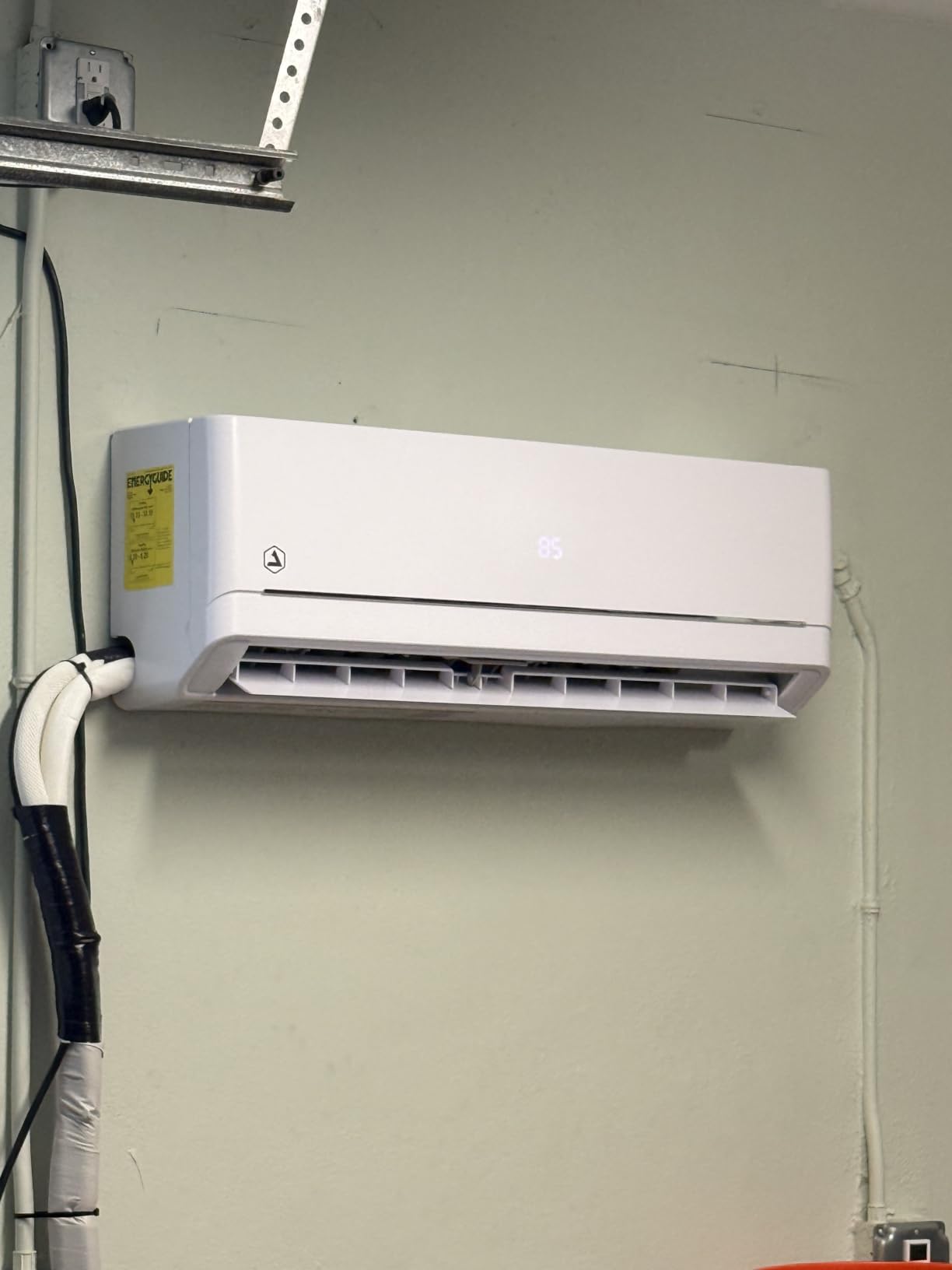
We want to be straight about the weaknesses, because they are documented rather than speculative. This is the lowest-rated unit in the group at 4.1, with a 14 percent one-star share, and the reviews point at documentation and support rather than hardware. Warranty length is listed as three years in the specification block and as five years compressor and seven years parts in the features, which is exactly the kind of inconsistency that matters when you need a part in year six. A portion of one-star reviews involve difficulty reaching the manufacturer and questions about install quality.
It is also the only unit here with an unusually heavy listed package weight of 151 pounds, which matters if you are carrying it up stairs or installing on a second floor yourself. And an 18 SEER2 rating is mid-pack, so expect running costs between the high-efficiency units and the entry models.
What to check before you commit
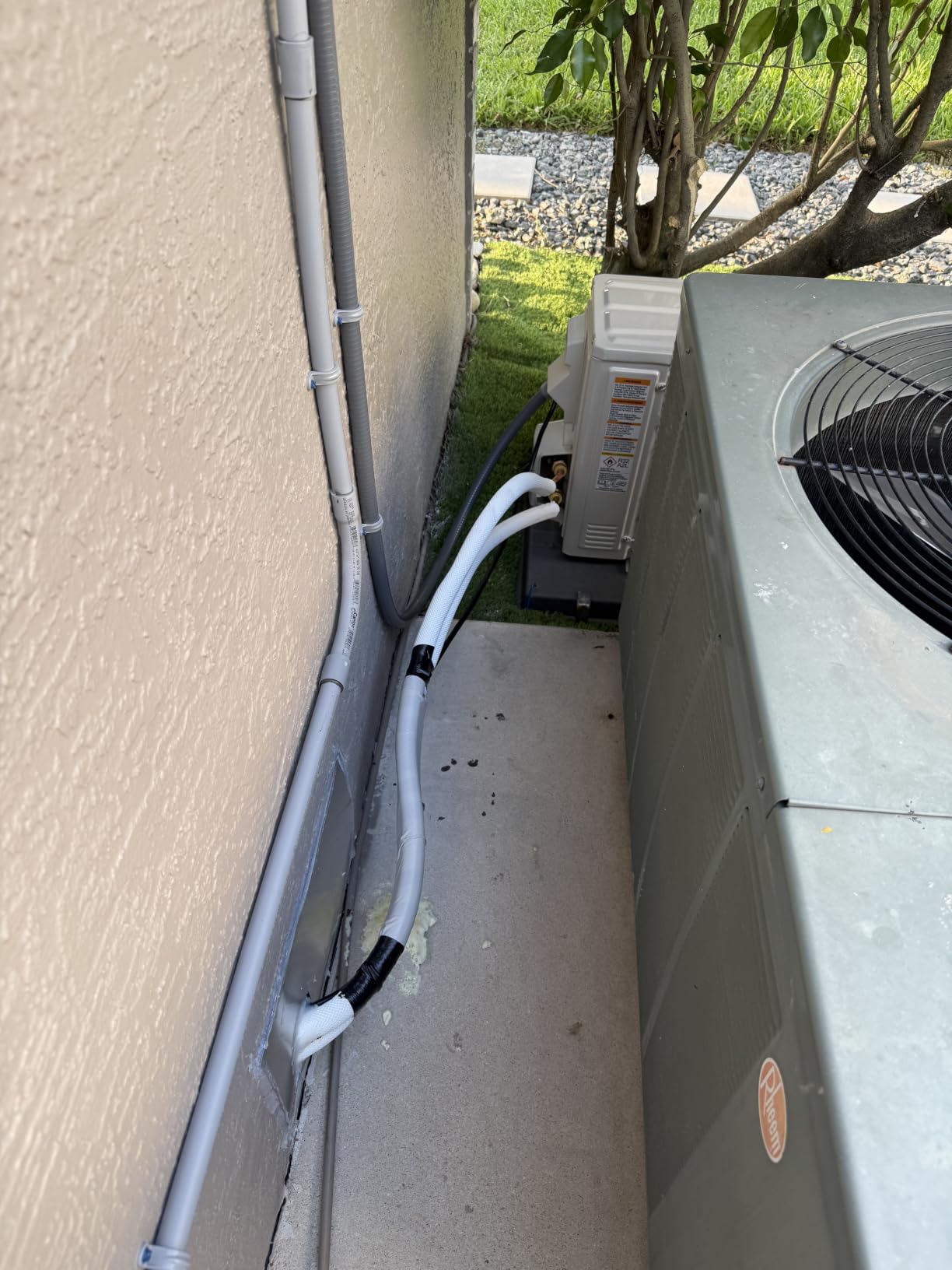
Get the warranty length resolved in writing before purchase, through the seller’s customer service rather than the listing. Then have your installer confirm the actual cooling load, because a 12,000 BTU unit in a 750 square foot room is a very different proposition from the same unit in a 400 square foot room.
Where it falls short
The rating and the support record are the reasons this sits mid-list rather than higher. If you are installing in a primary bedroom you rely on every night, the combination of a 4.1 average and unclear warranty terms is a harder sell than the low consumption figure suggests. For a guest room or a seasonal space, it is a reasonable buy.
7. DELLA Econo 11,500 BTU – Best if Your Home Has a 230V Circuit
- App and Alexa control with remote temperature sensing
- Owners report bill reductions of 10 percent or more over a season
- Experienced DIY installers rate the flaring and vacuum work solid
- Complete 16.4 ft kit with pre-charged lines
- Requires 208-230V wiring unlike the 115V options here
- No wall mount template included
- Included penetration pipe is undersized for the suggested bit
If your electrical panel already has a 240 volt circuit available, this is a strong option, and the price gap against comparable 115 volt units is smaller than the installation work would suggest. It is a 11,500 BTU inverter rated at 17 SEER2 with a maximum fuse size of 15 amps, heating down to 5 degrees, and app plus Alexa control with remote temperature sensing.
Owners describe it as strong value that quietly cools large open rooms and cuts costs over a full season, with several noting bill reductions of 10 percent or more. Experienced installers rate the flaring, vacuuming and pre-charge as solid work, which is the single most important quality signal in a pre-charged system. Coverage is listed at up to 550 square feet.
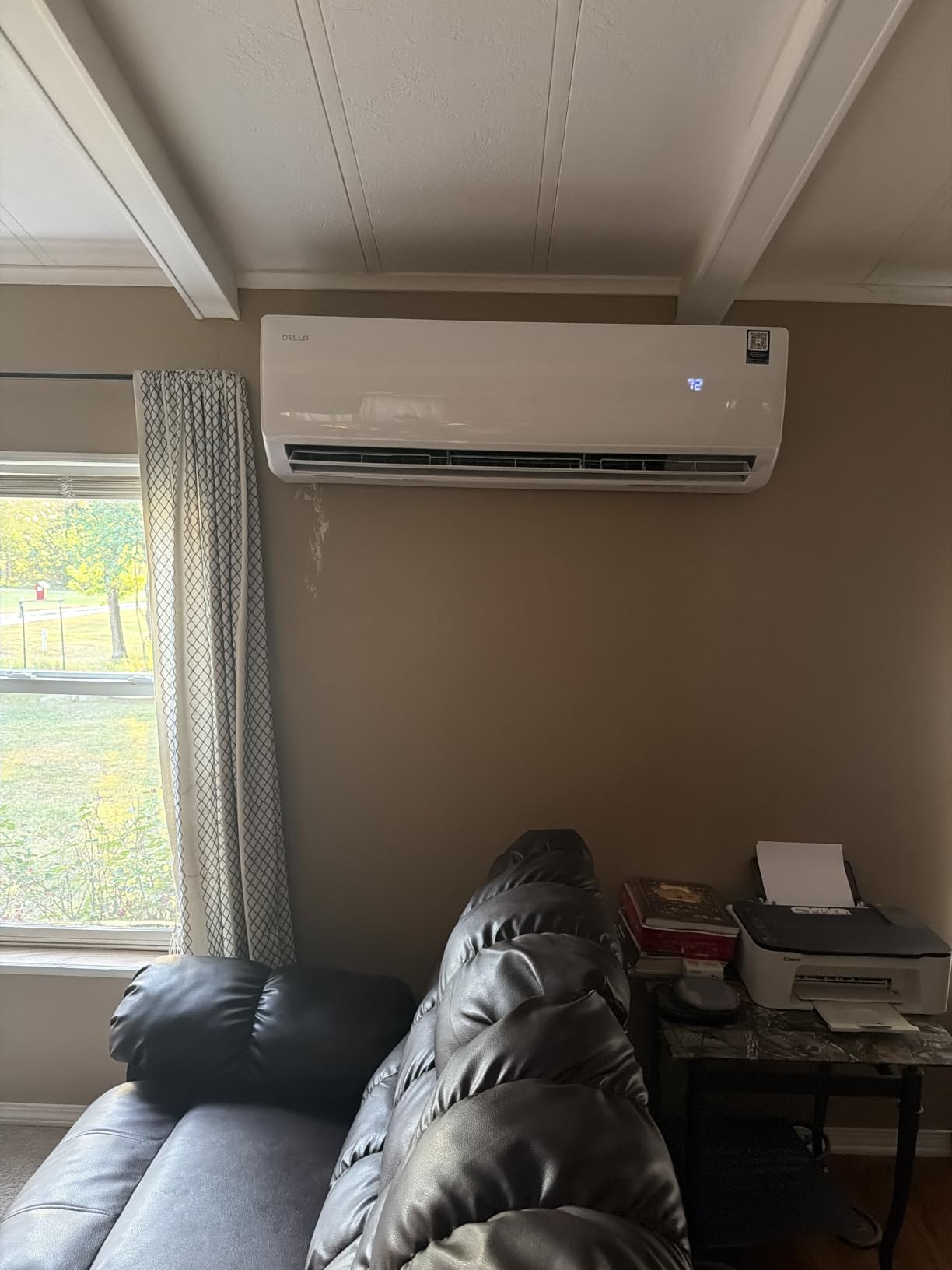
The 230V requirement is the deciding factor, not a detail. A bedroom on an upper floor in a house with no existing 240 volt circuit means an electrician and a panel check before anyone can install anything, and forum owners note that this electrical work can exceed the efficiency savings for years. If you already have the circuit, this is a non-issue. If you do not, choose a 115 volt unit instead.
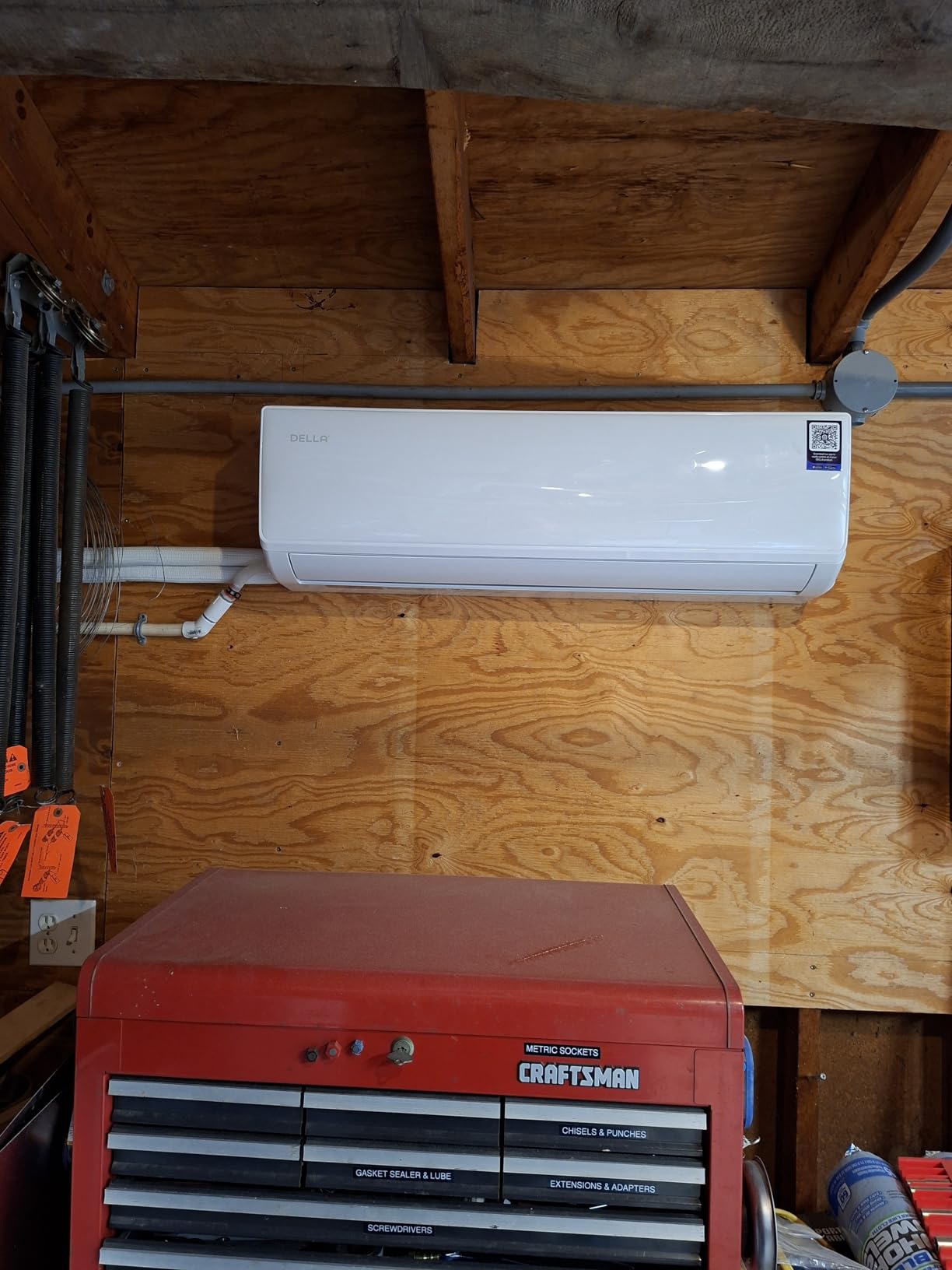
Newer installers also flag documentation gaps: no indoor wall template so hole placement has to be measured manually, an included penetration pipe that is undersized relative to the suggested 70 millimeter bit, and not enough insulation tape to wrap the full 16 foot line set. A small number of reviews focus on difficulty getting replacement parts, and one reports needing to reset the unit after long idle periods.
What to check before you commit
Confirm a 15 amp, 208 to 230 volt circuit is available at the condenser location before you buy anything. Then plan to supply your own insulation tape and sleeve pipe, because the included amounts will not cover the run. Budget for both and the install goes smoothly.
Where it falls short
At 33 dB this is not the quietest unit here, though that figure is typically the maximum fan speed. For a bedroom where the head sits close to the headboard, a lower rated figure is worth the extra money. The 17 SEER2 rating also sits below the field average.
8. Rellytech 9,000 BTU – Best Complete Kit for a First-Time Installer
- Most complete hardware kit including template cables pipes and drain hose
- 19 SEER2 with HSPF2 8.5 at the entry tier
- Owners report strong humidity control in Florida conditions
- Remote control with a 24 hour timer
- Listed 42 dB is higher than the 26 to 29 dB units here
- Requires professional vacuum and gauge equipment
- Warranty wording is inconsistent between specs and features
What separates this unit is the box contents. The included components list a bracket template, mounting plate, 12.5 foot communication cable, 5.9 foot power cable, connecting pipes, a drain hose, the remote and batteries, plus both indoor and outdoor units. Most competitors include a partial kit and leave you sourcing the small parts that matter on install day. If you are doing this yourself for the first time, that completeness is worth more than any feature list.
Performance-wise it is a 9,000 BTU 115 volt inverter rated at 19 SEER2 and HSPF2 8.5, with a listed annual consumption of 907 kilowatt hours. Reviewers praise it for cooling performance per dollar, for strong dehumidification in Florida heat, and for running quietly relative to window units. Several buyers say it handles a 600 square foot bedroom, a small trailer or a shop better than expected.
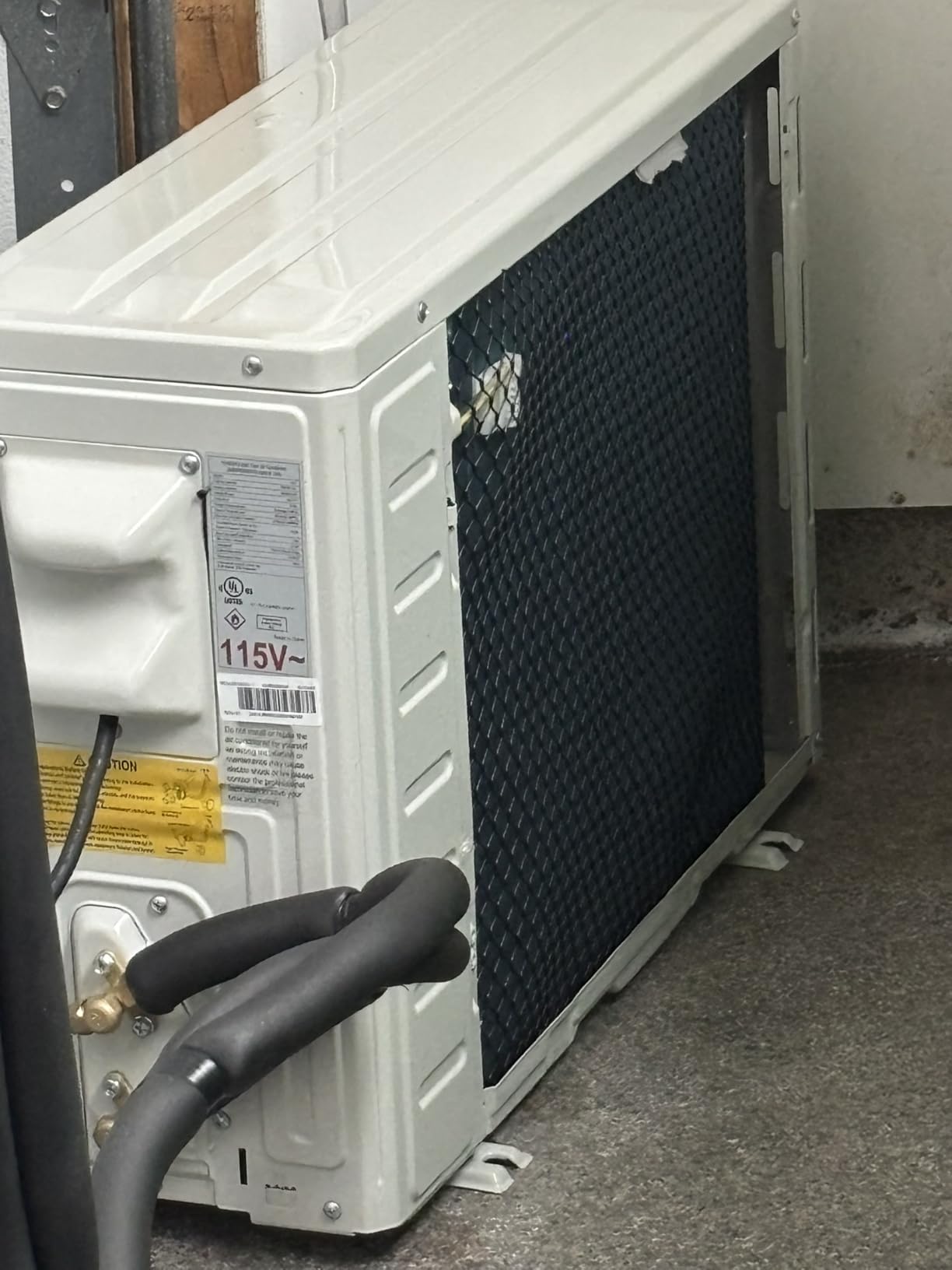
The blocker for a bedroom is the 42 dB listed noise figure, which is the highest rated level among the quieter units in this group and well above the 26 to 29 dB units we recommend for sleeping. Owners do describe it as near-silent relative to a window unit, but that comparison is not the same as comparing to a 23 dB indoor head in the same room. The unit still needs professional vacuum and gauge work, and the warranty is listed as one year in the specifications while the features reference eight years, which is a discrepancy you should have resolved in writing.
One owner received a unit with a dented outdoor housing that was contacting the fan blades, which is a shipping damage issue rather than a design flaw, but it is a reason to inspect the compressor the day it arrives.
What to check before you commit
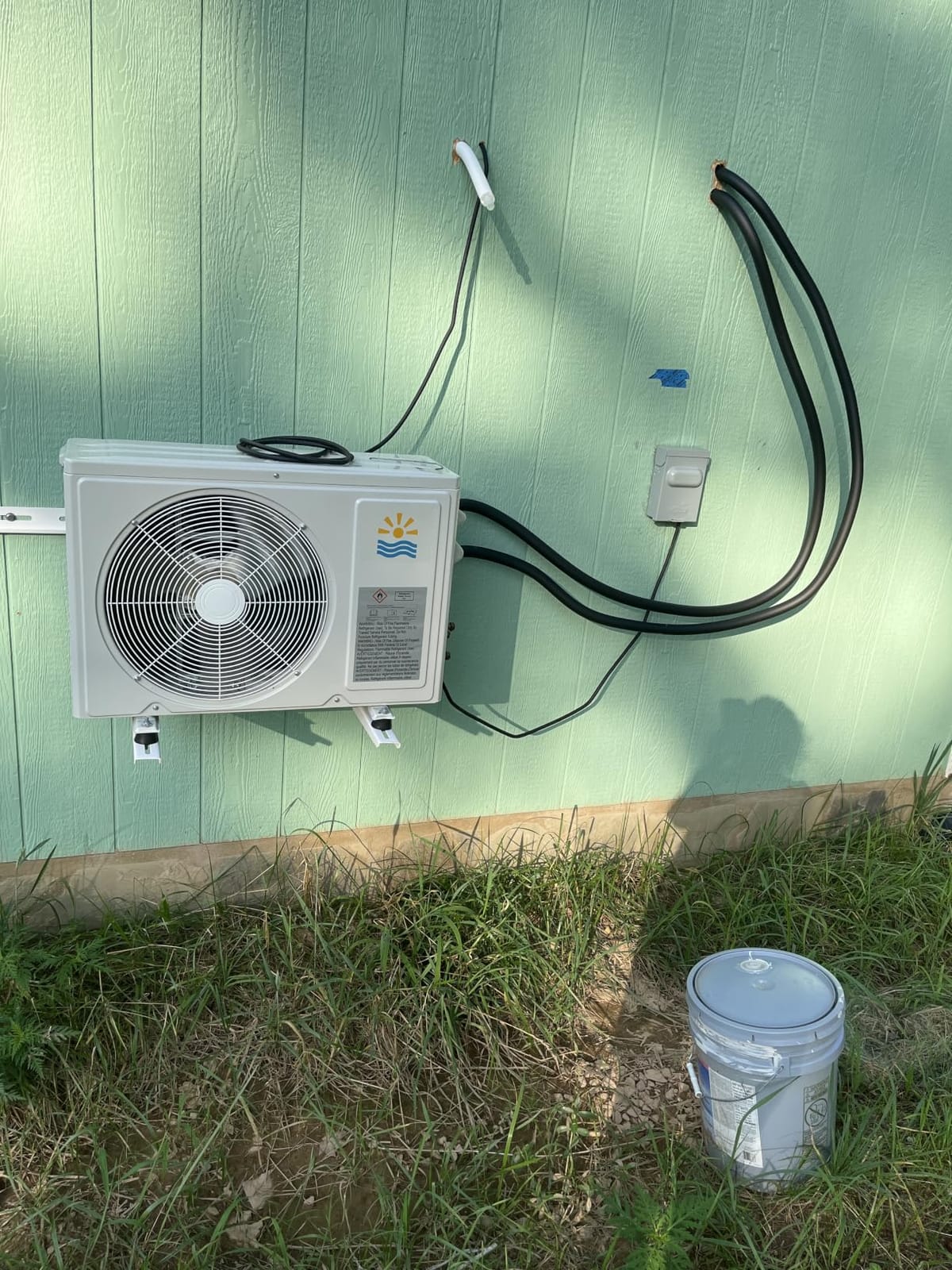
Ask the seller to confirm the warranty length and to confirm whether the 42 dB figure is a maximum or a typical low-speed rating. Also measure your line-set run, because at 9.84 feet of connecting pipe this is one of the shorter kits in the group.
Where it falls short
In a bedroom, the published noise figure is the deciding factor and this is not the pick for a light sleeper. It is a better fit for a garage, a shop, a sunroom or a guest room where noise is not the constraint and the equipment cost is.
9. Mountman 9,000 BTU – Best for Light Sleepers on 115V
- 26 dB sleep mode is among the lowest rated figures here
- 110/120V avoids a panel upgrade for a bedroom
- 19 SEER2 inverter with ECO mode
- Self cleaning cycle and washable anti-dust filter
- Line set is short at roughly 9 feet so both units must sit close together
- One owner received a broken flare and a missing grate screw
- Instructions read as awkward translations
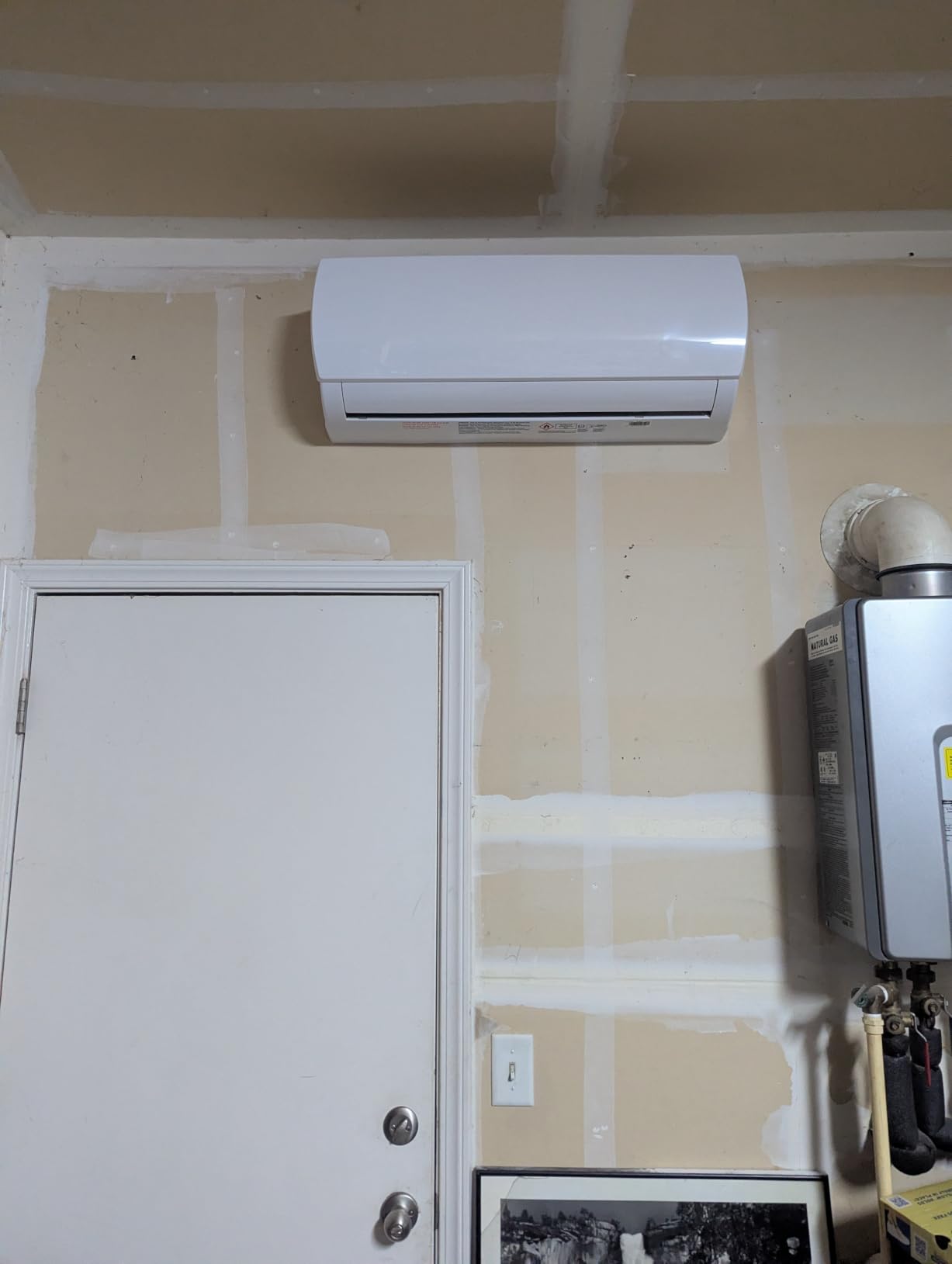
This is our pick for a light sleeper in a small bedroom, and the reason is the 26 decibel sleep mode figure combined with a 110 or 120 volt electrical requirement. That pairing matters more than any other combination in this list. A 26 dB floor is low enough to sit above a bed without registering, and running on 120 volts means no electrician and no panel work for a first bedroom installation.
Owners repeatedly single out the quietness, the 115V convenience, and an inverter that holds set temperature without working hard. The 9,000 BTU size is reported to cool bedrooms, offices and 400 to 450 square foot shops quickly, and one owner reports cooling a 450 square foot garage in under ten minutes with no measurable increase in the power bill. Mountman support is praised for answering wiring questions quickly.
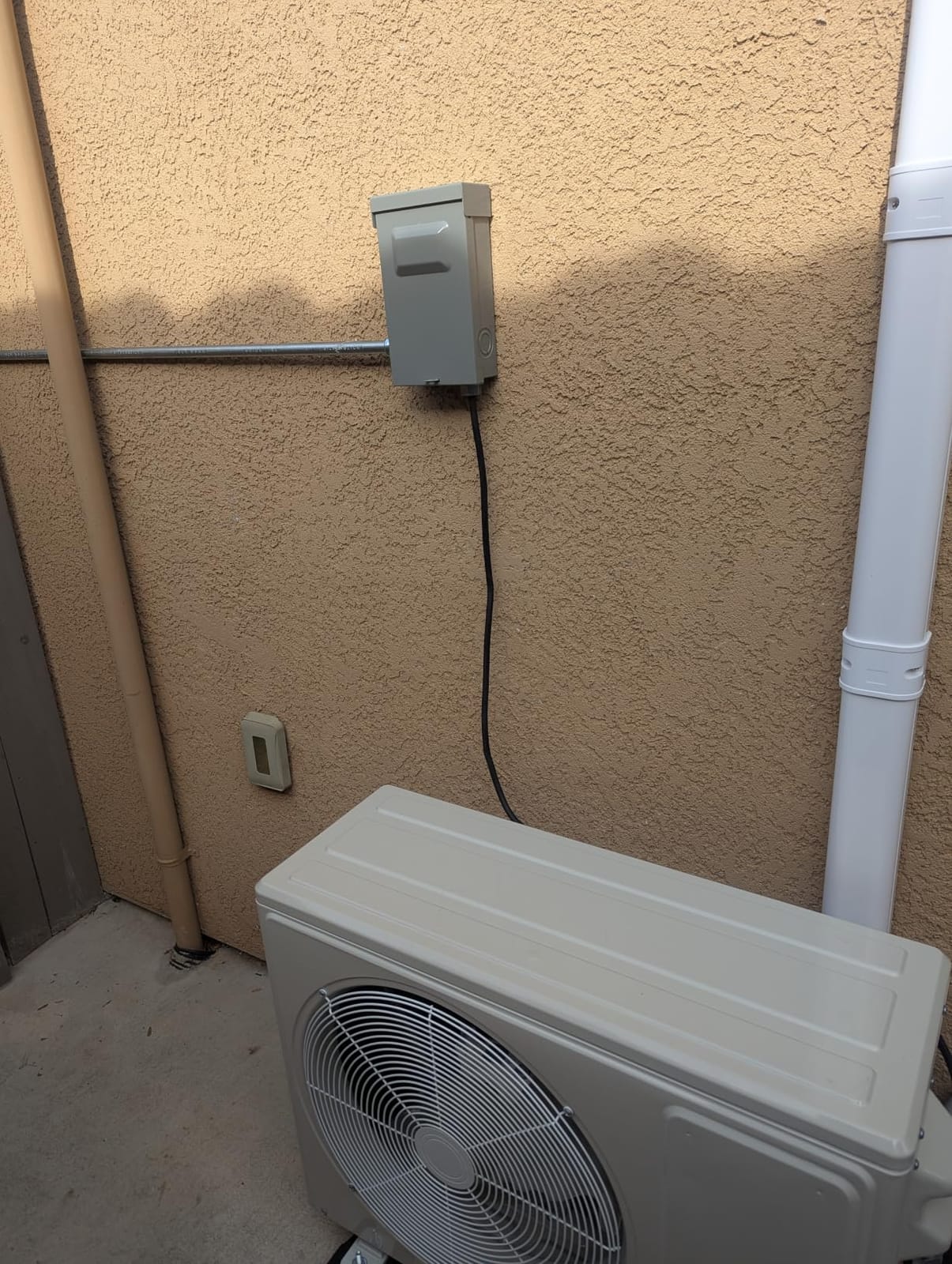
The kit is the weak point, and it is a specific problem rather than a vague one. The included line set is short at roughly 9 feet, which means the indoor and outdoor units have to be stacked closely and the wall penetration has to sit near the condenser. If your condenser location is more than a few feet from where the head would go, this unit is not going to work without additional line, an extended charge, and a longer install. The listing also states coverage inconsistently, claiming both 450 square feet and up to 750 square feet.
There are also scattered hardware reports: one owner received a broken flare on the 6 millimeter tube and a missing screw in the outdoor grate, and another found the supplied drain hose punctured out of the box. Some users report the unit cycling without fully shutting off, which in a bedroom means a faint intermittent hum. Inspect everything the day it arrives.
What to check before you commit
Measure the distance from your ideal condenser spot to your ideal indoor head location. If that run is under 9 feet plus a little routing slack, this is an easy install. If it is more, keep looking.
For a nursery or a child’s room, the washable anti-dust filter, the auto-shutoff remote display and the 26 dB sleep mode are a genuinely good combination, and the ECO mode keeps overnight running cost down.
Where it falls short
The short line set alone rules it out for a lot of houses, and the instructions read as awkward translations that some users work around with videos. If your install is straightforward, it is one of the best quiet 115 volt options here. If it is not, it is the wrong pick.
10. GLACER 12,000 BTU – Best if You Want a Standard Plug and Deep Dehumidification
GLACER 12000BTU Mini AC Split-System, 20 SEER2 Ductless Air Conditioner w/Pre-Charged Condenser, White (12000BTU, 115V, 20 SEER2)
- Standard 15 amp plug on a 20 SEER2 115V package
- Deep dehumidification rated at 36 pints
- Owners report very quiet operation and fast cooling
- 5 year warranty
- Listed 51 dB is the highest figure here and conflicts with the feature text
- One owner reports intermittent breaker or GFCI trips
- R32 is not commonly stocked by many technicians
The distinguishing feature is the electrical arrangement. This is a 12,000 BTU unit at 20 SEER2 that runs on 115 volts with a standard 15 amp plug style connection, so it avoids a dedicated circuit in many homes. That is a meaningful install saving. Buyers also report deep dehumidification in humid weather, and several replaced multiple window units in the same home with it.
Dehumidification is the underrated bedroom feature. A bedroom that is cool but still sticky is not sleepable, and a unit that can pull 36 pints a day handles the humid season properly rather than running the compressor constantly trying to reach a temperature it can already hit. Coverage is claimed at up to 750 square feet and the range is 60 to 90 degrees.
We need to flag two issues clearly. The listed noise figure is 51 dB, the highest in this group, while the product features describe the same unit as under 42 dB. Both numbers are too high for a light sleeper and neither is comparable to the 23 to 29 dB units above. Owners do describe it as very quiet in practice, which suggests the published figures are conservative or measured differently, but we are not going to pretend a 51 dB listing belongs on a bedroom shortlist without that caveat.
Separately, one owner reports the unit intermittently tripping a 15 amp or GFCI breaker, and the manufacturer was slow to diagnose it. The supplied 16 to 18 AWG wire is lighter gauge than recommended for the run, so plan on having an electrician look at the connection. Owners also note that R32 refrigerant is unfamiliar to many local technicians, which adds research cost to a DIY install and can limit your service options later.
What to check before you commit
Ask for the low fan speed noise figure in writing, and have your electrician check the circuit and the wire gauge before the installer arrives. Filter and coil cleaning every four to six weeks is repeatedly flagged as essential in dusty or pet-heavy rooms, so put that in your calendar from day one.
Where it falls short
The published noise figure makes this a weak bedroom pick despite good efficiency and genuine dehumidification. It is a better fit for a main-floor family room, a finished basement or a sunroom where you are not sleeping eight inches away from the head.
What Size Mini Split Does a Bedroom Need?
A 9,000 BTU ductless mini split comfortably cools a room up to about 350 square feet with standard 8 foot ceilings, and 12,000 BTU covers 400 to 500 square feet. Those two capacities cover the overwhelming majority of bedrooms. If your room is 600 square feet or larger, or it has vaulted ceilings, heavy west-facing glass or sits directly under the roof deck, step up a size rather than hoping a smaller unit will catch up.
The old rule of thumb is roughly 20 BTU per square foot for a well-insulated room with normal windows. Adjustments worth knowing: add about 10 percent for west-facing windows, dark shingles, a high ceiling or a top-floor room. An attic or loft bedroom under the roof deck is closer to 25 BTU per square foot, because the room gains heat from the sun through the roof and loses it into unconditioned space at the same time.
Oversizing is the most common mistake, and it is worse than undersizing. An oversized unit blasts the room cold, satisfies the thermostat and shuts off before it has run long enough to pull moisture out of the air, so you end up cold and clammy at the same time. Undersizing is also bad but more visible: the unit runs flat out, never quite reaches setpoint, cycles constantly and wears faster while your bill climbs. Forum owners describe both failure modes almost word for word, which is why we size by room first and only then pick a brand.
The real answer comes from a Manual J load calculation, which is the ACCA standard method of sizing equipment from your room’s orientation, glazing, insulation and climate. It costs a modest amount and it is the only way to be confident in a top-floor or glass-heavy room. If an installer offers to size it off a tape measure, ask for the load calculation anyway.
How Quiet Is Quiet Enough to Sleep Beside?
For a bedroom, 26 dB or below is the threshold we would use, and anything above 30 dB needs the indoor head placed away from the headboard. That range is the single most cited bedroom-specific attribute in the reviews, and it is almost never mentioned in general mini split roundups. The published figures across our ten picks run from 23 dB on the COSTWAY unit through 26 dB on the Mountman, 28 dB on the Senville LETO and the ROVSUN 9,000, 29 dB on the ROVSUN 11,500 and the Albott, 33 dB on the DELLA Econo, and higher listed figures on the DELLA Vario, Rellytech and GLACER.
Those numbers are measured at low fan speed, which is the setting you will use at night. A unit’s maximum figure matters less unless you plan to run it hard on a hot afternoon. Where a listing conflicts with itself, treat the higher number as the one to plan around, because that is the figure most likely to be measured at full output.
Three practical noise controls are worth more than any spec sheet. Aim the louver upward or toward the foot of the bed so the discharge never crosses your pillow. Turn the indoor display off, which several of these units do automatically after ten seconds of remote inactivity. And use sleep mode, which ramps the fan down and drifts the setpoint rather than cycling the compressor on and off at full speed.
Finally, remember where the noise actually comes from. The indoor head is the quiet part. The outdoor compressor is mounted outside, usually above head height, and it is the cycle you hear through an open window. Condenser placement is a comfort decision as much as a space decision.
SEER2, Running Cost and the Window AC Break-Even
SEER2 is the seasonal efficiency rating for cooling and HSPF2 is the heating equivalent, and a higher number means less electricity for the same comfort. The spread in this group runs from 17 SEER2 on the two lower-rated models up to 20.8 on the Senville LETO, with most sitting between 18 and 20.5. In a bedroom you run for eight hours a night, that spread is worth real money over a decade.
Owners across the reviews report the biggest single efficiency gain from replacing window units, and several describe the improvement as dramatic despite the higher upfront cost. The inverter compressor is the reason. A window unit switches a fixed-speed compressor on and off, so it draws full power in hard bursts. An inverter ramps its capacity to match the room, so once the room is at temperature it settles into a low draw instead of cycling.
The listed annual consumption figures in this group are informative: 700 kilowatt hours per year for the Albott, 907 for the Rellytech, 1,020 for the Senville LETO and 1,416 for the ROVSUN 11,500. Treat these as manufacturer claims rather than measured results, but the relative ordering tracks the efficiency ratings closely, which is a useful sanity check.
If your electric bill is higher than expected after a mini split install, the usual causes are an oversized unit short-cycling, a low efficiency rating, a dirty filter, or continuous mode left on the thermostat. Check the filter first, confirm the thermostat is not holding a continuous setpoint, and read the SEER2 label. Inverter capacity is not the usual culprit.
115V vs 208-230V: The Hidden Install Decision
Nine of the ten systems here run on 115 or 120 volts, which is why they are the right default for a bedroom. A standard properly grounded circuit with a 15 amp outlet is the whole electrical requirement, and that keeps the installer quote down. The DELLA Econo 11,500 is the exception at 208 to 230 volts with a 15 amp maximum fuse, and that single difference can add an electrician visit and possibly a panel evaluation before the install can start.
Forum owners are blunt about this. They report that the electrical work for a 230 volt unit can exceed the efficiency savings for years, and that it is the reason many buyers abandon a specific model rather than compromise on the system. If your panel has no spare 240 volt capacity, choose 115 volt. If it does, and the efficiency difference matters to you, the 230 volt option is legitimate.
Two further electrical notes. Some of these units list wattages well above what the label suggests, particularly the COSTWAY at 1,970 watts, so have your circuit checked rather than assuming. And ROVSUN 9,000 notes that an extra power cord is needed and that you should schedule the install once both boxes are with you, which is a small but real scheduling constraint.
Installation Reality Check: DIY Pre-Charged vs Hiring a Pro
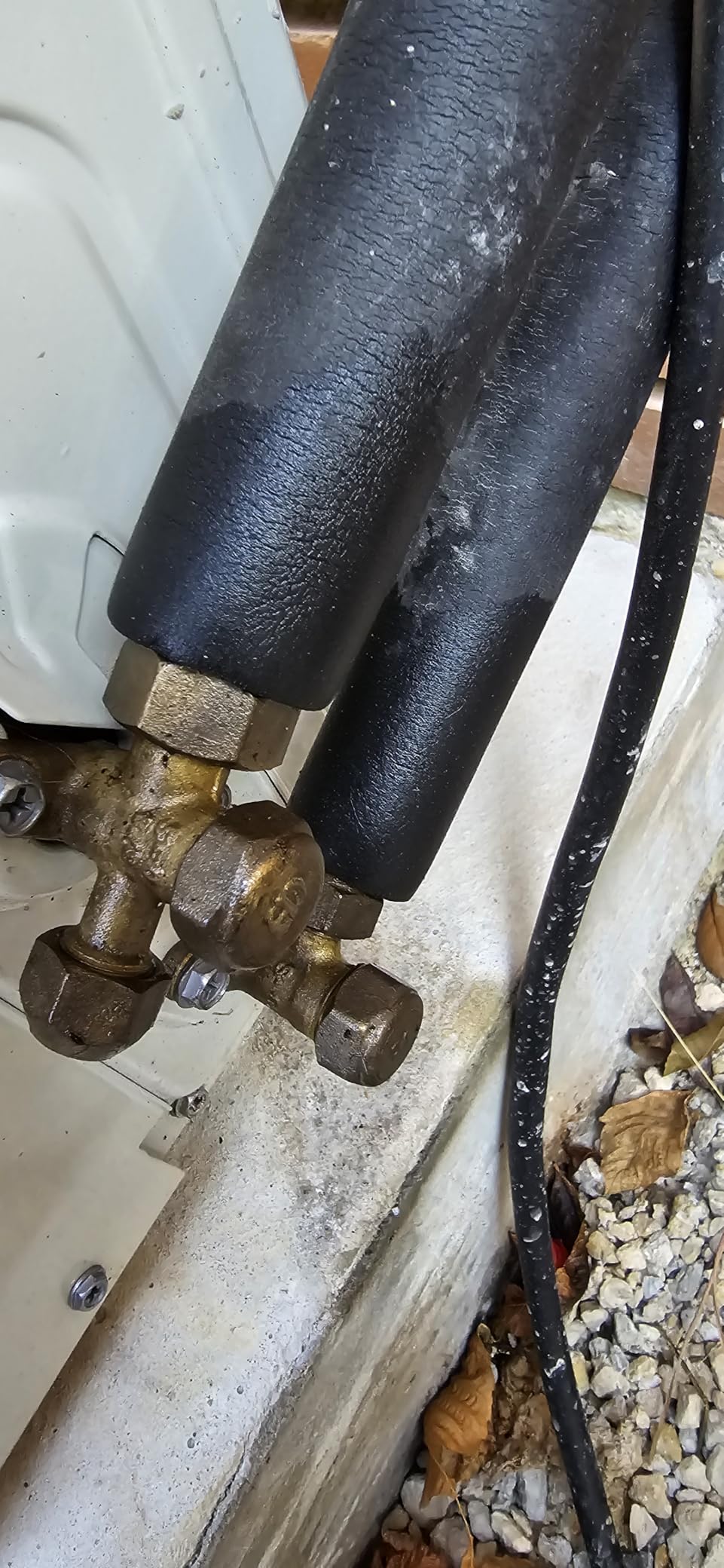
Most of these systems are pre-charged, meaning the refrigerant is loaded at the factory and the line set is sealed. That makes the install far more accessible than a traditional split, but it also creates a hard rule: if you alter the line-set length, the refrigerant charge has to be adjusted to match, and that requires gauges, a vacuum pump and a recovery machine. Several manufacturers state this explicitly, and the DELLA Vario mandates professional installation outright.
Line-set length is the constraint that surprises people most. Kits here run from roughly 9 feet on the Mountman to 16.4 feet on the DELLA units and 16 feet on the Senville, and units are typically pre-charged for up to about 25 feet of run. Beyond that you are paying for additional refrigerant and a longer labor hour. Vertical rise between a ground-level pad and a second-floor or attic head rules out more units than BTU does, because a long rise means long line set.
The forum consensus we found is worth repeating because it matches the reviews: people are broadly comfortable with the pre-charged DIY approach if they are handy, but many still hire a professional specifically for the wall penetration, the vacuum step and the electrical connection. Those three tasks are where mistakes become refrigerant leaks, dampness problems and voided warranties.
What a quote should include: the line-set run and any extra refrigerant, the wall penetration and its weather sealing, a proper electrical connection, a condensate drain routed to a visible point, a startup with a vacuum hold test, and confirmation of the warranty terms. Get two or three quotes. Forum users consistently report that a contractor’s recommendation is worth more than any roundup, including this one, and that people want a brand their local technicians can service years later.
Bedroom Comfort Details: Airflow, Filters and Nursery Use
Start with airflow direction, because it is free and it is the difference between a comfortable bed and a draft on the back of your neck. Set the vertical louver to its highest position or aim it toward the foot of the bed, and use 4D or 3D swing only during the initial pull-down rather than all night. A unit aimed straight at a sleeping person at close range feels colder than the thermostat says.
Target a room temperature between 65 and 68 degrees for sleep, and let sleep mode handle the drift. Most of these units also offer a dry or dehumidify mode, which is the one to use on a humid night rather than overcooling. Running the compressor in cool mode to reach a dehumidifying result is exactly how you get a cold and clammy room.
Filters are the neglected part of bedroom comfort. Every one of these units has a washable pre-filter, and several add a self cleaning cycle at high temperature, but the filter still needs a monthly rinse in a dusty room and more often in a room with pets. A loaded filter starves airflow, makes the unit work harder, drives running costs up and is the most common cause of a mini split that stopped performing well after a year.
For a nursery or young child’s room, the features that matter are a low rated noise floor, no direct draft, a child lock, and stable humidity. The COSTWAY and Mountman units are the two in this group that combine the lowest published noise figures with child lock or sleep mode, and both run on standard household voltage, which matters in a room where you do not want heavy electrical work. A mini split is not an air purifier, by the way. It circulates room air through a coil and a mesh or washable filter, and for fine particles you still want a MERV-rated filtration solution in the room.
Condenser Placement, Neighbor Noise and 2026 Incentives
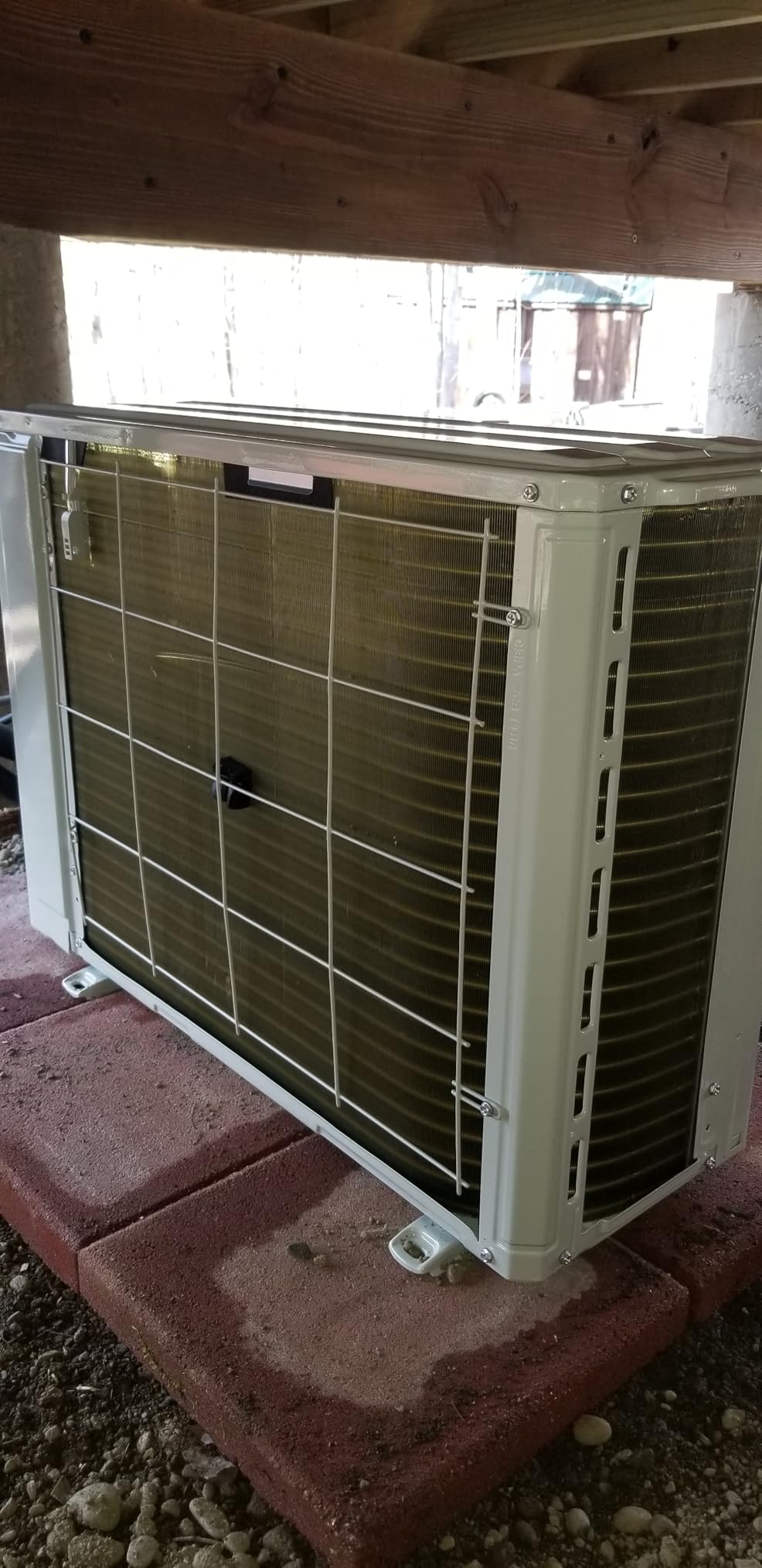
Where the outdoor unit goes is more constrained than most buyers expect, and this is the number one question we saw on HVAC forums about bedroom installs. It needs a solid, level pad or a wall bracket, clear airflow around the coil, a location within the manufacturer’s line-set limit, and a spot that is not directly under a bedroom window or next to a neighbor’s patio. Condensers are audible at night, and a poorly placed unit two feet from a shared wall is a genuine nuisance for the people next door.
Also check your local noise ordinance before you pick a wall, and ask your association if you are in a condo. In many buildings, any exterior change requires approval, and that approval process can add weeks. The same conversation covers the drilling and condenser questions that renters ask about constantly, and the answer is the same: without permission and without somewhere to put the outdoor unit, a mini split is not a realistic bedroom option.
On incentives, one thing changed that matters for anyone buying now. The federal 25C residential clean energy credit ended for systems placed in service after December 31, 2025, so a mini split installed in 2026 does not qualify for that federal deduction. State, utility and local programs are still the place to look, and the DSIRE database is the most complete public directory of what is available by state and utility. Ask your utility before you buy, because some of these programs are income-qualified or rebate-funded rather than tax-credit funded.
On brand tiers, a rough rule holds up against the review data. Daikin, Mitsubishi Electric, Fujitsu, LG, Carrier and Bosch lead on longevity and parts availability, and HVAC technicians are most likely to have worked on them. MRCOOL, Senville, Pioneer and Garvee sit in the value tier and deliver most of the performance for far less. The no-name marketplace-only brands are where the recurring problems sit: thin manuals, unreliable Wi-Fi modules, inconsistent noise, and units that come in two separately delivered packages. None of the ten systems here is a no-name, but two of them have warranty wording we would resolve in writing first.
Frequently Asked Questions
What size mini split is good for a bedroom?
A 9,000 BTU ductless mini split fits most bedrooms up to about 350 square feet, and 12,000 BTU covers 400 to 500 square feet. Add roughly 10 percent for west-facing windows, dark shingles or high ceilings, and about 25 BTU per square foot for an attic room directly under the roof deck. Confirm the final size with an ACCA Manual J load calculation.
Who makes the best ductless mini split system?
Daikin, Mitsubishi Electric, Fujitsu, LG, Carrier and Bosch lead on longevity and parts availability, and local HVAC technicians are most familiar with them. MRCOOL, Senville, Pioneer and Garvee deliver most of the performance for far less money. For a bedroom, where you sleep eight hours a night beside the head, we lean toward the established names unless the value tier has a warranty you can confirm in writing.
What mini split brands to stay away from?
Treat any brand with no US parts supply, no local technician familiarity and no clearly published warranty as a last resort. The recurring complaints on marketplace-only brands are incomplete manuals, inconsistent noise figures, unreliable Wi-Fi modules, and units that arrive in two separate deliveries. Check that the warranty length is written down rather than implied by a feature bullet.
Can you put a mini split in my bedroom?
Yes, and it is one of the best upgrades you can make to a bedroom, because the compressor noise stays outside and the indoor head is far quieter than a window unit. You do need an outdoor condenser you can mount, a small line-set penetration through an exterior wall, and adequate electrical capacity. Renters, condo owners with association restrictions, and anyone without outdoor space should use a window or portable unit instead.
Is a mini split loud enough to sleep next to?
It depends entirely on the model and the fan speed. For a bedroom, look for a rated indoor figure of 26 dB or below. The units in our roundup run from 23 dB at the low end to figures above 40 dB on some listings, and two of them publish a noise number that conflicts with their own feature text. Aim the louver away from the pillow, turn the display off and use sleep mode.
Why is my electric bill so high with mini split?
Usually one of four things: the unit is oversized and short-cycling, the SEER2 rating is low, the filter or coil is dirty, or the thermostat is left in continuous mode rather than auto. Check the filter condition first, confirm the thermostat is set to auto rather than holding a setpoint, and read the SEER2 rating on the label. A correctly sized inverter unit on a clean filter is the efficient case.
How many sq ft is a 9000 BTU mini split good for?
A 9,000 BTU mini split comfortably cools a room up to about 350 square feet with standard 8 foot ceilings, and some listings claim coverage to 450 square feet depending on climate and insulation. Size up toward 12,000 BTU for large windows, west-facing rooms, vaulted ceilings, or any room that sits directly under the roof deck.
Final Verdict
After weighing all ten, the Senville LETO 12,000 BTU is the best ductless mini split for bedrooms in 2026 for most people, because it combines a 20.8 SEER2 inverter, 110 volt electrical, a 28 decibel indoor rating, a 16 foot line set and a five year compressor warranty with by far the largest owner base in the group. If you are a light sleeper or shopping for a nursery, the COSTWAY 12,000 BTU is the one to beat on quietness at 23 dB, and the Mountman 9,000 BTU is the best 26 dB option if your line-set run is short enough.
Before you order anything, do the boring part first: measure the room, measure the run to your condenser location, and confirm your electrical panel. Size the unit to the room, confirm the low-speed noise figure in writing, and get the warranty length stated rather than implied. If you rent or have nowhere to put the outdoor unit, a window unit is the honest answer and we would rather tell you that than sell you a system that cannot be installed.
We may earn a commission on purchases made through the links on this page, at no additional cost to you. That is how we keep the testing and research on every roundup free.