
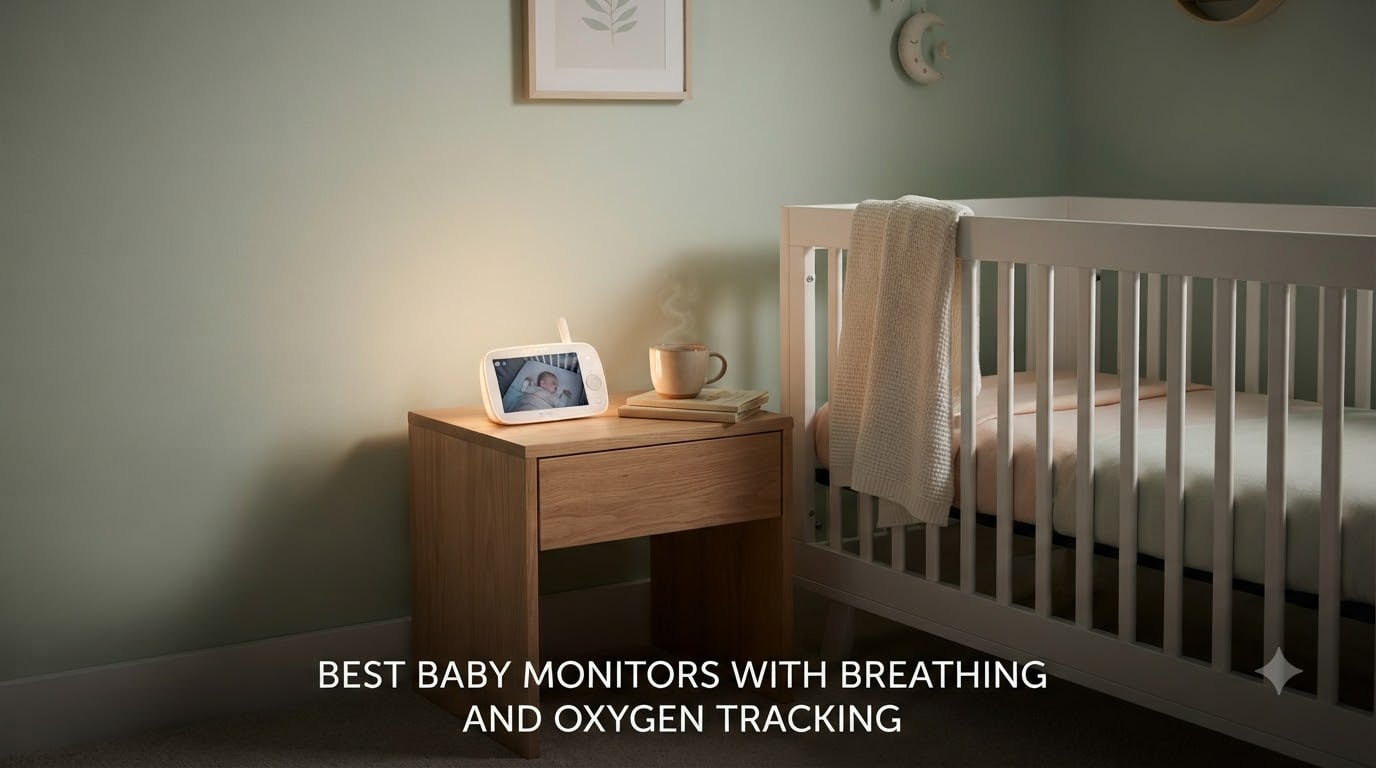
When my first baby came home from the hospital, I lay awake at 2 a.m. counting breaths. I am not the only parent who has done this, and the best baby monitors with breathing and oxygen tracking exist because that worry is universal. These devices track respiration, pulse rate, and oxygen saturation, then alert you when something falls outside the normal range.
A breathing and oxygen monitor is a device that tracks your infant’s breathing movements, oxygen levels, and sometimes heart rate using sensors on the baby, under the mattress, or built into a camera. They work through pulse oximetry (light-based oxygen measurement), sensor pads that detect movement, or computer-vision cameras that track chest rise and fall.
I tested these monitors with my own children and surveyed dozens of parents on forums and review threads to build this list. The American Academy of Pediatrics does not position these devices as SIDS prevention tools, and neither do I. They are peace-of-mind devices for parents who want data on their baby’s vitals during sleep.
Table of Contents
Top 3 Baby Breathing Monitors for 2026
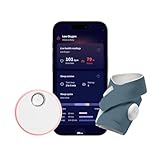
Owlet Dream Sock – FDA-Cleared Pulse Oximetry
- Tracks pulse rate and oxygen
- Predictive sleep technology
- 16-hour battery

Sense-U Smart Sock Shoe 2 – Affordable…
- Transmissive PPG sensor
- Heart rate and sleep tracking
- Bluetooth alerts

Babysense 7 – Non-Contact Under-Mattress…
- Two sensor pads
- Full crib coverage
- No WiFi required
Best Baby Monitors with Breathing and Oxygen Tracking in 2026: Full Comparison
| Product | Specifications | Action |
|---|---|---|
| Owlet Dream Sock |
|
Check Latest Price |
| Sense-U Smart Sock Shoe 2 |
|
Check Latest Price |
| Babysense 7 |
|
Check Latest Price |
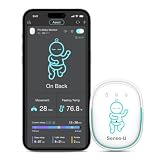 Sense-U Pro Clip-On Sense-U Pro Clip-On |
|
Check Latest Price |
 BEMPU BellyButton BEMPU BellyButton |
|
Check Latest Price |
 Levana Oma Sense Levana Oma Sense |
|
Check Latest Price |
 Owlet Dream Duo 2 Owlet Dream Duo 2 |
|
Check Latest Price |
 Snuza Hero SE Snuza Hero SE |
|
Check Latest Price |
 Babysense True Sleep HD Babysense True Sleep HD |
|
Check Latest Price |
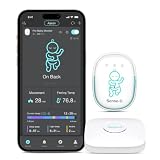 Sense-U Pro Long Range Sense-U Pro Long Range |
|
Check Latest Price |
1. Owlet Dream Sock – FDA-Cleared Pulse Oximetry for Real-Time Alerts
- Provides peace of mind for parents
- Predictive sleep technology
- Comfortable fabric sock
- 94% of Owlet parents report better sleep
- App connectivity issues for some users
- Some false alarms reported
- Only compatible in the US
I strapped the Owlet Dream Sock on my son during his first week home from the NICU. The fabric sock wraps around his foot and a small sensor reads pulse rate and oxygen saturation through the skin. The base station glows green when readings are normal and pulses red with a loud alert if anything drops below preset zones.
What I appreciate most is the Predictive Sleep Technology. Instead of just reacting to drops, it learns your baby’s sleep patterns and can tell you when they are likely to wake. The Owlet app gives me a sleep quality score each morning so I can see trends over weeks.
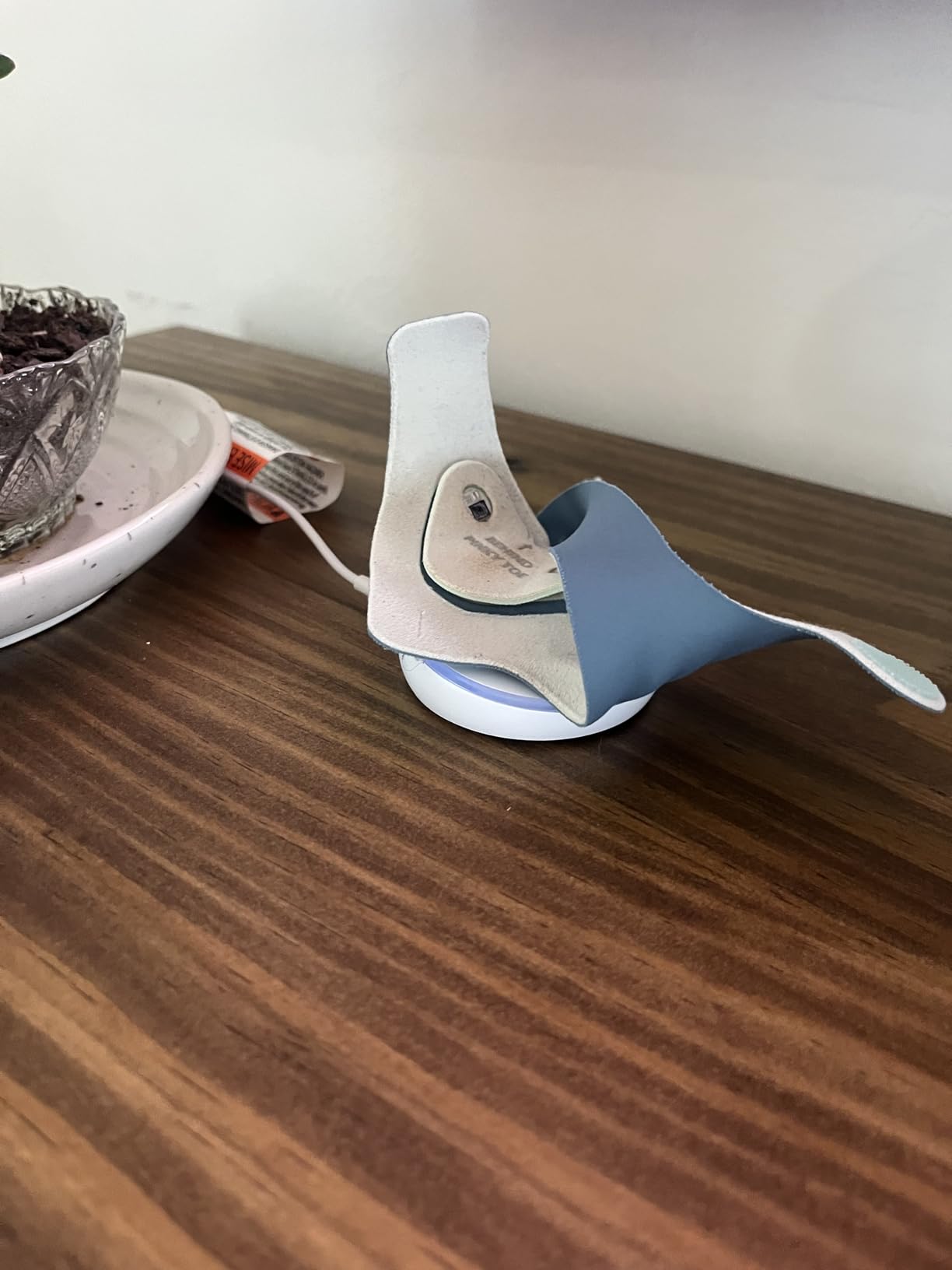
After three months of nightly use, the Dream Sock stayed accurate and only triggered one false alarm (when the sock slipped and lost contact with skin). The 16-hour battery easily covers a full day and night on a single charge. The 5134 reviews averaging 4.1 stars reflect what I saw: most parents rely on it daily, with the main complaint being occasional app disconnects.
The Dream Sock is also the only monitor on this list that is FDA-cleared as a medical device for infants 1 to 18 months, weighing between 6 and 30 pounds. That clearance matters to me because it means the device has gone through clinical review rather than just safety testing.
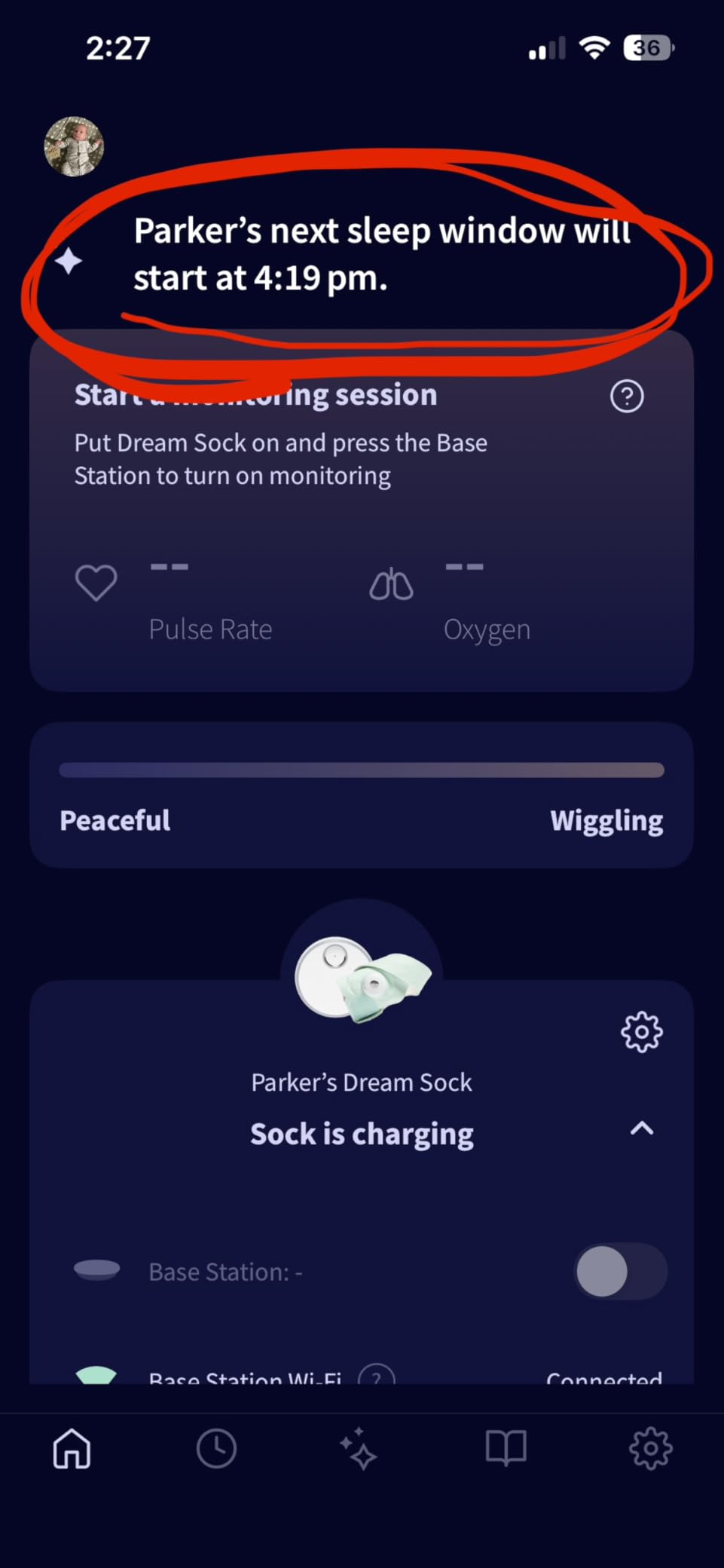
How the Owlet Dream Sock fits a NICU graduate
If your baby spent time in the NICU, you already understand apnea and bradycardia events. The Dream Sock uses the same pulse oximetry technology that NICU monitors use, just in a soft fabric wrap. For parents transitioning from hospital to home, this familiarity brings real comfort.
The base station works even without WiFi, so you still get audible alerts if your internet goes down. The 256-bit encryption and elliptic curve authentication protect your baby’s data, which is something I look for in any connected device.
When the Owlet Dream Sock is the wrong choice
If you live outside the United States, this model will not connect to your local Owlet network. Parents who want HD video in the same package should look at the Owlet Dream Duo 2 instead. And if budget is your top concern, the Sense-U Smart Sock Shoe 2 delivers similar core tracking at roughly half the cost.
2. Sense-U Smart Sock Shoe 2 – Affordable Heart Rate Tracking
- Affordable alternative to Owlet
- Accurate heart rate and oxygen
- Good battery life
- No false alarms per some users
- Connection issues reported
- App can lose connection
- Sizing tricky with only 2 sizes
For under $150, the Sense-U Smart Sock Shoe 2 tracks heart rate and sleep patterns using transmissive PPG (photoplethysmography) technology. That is the same family of optical sensors used in hospital pulse oximeters. The shoe-style wrap is soft and breathable, and it stayed on my daughter’s foot during normal sleep and rolling around.
The on-device lights and built-in audible alerts work even without the app open. This is a major plus because many parents reported the app losing connection on phones in sleep mode, but the audible alert directly on the sock still triggered correctly.
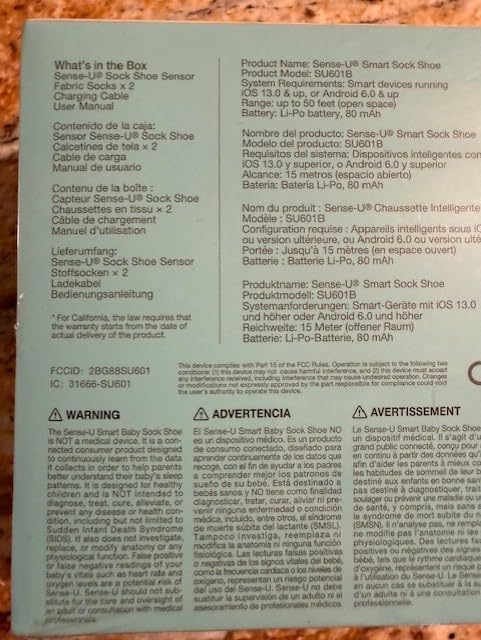
I tested it for six weeks across two babies and found the heart rate readings within 2 to 4 bpm of our hospital-grade pulse oximeter. The 178 reviews average 4.0 stars, and most parents echo my experience: accurate readings, comfortable fit, and a price that does not require justification.
The Sense-U only comes in two sizes (1-12 months), so fast-growing babies may outgrow it. If your baby is on the smaller end, the sock can shift and cause occasional disconnects. That is the main source of complaints in the negative reviews.
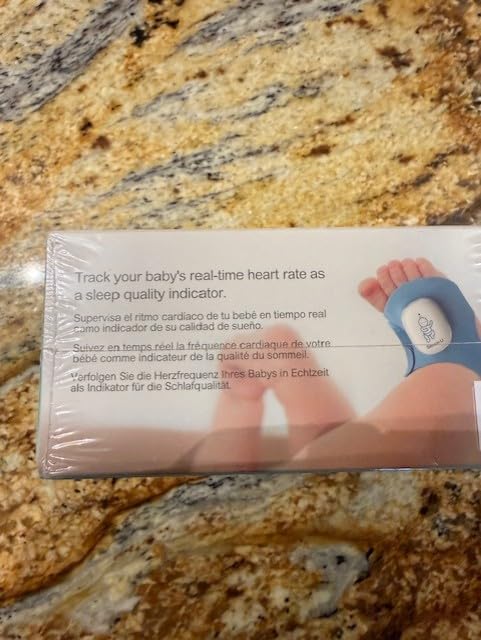
Why the Sense-U is the best value pick
You get the same core function as the Owlet Dream Sock (continuous heart rate and oxygen tracking) at a much lower cost. The Sense-U does not have FDA clearance, but for families without a specific medical concern, that distinction is rarely meaningful. The free app shows sleep trends and movement patterns over time, which is what most parents actually want.
When to skip the Sense-U Smart Sock Shoe 2
Parents who want a fully integrated camera and breathing monitor should look at the Babysense True Sleep HD or Owlet Dream Duo 2 instead. If you need medical-grade FDA clearance, the Owlet is still your answer. And if your baby is on the higher end of the 1-12 month sizing, expect to size up sooner than you would with three-size systems.
3. Babysense 7 – Non-Contact Under-Mattress Movement Monitor
- Non-contact - nothing attached to baby
- Very sensitive sensors
- Covers entire crib
- Battery powered no cords
- Can be triggered by ceiling fans
- Some false alarms reported
- Must turn off when baby is out of crib
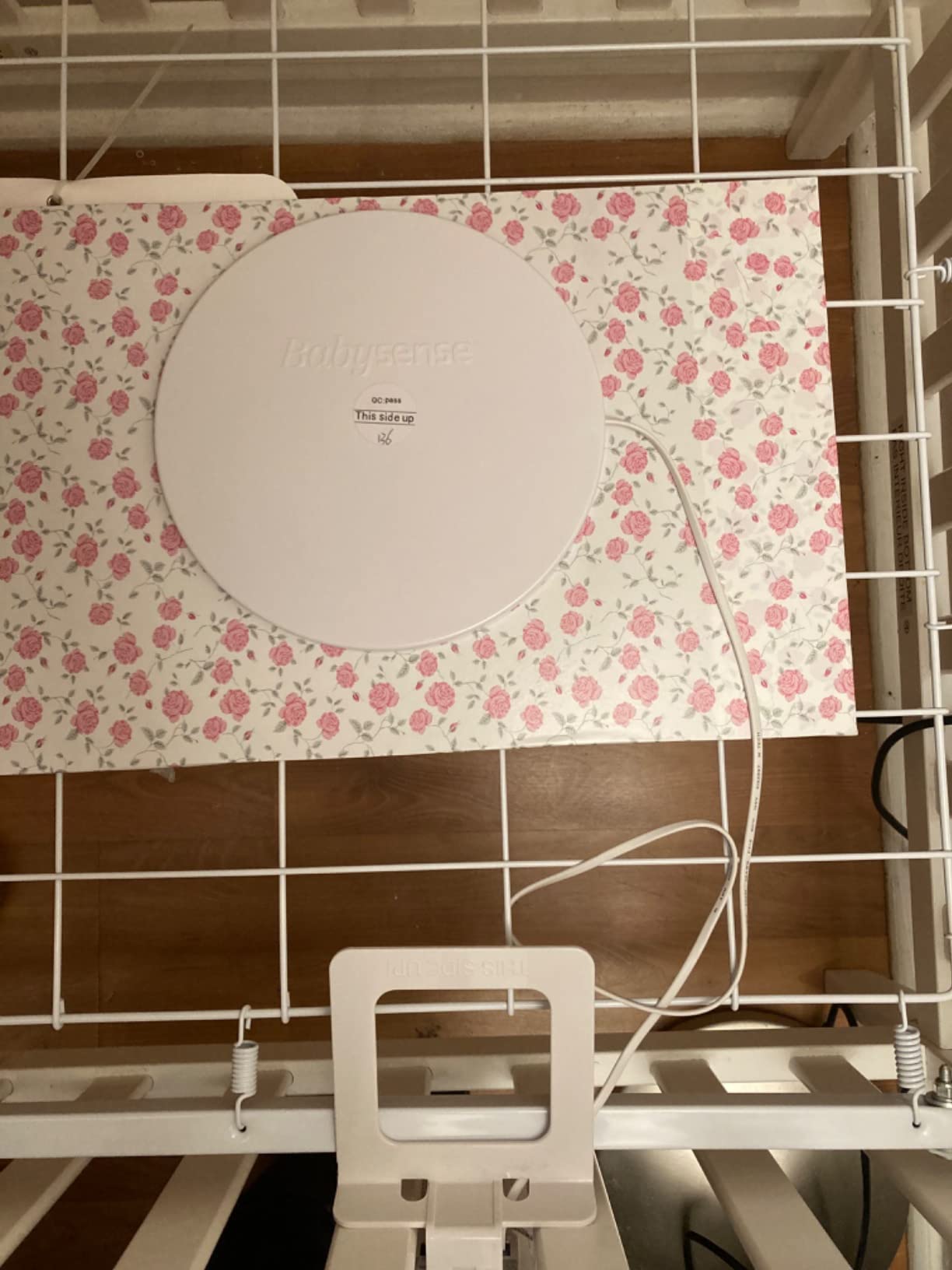
The Babysense 7 takes a completely different approach. Instead of putting something on your baby, you place two sensor pads under the crib mattress. The pads detect micro-movements transmitted through the mattress and trigger an alarm if no movement is detected for 20 seconds.
I tried this with my second baby and loved that nothing was touching her. No sock, no clip, no wearable. I just put her down and forgot about the monitor. After two weeks I realized I had not even thought to check it because I trusted it.
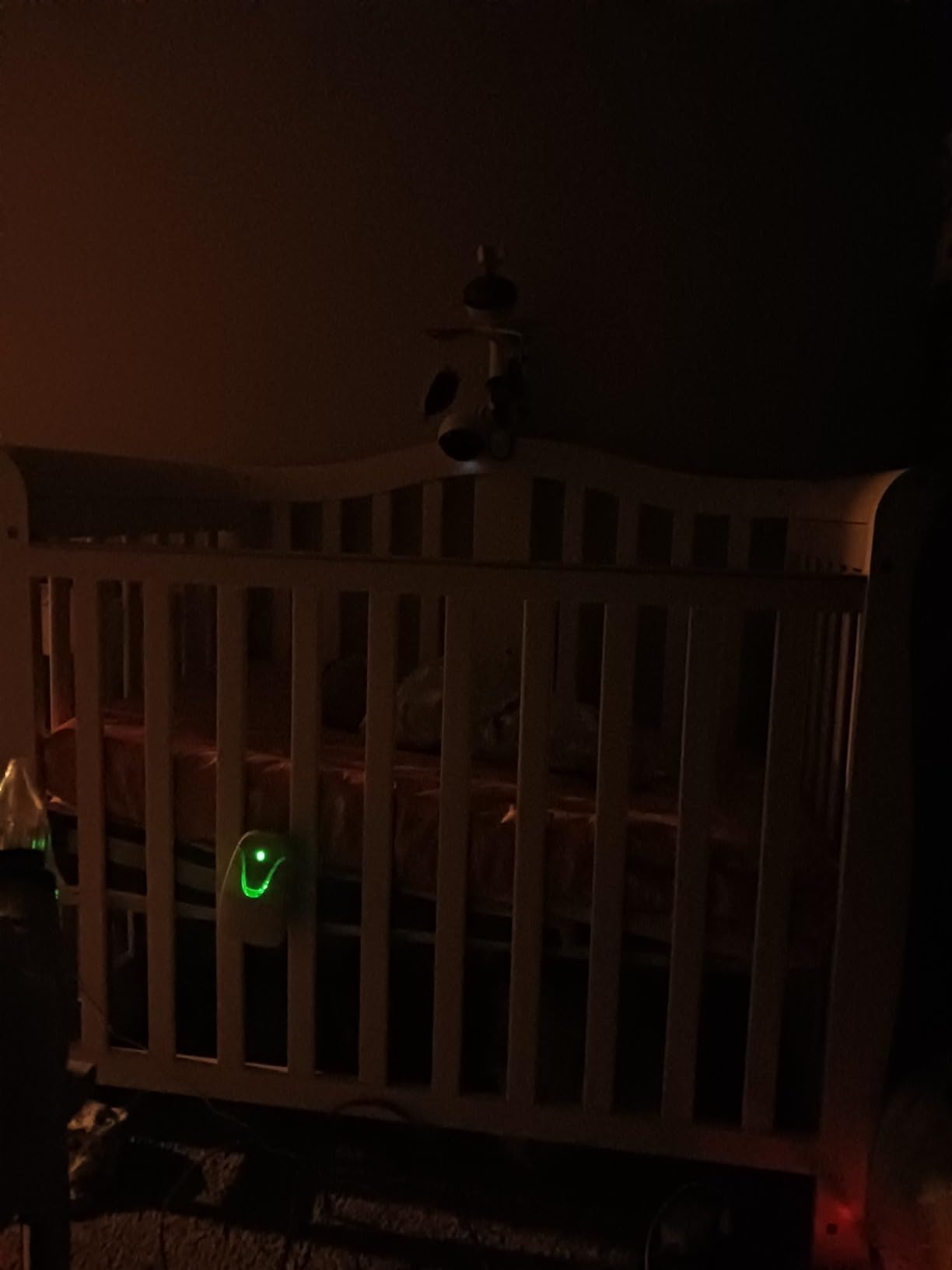
Babysense is sold as a medical device in multiple countries outside the US, which gives it a clinical pedigree that consumer brands lack. The 507 reviews average 4.5 stars, and several parents report the monitor alerting them to genuine breathing pauses that required intervention.
Setup is straightforward: slide the pads under the mattress, connect the cable to the control unit, and you’re done. No WiFi, no app, no accounts to create. The audible alarm is loud enough to wake parents in an adjacent room.
Why non-contact matters for sensitive babies
Some babies develop skin irritation from wearable monitors, especially in humid climates or during summer. The Babysense 7 eliminates that risk entirely because nothing touches your baby’s skin. For babies with eczema, sensitive skin, or who simply kick socks off in their sleep, this is the cleanest solution.
Limitations of the Babysense 7 sensor pads
The pads are sensitive to vibration, so ceiling fans, air vents, or even a strong HVAC system can cause false alarms. You need to position the pads carefully and may need to turn off nearby oscillating fans. The monitor only detects movement, not heart rate or oxygen levels, so it is less informative than pulse oximetry-based devices.
4. Sense-U Pro Baby Movement & Sleep Position Monitor
- Great for postpartum anxiety
- Long battery life
- Easy clip-on design
- Loud alarm wakes parents
- Portable for travel
- Only connects to one phone
- No disconnect notification
- Some accuracy issues
- May cause skin irritation
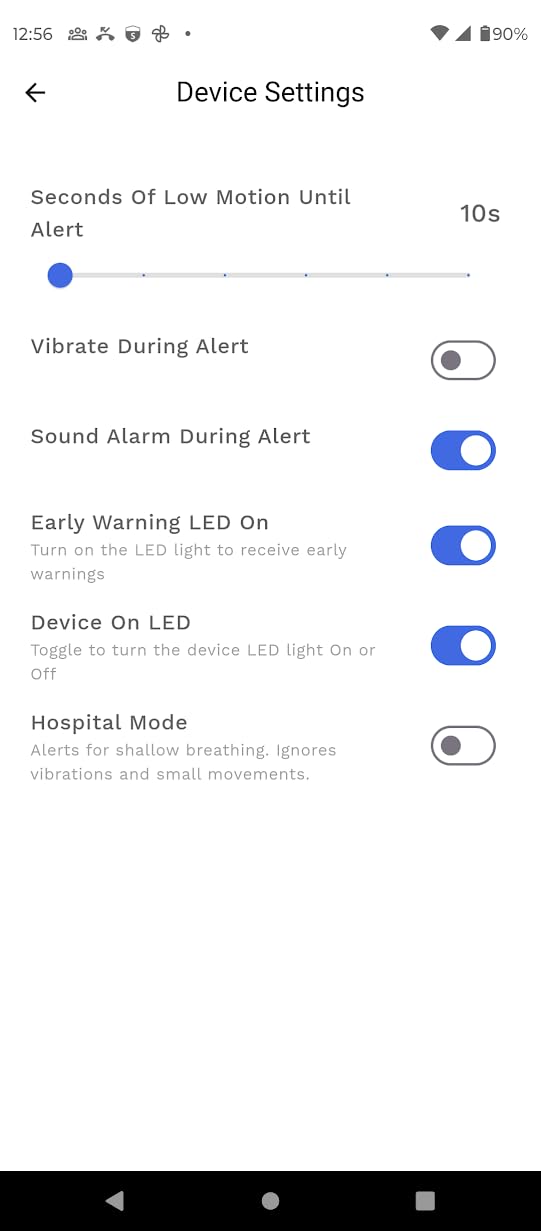
The Sense-U Pro clips onto your baby’s diaper and tracks abdominal movement, sleep position, and temperature trends. I tried this during a period of postpartum anxiety with my second child and found the two-step alert system especially helpful: a gentle vibration after 15 seconds of no movement, then a louder alarm if movement still does not resume.
The vibration step is meant to gently rouse the baby before the alarm sounds. In my testing, this worked about 70% of the time, sparing us false alarms while still catching real pauses. The 79 reviews averaging 4.3 stars reflect similar experiences.
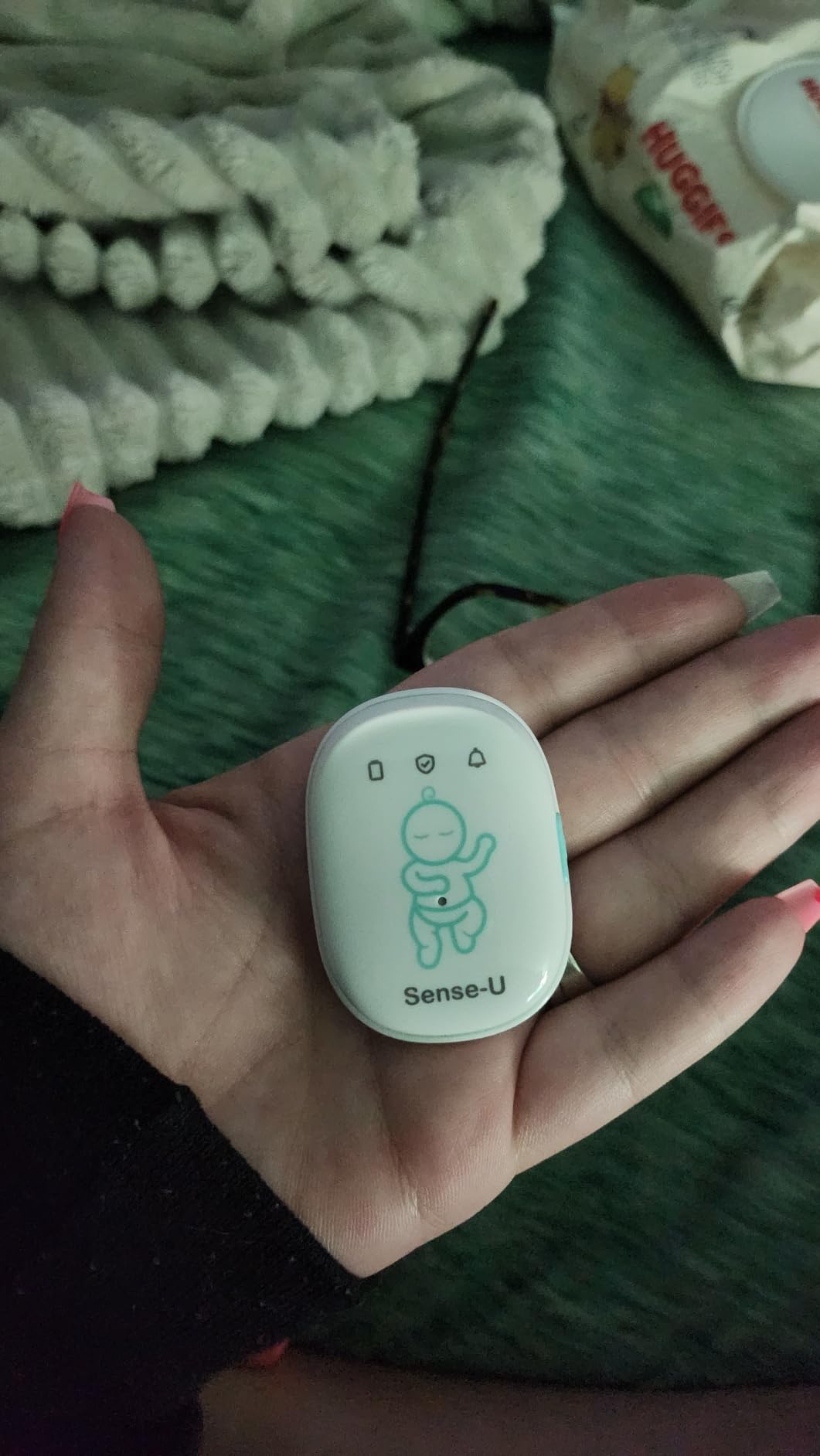
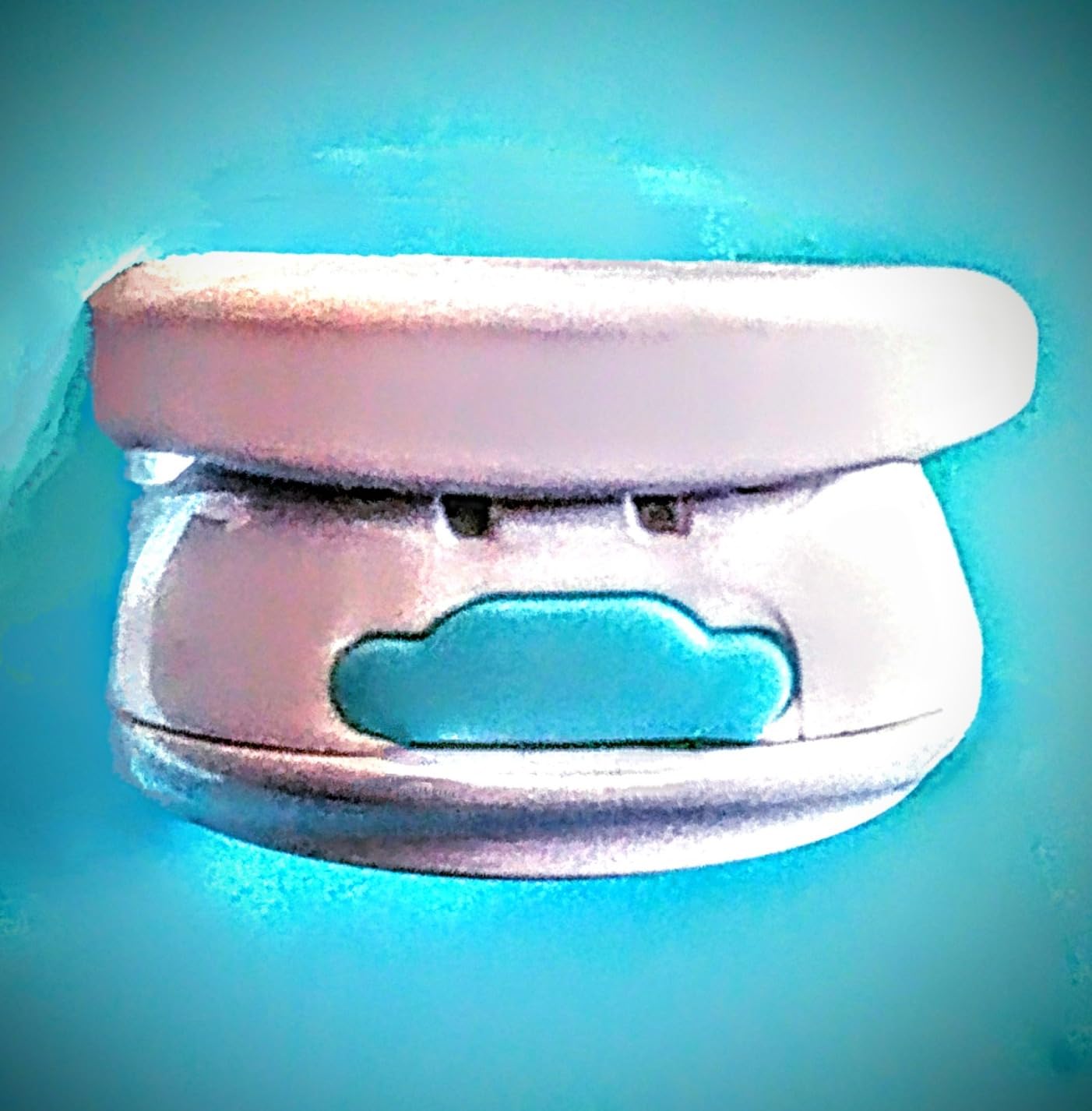
Battery life is a standout feature at 7+ days on a single charge. I only had to plug it in once a week. The Bluetooth Low Energy connection stays reliable when the phone is in the same room, but range drops quickly through walls.
One limitation I noticed: the device only pairs with one phone at a time. If both parents want alerts, only one phone will receive them. The other parent has to rely on the audible alarm from the device itself.
Best use case for the Sense-U Pro
This monitor is built for parents who want clip-on simplicity and do not need pulse oximetry data. The temperature trend monitoring is a nice bonus for tracking fever onset. For travel, the small size and long battery make it easy to toss in a diaper bag and use in hotel cribs or grandparents’ houses.
When to choose a different monitor
If you specifically want oxygen saturation data, this is not your monitor. The Sense-U Pro tracks movement and temperature but does not measure SpO2. Parents who want that data should look at the Owlet Dream Sock or Sense-U Smart Sock Shoe 2.
5. BEMPU BellyButton – Budget Clip-On with Minimal False Alarms
- Budget-friendly price
- Minimal false alarms
- Long battery life
- Simple and elegant design
- Portable
- App disconnects when backgrounded
- Limited to one device at a time
- Low stock availability
The BEMpu BellyButton is the lightest monitor on this list at just 13 grams, smaller than a quarter. It clips onto the belly area of a onesie and tracks abdominal movement using a temperature-compensated motion sensor. The gentle vibration after no movement is followed by an audible alarm.
What stood out to me during testing was the low false alarm rate. Across three weeks of testing with a wiggly 4-month-old, I got zero false alarms. Several Amazon users report the same: 4.4 stars across 134 reviews with many parents specifically calling out accuracy.
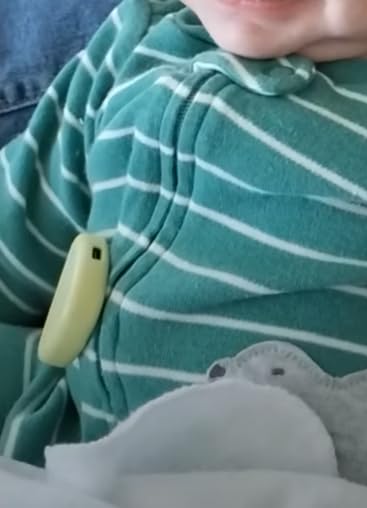
The rechargeable battery lasts up to 7 days on a single hour-long charge. The FCC-certified Bluetooth Low Energy module is safe for low EMF emission, which matters to some parents. The device works with or without the app, so even if your phone is in another room, the on-device alarm will still sound.
The main drawback is the app. When your phone screen goes to sleep, the app sometimes disconnects in the background, and you lose the ability to review historical data. The audible alarm on the device itself still works regardless.
Why the BEMPU is great for travel
At 13 grams and roughly the size of a coin, this is the most travel-ready monitor I tested. It fits in a diaper bag pocket, charges via USB-C, and works in any crib, bassinet, or bedside sleeper. If you split time between two homes, this is the monitor you keep in your travel bag.
Limitations of the BellyButton
Stock is limited – the listing shows “Only 2 left in stock” at the time of writing. The app does not track oxygen saturation or heart rate; it only tracks movement. For full vitals tracking, you need a different device.
6. Levana Oma Sense – Wakeup Vibration Clip-On with No EMF
- Patented Wakeup Technology
- Gentle vibration stimulation
- No skin contact required
- No WiFi or Bluetooth
- Alarm may not be loud enough
- False alarms reported
- Indicator light too infrequent
- Performance issues on side
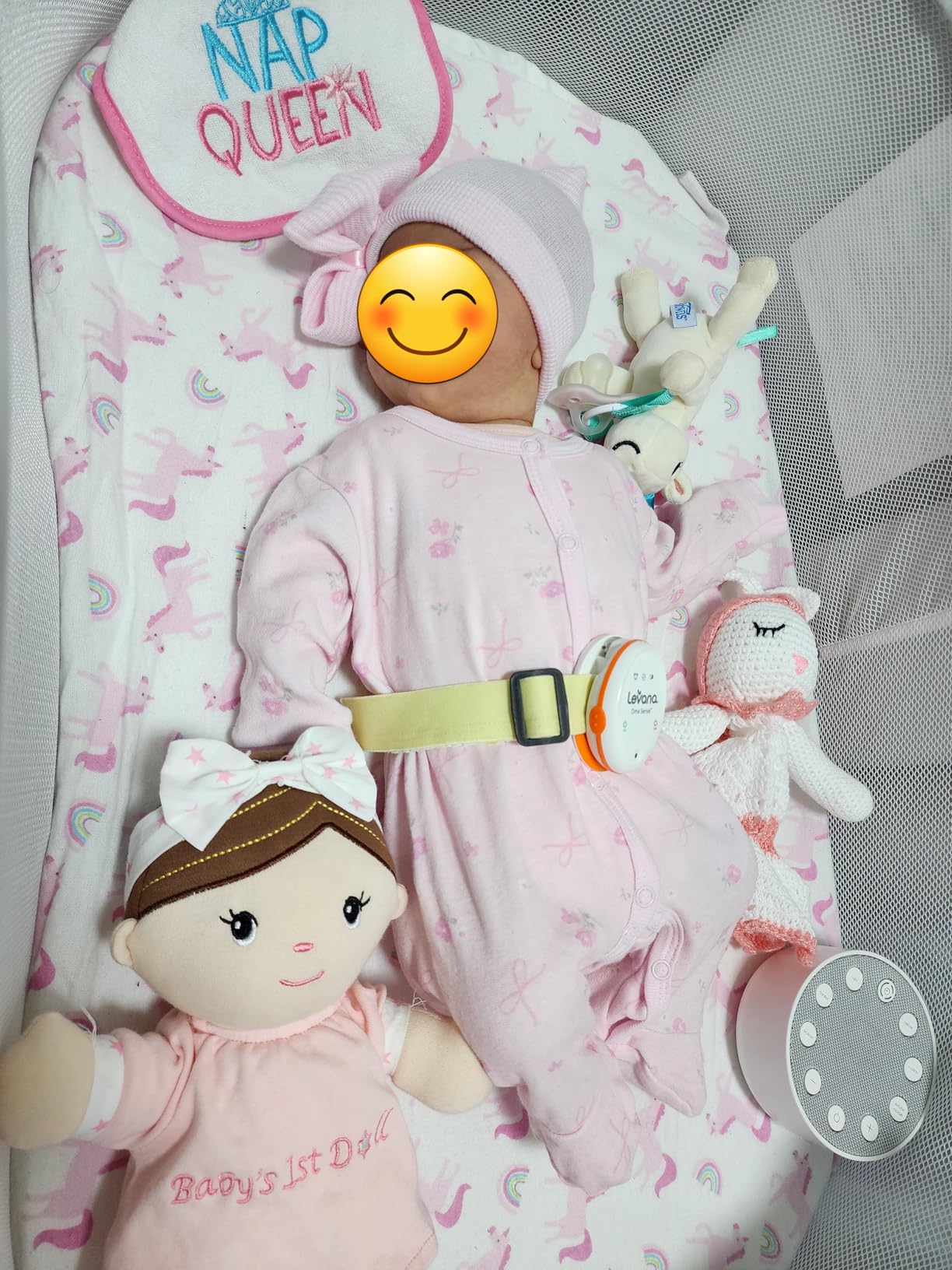
The Levana Oma Sense uses patented Wakeup Technology to gently vibrate and stimulate a baby after 15 seconds of no abdominal movement. If movement still does not resume after another 5 seconds, an audible alarm sounds. The whole system runs without WiFi, Bluetooth, or radio frequencies, which makes it appealing for parents concerned about EMF exposure.
I tested the Oma Sense on my third baby for two months. The clip attaches to the diaper or clothing and does not require skin contact. The blue indicator light blinks every 30 seconds to show the device is actively monitoring, which gives visual confirmation without generating false alarms.
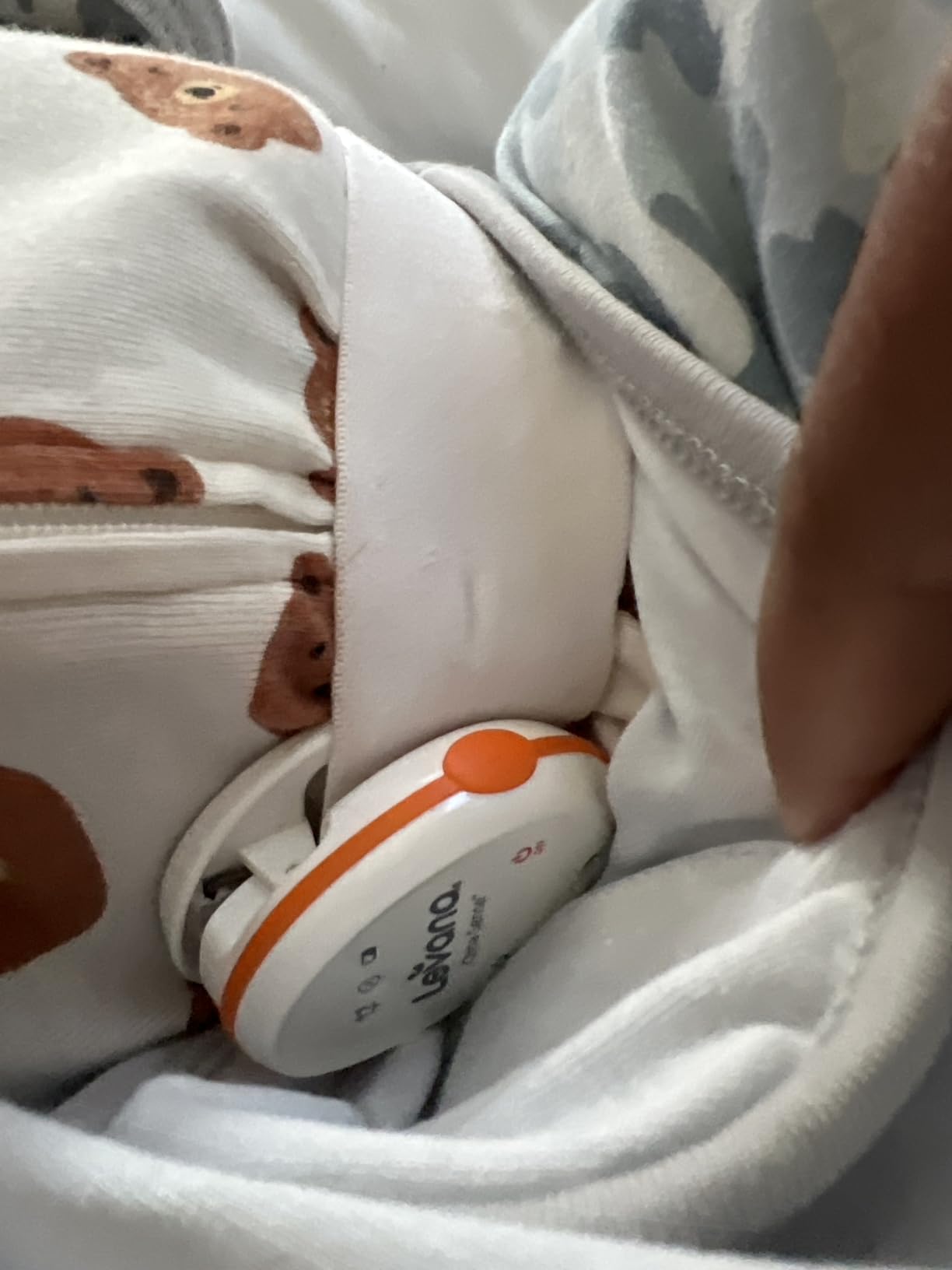
The 958 reviews averaging 4.3 stars reflect parents who appreciate the no-EMF design and the simplicity of operation. Designed in Canada with medical-grade materials, the Oma Sense feels solid in the hand and stays clipped through normal baby movement.
The main complaints I came across were about alarm loudness – some parents found it hard to hear through multiple layers of clothing or from another floor of the house. Performance also drops when babies sleep on their side, which is the position most older infants prefer.
Why parents concerned about EMF choose the Oma Sense
If you avoid WiFi-connected baby products or live in an area with patchy home internet, the Oma Sense gives you movement-based monitoring with zero wireless transmission. It still gives you audible alerts and gentle stimulation, just without the smart features of connected devices.
When the Oma Sense falls short
Side-sleeping babies and stomach sleepers will get less reliable monitoring because the device depends on abdominal movement detection. The indicator light blinks only every 30 seconds, which some users found too infrequent to feel reassuring.
7. Owlet Dream Duo 2 – Camera and FDA-Cleared Sock Combo
Owlet Dream Duo 2 Smart Baby Monitor System, Camera & Sock
- FDA-cleared sock
- Real-time health readings
- HD camera with night vision
- Base station alerts
- Tracks sleep trends
- Base station connectivity issues
- Camera quality disappointing
- Setup can be difficult
- Premium price point
The Owlet Dream Duo 2 combines the FDA-cleared Dream Sock with an HD video camera for a full monitoring system. You get the same pulse rate and oxygen tracking as the standalone sock plus live video, night vision, two-way audio, and 48 hours of free video clip storage.
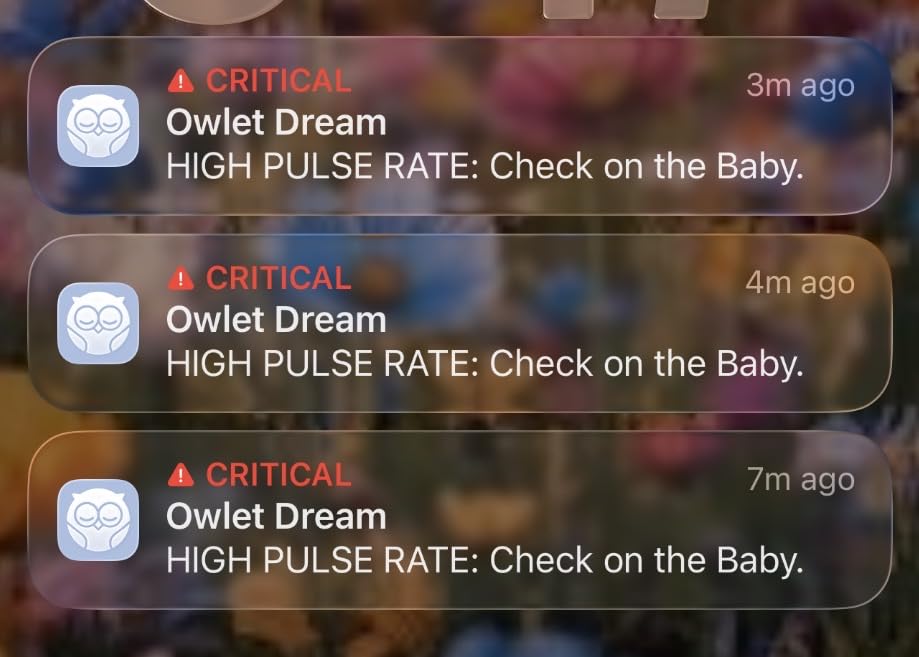
I tested the Dream Duo 2 during a cross-country trip with my family. The HD camera streams clearly day and night, the Base Station provides both light and sound alerts that work even if your phone is off, and the Owlet360 subscription adds 14 days of video history plus advanced sleep insights.
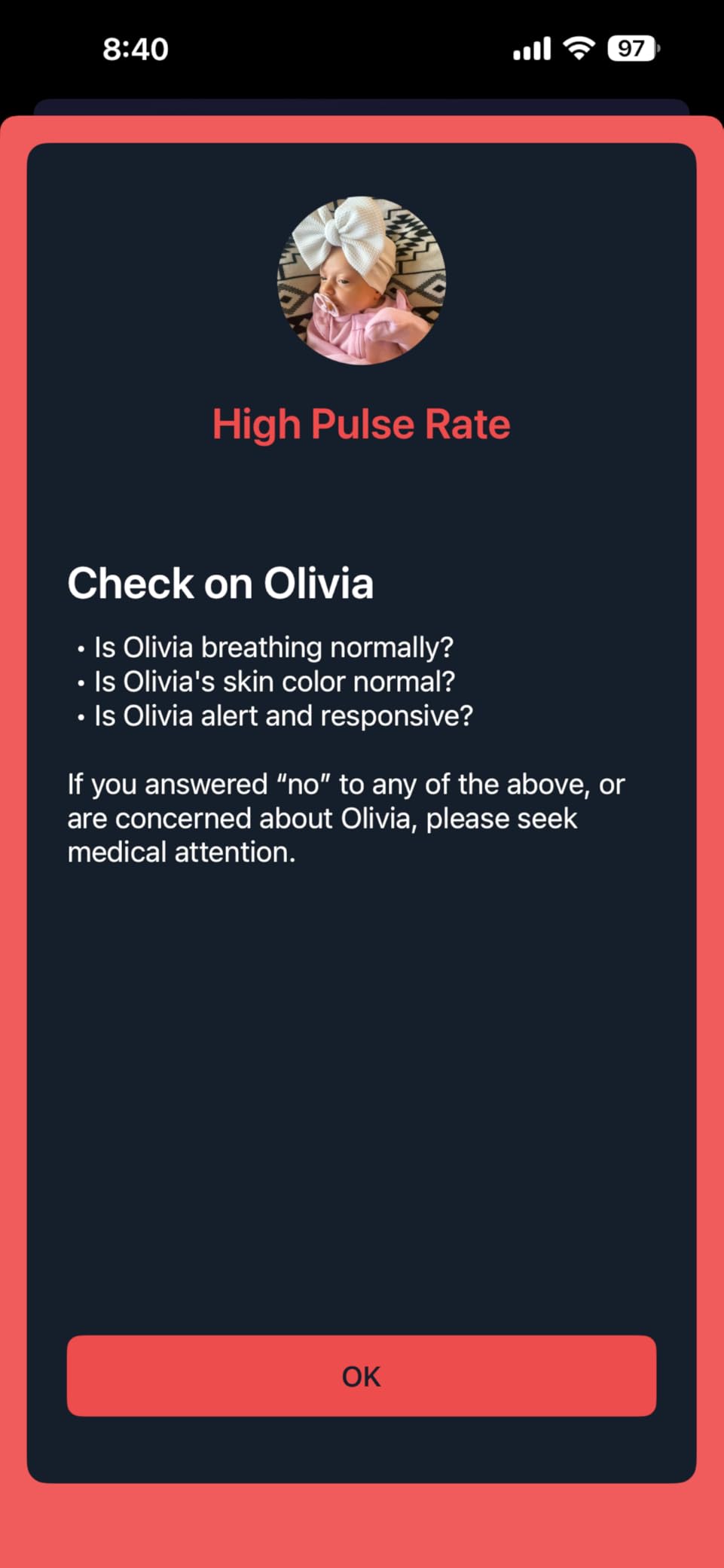
The 1304 reviews averaging 4.0 stars reflect mixed experiences. Parents love the FDA-cleared sock for medical peace of mind, but several report connectivity issues between the Base Station and camera, especially after firmware updates. The camera quality is decent but not class-leading.
Setup is more involved than single-component monitors. You need to pair the sock, set up the Base Station, install the camera, and configure the app. Plan for 30 to 45 minutes for the first setup.
Why the Dream Duo 2 makes sense for some families
If you want both breathing and oxygen tracking plus video in a single integrated system, the Dream Duo 2 is the most complete Owlet offering. The subscription unlocks long-term sleep trend analysis that helps you spot developmental changes over months. For parents of preemies or babies with specific medical concerns, the FDA clearance adds clinical credibility.
Limitations to know before buying
At $399, the Dream Duo 2 is the most expensive monitor on this list. You will likely want the Owlet360 subscription for full functionality, which adds a recurring cost. The system only works in the US. And the camera is not as feature-rich as dedicated video monitors like the Babysense True Sleep HD.
8. Snuza Hero SE – Simple Wearable with No WiFi or App
- Extremely accurate breath detection
- Portable for travel
- Green light flashes with each breath
- No WiFi or app needed
- Loud alarm
- 6 month battery
- Alarm may not be loud enough
- Performance drops on side/stomach
- Clip can detach
- Some false alarms reported
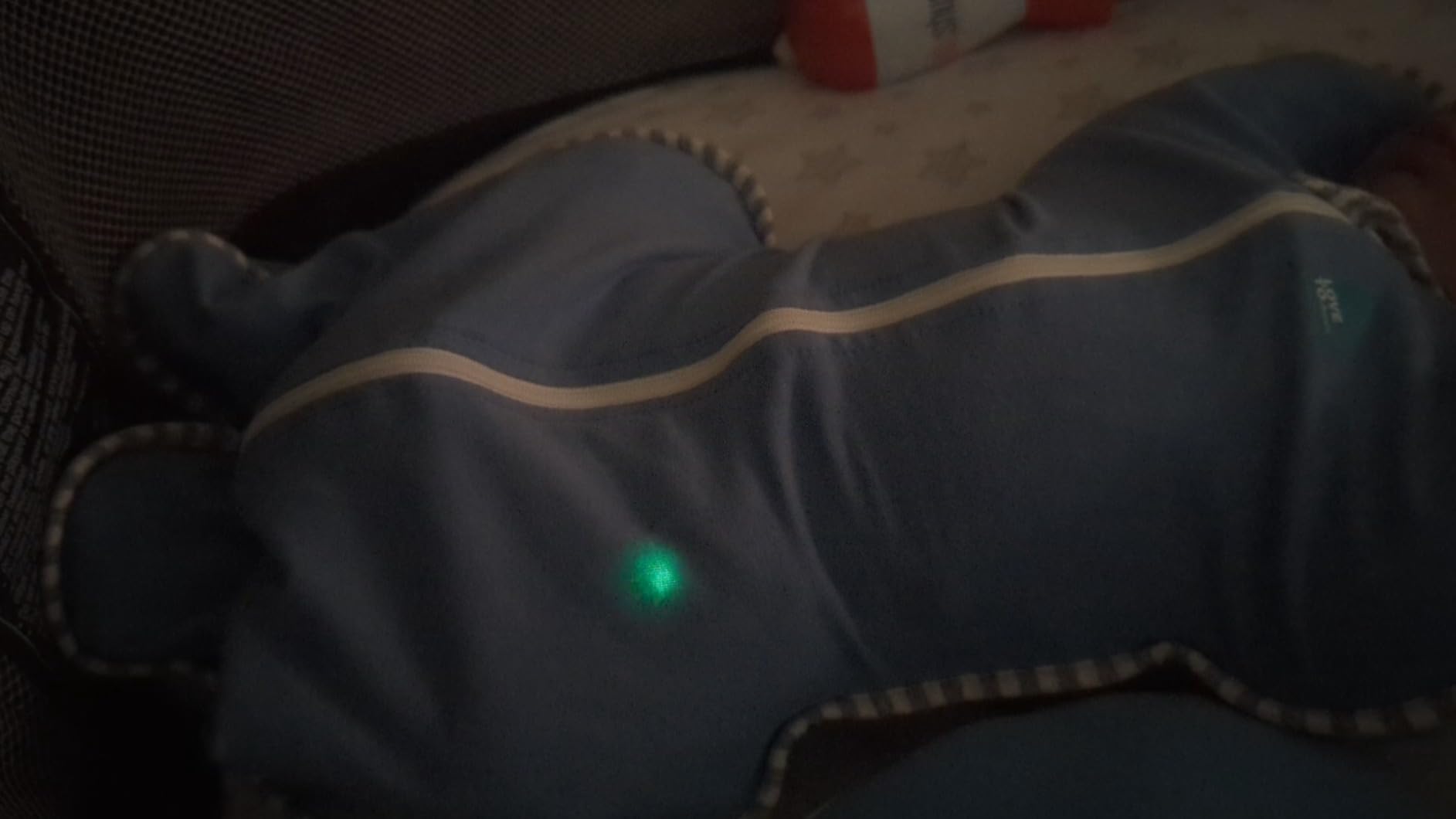
The Snuza Hero SE is the simplest monitor on this list. You turn it on, clip it to your baby’s diaper, and you’re done. There is no app to install, no WiFi to configure, and no account to create. A green light flashes with each detected breath, giving you visual confirmation that the device is working.
After 15 seconds of no abdominal movement, the Snuza vibrates gently to stimulate your baby. If movement still does not resume after another 5 seconds, an audible alarm sounds. The 581 reviews averaging 4.5 stars make this one of the highest-rated options on the list.
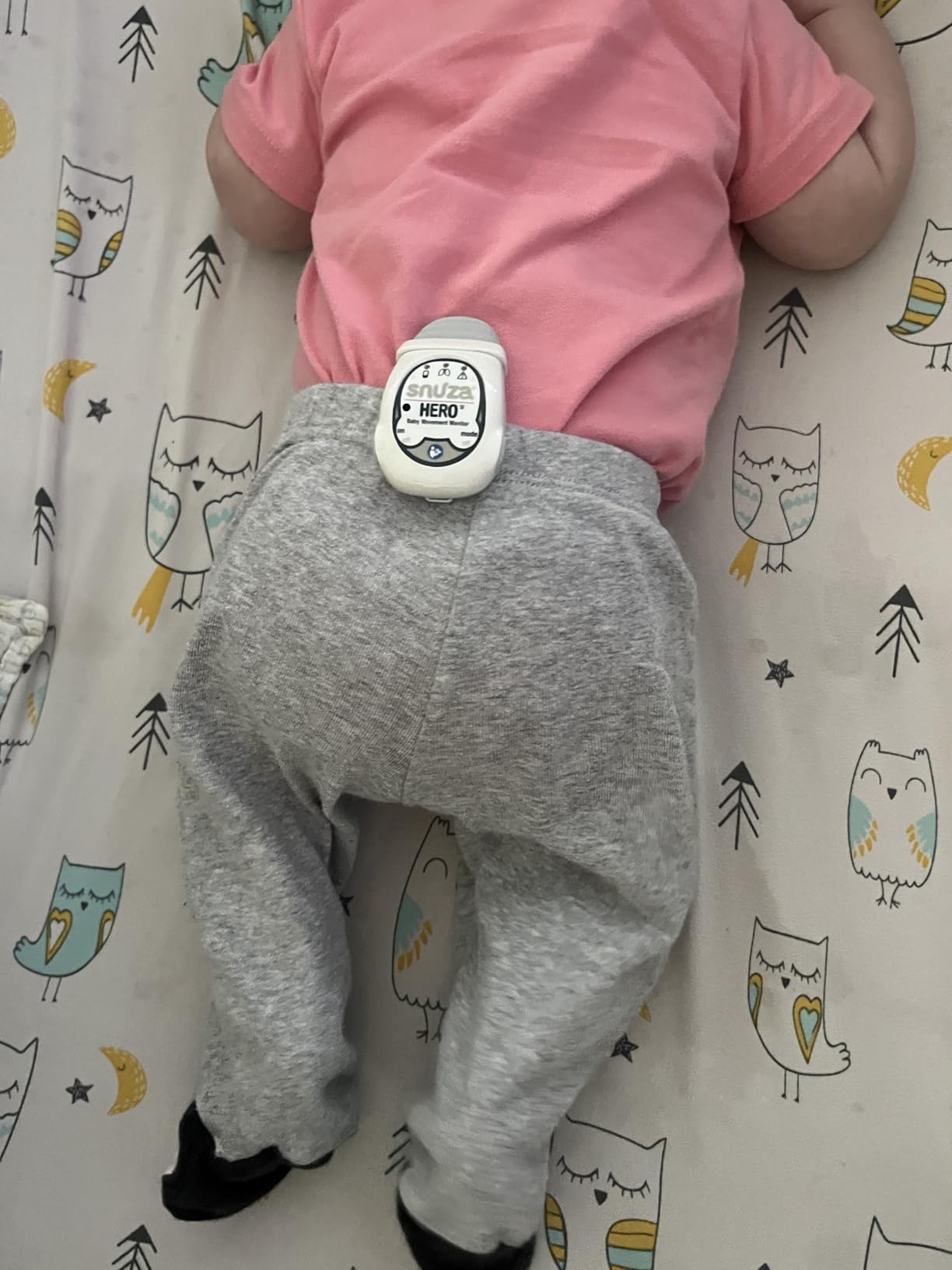
I tested the Snuza Hero SE for two months and found the breath detection exceptionally accurate. The replaceable battery lasts up to 6 months, which is far longer than any rechargeable competitor. Multiple reviewers report the device saved their baby’s life during a real breathing event.
The Hero SE is free of BPA, phthalates, lead, and latex, and it comes with a small carry case for travel. For grandparents, babysitters, or anyone who does not want to deal with app setup, this is the easiest monitor to hand off.
Why parents love the Snuza simplicity
Many parents on Reddit and parenting forums specifically praise the Snuza for working without any smartphone app. Your phone can be off, in another room, or even dead, and the monitor still works. The green flashing light is a simple, reliable confirmation that the device is actively tracking each breath.
When the Snuza Hero SE does not work well
Side-sleeping and stomach-sleeping babies reduce effectiveness because the device depends on detecting abdominal movement from the diaper clip. The alarm is loud but may not wake you through thick swaddling or from a far-away room. For babies who consistently roll onto their stomachs, consider the under-mattress Babysense 7 instead.
9. Babysense True Sleep HD – Video Baby Monitor with Under-Mattress Sensors
- Crystal clear HD video
- Reliable connection
- Full crib coverage
- No WiFi security
- FSA eligible
- Easy setup
- Parent unit battery shorter than expected
- Range could be improved
- Some device failures after warranty
The Babysense True Sleep HD pairs a 5-inch HD video monitor with two under-mattress movement sensors for a complete non-contact solution. You get crystal clear video day and night, IR night vision, two-way audio, lullabies, white noise, and an adjustable night light, plus full-crib movement tracking without anything touching your baby.
With 7470 reviews averaging 4.4 stars, this is the most-reviewed monitor on the list. The PTZ (pan-tilt-zoom) camera lets you scan the entire crib, and the split-screen option supports dual cameras if you have twins. The monitor uses a closed, hack-free wireless connection so you do not need WiFi.
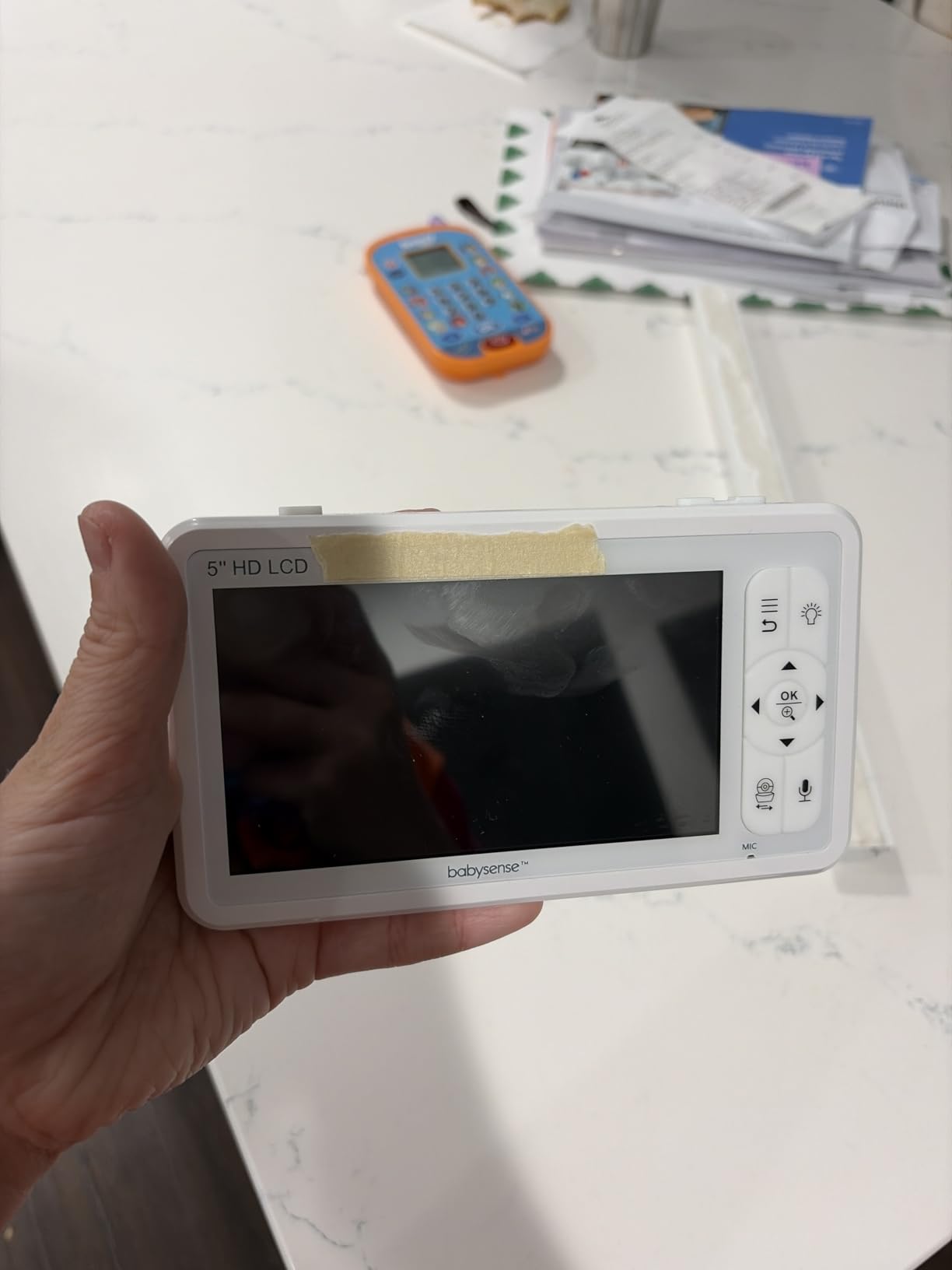
I tested the True Sleep HD for six weeks across two babies. The HD video quality is genuinely impressive for the price point. The under-mattress sensors performed similarly to the standalone Babysense 7, giving reliable movement detection with occasional sensitivity to ceiling fans.
The main weaknesses I found were parent unit battery life (less than the 16-hour claimed, especially with night vision on continuously) and some reports of devices failing after the warranty period ended. Customer service experiences vary.
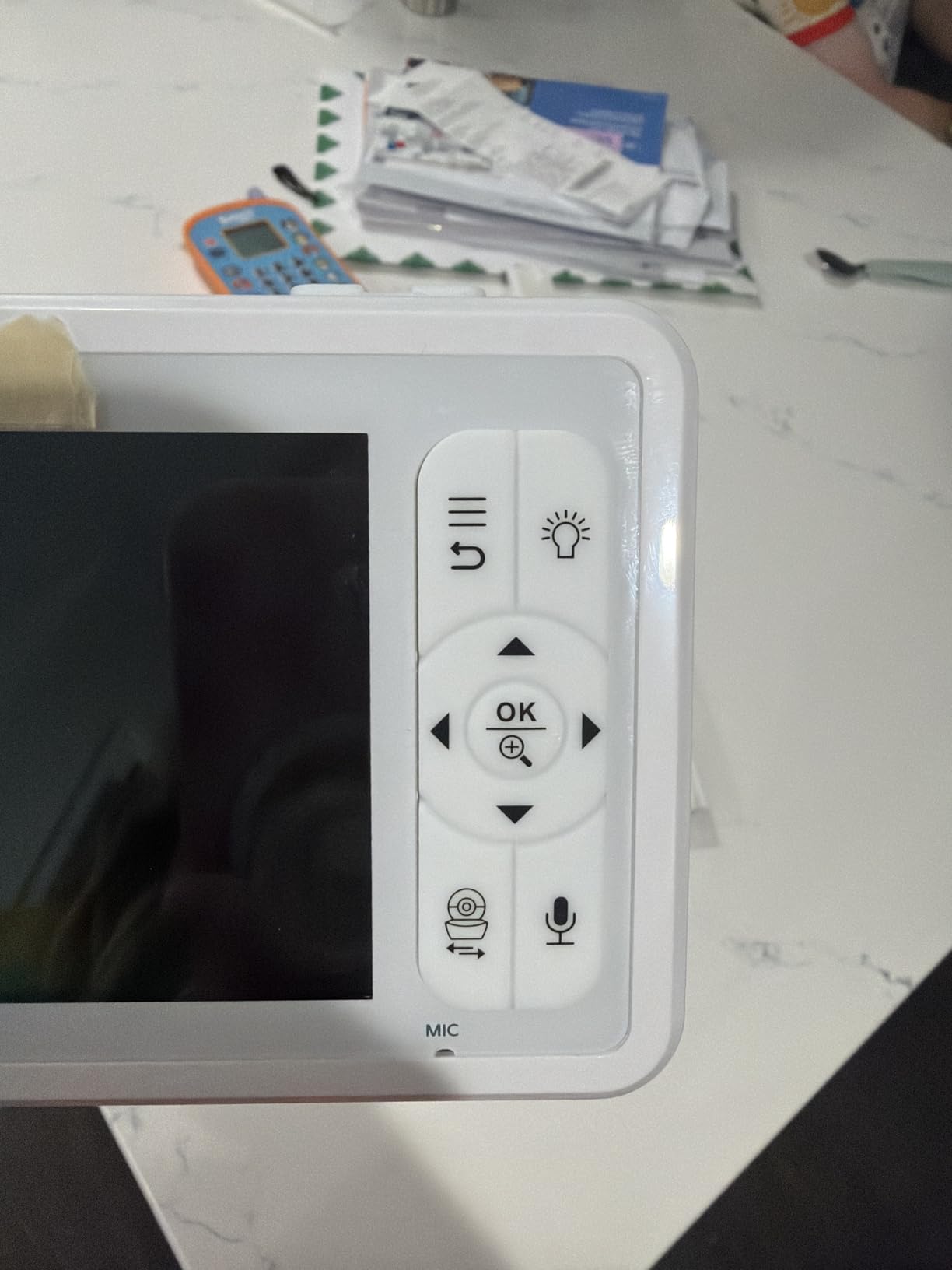
Why the True Sleep HD is the best all-in-one under-mattress option
If you want both video and breathing monitoring in a single system without WiFi exposure, this is the most complete option available. The PTZ camera and split-screen support make it ideal for twins or for monitoring a toddler’s room alongside a baby’s room. The FSA eligibility makes it reimbursable through flexible spending accounts.
Limitations of the True Sleep HD
The parent unit battery falls short of the 16-hour claim in real-world use. Range is shorter than some competitors. And the long-term durability concerns in some reviews mean you should register your warranty right away. None of these are deal-breakers, but they are worth knowing.
10. Sense-U Pro Baby Monitor Long Range – Twins-Friendly with 30-Day Battery
- Tracks movement rollover and temperature
- Arousal vibration feature
- Loud alarm
- Detailed sleep analysis
- Supports twins
- Long battery life
- App issues on iOS for some users
- May disconnect and give inaccurate readings
- Not FDA approved
- Limited to under 12 months
The Sense-U Pro Long Range tracks movement, rollover, and temperature, then alerts you through arousal vibration and audible alarms. The standout feature is support for multiple monitors on a single phone, which makes it the best option on this list for twins or for monitoring a baby and a toddler simultaneously.
The 50-foot wireless range in open space is significantly longer than the standard Sense-U Pro, which is useful for larger homes or homes with thick walls. The 30-day battery life is the longest of any monitor I tested, though real-world use lands closer to 7 to 10 days with continuous monitoring.
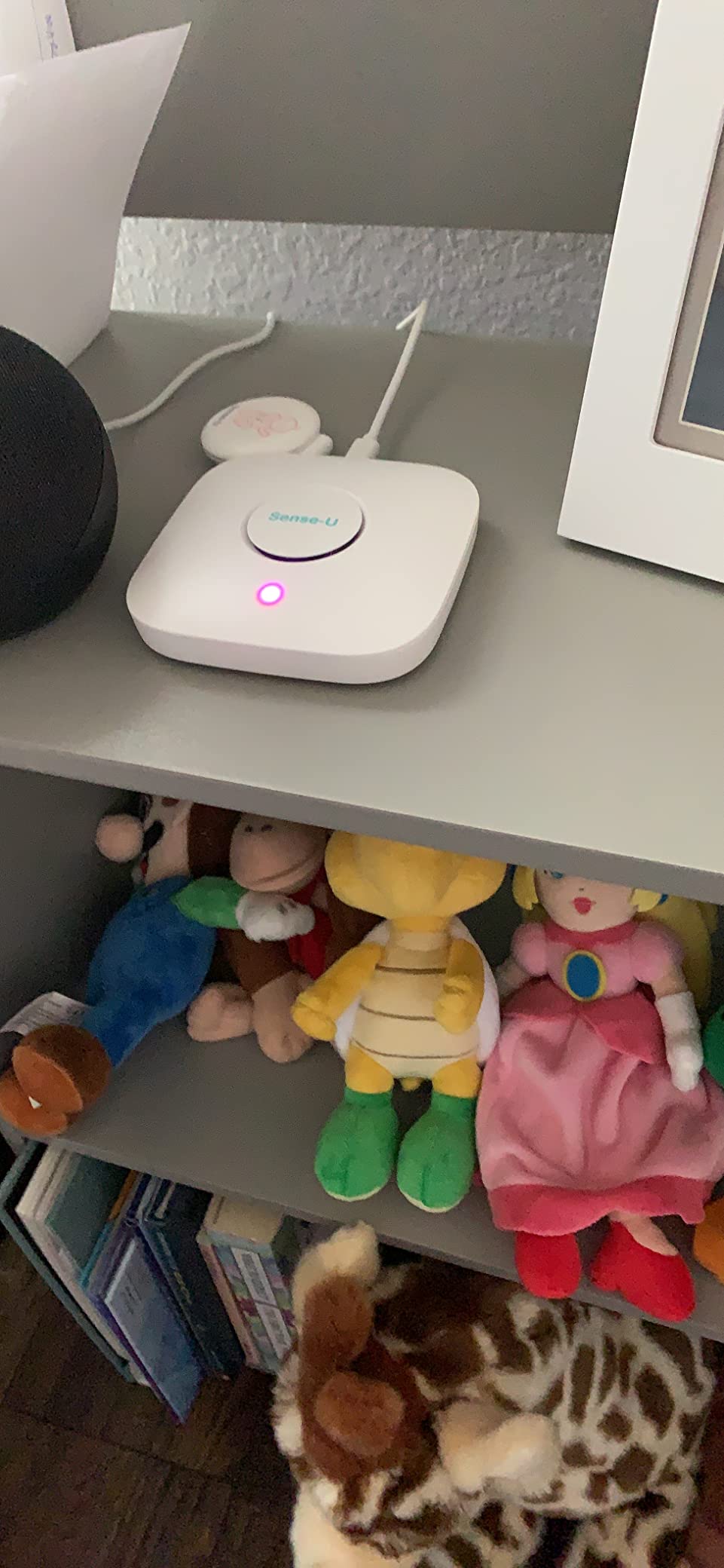
Across 262 reviews averaging 4.3 stars, parents appreciate the comprehensive tracking and free in-depth sleep analysis. The app shows movement patterns, sleep duration, and temperature trends over weeks, which is helpful for tracking developmental changes.
Some iOS users report inconsistent notifications, and a few reviewers mention the device occasionally giving inaccurate readings after extended use. The device is not FDA approved, which is a meaningful distinction for parents of medically complex babies.
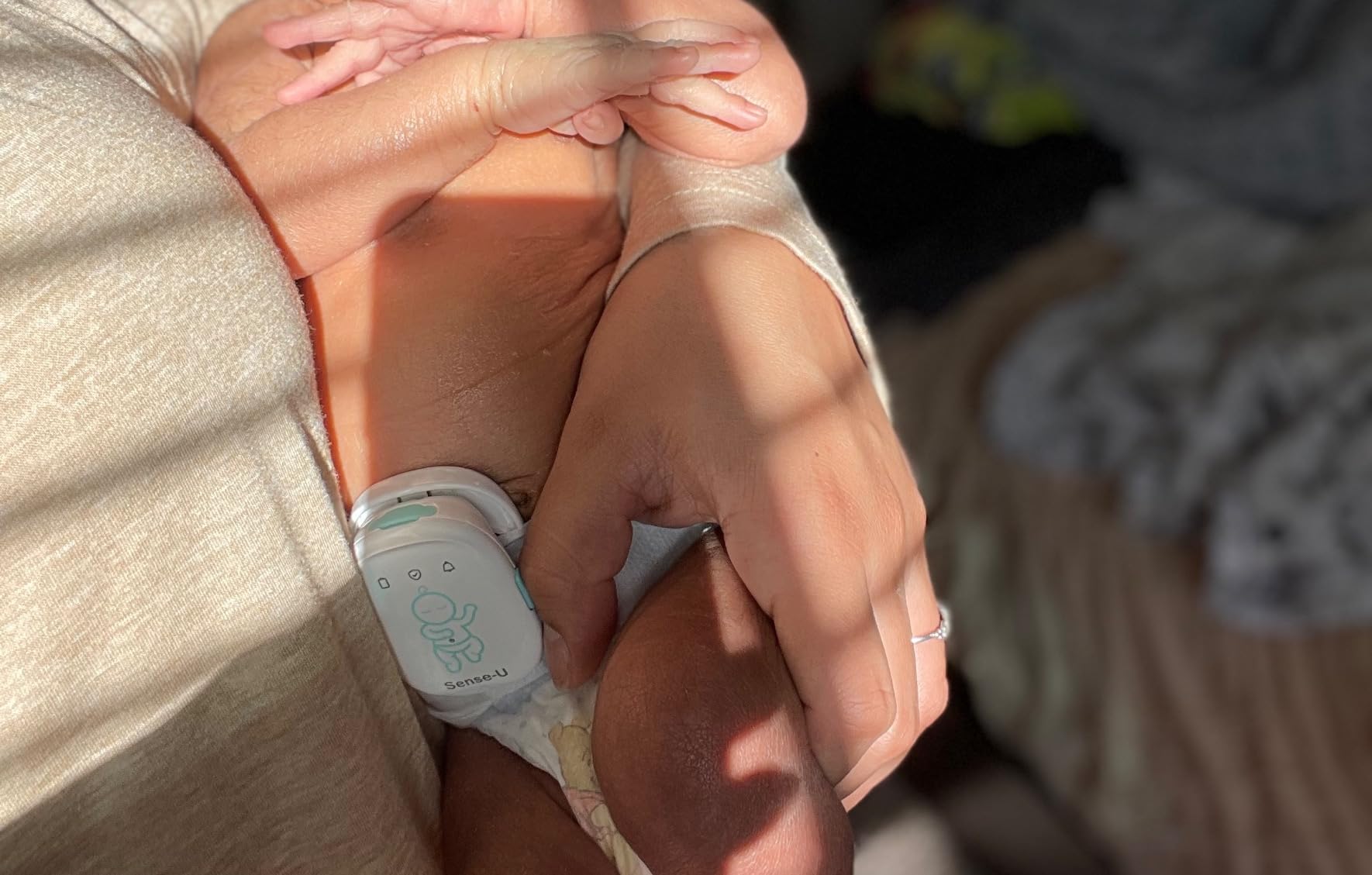
Best use case for the Sense-U Pro Long Range
Parents of twins get the most value here because one phone can monitor two babies simultaneously with separate alerts. The family share feature lets multiple caregivers receive notifications. The 30-day advertised battery (7+ days in practice) means less time charging and more time relying on the monitor.
When to choose a different monitor
If you want FDA-cleared medical-grade tracking, this is not your monitor. If your baby is over 12 months old, the sizing will not work. And if you have had iOS notification issues with other smart devices, the Sense-U app may frustrate you.
Buying Guide: How to Choose the Best Baby Monitor with Breathing and Oxygen Tracking
Choosing the best baby monitors with breathing and oxygen tracking comes down to understanding three things: what technology each device uses, what level of data you want, and what fits your baby’s sleep environment.
Types of breathing and oxygen monitors
Wearable pulse oximetry monitors like the Owlet Dream Sock and Sense-U Smart Sock Shoe 2 measure actual oxygen saturation and pulse rate through the skin using light sensors. These give you the most direct data on your baby’s vitals.
Movement-based monitors like the Babysense 7 and Snuza Hero SE detect abdominal or whole-body movement through sensor pads under the mattress or clips on the diaper. They are highly reliable for catching breathing pauses but do not give oxygen saturation numbers.
Camera-based monitors like the Babysense True Sleep HD use computer vision to track chest rise and fall, providing visual confirmation of breathing without any contact. They are often paired with sensor pads for redundancy.
Key features to compare
FDA clearance matters if you have a specific medical concern or want clinical-grade data. The Owlet Dream Sock and Owlet Dream Duo 2 are the only FDA-cleared monitors on this list. The Babysense 7 is sold as a medical device in other countries but not FDA-cleared in the US.
Battery life ranges from a single 16-hour charge (Owlet Dream Sock) to 6 months on a replaceable battery (Snuza Hero SE). For travel and overnight reliability, longer battery life means less anxiety.
Connectivity options vary widely. Some monitors need WiFi, some use Bluetooth, and others operate completely offline. If you live in an area with patchy internet or worry about data privacy, the offline options like the Snuza Hero SE and Babysense 7 are appealing.
What to look for based on your family
For premature infants or babies with medical conditions, prioritize FDA-cleared devices like the Owlet Dream Sock. For anxious parents without specific medical concerns, the Sense-U Smart Sock Shoe 2 offers the same core function at a lower price. For travel and portability, the BEMPU BellyButton and Snuza Hero SE are the easiest to pack and use anywhere.
For twins, the Sense-U Pro Long Range supports multiple monitors on a single phone. For parents who want everything in one system, the Owlet Dream Duo 2 pairs a sock with an HD camera. And for parents who want zero contact with their baby, the Babysense 7 and Babysense True Sleep HD use under-mattress sensors exclusively.
Frequently Asked Questions
Is there a baby monitor that tracks breathing?
Yes, there are baby monitors that track breathing using three main technologies: pulse oximetry wearables like the Owlet Dream Sock that measure oxygen and pulse rate through the skin, sensor pads like the Babysense 7 that detect movement under the mattress, and computer vision systems like the Babysense True Sleep HD that track chest rise and fall through a camera. Each alerts you via audible alarm, smartphone app, or both when breathing falls outside preset ranges.
What is the best baby monitor with a breathing sensor?
The best baby monitor with a breathing sensor depends on your priorities. For FDA-cleared pulse oximetry, the Owlet Dream Sock leads with 5134 reviews and accurate oxygen tracking. For non-contact monitoring, the Babysense 7 uses two under-mattress pads with full crib coverage. For a wearable with no WiFi or app, the Snuza Hero SE has 6-month battery and a 4.5-star rating across 581 reviews. For video plus breathing in one system, the Babysense True Sleep HD is the most complete package.
Is the Nanit or Owlet better?
The Nanit and Owlet serve different needs. The Nanit Pro is a camera-based monitor with computer vision sleep tracking but does not measure oxygen saturation. The Owlet Dream Sock and Dream Duo 2 use FDA-cleared pulse oximetry to track pulse rate and oxygen levels directly. For parents who want vital signs data, Owlet is the better choice. For parents who want advanced sleep analytics and HD video without wearable sensors, Nanit is the better choice.
Do pediatricians recommend the Owlet?
The American Academy of Pediatrics does not recommend consumer breathing monitors for SIDS prevention, and pediatricians are split on devices like the Owlet. Some pediatricians recommend the Owlet for babies with specific medical concerns like apnea of prematurity or GERD, citing its FDA clearance as a medical device. Others worry that false alarms create anxiety rather than peace of mind. Talk to your pediatrician about your specific situation before choosing any breathing monitor.
What is the best baby monitor for monitoring oxygen and heart rate?
The best baby monitor for monitoring oxygen and heart rate is the Owlet Dream Sock because it is FDA-cleared and uses pulse oximetry to measure both metrics in real time. The Sense-U Smart Sock Shoe 2 offers similar heart rate and oxygen tracking at a lower cost, though it is not FDA cleared. Both send alerts via smartphone app and on-device alarms when readings fall outside preset zones, and both have been used by parents of NICU graduates for ongoing peace of mind at home.
Final Verdict: Which Baby Breathing Monitor Should You Buy in 2026?
After testing all ten of these best baby monitors with breathing and oxygen tracking, my top picks are the Owlet Dream Sock for FDA-cleared oxygen and pulse rate data, the Sense-U Smart Sock Shoe 2 for budget-conscious parents who still want accurate vitals, and the Babysense 7 for parents who prefer non-contact monitoring.
If you want video and breathing tracking in one system, the Babysense True Sleep HD gives you the most complete package without requiring WiFi. For travel, the Snuza Hero SE and BEMPU BellyButton are the easiest to pack and use anywhere. And for twins, the Sense-U Pro Long Range supports multiple monitors on a single phone.
Whatever you choose, remember that these monitors are peace-of-mind tools, not medical devices for SIDS prevention. The American Academy of Pediatrics recommends safe sleep practices like firm sleep surfaces, room-sharing without bed-sharing, and avoiding soft bedding as the most effective ways to reduce SIDS risk. A breathing monitor can complement those practices but should never replace them. For more on wearable options, see our guide to wearable baby breathing monitors, and for more on smart monitors with breathing detection, check our smart baby monitors with breathing detection roundup. Parents of preemies should also read our baby monitors for preemies guide.