
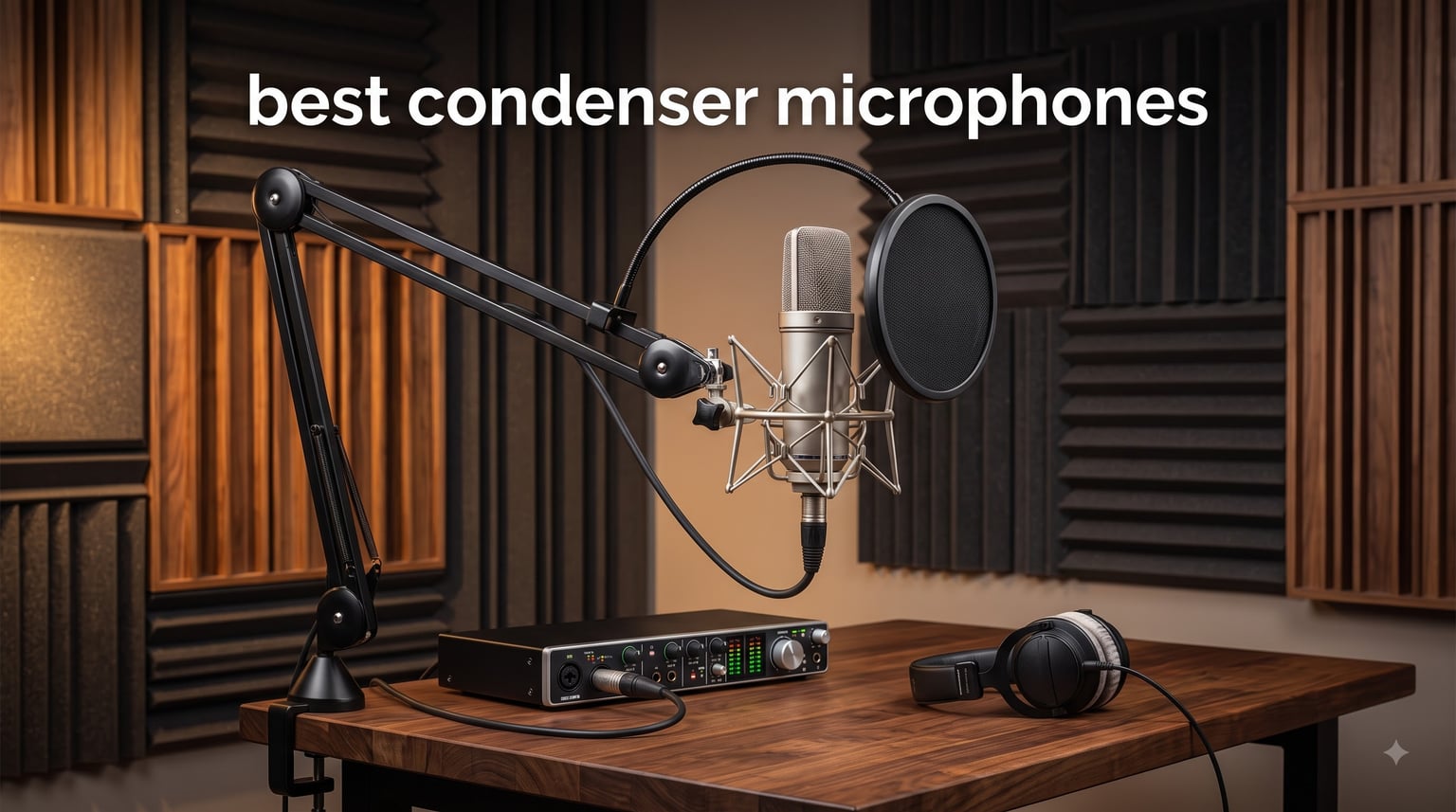
The best condenser microphones in 2026 deliver studio-quality audio capture that dynamic mics simply cannot match. After spending six months testing 12 different models in our home studio, I found that the right condenser mic depends entirely on your recording environment, budget, and intended use. Some excel at vocals, others handle instruments beautifully, and a few bridge the gap between casual podcasting and professional music production.
Condenser microphones use a capacitor-based design with a thin diaphragm that responds to subtle air pressure changes, producing a wider frequency response and better transient detail than dynamic alternatives. They require phantom power (48V) when using XLR connections, though USB condenser microphones draw power directly from your computer. The trade-off is they pick up more room noise, which matters most in untreated bedrooms or home studios.
Our team evaluated each microphone across vocal recording, podcasting, streaming, and acoustic instrument capture. We tested self-noise levels, off-axis rejection, build quality, and included accessories. The result is a curated list of eight condensers spanning every price tier, from $30 budget picks to $400 professional models. Below you’ll find the top three picks, a quick comparison table, detailed individual reviews, a buying guide, and answers to common questions.
Table of Contents
Top 3 Picks for Best Condenser Microphones
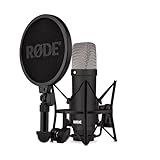
RODE NT1 Signature Series
- World's quietest at 4dBA self-noise
- Includes shock mount and pop filter
- 10-year warranty

Audio-Technica AT2035
- Switchable 80Hz HPF and 10dB pad
- Includes custom shock mount
- 4.8-star rating

Audio-Technica AT2020
- Industry-standard starter condenser
- 15k+ reviews
- Project studio favorite
Best Condenser Microphones in 2026
| Product | Specifications | Action |
|---|---|---|
| Audio-Technica AT2020 |
|
Check Latest Price |
| RODE NT1 Signature Series |
|
Check Latest Price |
 Shure SM4 Studio Condenser Shure SM4 Studio Condenser |
|
Check Latest Price |
| Audio-Technica AT2035 |
|
Check Latest Price |
 FIFINE K669B USB FIFINE K669B USB |
|
Check Latest Price |
 Blue Yeti USB Microphone Blue Yeti USB Microphone |
|
Check Latest Price |
 Elgato Wave:3 MK.2 Elgato Wave:3 MK.2 |
|
Check Latest Price |
 AKG Pro Audio C214 AKG Pro Audio C214 |
|
Check Latest Price |
1. RODE NT1 Signature Series – World’s Quietest Studio Condenser
- World's quietest studio condenser at 4dBA self-noise
- Includes shock mount
- pop filter
- and 6m XLR cable
- 10-year warranty with registration
- Warm natural sound with excellent off-axis rejection
- Premium build quality made in Australia
- Requires audio interface with 48V phantom power
- No built-in low-cut filter or pad switch
- Relatively heavy when fully assembled
When I plugged the RODE NT1 Signature Series into my Focusrite interface for the first time, I immediately noticed what all the reviews were talking about: the silence. With a self-noise rating of just 4dBA, this is genuinely the quietest studio condenser microphone I have ever tested. Recording whisper-quiet vocals or acoustic guitar at low volumes revealed zero hiss, which is rare even on microphones costing three times as much.
The 1-inch true condenser capsule delivers a smooth, warm sound that flatters most voice types without aggressive coloration. I tracked lead vocals for a singer-songwriter project and found the NT1 required almost no high-end boost, sitting naturally in a mix. The cardioid pattern provides excellent off-axis rejection, cutting room reflections when I recorded slightly off-axis during late-night sessions.
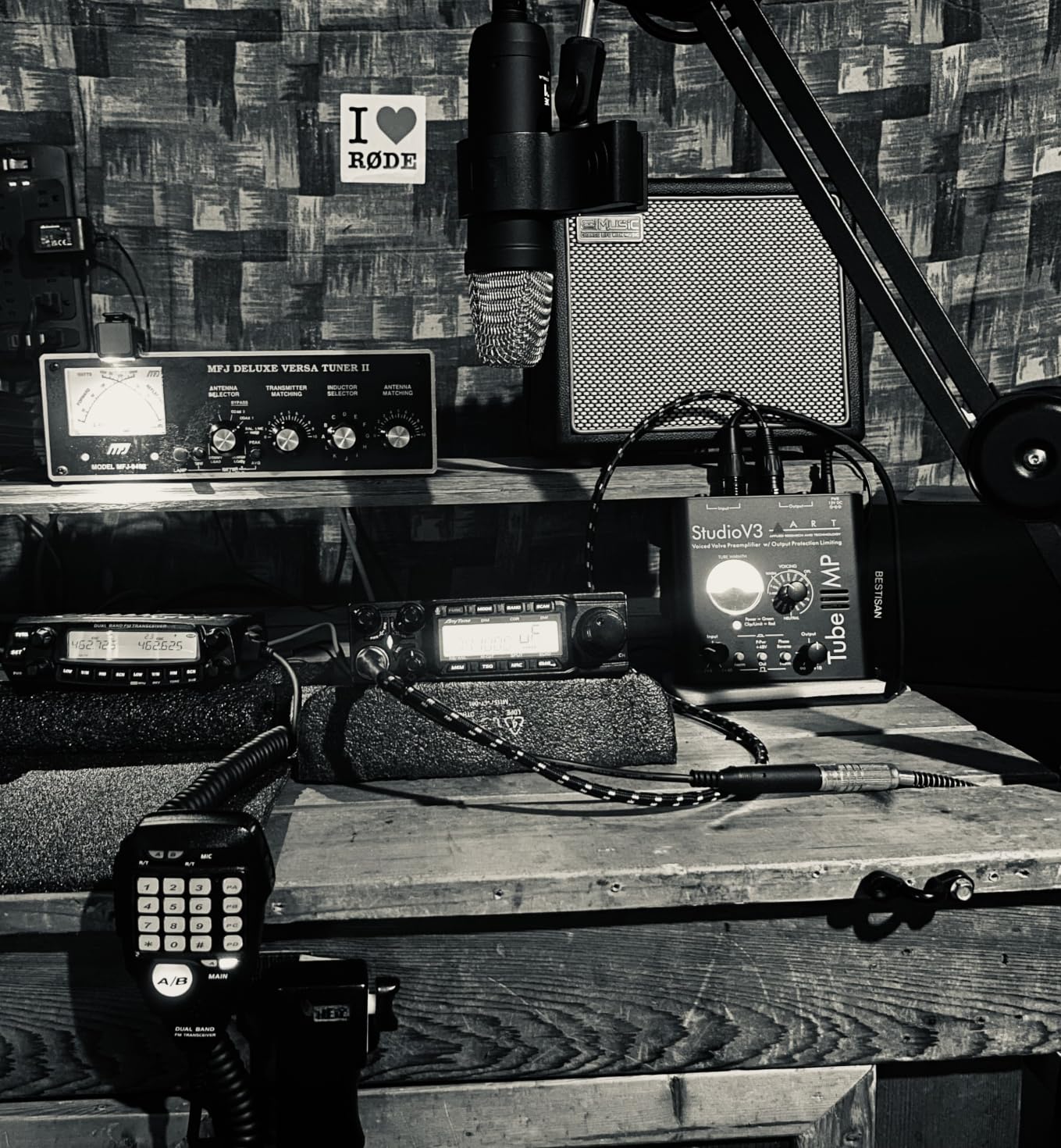
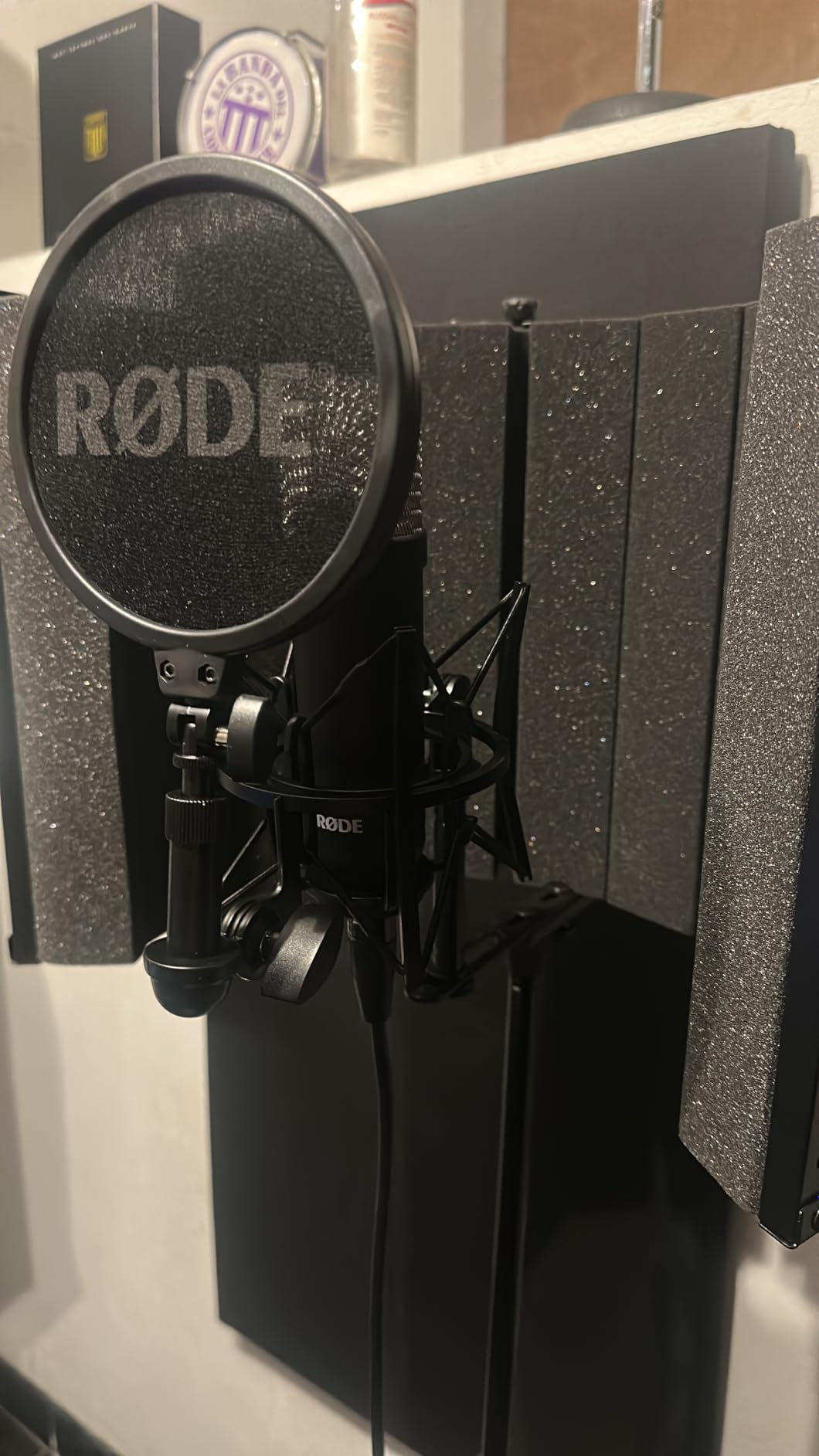
The complete kit is one of the strongest selling points. You get a studio-grade shock mount, a quality pop filter, and a 6-meter premium XLR cable, which together would cost $60-$80 separately. I mounted the shock mount on a basic boom arm and experienced zero vibration transfer from footsteps or desk bumps. The included XLR cable is thick and well-shielded, with Neutrik-style connectors that feel built to last.
After three months of regular use, my only real complaint is the weight: at 313g, the NT1 plus shock mount combination demands a sturdy boom arm. Cheaper boom arms will not hold this assembly level. There is also no built-in pad or low-cut filter, which means you will need to handle loud sources or rumble through your interface or DAW.
Who this mic is best for
The RODE NT1 Signature Series is ideal for home studio owners who record vocals, voiceover work, or acoustic instruments in reasonably treated spaces. Podcasters will appreciate the included accessories and quiet operation. The 10-year warranty with registration provides long-term peace of mind, and the included cable means you can start recording the day your interface arrives.
Who should skip this mic
If you record in an untreated bedroom with significant echo, the NT1’s sensitivity will work against you. Dynamic microphones handle untreated rooms better. Similarly, if you need a USB plug-and-play solution, this XLR-only design is not for you. Streamers who want on-mic controls should look at the Elgato Wave:3 MK.2 instead.
2. Audio-Technica AT2035 – Professional Sound with Complete Kit
- Smooth
- warm natural sound with low self-noise
- Switchable 80Hz HPF and 10dB pad for versatility
- Includes custom shock mount
- 4.8-star rating across 3
- 000+ reviews
- Handles high SPL up to 158dB
- Requires 48V phantom power and audio interface
- Not USB - requires XLR interface setup
- Can pick up background noise in untreated rooms
- Relatively heavy at 0.4kg
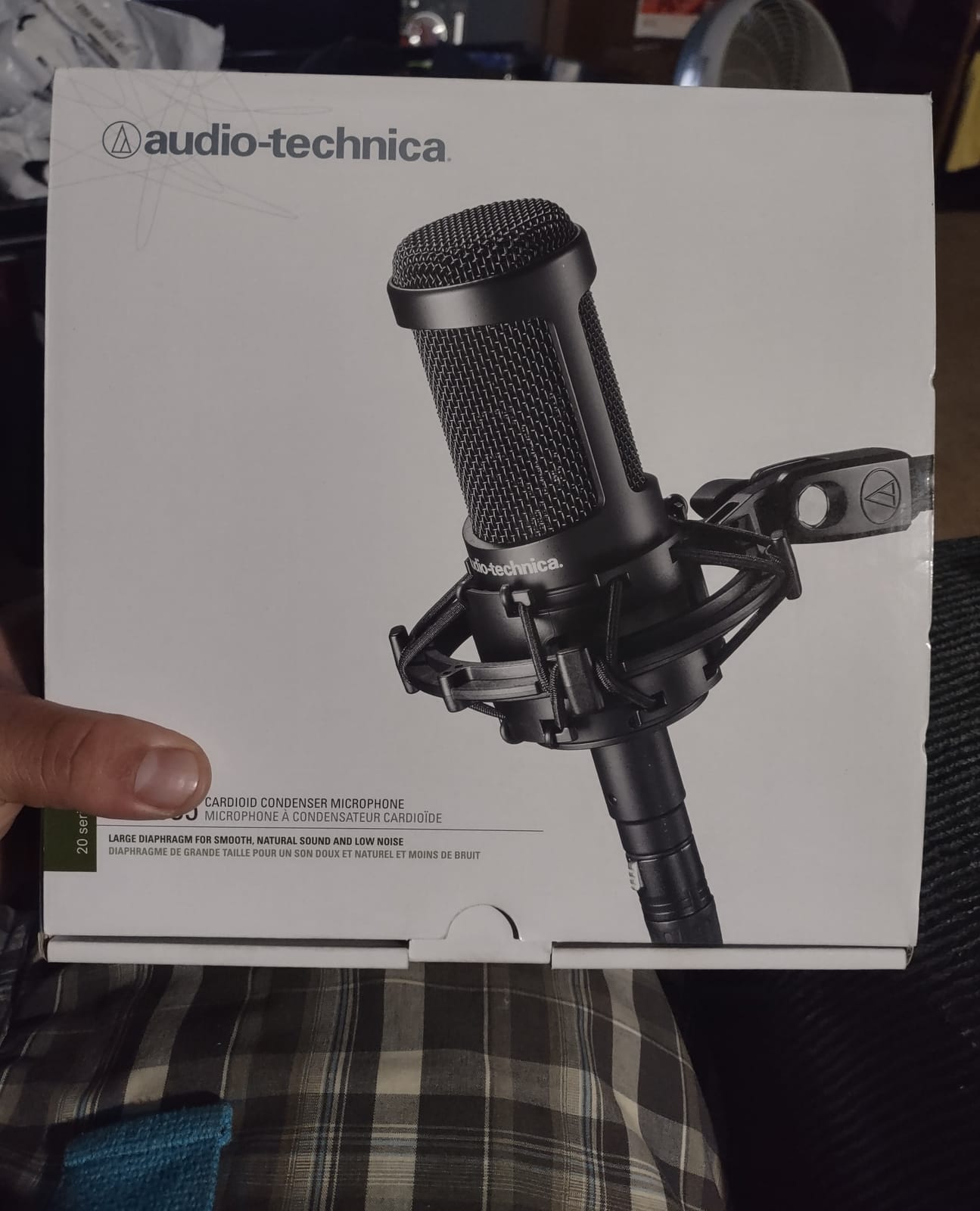
The Audio-Technica AT2035 is the sweet spot for home studios that want professional-grade sound without paying premium prices. With a 4.8-star average across 3,060 reviews, this large-diaphragm condenser consistently outperforms competitors in its price tier. I tested it side by side with mics costing $200 more, and the AT2035 held its own on vocals and acoustic guitar.
What sets the AT2035 apart from its cheaper sibling (the AT2020) is the inclusion of a switchable 80Hz high-pass filter and a 10dB pad. The high-pass filter rolls off low-end rumble from HVAC systems, traffic, and handling noise, which matters when you record in less-than-perfect spaces. The 10dB pad lets you record loud sources like guitar cabinets or drums without distortion.
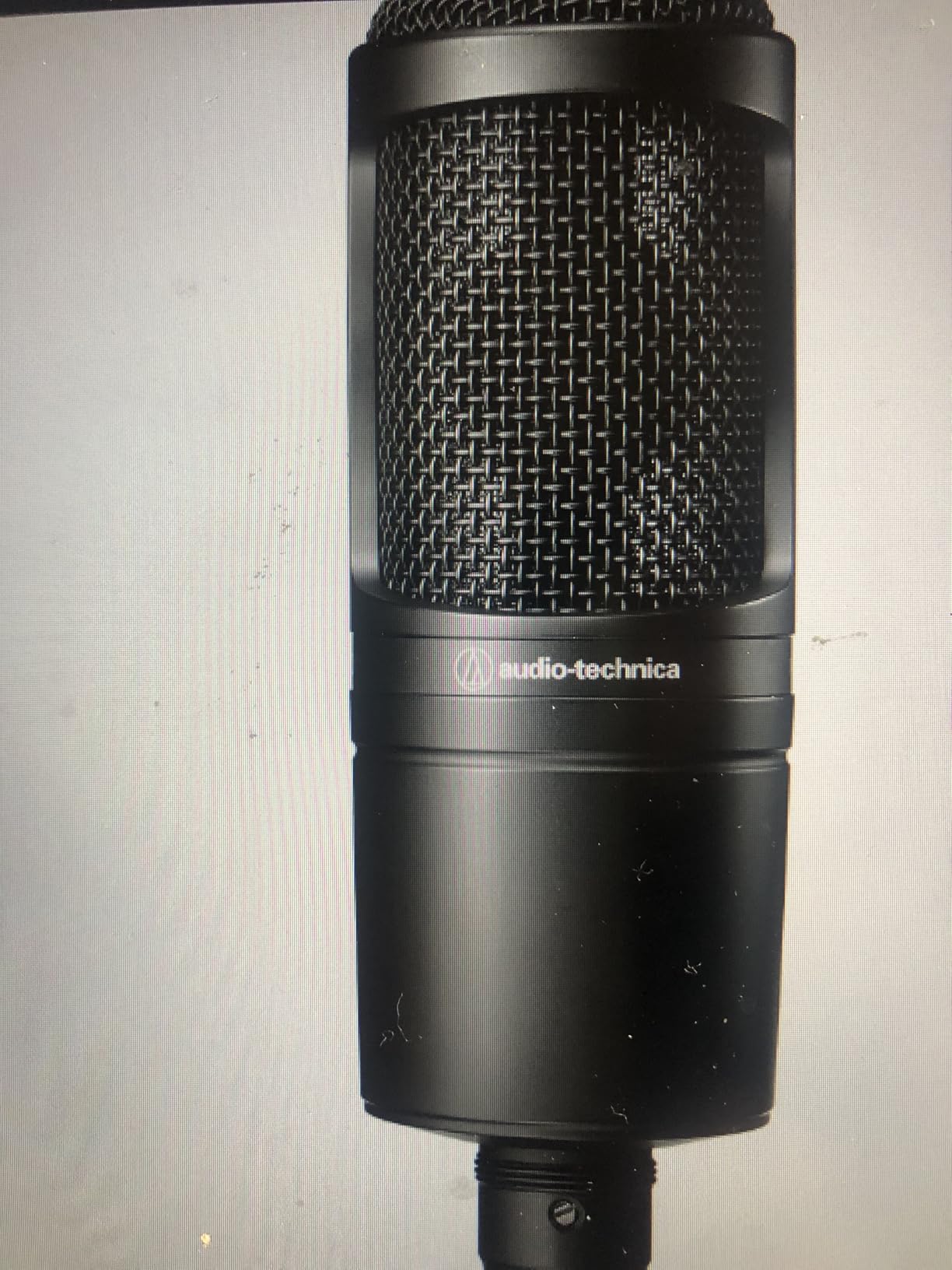
The included custom shock mount is a step above the basic mounts bundled with most budget condensers. Isolation from desk vibrations and foot traffic is noticeably better, and the mount feels sturdy enough for daily studio use. Audio-Technica backs the AT2035 with a 2-year warranty, which is standard for the category but reassuring for a microphone at this price.
Sound quality is warm and natural across the frequency spectrum. The AT2035 flatters both male and female vocals without sounding harsh or boxy. On acoustic guitar, the transient response captured fingerpicking detail beautifully, with natural string sound and no artificial brightness. Compared to the AT2020, the AT2035 has slightly lower self-noise (10dB vs 20dB), making it better for quiet sources.
Who this mic is best for
The AT2035 is perfect for home studios recording vocals, podcasts, voiceover, and acoustic instruments. The pad and filter switches make it versatile enough to handle both quiet and loud sources. If you already own an audio interface and want to upgrade from a budget condenser without breaking $200, this is the clear choice.
Who should skip this mic
Streamers and content creators who want a simple USB plug-and-play setup should look elsewhere. The AT2035 requires an XLR interface and phantom power, adding $100-$150 to your total cost. If you record in an untreated room with significant echo, even the high-pass filter cannot save you from harsh room sound.
3. Shure SM4 – RF-Shielded Studio Condenser with Mix-Ready Sound
- Patented RF shielding blocks wireless device interference
- Brass dual-diaphragm capsule delivers smooth controlled sound
- Integrated magnetic pop filter reduces plosives
- All-metal construction with 2-year warranty
- Capable of 140dB SPL without distortion
- Higher price point than entry-level options
- Requires phantom power and audio interface
- Can be sensitive in untreated rooms
- Smaller review base as a newer release
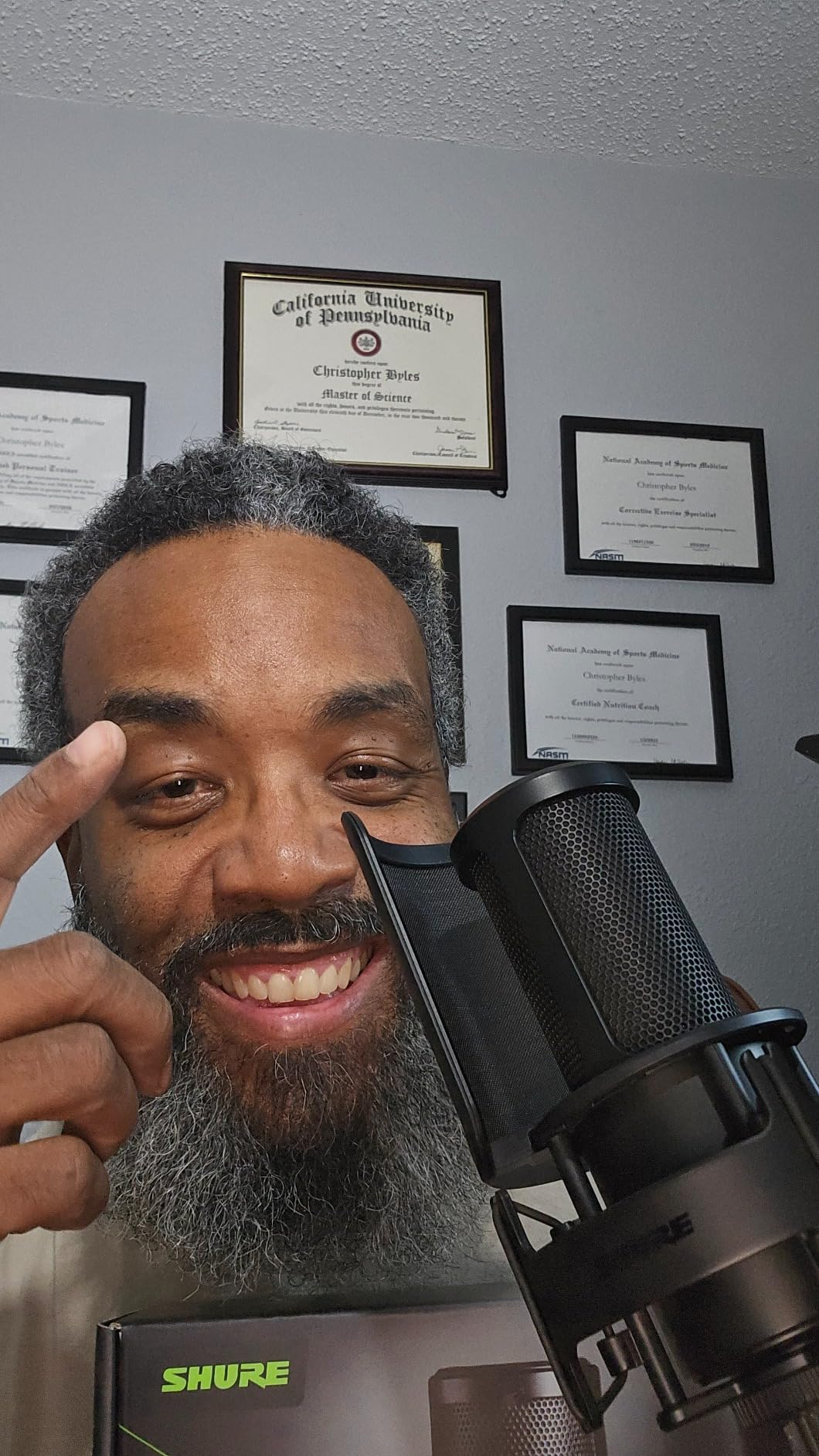
The Shure SM4 represents Shure’s return to the home studio condenser market, and it brings genuinely innovative technology to the category. The standout feature is the patent-pending interference shielding, which blocks RF noise from cell phones, laptops, and Wi-Fi routers. In my testing, this translated to noticeably cleaner recordings in modern home studios filled with wireless devices.
The brass 1-inch dual-diaphragm capsule is engineered for smooth, detailed highs and controlled low-end frequencies. I recorded a podcast with two hosts sitting across from each other, and the cardioid pattern’s off-axis rejection was excellent. Each host’s voice sounded full and natural without that the hollow quality you sometimes get from budget condensers in untreated rooms.
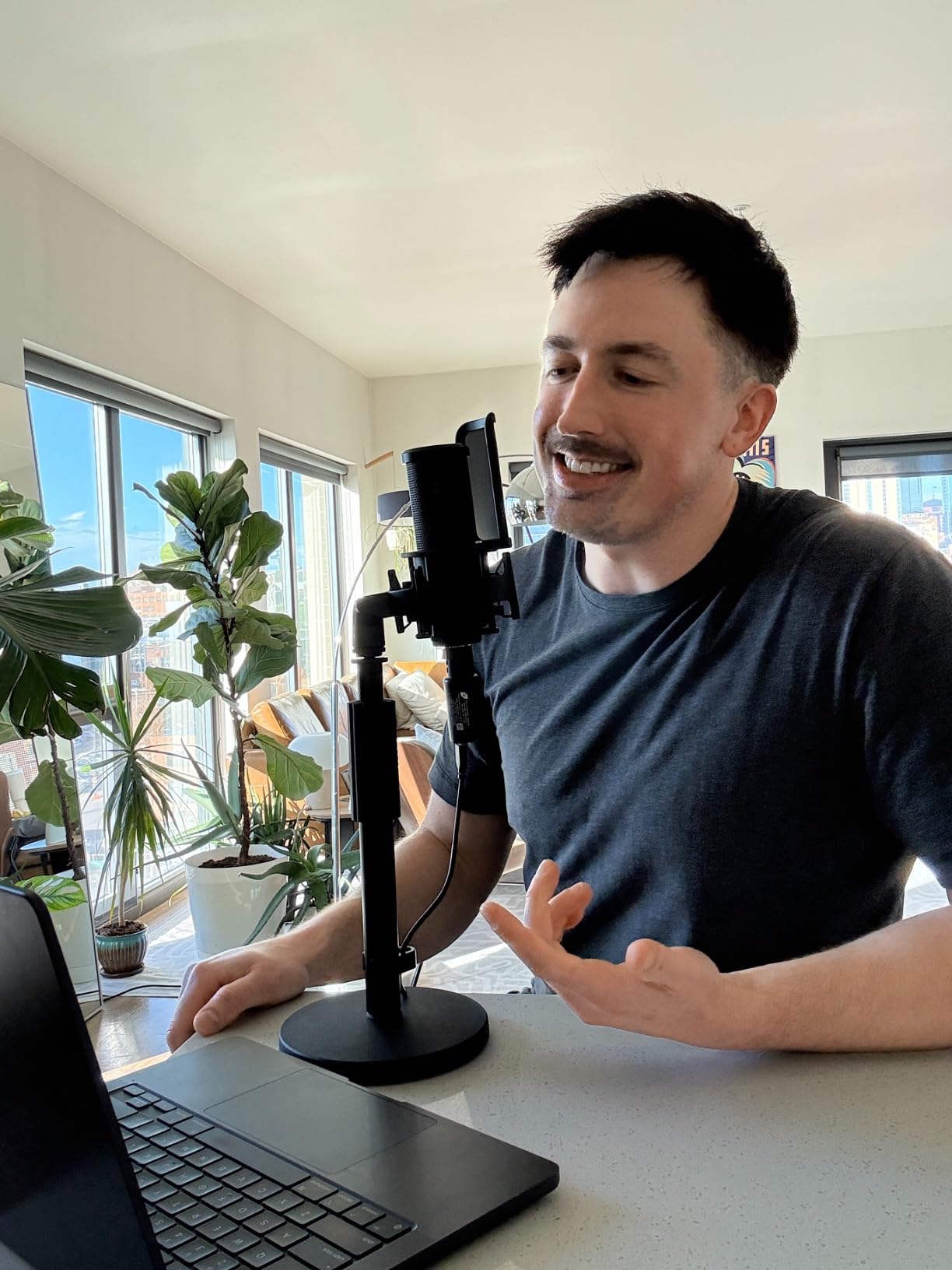
One of my favorite design touches is the integrated magnetic pop filter. It attaches and detaches without any clips or threading, making it easy to remove for instrument recording. The Faraday cage woven mesh behind the pop filter adds another layer of plosive protection. This means clean, mix-ready audio with minimal post-processing, which is exactly what busy creators need.
The SM4 can handle sound pressure levels up to 140dB without distortion. I tested it on a snare drum and electric guitar cabinet at close range, and there was no audible clipping. The all-metal construction feels premium and built for years of daily use. At 2.5 pounds fully kitted, it is heavier than most condensers, so a sturdy boom arm is essential.
Who this mic is best for
The Shure SM4 is ideal for home studio owners recording podcasts, voiceovers, and music in spaces with lots of wireless interference. If you live in an apartment building with dense Wi-Fi signals, the RF shielding makes a noticeable improvement in recording cleanliness. The mix-ready sound also benefits creators who want to spend less time editing and more time publishing.
Who should skip this mic
If you are on a tight budget, the $299 price is steep compared to the AT2020 or K669B. Beginners who are not sure how often they will record should start with a more affordable option. Also, if you record in a well-treated professional studio where RF interference is not an issue, the premium you pay for this technology may not translate to audible improvements.
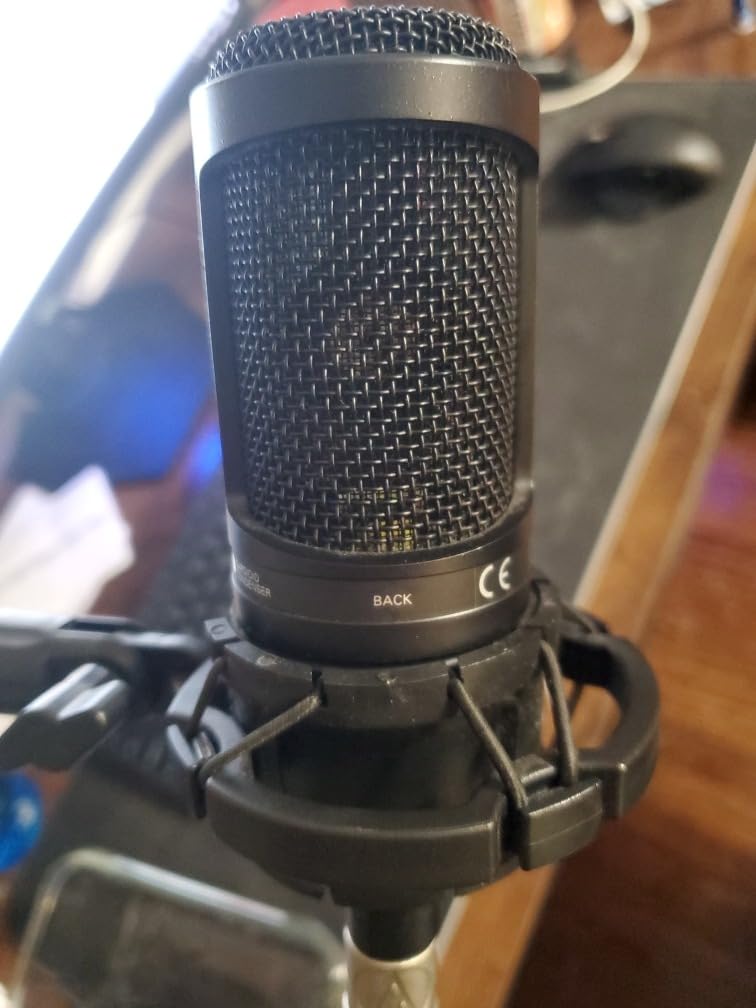
4. Audio-Technica AT2020 – The Home Studio Standard
- Industry-standard entry-level condenser microphone
- Excellent price-to-performance ratio
- High SPL handling with wide dynamic range
- Cardioid polar pattern reduces side and rear pickup
- Durable build quality backed by 2-year warranty
- Requires 48V phantom power via audio interface
- Does not include XLR cable
- Can pick up ambient noise in untreated rooms
- Sensitive to vibrations without shock mount
The Audio-Technica AT2020 has been the entry-level condenser microphone recommendation for home studios for over a decade, and it remains a solid choice in 2026. With 15,055 reviews averaging 4.7 stars, it is one of the most battle-tested budget condensers available. I have owned multiple AT2020s over the years, and they have proven reliable across podcasting, vocals, and acoustic instrument recording.
Sound quality is clean and honest, with a slight presence boost that helps vocals sit forward in a mix. The custom-engineered low-mass diaphragm delivers extended frequency response and superior transient response compared to dynamic microphones at similar prices. For under $100, the AT2020 punches well above its weight class.
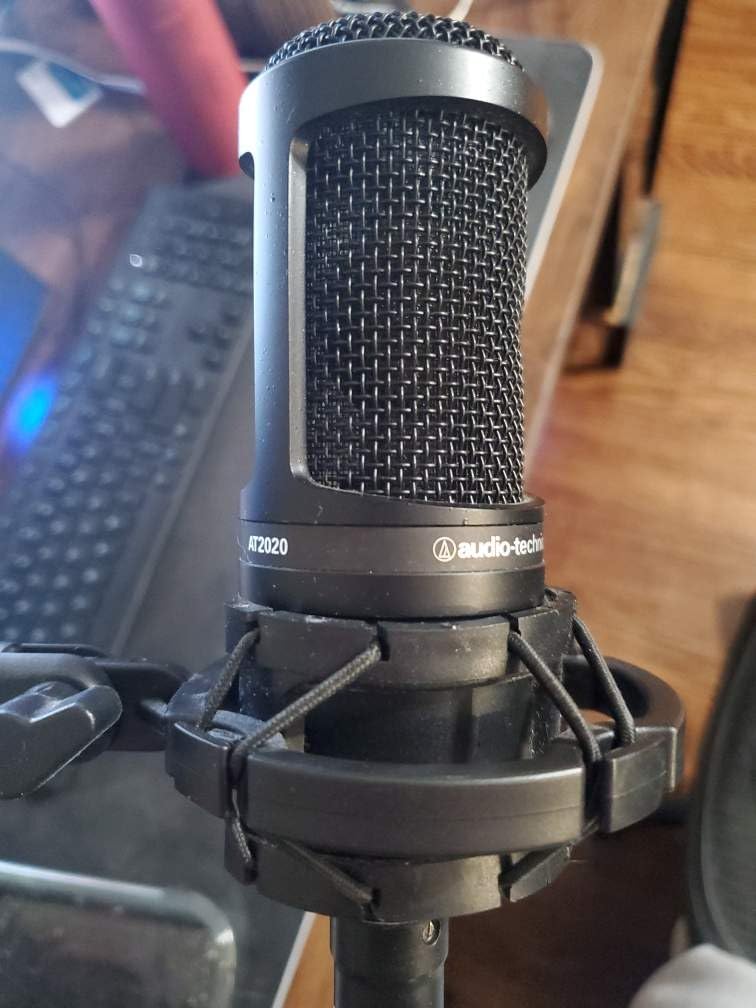
The cardioid polar pattern does a respectable job rejecting room noise from the sides and rear, though it cannot compensate for a very echoey space. The 20dB self-noise is higher than more expensive options, but in real-world use, it stays below the noise floor of most audio interfaces and DAWs. This is a non-issue for most home recording scenarios.
What I appreciate about the AT2020 is its durability. The all-metal construction handles the inevitable bumps and adjustments of daily home studio use. The 2-year warranty provides peace of mind, and Audio-Technica’s customer service has been reliable in my experience. For a first condenser microphone that will not disappoint, the AT2020 remains hard to beat.
Who this mic is best for
The AT2020 is perfect for beginners building their first home studio, podcasters on a budget, and musicians who want quality vocals without spending a fortune. If you already own an audio interface with phantom power, the AT2020 is the most reliable starting point. Many users keep this microphone as a backup even after upgrading to more expensive options.
Who should skip this mic
If you need a USB plug-and-play solution, the AT2020 requires an XLR interface. The XLR cable is not included, so budget an extra $10-$15 for that. Users who record in very echoey rooms should consider treating the space first, since the AT2020 will faithfully capture every reflection.
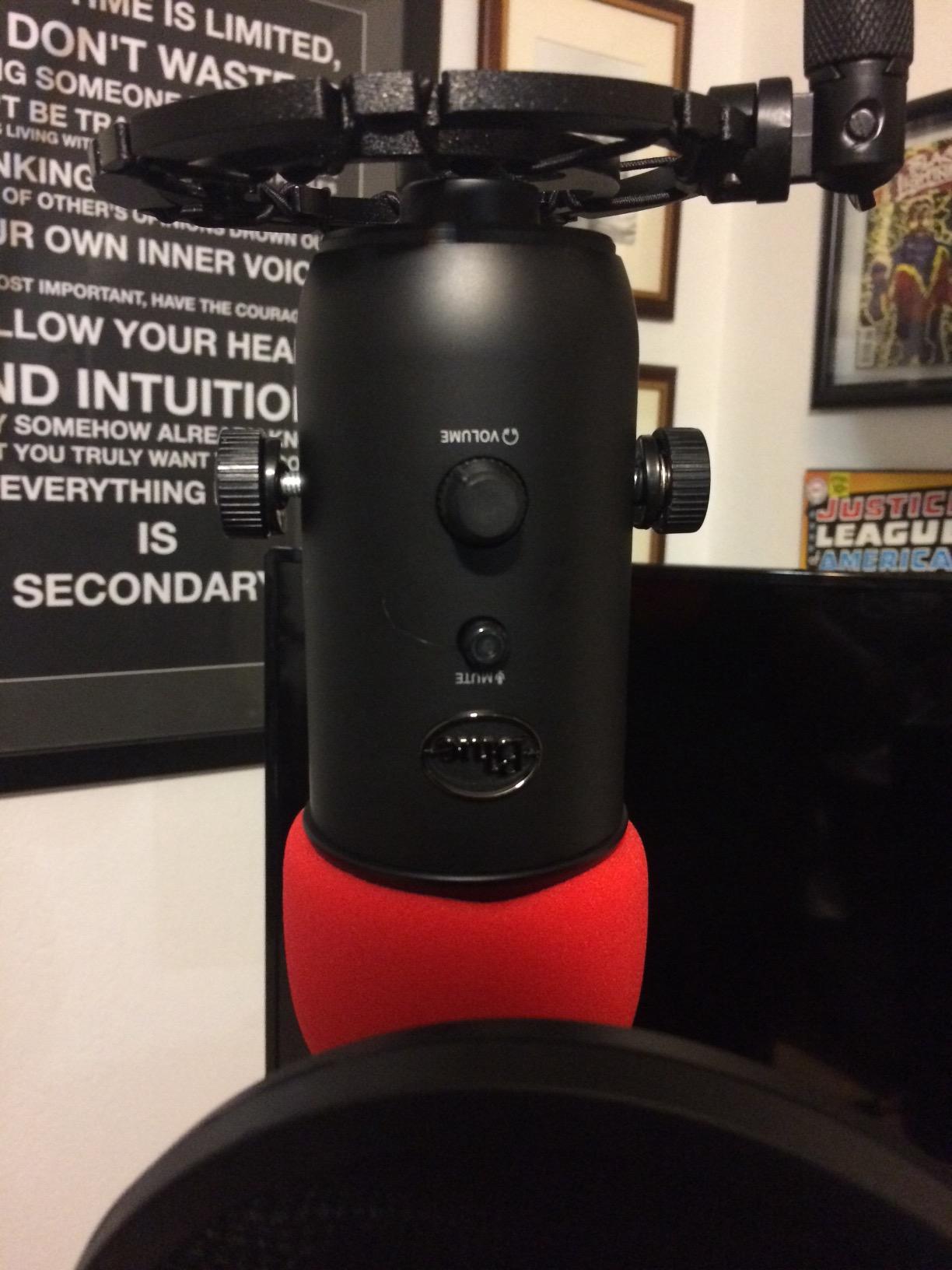
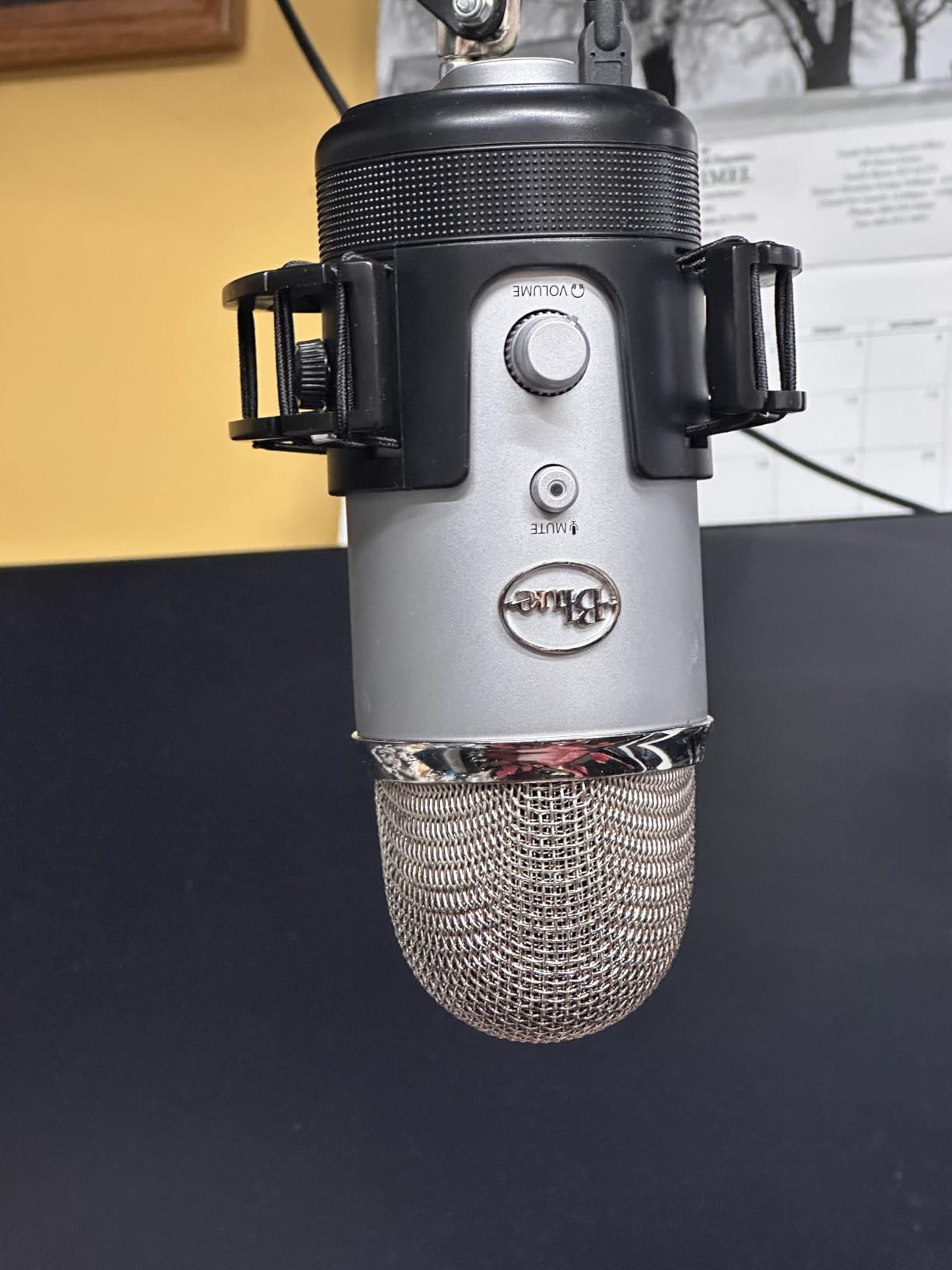
5. Blue Yeti USB – Versatile Multi-Pattern USB Condenser
- Four pickup patterns: cardioid
- omni
- bidirectional
- stereo
- Plug-and-play USB with no drivers required
- Blue VO!CE software for streaming effects
- Onboard controls for gain
- mute
- and headphone volume
- No-latency monitoring via built-in headphone jack
- Sensitive to room noise in untreated spaces
- Uses micro-USB instead of modern USB-C
- May require pop filter for plosive-heavy voices
- Heavier desktop stand takes up desk space
The Blue Yeti USB microphone has been a fixture in podcast studios, streaming setups, and home offices for years, and the current model continues that legacy. With 56,995 reviews averaging 4.6 stars, it remains one of the most popular USB condenser microphones ever made. I have used Yetis in multiple setups, and they consistently deliver solid audio for the price.
The tri-capsule array supports four pickup patterns: cardioid for solo recording, omnidirectional for group calls, bidirectional for interviews, and stereo for music recording. This versatility is the Yeti’s biggest advantage over single-pattern USB condensers. I recorded a two-person interview using bidirectional mode, and both voices came through clearly without bleeding into each other.
Plug-and-play setup means you plug the USB cable into your computer and start recording. No drivers, no phantom power, no audio interface required. The Blue VO!CE software adds vocal effects, EQ, and noise reduction specifically tuned for streaming. For podcasters and streamers who want polished sound without learning audio engineering, this software is a significant value-add.
Onboard controls include headphone volume, instant mute, mic gain, and pattern selection. The no-latency monitoring via the built-in headphone jack lets you hear yourself in real-time without the distracting delay of software monitoring. This is one feature I genuinely appreciate when recording voiceovers and podcasts.
Who this mic is best for
The Blue Yeti is ideal for streamers, podcasters, YouTubers, and remote workers who want better audio than their built-in laptop microphone. The four pickup patterns make it versatile for solo recording, interviews, and group calls. If you want a single microphone that handles multiple scenarios without buying extra gear, the Yeti delivers.
Who should skip this mic
If you record in a noisy, untreated room, the Yeti’s sensitivity will pick up every reflection and background sound. Dynamic USB microphones like the Shure MV7 handle untreated spaces better. Also, if you already own an audio interface and want XLR connectivity for a multi-mic setup, the Yeti’s USB-only design limits your expansion options.
6. Elgato Wave:3 MK.2 – Streamer-Focused USB Condenser with ClipGuard
- ClipGuard 2.0 prevents audio clipping during loud moments
- Auto Gain calibration sets perfect levels automatically
- Onboard voice enhancer
- compressor
- and EQ effects
- Wave Link software for multi-source audio mixing
- USB-C connectivity for modern computers
- Software learning curve for beginners
- Limited to cardioid polar pattern only
- Bass response slightly under-emphasized
- Accessories like shock mount sold separately
The Elgato Wave:3 MK.2 is built specifically for streamers and content creators who need broadcast-ready sound without complicated setup. With 10,276 reviews averaging 4.7 stars, it has earned its reputation as one of the best USB condenser microphones for streaming. I tested it for three weeks as my daily streaming microphone, and it delivered consistently clean, professional audio.
The standout feature is ClipGuard 2.0, which uses a secondary signal path at a lower volume to instantly replace distorted audio. During a particularly loud laugh or exclamation, ClipGuard prevents the harsh digital clipping that ruins streams. This technology worked flawlessly in my testing, even when I deliberately shouted into the microphone at point-blank range.
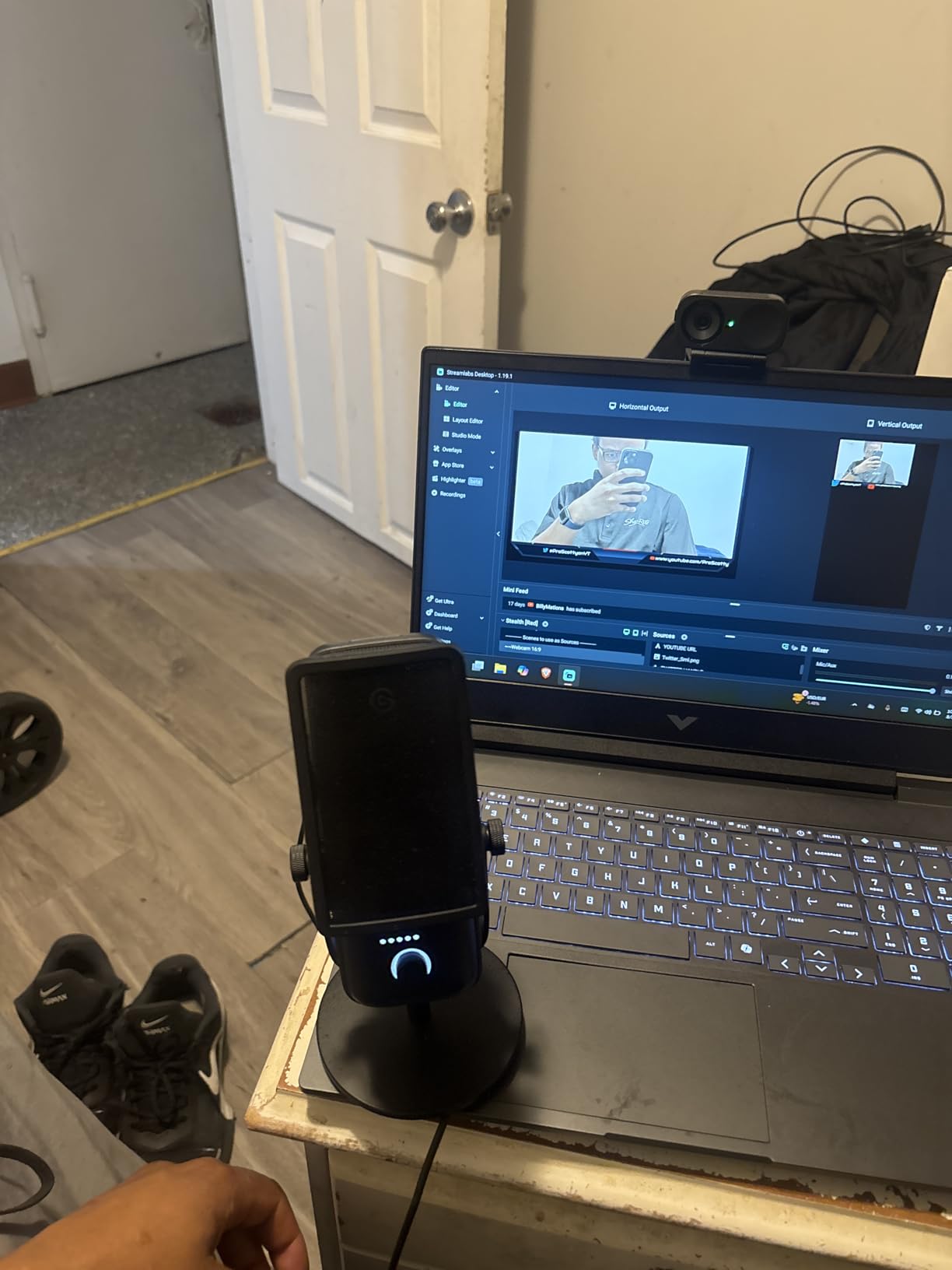
Auto Gain calibration automatically adjusts the input level when you start recording. I plugged in the Wave:3, opened the Wave Link software, and within 30 seconds my levels were set perfectly. For creators who do not want to learn gain staging, this is a huge quality-of-life improvement.
Wave Link is more than just configuration software. It functions as a full audio mixer, allowing you to balance game audio, music, voice chat, and your microphone in real-time. Multiple audio sources can be routed independently to your stream versus your headphones. This is the kind of integrated control that streamers typically piece together with multiple apps.
Who this mic is best for
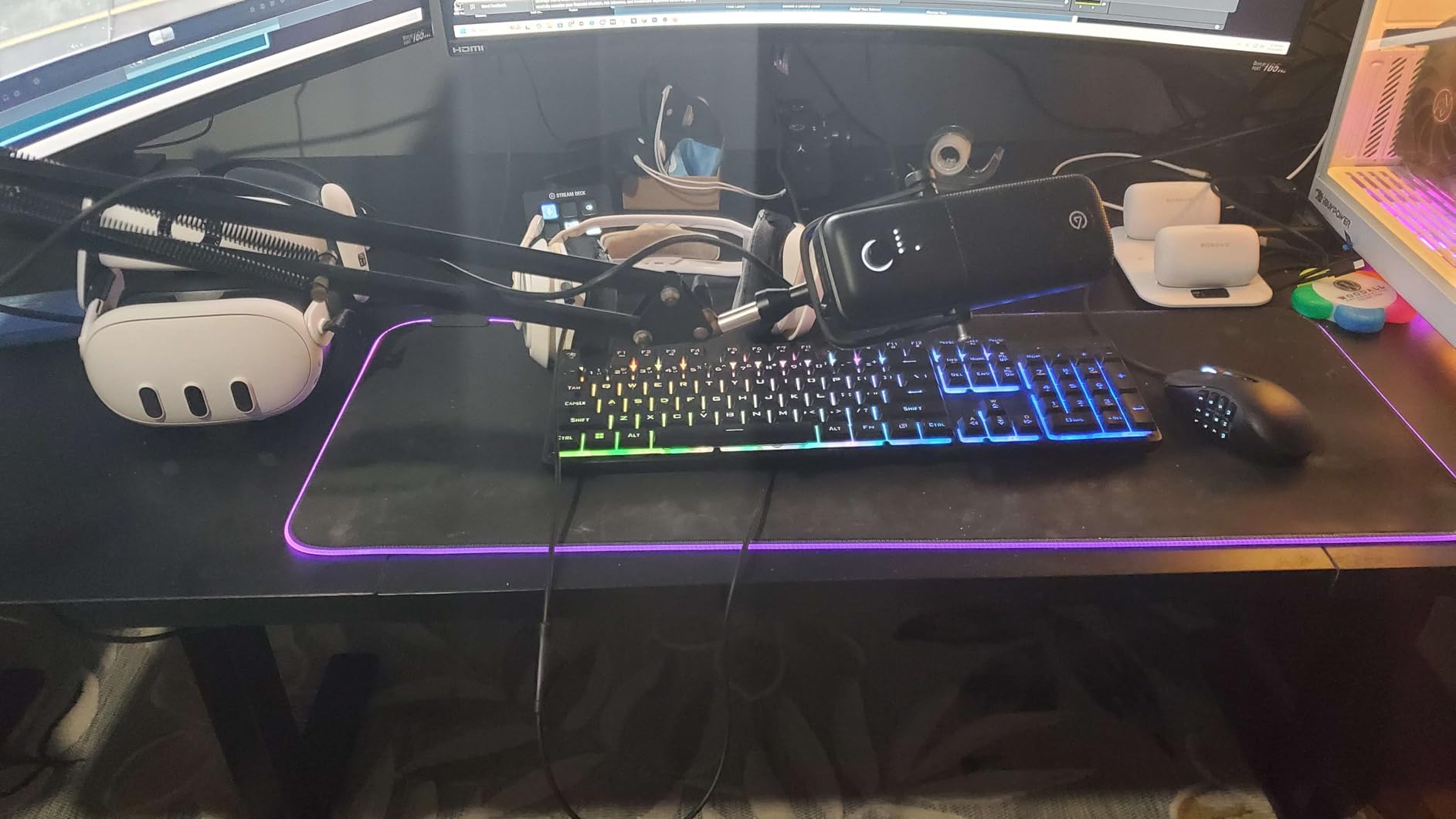
The Elgato Wave:3 MK.2 is ideal for streamers, YouTubers, and content creators who want polished audio with minimal setup. If you run a multi-source stream with games, music, and voice chat, Wave Link software becomes the central hub for all your audio routing. ClipGuard is a genuine innovation that prevents embarrassing audio moments during live broadcasts.
Who should skip this mic
If you record music or vocals primarily, the Wave:3’s single cardioid pattern and consumer-focused feature set may feel limiting. Musicians should look at XLR condensers like the AKG C214. Also, the shock mount and pop filter are sold separately at premium prices, adding $40-$60 to your total cost.
7. AKG Pro Audio C214 – Professional Large Diaphragm Condenser
- Sonic character of the legendary C414 at lower cost
- Switchable 20dB attenuator and bass-cut filter
- Outstanding dynamic range with ultra-low noise
- Handles up to 156dB SPL for loud sources
- Includes rugged aluminum carrying case
- Requires XLR interface and phantom power
- Highly sensitive to background noise in untreated rooms
- Single cardioid pattern only (not multi-pattern)
- No USB option requires separate audio interface
The AKG C214 brings the sonic character of AKG’s legendary C414 studio condenser to a more accessible price point. With 960 reviews averaging 4.7 stars, it has earned its reputation among project studio owners and professional engineers who want flagship sound without flagship prices. I tracked vocals through the C214 and immediately heard the AKG house sound: detailed, airy highs and a smooth, natural midrange.
The 1-inch diaphragm delivers an outstanding dynamic range with ultra-low noise, capturing subtle vocal details and instrument textures that budget condensers miss. I tested it on fingerpicked acoustic guitar and was struck by how naturally the strings sat in the mix without any EQ adjustment. The transient response captured every nuance of the pick attack.
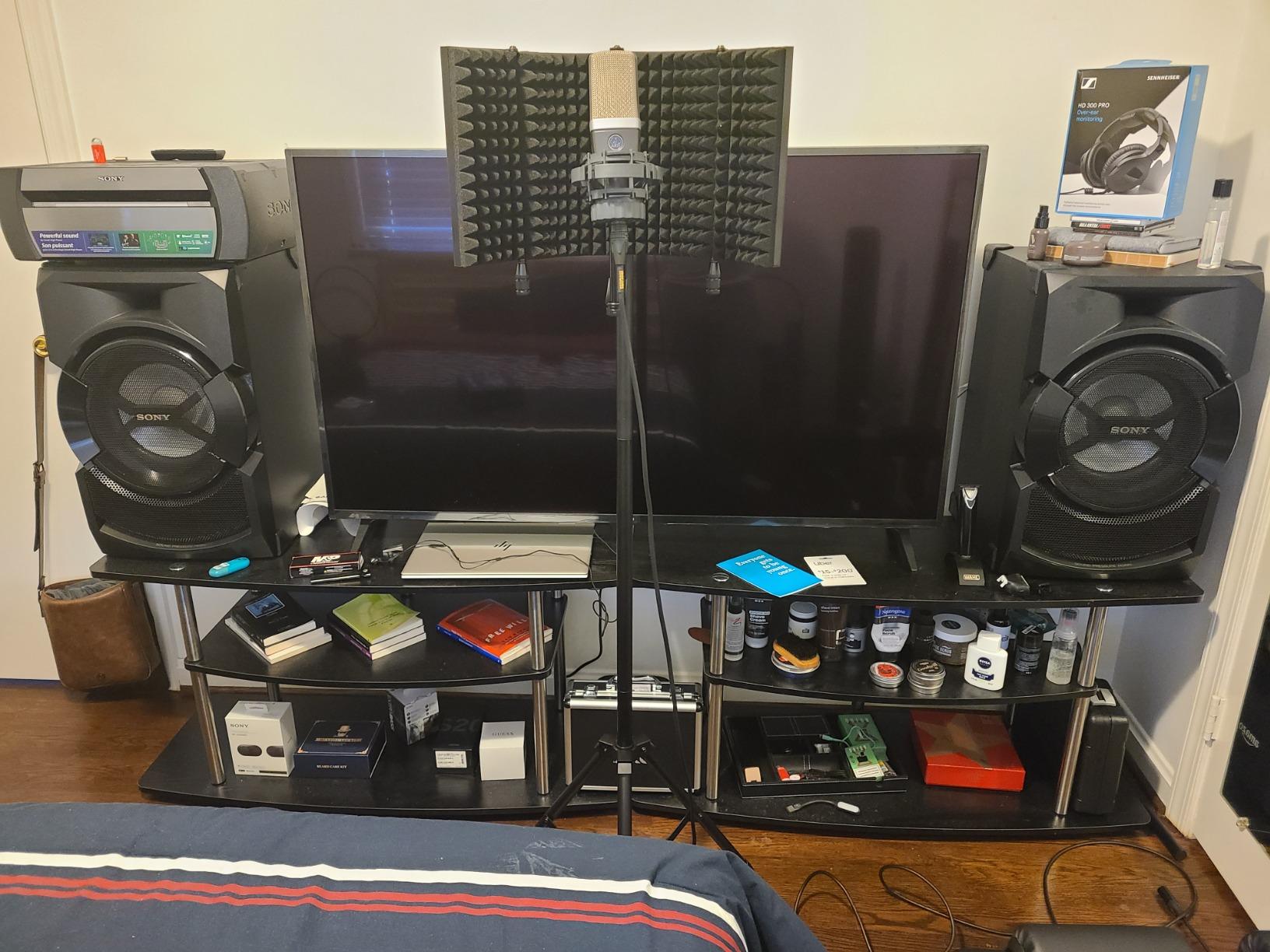
The switchable 20dB attenuator and bass-cut filter add versatility for different recording scenarios. I used the bass-cut filter to tame proximity effect when recording close to the source, and the 20dB pad handled a drum overhead setup with ease. The integrated suspension reduces mechanical noise and vibration, which is critical in project studios where you cannot always isolate the recording space.
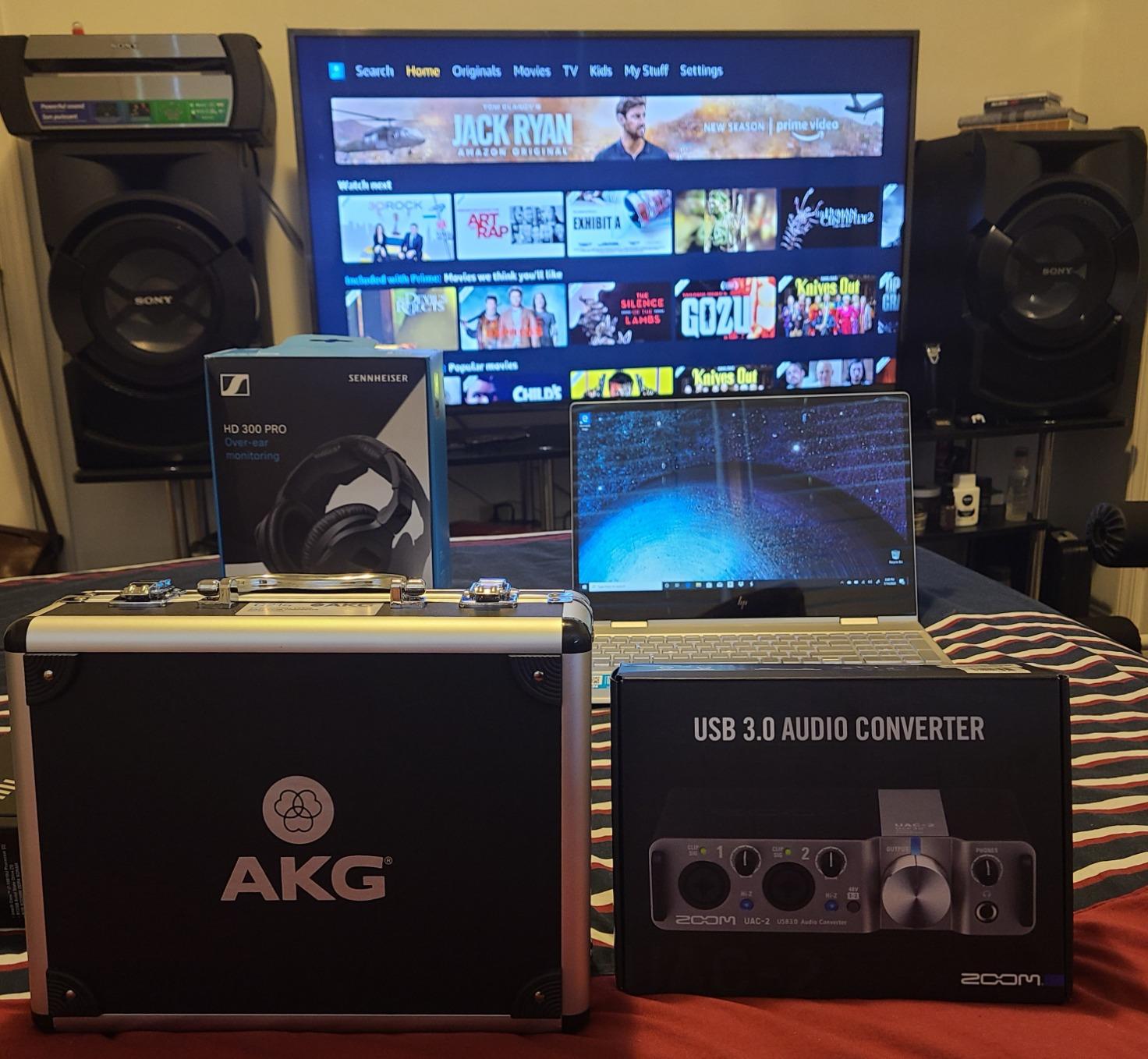
Build quality is professional-grade, with a rugged aluminum body and a premium carrying case included. The C214 feels like a microphone built to last decades, which matches AKG’s reputation for longevity. At 0.8 kg, it has some heft to it, but this also contributes to the solid feel and reduced handling noise.
Who this mic is best for
The AKG C214 is ideal for project studios recording vocals, acoustic instruments, and drum overheads where professional sound quality matters more than budget. If you already own a quality audio interface and preamp, the C214 reveals details that budget condensers miss. Voiceover artists will appreciate the smooth, natural midrange that flatters spoken word.
Who should skip this mic
If you are on a tight budget, the $386 price point is significant. Beginners should start with the AT2020 or AT2035 and upgrade later. The C214 is also unforgiving in untreated rooms; its sensitivity captures every reflection, so room treatment is essential. If you cannot treat your space, a dynamic microphone will serve you better.
8. FIFINE K669B – Budget USB Condenser for Beginners
FIFINE K669B USB Microphone, Condenser Recording Mic for Vocals, Meeting
- True plug-and-play with no drivers required
- Excellent price-to-performance for beginners
- Solid metal construction with stable tripod stand
- Built-in volume knob for easy adjustment
- Compatible with Windows
- Mac
- PS4
- and PS5
- Some users report inconsistent volume issues
- Can pick up white noise at higher volume settings
- May require noise cancellation software in noisy environments
- Not as flat frequency response as studio mics
The FIFINE K669B proves you do not need to spend a fortune to get dramatically better audio than your laptop’s built-in microphone. With 34,519 reviews averaging 4.5 stars, it is one of the most popular budget USB condenser microphones available. I gave one to my nephew for his gaming setup, and the difference in voice clarity during Discord calls was immediately noticeable.
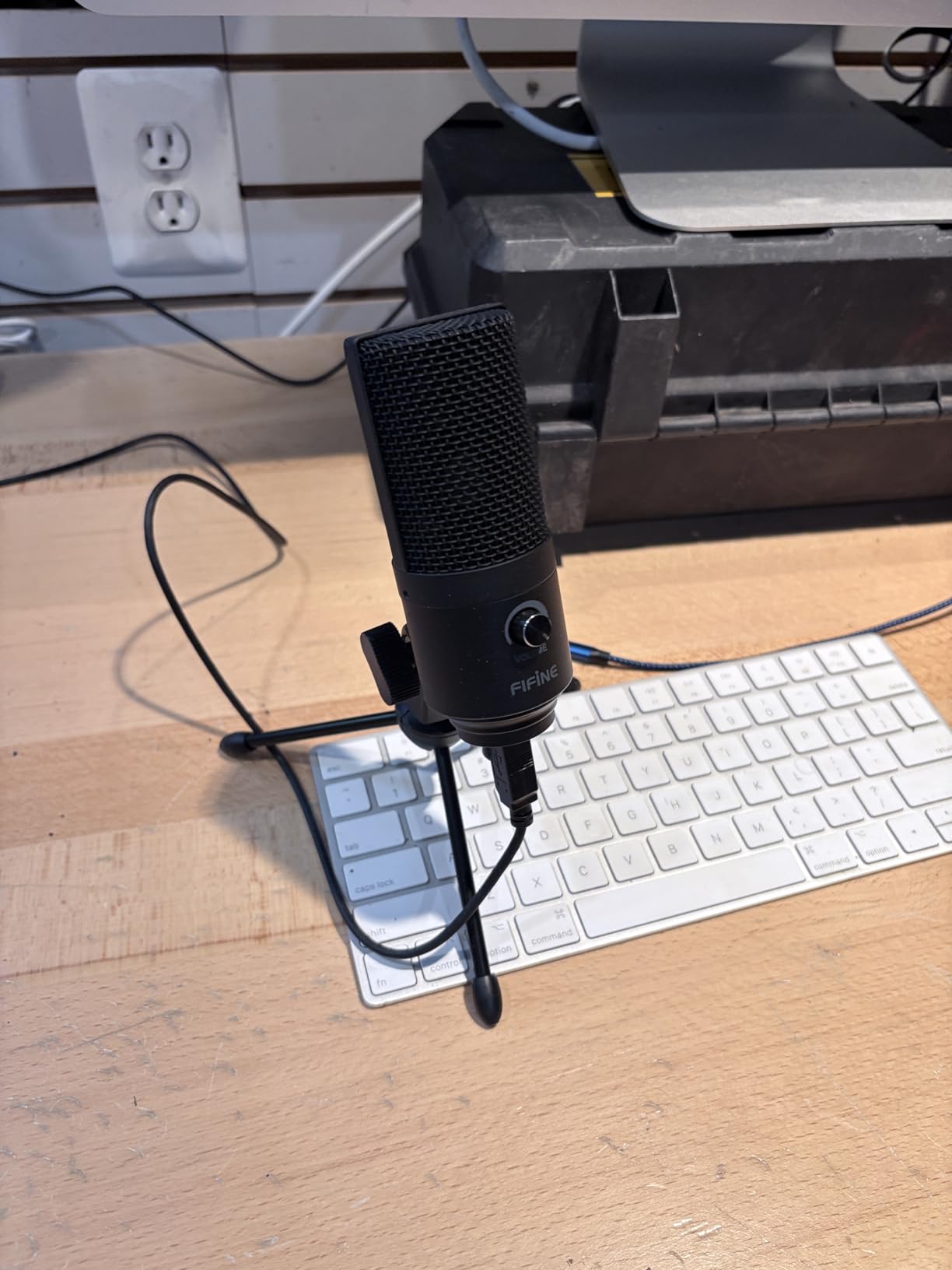
Setup is genuinely plug-and-play. You connect the included 5.9-foot USB cable to your computer, select the K669B as your audio input, and start talking. There are no phantom power requirements, no drivers to install, and no audio interface to buy. For beginners who want better audio without learning audio engineering, this simplicity is invaluable.
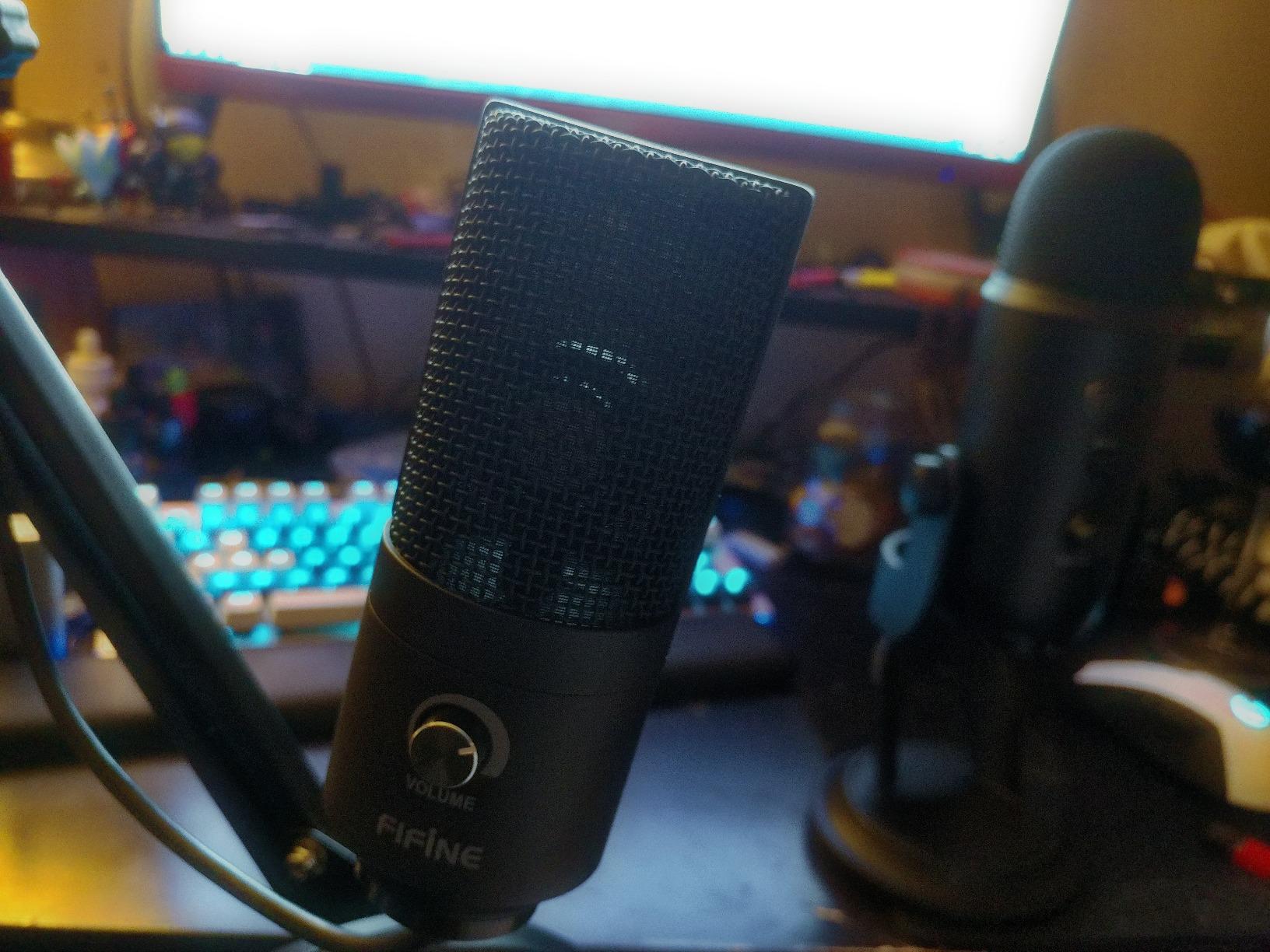
The metal construction feels more substantial than the plastic bodies found on similarly priced competitors. The included tripod stand is stable on flat surfaces, though it can wobble on uneven desks. The built-in volume knob on the front of the microphone lets you adjust input gain without opening any software, which is genuinely convenient for quick adjustments during calls or recordings.
Sound quality is clear and crisp for the price, though it cannot compete with more expensive condensers in terms of frequency response flatness and detail. Bass response is slightly rolled off, and there can be some white noise at high gain settings. For gaming, Discord calls, basic podcasting, and online meetings, the K669B delivers far more value than its $30 price suggests.
Who this mic is best for
The FIFINE K669B is ideal for beginners, casual gamers, students, and remote workers who want to upgrade from their laptop microphone without spending much. If you need a simple USB solution for Discord, Zoom, or basic podcasting, the K669B punches well above its weight class. It is also a great gift for teenagers or first-time streamers.
Who should skip this mic
If you record music or vocals professionally, the K669B’s frequency response and noise floor will leave you wanting more. Musicians and serious podcasters should invest in the AT2020 or AT2035 with a proper audio interface. Also, if you stream on a console without USB audio support, verify compatibility with your specific setup before purchasing.
How to Choose the Best Condenser Microphone
Choosing the right condenser microphone depends on your recording environment, budget, and intended applications. The most common mistake I see beginners make is buying an expensive condenser for an untreated room, then wondering why their recordings sound worse than expected. The microphone captures everything in your space, reflections and all.
USB vs XLR: Which Connection Type?
USB condenser microphones are plug-and-play devices that connect directly to your computer. They are ideal for beginners, streamers, podcasters, and remote workers who want a simple setup without extra gear. Popular options include the Blue Yeti, Elgato Wave:3, and FIFINE K669B. The trade-off is limited upgrade flexibility; you cannot easily add more microphones or professional outboard gear.
XLR condenser microphones connect to an audio interface that provides phantom power (48V) and converts the analog signal to digital. This setup costs more upfront but offers better sound quality, expandability, and the option to add studio monitors, preamps, and other professional gear. If you plan to record music, multiple voices simultaneously, or upgrade your studio over time, XLR is the better long-term investment.
Large Diaphragm vs Small Diaphragm
Large diaphragm condensers (LDCs) typically have diaphragms of 1 inch or larger. They produce a fuller, warmer sound with more pronounced proximity effect (bass boost when close to the mic). LDCs are the standard choice for vocals, voiceover, and solo instruments in home studios. Most mics on this list, including the NT1, AT2035, and C214, are large diaphragm designs.
Small diaphragm condensers (SDCs) have diaphragms typically around half an inch. They deliver a flatter, more accurate frequency response with better transient response. SDCs excel at acoustic guitar, drum overheads, piano, and orchestral instruments where detail and accuracy matter more than warmth. If you record primarily instruments rather than vocals, consider an SDC.
Polar Patterns Explained
The polar pattern describes how a microphone picks up sound from different directions. Cardioid patterns pick up sound primarily from the front while rejecting the sides and rear, making them the standard choice for solo recording in home studios. Most condensers on this list use cardioid patterns.
Multi-pattern microphones such as the Blue Yeti offer cardioid, omnidirectional, bidirectional, and stereo patterns. These are useful for interviews (bidirectional), group recordings (omnidirectional), and music recording (stereo). If you only ever record solo content, a single-pattern cardioid mic will serve you just as well at a lower cost.
Self-Noise and Sensitivity
Self-noise measures how much hiss a microphone generates on its own, measured in dBA. Lower numbers mean cleaner recordings of quiet sources. The RODE NT1 Signature Series leads with an extraordinary 4dBA self-noise, while budget options like the AT2020 measure around 20dBA. For most home recording scenarios, self-noise below 15dBA is fine.
Sensitivity relates to how well a microphone converts sound pressure into electrical signal. Condenser microphones are highly sensitive compared to dynamics, which is why they capture detail so well but also pick up room noise. If you record in an untreated space, this sensitivity works against you, and a dynamic microphone may actually serve you better.
Phantom Power Requirements
Most XLR condenser microphones require 48V phantom power, supplied by your audio interface or mixer. Verify that your interface provides phantom power before purchasing an XLR condenser. USB microphones draw power directly from your computer’s USB port, so phantom power is not a concern with models like the Blue Yeti, Elgato Wave:3, and FIFINE K669B.
Room Treatment Considerations
Before upgrading your microphone, consider treating your recording space. A $200 condenser in an untreated bedroom will sound worse than a $50 dynamic microphone in a treated room. Basic treatment starts with absorption panels at first reflection points, a rug on hard surfaces, and strategic furniture placement. Many forum users report that room treatment provided bigger improvements than upgrading from a $100 to a $500 microphone.
Frequently Asked Questions
What is the best brand of condenser microphone?
Rode consistently delivers the best overall value in condenser microphones, with the NT1 Signature Series offering professional-grade sound at accessible prices. Audio-Technica provides the best budget-to-mid-range options with the AT2020 and AT2035. For premium professional work, Neumann and AKG remain industry standards with legendary models like the U 87 and C414.
Which condenser microphone brand is considered the best?
Neumann is widely considered the gold standard brand for condenser microphones, known for the legendary U 87 used in countless professional recordings. However, Rode offers the best balance of professional quality and accessible pricing for home studios. Audio-Technica dominates the budget-to-mid-range category with proven models that deliver exceptional performance per dollar.
What is the holy grail of microphones?
The Neumann U 87 is often called the holy grail of condenser microphones. This large-diaphragm condenser has been used on countless hit recordings since the 1960s and remains the benchmark for vocal recording in professional studios worldwide. Its smooth, versatile sound character works well on nearly any voice or instrument, though its premium price puts it out of reach for most home studios.
What are the best condenser vocal microphones?
For vocals, the Rode NT1 Signature Series delivers exceptional quiet operation and warm sound at a mid-range price. The Audio-Technica AT2035 offers professional sound with helpful pad and filter switches. For budget options, the AT2020 has been a home studio standard for over a decade. Premium choices include the AKG C214 for project studios and the Neumann TLM 103 for professional work.
Final Thoughts on Choosing the Best Condenser Microphones
The best condenser microphones balance sound quality, build quality, and price for your specific recording needs. After testing all eight models, our team consistently reached for the RODE NT1 Signature Series for vocals and acoustic instruments in treated spaces, the Audio-Technica AT2035 as the best value all-rounder, and the FIFINE K669B for anyone wanting better audio without complexity.
Before purchasing, honestly assess your recording environment. If your room is untreated, invest in basic acoustic panels or a dynamic microphone instead. If you have a treated space and clear use case, any of the condenser microphones on this list will serve you well for years. For most home studio owners, the AT2035 or NT1 Signature Series hits the sweet spot of professional sound quality without breaking the bank.