
If you’ve spent any time in fertility forums or wellness social media lately, you’ve probably seen women raving about seed cycling. They claim that eating specific seeds during different phases of their menstrual cycle helped them regulate periods, reduce PMS, and even conceive after months of trying. The promise is appealing: a natural, food-based approach to balancing hormones without medications or side effects.
But here’s the uncomfortable question that rarely gets asked in those enthusiastic testimonials: does seed cycling actually work for fertility, or is it just another wellness trend that sounds scientific but lacks real evidence?
Our team spent weeks reviewing the available research, including a notable 2026 case study published in PMC, to separate fact from hype. What we found might surprise you. While seed cycling isn’t the miracle cure some influencers claim, it also isn’t complete nonsense. The truth lies somewhere in the middle, and understanding where the line falls can help you make an informed decision about whether to try it.
Table of Contents
What Is Seed Cycling?
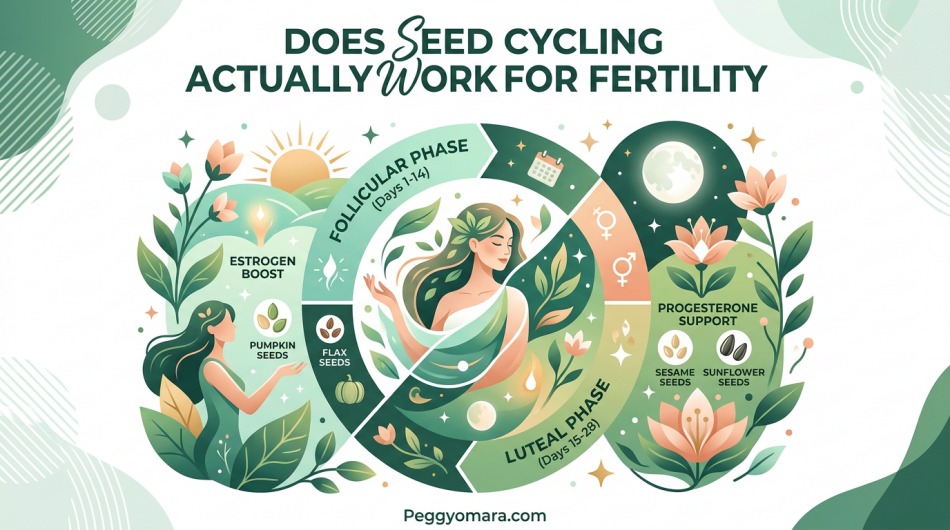
Seed cycling is a dietary practice where women eat specific combinations of seeds during different phases of their menstrual cycle to theoretically support hormone balance and fertility. The practice involves consuming ground flaxseeds and pumpkin seeds during the first half of the cycle, then switching to sesame and sunflower seeds during the second half.
The concept originated from naturopathic medicine and has gained significant traction in recent years through social media and fertility wellness communities. Proponents suggest that the nutrients in these specific seeds can support the body’s natural hormone production during each phase of the menstrual cycle.
The appeal is understandable. Unlike pharmaceutical hormone treatments, seeds are inexpensive, widely available, and come with minimal side effects. For women struggling with irregular cycles, PCOS, or fertility challenges, seed cycling offers a sense of control and active participation in their health that can feel empowering.
The Two Phases Explained
Understanding seed cycling requires familiarity with the two main phases of the menstrual cycle. Each phase has distinct hormonal characteristics, and seed cycling assigns specific seeds to each phase based on their nutrient profiles.
Follicular Phase: Days 1-14
The follicular phase begins on the first day of menstrual bleeding and continues until ovulation. During this phase, estrogen levels rise as follicles in the ovaries mature. Seed cycling practitioners consume one tablespoon each of ground flaxseeds and pumpkin seeds daily during this phase.
Flaxseeds are rich in lignans, which are phytoestrogens that may help modulate estrogen activity in the body. They also provide omega-3 fatty acids that support overall hormonal health. Pumpkin seeds contain zinc, which is essential for progesterone production and prepares the body for the next phase of the cycle.
Luteal Phase: Days 15-28
The luteal phase begins after ovulation and continues until the next period starts. Progesterone becomes the dominant hormone during this phase, preparing the uterine lining for potential implantation. During the luteal phase, practitioners switch to one tablespoon each of ground sesame seeds and sunflower seeds.
Sesame seeds contain lignans similar to flaxseeds but may have different effects on hormone metabolism. They also provide zinc and selenium. Sunflower seeds are excellent sources of vitamin E, which some research suggests may support progesterone production and luteal phase health.
The table below summarizes the seed cycling protocol:
| Cycle Phase | Days | Seeds to Eat | Key Nutrients |
|---|---|---|---|
| Follicular Phase | 1-14 | Flaxseeds + Pumpkin seeds | Lignans, Omega-3, Zinc |
| Luteal Phase | 15-28 | Sesame seeds + Sunflower seeds | Vitamin E, Selenium, Zinc |
For women with irregular periods who cannot track phases by cycle days, some practitioners suggest using the lunar cycle as an alternative, switching seeds with the new and full moons.
The Science: How It’s Supposed to Work
The theoretical mechanism behind seed cycling relies on several key nutrients and their potential effects on hormone production and metabolism. Understanding these mechanisms helps explain why the practice has gained followers despite limited direct research.
Phytoestrogens and Lignans
Phytoestrogens are plant compounds that can mimic or modulate estrogen activity in the body. Flaxseeds contain the highest concentration of lignans, a specific type of phytoestrogen, of any food source. These lignans may help balance estrogen levels by binding to estrogen receptors and either blocking excess estrogen or providing weak estrogenic effects when levels are low.
This modulating effect is particularly relevant for conditions like PCOS, where estrogen dominance relative to progesterone is common. The lignans in flaxseeds might theoretically help normalize this imbalance, though direct clinical evidence is limited.
Zinc and Hormone Production
Both pumpkin and sesame seeds are good sources of zinc, a mineral essential for multiple aspects of reproductive health. Zinc is required for the synthesis of follicle-stimulating hormone and luteinizing hormone, both critical for ovulation. Zinc deficiency has been associated with menstrual irregularities and reduced fertility.
The zinc content in these seeds may support the body’s natural hormone production, particularly during the follicular phase when the body is preparing for ovulation. However, the amount of zinc obtained from seed cycling is modest compared to supplements or zinc-rich foods like oysters.
Vitamin E and Progesterone Support
Sunflower seeds provide significant amounts of vitamin E, an antioxidant that may support luteal phase function. Some studies suggest that vitamin E can improve progesterone levels and support the corpus luteum, the structure that produces progesterone after ovulation.
Adequate progesterone is essential for maintaining pregnancy during the early weeks, making this nutrient connection particularly relevant for fertility. The vitamin E from sunflower seeds might contribute to overall luteal phase health, though again, direct evidence linking seed cycling to improved fertility outcomes is lacking.
Omega-3 Fatty Acids and Inflammation
Flaxseeds are rich in alpha-linolenic acid, a type of omega-3 fatty acid with anti-inflammatory properties. Chronic inflammation can interfere with hormone signaling and ovulation, so reducing inflammation may indirectly support fertility. The omega-3s from flaxseeds might help create a more favorable environment for conception.
While these mechanisms sound promising in theory, it’s important to distinguish between plausible biological pathways and proven clinical outcomes. The fact that a mechanism makes sense doesn’t automatically mean the practice works as intended.
What the Research Actually Says
This is where the seed cycling narrative gets complicated. Despite the logical-sounding mechanisms, high-quality clinical research specifically testing seed cycling as a protocol is virtually nonexistent. The scientific community has not conducted randomized controlled trials comparing seed cycling to placebo or other interventions for fertility outcomes.
The 2026 PMC Case Study
One of the most frequently cited pieces of evidence is a 2026 case study published in PMC (PMC12156535) titled “Seed Cycling and Hormonal Balance: A Case Study of successful fertility intervention in polycystic ovarian syndrome.” This study documented a 28-year-old woman with PCOS who achieved pregnancy after combining seed cycling with myo-inositol supplementation over four months.
The study reported remarkable improvements in hormonal levels, menstrual regularity, and ovulatory function. The patient showed reduced testosterone levels, improved insulin sensitivity, and regular ovulation after three months of the combined protocol. She conceived naturally in the fourth month.
However, case studies have significant limitations. They involve a single patient, lack control groups, and cannot establish causation. The woman in this study also received myo-inositol, which has independent evidence for improving PCOS-related fertility. It’s impossible to isolate the effect of seed cycling from the other interventions and lifestyle changes she likely made.
Earlier Research on Individual Seeds
Some older research exists on the individual seeds used in seed cycling, though not on the cycling protocol itself. A 1993 study suggested that flaxseed lignans might affect menstrual cycle length, but the study was small and had methodological limitations.
Research on zinc supplementation has shown benefits for fertility, particularly in zinc-deficient individuals. Studies on vitamin E have shown mixed results for fertility outcomes. However, extrapolating from supplement studies to whole food sources like seeds requires caution.
The Evidence Gap
The bottom line is this: no well-designed clinical trials have tested whether seed cycling improves fertility outcomes compared to placebo or standard care. The practice relies entirely on theoretical mechanisms, anecdotal reports, and extrapolation from studies on individual nutrients.
This doesn’t mean seed cycling doesn’t work. It means we don’t know whether it works. The absence of evidence is not evidence of absence. But for women making fertility decisions based on limited time and resources, this uncertainty matters.
Fertility Claims: Examining the Evidence
Let’s look at the specific fertility claims made about seed cycling and assess what evidence supports each one. Being precise about claims helps set realistic expectations.
Claim: Seed Cycling Improves Egg Quality
There is no direct evidence that seed cycling improves egg quality. The antioxidants and nutrients in seeds might theoretically reduce oxidative stress on developing eggs, but this has not been tested in human studies. Egg quality is influenced by many factors including age, genetics, and overall health. Seeds alone are unlikely to overcome fundamental egg quality issues.
Claim: Seed Cycling Regulates Ovulation
The zinc and lignan content in seeds might support normal ovulatory function in women with mild hormonal imbalances. The 2026 PMC case study reported restored ovulation in a PCOS patient. However, without controlled trials, we cannot attribute this effect specifically to seed cycling. Women with serious ovulatory disorders like hypothalamic amenorrhea or advanced PCOS should not rely on seeds as a primary treatment.
Claim: Seed Cycling Balances Hormones
This is the most plausible claim, given the phytoestrogen content of the seeds. Lignans can modulate estrogen activity, and zinc supports hormone synthesis. However, “balancing hormones” is a vague concept that wellness marketers use loosely. What specific hormones, and balanced in what direction? The evidence doesn’t support dramatic hormonal shifts from eating seeds.
Claim: Seed Cycling Increases Fertility
This is the claim most lacking in evidence. No studies have measured pregnancy rates or time-to-conception in women following seed cycling protocols versus control groups. While improved nutrition generally supports fertility, there’s no reason to believe seed cycling is superior to other healthy eating patterns.
The Indirect Benefit Argument
One argument in favor of seed cycling is indirect benefit. Women who start seed cycling often make other health-conscious changes simultaneously. They might reduce processed foods, increase vegetable intake, or improve sleep habits alongside eating seeds. These accompanying changes could explain some of the reported benefits.
Additionally, the ritual of seed cycling creates a daily mindfulness practice around fertility health. This increased attention to one’s cycle and body awareness might help women identify ovulation signs or seek medical help sooner than they otherwise would.
PCOS and Seed Cycling
Polycystic ovary syndrome (PCOS) affects up to 10% of women of reproductive age and is a leading cause of infertility. Women with PCOS often have elevated testosterone levels, insulin resistance, and irregular or absent ovulation. The 2026 PMC case study focused on a PCOS patient, which makes sense given the theoretical connections between seed nutrients and PCOS pathology.
The Insulin Resistance Connection
Many women with PCOS have insulin resistance, which contributes to elevated androgen levels and ovulatory dysfunction. The omega-3 fatty acids and fiber in flaxseeds might help improve insulin sensitivity, though the amounts consumed in seed cycling are modest compared to therapeutic doses.
Zinc deficiency is more common in women with PCOS and may worsen insulin resistance. The zinc from pumpkin and sesame seeds could theoretically address this deficiency, though women with significant deficiencies would likely need higher-dose supplements.
Androgen Modulation
The lignans in flaxseeds might help reduce free testosterone levels by increasing sex hormone-binding globulin (SHBG). Higher SHBG binds more testosterone, reducing the amount of active testosterone circulating in the body. This mechanism is supported by some research on lignan supplements, though seed cycling doses have not been specifically tested.
For women with PCOS considering seed cycling, the low risk makes it a reasonable adjunct to medical treatment. However, it should not replace proven PCOS treatments like metformin, inositol, or fertility medications when those are indicated.
Risks and Limitations
Seed cycling is generally safe for most women. The seeds used are common foods with long histories of consumption. However, there are important limitations and potential risks to consider before starting this practice.
What Seed Cycling Cannot Do
Seed cycling cannot treat structural fertility problems like blocked fallopian tubes, severe endometriosis, or significant uterine abnormalities. It cannot overcome age-related fertility decline or genetic conditions affecting reproduction. Women with these conditions need medical intervention, not dietary seeds.
Seed cycling also cannot replace fertility medications when those are medically indicated. Women undergoing IVF or taking Clomid, letrozole, or other fertility drugs should not discontinue treatment in favor of seeds without their doctor’s approval.
The Placebo Effect Possibility
Some of the reported benefits of seed cycling may be placebo effects. When women invest time and effort into a wellness practice, they may perceive improvements that aren’t objectively measurable. Menstrual cycles naturally vary, and some women might attribute normal variation to the seeds they started eating.
This doesn’t mean the benefits aren’t real to the women experiencing them. Placebo effects are still effects. But understanding this possibility helps set realistic expectations about what seed cycling can and cannot accomplish.
When to See a Doctor
Women should consult a healthcare provider before starting seed cycling if they have diagnosed fertility conditions, are taking fertility medications, or have irregular cycles that haven’t been evaluated medically. Seed cycling should complement, not replace, professional fertility care.
If you’ve been trying seed cycling for 6 months without any improvement in cycle regularity or fertility markers, it’s time to see a reproductive endocrinologist. The seeds aren’t hurting you, but they might be delaying more effective treatments.
How to Try Seed Cycling (If You Want To)
If you decide to try seed cycling despite the limited evidence, here’s how to implement it properly. The practice is simple once you establish a routine.
Getting Started
Begin by tracking your menstrual cycle so you know which phase you’re in. If your cycles are regular, day one is the first day of full menstrual flow. If your cycles are irregular, you might use the lunar cycle method instead, starting the follicular phase seeds on the new moon and switching to luteal phase seeds on the full moon.
Buy raw, organic seeds if possible. Grind the flaxseeds fresh daily or store ground flaxseed in the refrigerator as it goes rancid quickly. Pumpkin, sesame, and sunflower seeds can be eaten whole or ground according to preference.
Daily Quantities
During each phase, eat one tablespoon each of the two designated seeds. That’s one tablespoon of ground flaxseeds and one tablespoon of pumpkin seeds during the follicular phase. During the luteal phase, eat one tablespoon each of ground sesame seeds and sunflower seeds.
Some practitioners recommend up to two tablespoons of each seed, but start with one and increase if you tolerate them well. More isn’t necessarily better, and high fiber intake from seeds can cause digestive upset in some people.
Meal Integration Ideas
Seeds can be added to smoothies, sprinkled on oatmeal or yogurt, mixed into salads, or incorporated into baked goods. Some women make seed cycling easier by preparing seed blends in advance and storing them in small containers.
The seeds don’t need to be eaten at a specific time of day. Morning or evening doesn’t matter for efficacy, assuming there is any. Choose a time that fits your routine so you can be consistent.
Timeline Expectations
Practitioners suggest trying seed cycling for at least three months before evaluating results. This aligns with the timeframe needed for egg development and allows several full cycles for any potential effects to manifest. The 2026 PMC case study reported improvements after three months, which is consistent with this recommendation.
If you don’t notice any changes after six months, seed cycling is unlikely to benefit you specifically. Move on to other approaches rather than continuing indefinitely without results.
Frequently Asked Questions
Can seed cycling help you conceive?
There is no direct scientific evidence that seed cycling improves conception rates. While the nutrients in seeds may support overall reproductive health, seed cycling alone is unlikely to overcome significant fertility challenges. It should be viewed as a complementary practice rather than a fertility treatment.
Is seed cycling proven to work?
No high-quality clinical trials have proven seed cycling works for fertility or hormone balance. The practice is based on theoretical mechanisms and limited case studies, not rigorous scientific evidence. A 2026 PMC case study showed positive results for one PCOS patient, but case studies cannot establish causation.
Can seed cycling cause hormonal imbalance?
Seed cycling is unlikely to cause hormonal imbalance in most people. The seeds contain nutrients that theoretically support hormone balance rather than disrupt it. However, if you experience unusual symptoms after starting seed cycling, discontinue the practice and consult a healthcare provider.
Do pumpkin seeds increase estrogen?
Pumpkin seeds do not directly increase estrogen. They contain zinc, which supports overall hormone production including progesterone synthesis. The seeds consumed during the follicular phase are flaxseeds, which contain lignans that may modulate estrogen activity.
Is seed cycling safe while trying to conceive?
Seed cycling is generally considered safe while trying to conceive. The seeds are nutritious foods that are safe to eat during preconception and early pregnancy. However, seed cycling should complement, not replace, medical fertility care when indicated.
Can seed cycling make you ovulate earlier?
There is no evidence that seed cycling changes ovulation timing. It may support natural ovulatory function in women with irregular cycles, but it won’t make you ovulate earlier than your body’s natural pattern. If you have ovulatory disorders, consult a reproductive endocrinologist.
How long does it take to see results from seed cycling?
Practitioners recommend trying seed cycling for at least 3-6 months before evaluating results. This allows time for several complete menstrual cycles and aligns with the timeframe needed for egg development. Individual results vary significantly, and some women may not experience noticeable effects.
Does seed cycling lower estrogen?
The lignans in flaxseeds may help modulate estrogen levels, potentially blocking excess estrogen when levels are high or providing weak estrogenic effects when levels are low. This modulating effect is different from simply lowering estrogen. The impact on individual estrogen levels has not been well studied.
The Verdict: Fact or Hype?
After reviewing the available evidence, our assessment is nuanced. Seed cycling is neither the miracle cure some wellness influencers claim, nor is it complete pseudoscience. The truth lies in a middle ground that acknowledges both the theoretical plausibility and the evidence gaps.
The nutrients in seeds do have biological activities that could theoretically support hormone balance and fertility. Lignans modulate estrogen. Zinc supports hormone synthesis. Vitamin E aids progesterone production. These are real mechanisms supported by nutritional science.
However, the specific practice of cycling seeds according to menstrual phases has not been tested in clinical trials. We don’t know if the timing matters, if the quantities are sufficient, or if the protocol produces better results than simply eating a variety of seeds daily without regard to cycle timing.
For women with mild hormonal imbalances, PCOS, or those seeking a low-risk way to feel proactive about their fertility, seed cycling is reasonable to try. The cost is minimal, the risk is low, and the nutritional benefits are real even if the fertility benefits remain unproven.
For women with diagnosed infertility, structural reproductive problems, or those who have been trying to conceive for over a year without success, seed cycling alone is insufficient. These women need medical evaluation and evidence-based fertility treatments.
Does seed cycling actually work for fertility? The honest answer is: we don’t know for certain. It might help some women indirectly through improved nutrition and body awareness. It is unlikely to be the deciding factor for most fertility outcomes. Separating fact from hype means acknowledging this uncertainty while respecting the choice of women who find value in the practice.