
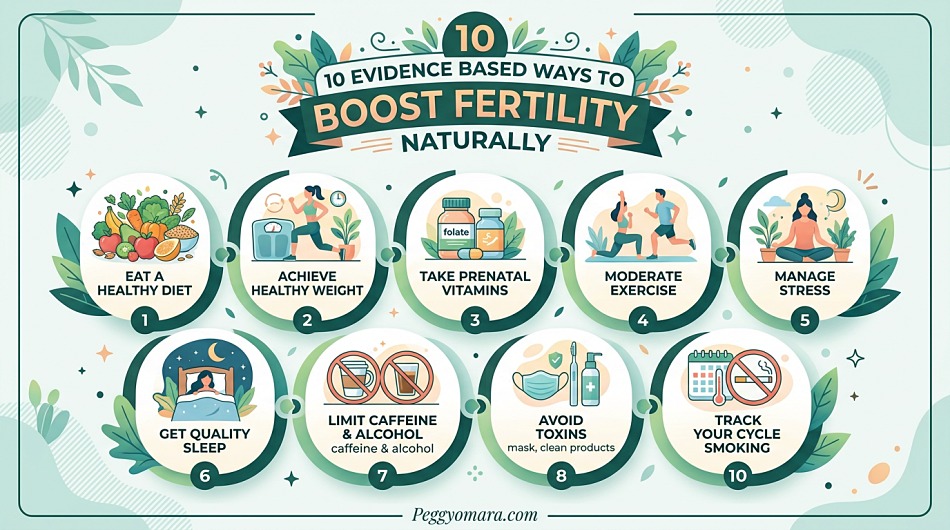
When you’re trying to conceive, the flood of advice can feel overwhelming. Everyone seems to have an opinion about what you should eat, how you should live, and what supplements you absolutely must take. Our team spent weeks reviewing the latest research from reproductive medicine journals and fertility clinics to separate proven methods from well-meaning myths.
These evidence based ways to boost fertility naturally have solid scientific backing. Each recommendation comes from peer-reviewed studies, not old wives’ tales or trending social media posts. Whether you’re just starting your conception journey or you’ve been trying for months, these strategies can improve your reproductive health from multiple angles.
Here is what you will learn in this guide: ten specific, actionable methods backed by research; the science behind why each approach works; practical steps for implementing these changes; and realistic timelines for seeing results. Let us dive into the evidence.
Table of Contents
10 Evidence Based Ways to Boost Fertility Naturally
These ten methods form a comprehensive approach to improving your natural fertility. Start with the ones that feel most manageable for your lifestyle, then gradually add others as new habits stick.
Method 1: Follow a Mediterranean-Style Fertility Diet
Your diet directly impacts egg quality, hormone production, and the environment where an embryo would implant. The Mediterranean diet consistently shows the strongest evidence for improving fertility outcomes in both women and men.
Research published in the journal Fertility and Sterility found that women following a Mediterranean diet pattern had significantly better IVF success rates. The diet reduces inflammation, provides antioxidants that protect egg DNA, and supports healthy hormone balance.
Focus on building your meals around these fertility-friendly foods. Eat fatty fish like salmon or sardines at least twice weekly for omega-3 fatty acids that support hormone production. Include a serving of leafy greens daily for folate and iron. Choose whole grains over refined carbohydrates to maintain stable blood sugar, which helps regulate ovulation.
Add colorful vegetables and fruits rich in antioxidants. Berries, sweet potatoes, bell peppers, and tomatoes provide vitamin C and other compounds that protect reproductive cells from oxidative stress. Include a handful of walnuts or almonds most days for healthy fats and vitamin E.
Use olive oil as your primary cooking fat. Choose lean proteins like chicken, turkey, and legumes. Limit red meat to once or twice weekly. Avoid trans fats completely and minimize processed foods, which contain chemicals that may disrupt hormones.
A sample day might look like this. For breakfast, try Greek yogurt with mixed berries and a sprinkle of walnuts. Lunch could be a large salad with grilled salmon, quinoa, olive oil dressing, and plenty of vegetables. Dinner might feature baked chicken breast with roasted vegetables and a side of brown rice. Snack on an apple with almond butter or a small handful of pumpkin seeds.
Method 2: Take Folic Acid and Key Prenatal Vitamins
Folic acid deserves special attention because the evidence is overwhelming. Taking 400 to 800 micrograms daily reduces the risk of neural tube defects by up to 70 percent. But the benefits extend beyond preventing birth defects. Folate supports DNA synthesis, cell division, and healthy egg development.
Start taking folic acid at least three months before you plan to conceive. This timing matters because eggs take approximately three months to mature. The folate you consume today supports the eggs you will release three months from now.
Beyond folic acid, consider these evidence-backed supplements. Vitamin D deficiency correlates with infertility and pregnancy complications. Get your levels tested and supplement to reach at least 30 ng/mL. Coenzyme Q10 shows promise for improving egg quality, particularly for women over 35. A typical dose ranges from 100 to 300 milligrams daily.
Omega-3 supplements can help if you do not eat fish regularly. Look for a quality fish oil with at least 500 milligrams combined EPA and DHA. A comprehensive prenatal vitamin covers your bases for iron, zinc, and other nutrients critical for conception.
Choose supplements verified by third-party testing. The supplement industry lacks strict regulation, so quality varies dramatically. Look for USP, NSF, or ConsumerLab verification marks on the label.
Method 3: Maintain a Healthy BMI for Optimal Fertility
Body weight affects fertility more than many people realize. Both underweight and overweight women face increased difficulty conceiving. The ideal BMI range for fertility falls between 18.5 and 24.9.
When BMI exceeds 30, hormonal disruptions often occur. Excess body fat produces estrogen, which can suppress ovulation. Insulin resistance commonly accompanies obesity, further disrupting reproductive hormones. Research shows that losing just 5 to 10 percent of body weight can restore ovulation in many overweight women with PCOS.
Being underweight also poses problems. When BMI drops below 18.5, the body may shut down reproductive functions as a survival mechanism. Women with very low body fat often stop ovulating entirely. Athletes and those with restrictive eating patterns should pay particular attention to this risk.
Achieve weight changes gradually. Crash diets stress your body and can worsen fertility. Aim for one to two pounds per week if you need to lose weight. Work with a registered dietitian who specializes in fertility nutrition if you need personalized guidance.
Remember that BMI is just one measure. Muscle mass, body composition, and overall health matter too. Some women conceive easily at slightly higher BMIs, while others struggle even within the normal range. Focus on healthy habits rather than arbitrary numbers.
Method 4: Exercise Regularly But Don’t Overdo It
Regular physical activity supports fertility through multiple pathways. Exercise improves insulin sensitivity, reduces stress hormones, helps maintain healthy weight, and promotes better sleep. However, balance matters enormously. Too much intense exercise can actually harm fertility.
The sweet spot for fertility appears to be moderate exercise for about 150 minutes per week. This breaks down to roughly 30 minutes of activity on five days. Choose activities you enjoy so you will stick with them long-term. Brisk walking, swimming, cycling, and yoga all work well.
High-intensity exercise deserves caution. Research shows that women who exercise vigorously for more than an hour daily may experience ovulation problems. This risk increases significantly if your BMI is already low. Elite athletes and marathon runners often face temporary fertility disruptions.
Listen to your body carefully. If your menstrual cycle becomes irregular after increasing exercise, scale back. Signs of overtraining include persistent fatigue, irritability, disrupted sleep, and missed or irregular periods. Your reproductive system needs adequate energy to function properly.
Yoga deserves special mention for fertility. Beyond the physical benefits, yoga reduces cortisol and teaches stress management skills. Certain poses may improve blood flow to reproductive organs, though the evidence here is preliminary. A gentle hatha or restorative practice suits most women trying to conceive better than intense hot yoga or power yoga.
Method 5: Quit Smoking and Avoid Recreational Drugs
If you needed one compelling reason to quit smoking, fertility provides it. Smoking harms nearly every aspect of reproductive health. The damage affects both women and men, making this a team effort if you are trying to conceive with a partner.
Women who smoke experience earlier menopause by one to four years. They have lower egg reserves and higher rates of chromosomal abnormalities in their eggs. Smoking damages the DNA within eggs and accelerates the natural decline of ovarian reserve. Even secondhand smoke exposure carries risks.
For men, smoking reduces sperm concentration by 13 to 17 percent according to research. It decreases sperm motility and increases DNA fragmentation in sperm. These effects can persist for months after quitting because sperm take approximately 74 days to produce.
The good news is that quitting reverses much of the damage. Within three months of stopping smoking, egg quality markers begin improving. Sperm parameters show improvement within three to six months. Your fertility can recover substantially, though the earlier you quit, the better.
Recreational drugs including marijuana, cocaine, and anabolic steroids all harm fertility. Marijuana affects hormone production and egg quality. Anabolic steroids can shut down sperm production entirely. If you use any substances, seek help quitting before trying to conceive. Speak with your doctor about cessation programs that support rather than shame.
Method 6: Limit Alcohol and Caffeine Intake
Alcohol and caffeine both affect fertility, though the evidence differs in strength. Most fertility specialists recommend minimizing or eliminating alcohol when trying to conceive. Caffeine gets more lenient guidelines, but moderation remains important.
Alcohol disrupts the delicate hormonal balance required for conception. Even moderate drinking affects menstrual cycles and ovulation. A major Danish study found that women consuming 14 or more alcoholic drinks per week had 18 percent lower fecundability compared to non-drinkers. The risk increases with higher consumption.
Heavy drinking also raises the risk of early miscarriage if conception does occur. Since you will not know you are pregnant during the first few weeks, continuing to drink while trying to conceive poses risks. Many experts recommend abstaining entirely while trying to get pregnant.
Caffeine receives more mixed research results. Most studies suggest keeping intake under 200 milligrams daily when trying to conceive. This equals about one 12-ounce cup of coffee. Higher intakes correlate with longer time to pregnancy and increased miscarriage risk in some studies.
Remember that caffeine hides in unexpected places. Tea, soda, energy drinks, chocolate, and some medications all contain caffeine. Track your total intake from all sources. If you are a heavy coffee drinker, taper down gradually to avoid withdrawal headaches. Switch to half-caff or decaf, or try herbal teas instead.
Method 7: Track Your Ovulation and Fertile Window
Understanding your cycle dramatically improves your chances of conception. You can only get pregnant during a small window each month. Sperm can survive up to five days, but eggs remain viable for only 12 to 24 hours after ovulation. Timing intercourse correctly matters enormously.
Your fertile window spans roughly six days: the five days before ovulation plus the day of ovulation itself. Having intercourse during this window gives sperm time to wait for the egg’s release. The two days before ovulation offer the highest conception probability.
Several methods help identify your fertile window. Ovulation predictor kits detect the luteinizing hormone surge that precedes ovulation by 24 to 36 hours. These are widely available at pharmacies and easy to use. Start testing a few days before you expect to ovulate based on your typical cycle length.
Basal body temperature tracking involves taking your temperature immediately upon waking each morning. Your temperature rises slightly after ovulation due to progesterone. While this confirms ovulation has occurred, it does not predict it in advance. Combine BBT with other methods for best results.
Monitoring cervical mucus offers a free, natural approach. As ovulation approaches, cervical mucus becomes clear, stretchy, and similar to egg whites. This fertile-quality mucus helps sperm travel to the egg. Learn to recognize these changes through daily observation.
Fertility tracking apps can help log your data and predict future cycles. However, they work best after you have tracked several months of data. Do not rely solely on app predictions during your first cycles off birth control, as your body may need time to establish regular patterns.
Method 8: Manage Stress Through Proven Techniques
The relationship between stress and fertility frustrates many couples. Hearing “just relax and it will happen” feels dismissive and unhelpful. Yet research increasingly shows that chronic stress genuinely impacts reproductive hormones and conception rates.
Stress activates your body’s fight-or-flight response, flooding your system with cortisol. Elevated cortisol suppresses reproductive hormones including estrogen, progesterone, and luteinizing hormone. Over time, chronic stress can disrupt ovulation, shorten luteal phases, and reduce uterine blood flow.
A landmark study published in Fertility and Sterility found that women with higher stress markers took 29 percent longer to conceive. The good news is that stress management techniques show measurable benefits. You do not need to eliminate all stress, which is impossible. Instead, build resilience through consistent practices.
Mindfulness meditation produces some of the strongest evidence for fertility benefits. Just 10 to 15 minutes daily reduces cortisol and improves emotional wellbeing. Apps like Headspace or Calm offer guided meditations specifically for fertility. Mindfulness-based stress reduction programs developed for fertility patients show impressive results in clinical trials.
Acupuncture deserves mention as well. Multiple studies suggest acupuncture may improve IVF success rates and help regulate cycles. Even if the physical benefits remain debated, the relaxation and stress reduction benefits are real. Many women find the ritual of regular acupuncture appointments helps them feel proactive and cared for.
Other effective stress management approaches include gentle yoga, nature walks, journaling, and connecting with supportive friends. Consider therapy if you are struggling with anxiety or depression related to fertility challenges. Cognitive behavioral therapy shows particular effectiveness for reducing fertility-related distress.
Method 9: Prioritize Quality Sleep (7-9 Hours)
Sleep affects fertility more than most people realize. Poor sleep disrupts the hypothalamic-pituitary-gonadal axis, the hormonal system controlling reproduction. Irregular sleep patterns throw off circadian rhythms that influence hormone release timing.
Melatonin deserves special attention. Known primarily as a sleep hormone, melatonin also protects eggs from oxidative stress during their development. It acts as a powerful antioxidant within the ovaries. Disrupted sleep reduces melatonin production, potentially affecting egg quality.
Research links short sleep duration with lower fertility rates. Women sleeping fewer than six hours nightly show reduced pregnancy rates in IVF studies. Shift work, which disrupts normal sleep patterns, also correlates with fertility challenges and irregular cycles.
Aim for seven to nine hours of sleep per night. Establish a consistent sleep schedule, going to bed and waking at the same times even on weekends. This consistency supports your body’s natural hormone rhythms. Create a sleep-friendly environment that is cool, dark, and quiet.
Protect your evening routine from blue light exposure. Phones, tablets, and computers emit light that suppresses melatonin production. Install blue light filters or, better yet, put devices away one to two hours before bed. Use this time for relaxing activities like reading, gentle stretching, or meditation.
If you struggle with sleep despite good habits, speak with your doctor. Conditions like sleep apnea, which often goes undiagnosed in women, can affect fertility. Treating underlying sleep disorders may improve both your rest and your reproductive health.
Method 10: Reduce Exposure to Chemicals and Plastics
Environmental chemicals increasingly concern fertility specialists. Endocrine-disrupting chemicals found in plastics, personal care products, and household items can mimic or block natural hormones. While you cannot eliminate all exposure, reducing contact with major sources makes sense.
Bisphenol A, commonly called BPA, leaches from plastic containers and canned food linings. Research links higher BPA levels with poorer egg quality, reduced IVF success, and higher miscarriage rates. Phthalates, found in fragrances and soft plastics, also disrupt reproductive hormones in both women and men.
Parabens in personal care products and pesticides on non-organic produce add to the chemical burden. While individual exposures seem small, the cumulative effect concerns researchers. These chemicals may work synergistically to affect fertility in ways we are only beginning to understand.
Make practical swaps gradually to avoid overwhelming yourself. Replace plastic food containers with glass or stainless steel. Never heat food in plastic containers, as heat accelerates chemical leaching. Choose BPA-free canned goods or fresh and frozen alternatives when possible.
Switch to fragrance-free personal care products to avoid phthalates. Choose organic produce for the items on the Environmental Working Group’s Dirty Dozen list. These include strawberries, spinach, kale, nectarines, and apples, which tend to carry the most pesticide residues.
Filter your drinking water to remove potential contaminants. If you use a plastic water bottle, choose one labeled BPA-free and avoid leaving it in hot cars where heat increases chemical migration. Small changes add up over time and reduce your overall exposure.
Don’t Forget About Male Fertility
Fertility is a team sport. While much advice targets women, male factors contribute to about 40 percent of infertility cases. The good news is that sperm respond quickly to lifestyle changes. Since sperm production takes approximately 74 days from start to finish, changes you make today show results in about three months.
Men should follow many of the same recommendations outlined above. The Mediterranean diet supports sperm quality just as it supports egg quality. Maintaining a healthy BMI, exercising regularly, and managing stress all improve sperm parameters. The same advice about quitting smoking, limiting alcohol, and avoiding recreational drugs applies equally.
Some male-specific considerations deserve attention. Keep laptops off the lap and phones out of front pockets, as heat and electromagnetic radiation may affect sperm production. Choose loose-fitting underwear over tight briefs if you are concerned about sperm quality. Avoid hot tubs and saunas, which temporarily raise scrotal temperature.
Men should consider taking a daily multivitamin with antioxidants. Studies show that antioxidants like vitamin C, vitamin E, selenium, and zinc improve sperm motility and reduce DNA fragmentation. Coenzyme Q10 also shows promise for male fertility.
Remember that conception requires healthy sperm meeting a healthy egg at the right time. Both partners optimizing their health simultaneously creates the best possible conditions for success. Consider this preconception period an opportunity to build healthy habits together as a couple.
When to Seek Medical Help
While natural methods help many couples conceive, knowing when to seek professional guidance matters too. Age significantly affects timelines for seeking help. Women under 35 should consult a fertility specialist after one year of unprotected, well-timed intercourse without success. Women 35 to 39 should seek help after six months. Women 40 and older should consult a specialist right away.
Certain red flags warrant earlier consultation regardless of age. Irregular or absent periods suggest ovulation problems that need evaluation. Known conditions like PCOS, endometriosis, or uterine fibroids may require medical support. A history of pelvic infections, surgery, or sexually transmitted infections may affect fertility.
Men should also seek evaluation if concerned. Previous testicular injury, surgery, or infection may affect sperm production. Erectile dysfunction or problems with ejaculation require medical attention. If your partner has a known medical condition, early consultation helps set realistic expectations.
Remember that seeking help does not mean giving up on natural methods. Many fertility specialists support integrative approaches that combine lifestyle optimization with medical treatments. Continuing healthy habits while pursuing fertility treatments may improve outcomes. Do not wait until you have exhausted every natural option before making that first appointment.
Sample One-Week Fertility Meal Plan
Putting dietary advice into practice becomes easier with a concrete plan. Here is a simple one-week meal plan incorporating fertility-friendly foods. Adjust portions based on your individual needs and activity level.
- Monday: Breakfast includes Greek yogurt with blueberries and walnuts. Lunch features a quinoa salad with chickpeas, roasted vegetables, and olive oil dressing. Dinner is baked salmon with sweet potato and steamed broccoli. Snack on an apple with almond butter.
- Tuesday: Start with oatmeal topped with sliced banana and pumpkin seeds. Lunch is a turkey and avocado wrap with whole grain tortilla and mixed greens. Dinner features chicken stir-fry with brown rice and colorful vegetables. Snack on carrot sticks with hummus.
- Wednesday: Breakfast is a vegetable omelet with whole grain toast. Lunch includes leftover salmon over a large mixed salad. Dinner features lentil soup with crusty bread and a side salad. Snack on a small handful of Brazil nuts.
- Thursday: Smoothie bowl with spinach, berries, banana, and chia seeds for breakfast. Lunch is a Mediterranean-style bowl with grilled chicken, cucumber, tomatoes, olives, and feta. Dinner features baked cod with asparagus and quinoa. Snack on fresh fruit.
- Friday: Whole grain toast with avocado and smoked salmon for breakfast. Lunch includes vegetable soup with beans and a side salad. Dinner is lean beef stir-fry with vegetables and brown rice. Snack on plain yogurt with a drizzle of honey.
- Saturday: Breakfast features poached eggs on whole grain toast with sautéed spinach. Lunch is a large salad with grilled shrimp and avocado. Dinner includes homemade vegetable pizza with whole wheat crust. Snack on dark chocolate and a few almonds.
- Sunday: Whole grain pancakes with fresh berries for a special breakfast. Lunch features leftover pizza or a grain bowl. Dinner is roast chicken with roasted root vegetables. Snack on herbal tea and a small portion of cheese.
Frequently Asked Questions
How long before trying to conceive should I start making these changes?
Start implementing fertility-boosting changes at least three months before you hope to conceive. Eggs and sperm both take approximately three months to develop fully. The lifestyle changes you make today will affect the eggs you release and the sperm produced three months from now. Earlier is always better, especially for quitting smoking and achieving a healthy weight.
What makes a woman extremely fertile?
The most fertile women typically have regular 28-day cycles, a healthy BMI between 18.5 and 24.9, balanced hormones, good egg quality, and a healthy uterine environment. Age remains the single strongest factor, with peak fertility occurring in the mid-20s. However, following the evidence-based methods in this guide can optimize fertility regardless of your starting point.
How much does smoking actually reduce fertility?
Research shows that women who smoke experience menopause one to four years earlier than non-smokers and have up to 40 percent lower fertility rates. Smoking damages egg DNA, reduces ovarian reserve, and disrupts hormone production. For men, smoking reduces sperm concentration by 13 to 17 percent and increases DNA fragmentation. The good news is that fertility begins improving within three months of quitting.
Can stress really prevent pregnancy?
Chronic stress can significantly impact fertility by disrupting the hormonal balance needed for ovulation. Elevated cortisol suppresses reproductive hormones including estrogen, progesterone, and luteinizing hormone. Studies show women with high stress markers take 29 percent longer to conceive. While stress alone rarely causes complete infertility, managing stress through proven techniques improves conception rates.
What is the best age to get pregnant?
Biologically, fertility peaks in the mid-20s when egg quality and quantity are highest. By age 30, fertility begins a gradual decline that accelerates after 35. At age 40, natural conception chances drop significantly. However, many women conceive healthy pregnancies well into their late 30s and early 40s. The best age depends on your individual health, fertility status, and life circumstances.
How often should couples have sex when trying to conceive?
Having intercourse every two to three days throughout the cycle maximizes your chances of hitting the fertile window. If you prefer to focus on the most fertile period, aim for sex daily or every other day during the six-day fertile window ending on ovulation day. The highest conception probability occurs one to two days before ovulation. Avoid making sex feel like a chore, as stress can affect fertility.
Do fertility supplements actually work?
Some supplements have solid evidence while others remain unproven. Folic acid has the strongest evidence, reducing neural tube defect risk by up to 70 percent and supporting egg quality. Vitamin D, CoQ10, and omega-3 fatty acids show promising research for fertility. However, supplements cannot overcome major fertility obstacles like blocked fallopian tubes or severe male factor infertility. Use supplements as complements to, not replacements for, healthy lifestyle habits.
What are the odds of conceiving naturally at 39?
At age 39, the average woman has approximately 15 to 20 percent chance of conceiving naturally each month, compared to about 25 percent in her 20s. Cumulative chances over a year remain reasonable for many women, though individual factors vary widely based on egg reserve, overall health, and partner fertility. Women over 35 should seek fertility evaluation after six months of trying without success.
Conclusion: Your Path to Enhanced Fertility
Improving your fertility naturally requires patience, consistency, and a willingness to make meaningful lifestyle changes. These evidence based ways to boost fertility naturally work synergistically. The Mediterranean diet provides nutrients for hormone production. Regular exercise improves insulin sensitivity. Stress management keeps cortisol in check. Quality sleep supports your body’s natural rhythms.
You do not need to implement all ten methods simultaneously. Start with the changes that feel most manageable for your current lifestyle. Perhaps begin with taking a prenatal vitamin daily and switching to a Mediterranean-style diet. Once those habits feel automatic, add exercise goals or stress management practices. Small, sustainable changes beat overwhelming overhauls that you cannot maintain.
Remember that fertility involves both partners. Share this guide with your partner and make health optimization a team effort. The preconception period offers a unique opportunity to build healthy habits together before the demands of pregnancy and parenthood begin.
Most importantly, maintain perspective while trying to conceive. These evidence-based methods improve your odds, but no approach guarantees pregnancy. If months pass without success, do not hesitate to seek medical guidance. Fertility specialists can identify underlying issues and recommend treatments that complement the healthy foundation you have built through these natural approaches.